Products

Related News

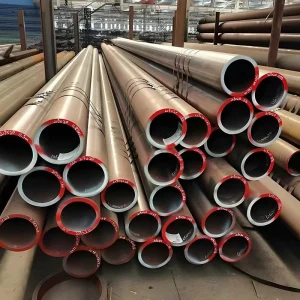
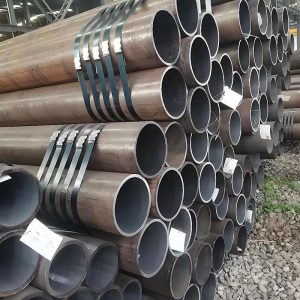
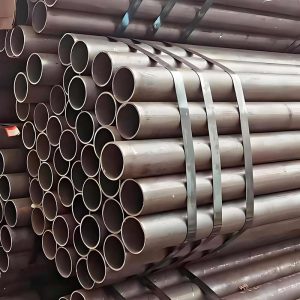
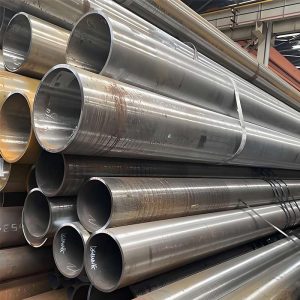
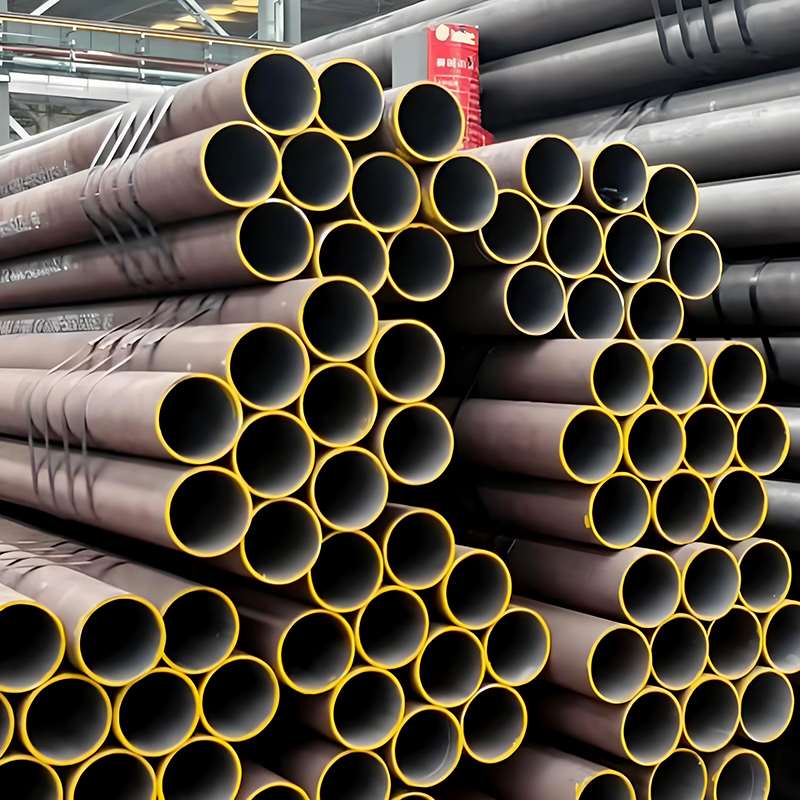
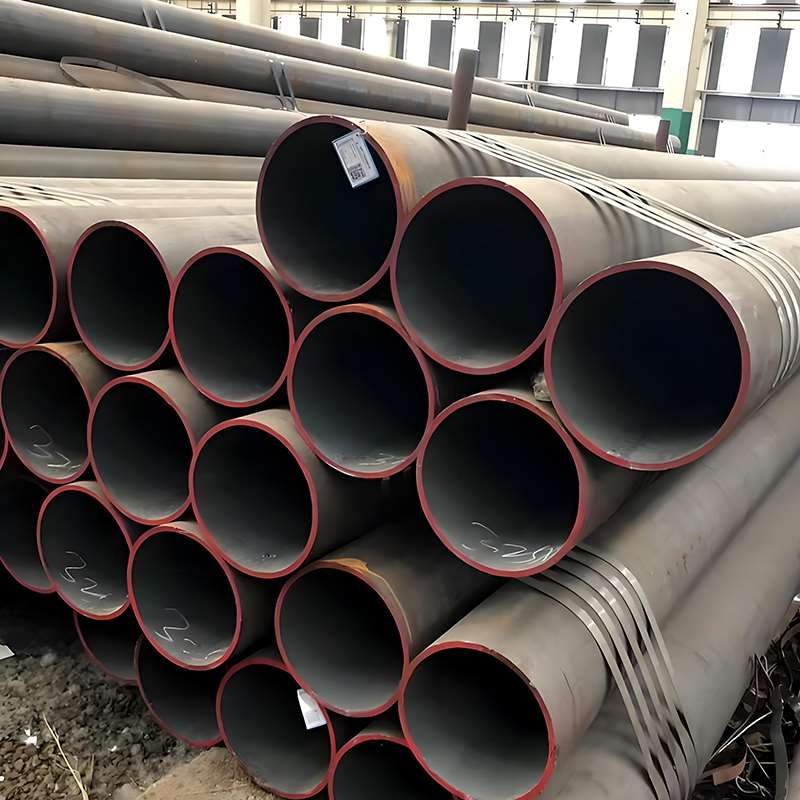
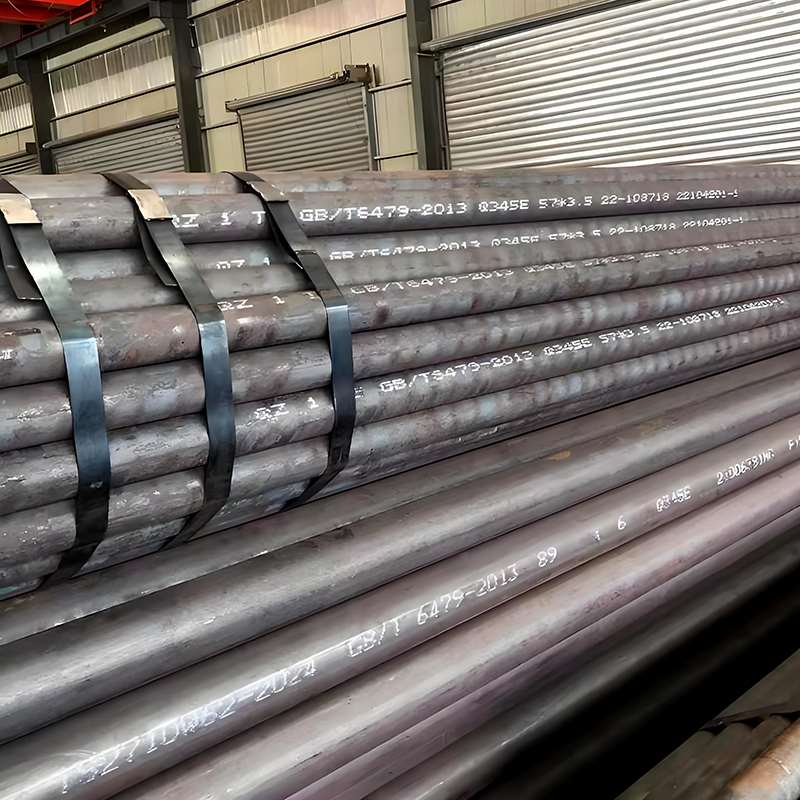
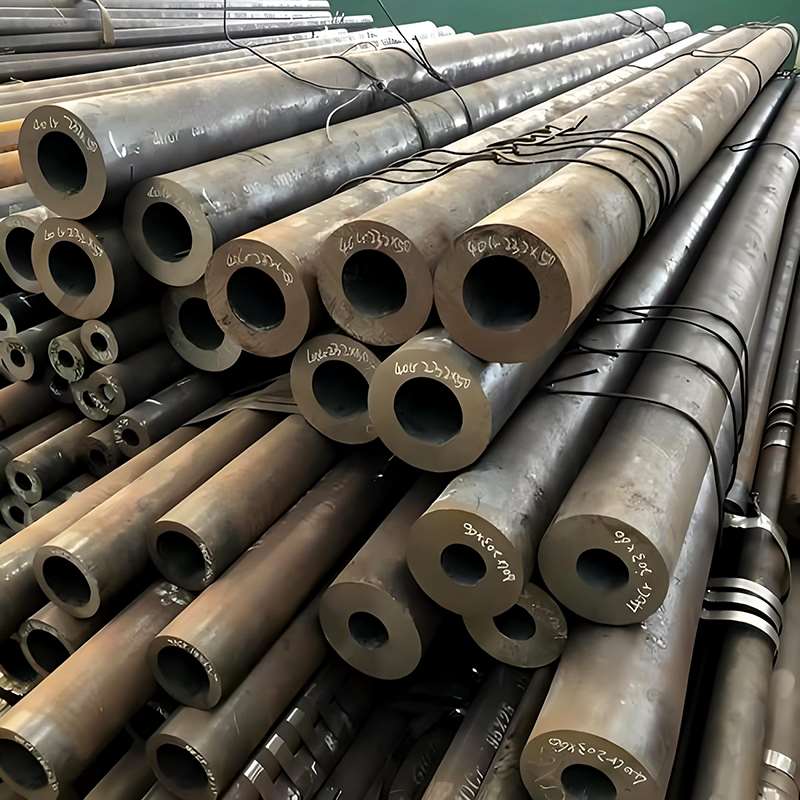
GB/T 9948 Seamless Steel Pipe

OD Range :

φ12 mm – φ711 mm

WT Range :

1 mm – 65 mm

Length :

4 m – 12 m

Tolerance :

Outer Diameter: ±0.3% to ±1.0%; Wall Thickness: +12.5% ​​/ -10%

Material :

Carbon Steel (10, 20), Alloy Steel (15CrMo, 1Cr2Mo, 1Cr5Mo), Low-Alloy High-Strength Steel (Q355B/D)

Standard :

GB/T 99482025

Surface :

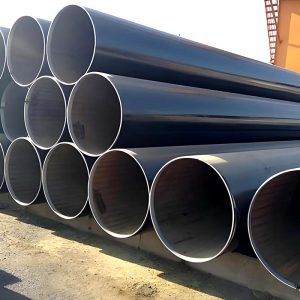
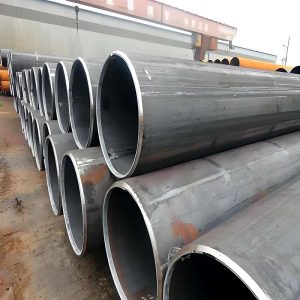
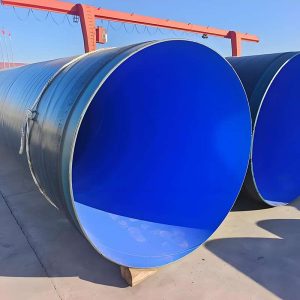
Black/Hot-rolled surface; pickled and phosphated; treated with rust-preventive oil; can be painted or galvanized.

Application :

Petrochemical Cracking Furnace Tubes, Heat Exchanger Tubes, High-Temperature and High-Pressure Chemical Pipelines, Refinery/Ethylene Plants, Pressure Vessel Piping

Introduction :

GB/T 9948 seamless steel pipes are suitable for high-temperature, high-pressure, and corrosive service conditions in petrochemical and chemical plants.

I. Overview of GB/T 9948 Seamless Steel Pipe:

GB/T 9948 seamless steel pipes are specifically designed for petrochemical and chemical equipment applications. Capable of withstanding high temperatures, high pressures, and corrosive environments, they ensure the safety and reliability of piping systems and equipment.

Featuring precise dimensions and superior mechanical properties, these pipes meet the rigorous operational demands of critical applications—such as cracking furnaces, heat exchangers, and pressure pipelines—making them an efficient and safe piping solution for the petrochemical and chemical industries.

II. GB/T 9948 Seamless Steel Tubes: Materials and Grades

Material TypeCommon Grades / Steel NumbersFeatures & Applications
Carbon Steel10, 20Low carbon steel, moderate strength, suitable for low-temperature or general chemical pipelines
Low Alloy SteelQ345B, Q355B/DHigh strength, good toughness, suitable for medium to high-pressure pipelines and chemical installations
Alloy Steel15CrMo, 12CrMo, 1Cr2Mo, 1Cr5MoHigh temperature and corrosion resistance, suitable for cracking furnace pipes, heat exchangers, and high-temperature/high-pressure conditions
Special Alloy SteelCrMoV, CrMoNi, etc. (customizable)High-temperature, high-pressure special conditions, offering superior heat and corrosion resistance

III. GB/T 9948 Seamless Steel Pipe Selection Guide

i. General Chemical Piping / Low-Temperature Conditions

  • Operating Conditions: Temperature ≤ 200°C, Pressure ≤ 1.6 MPa, Non-corrosive media
  • Material Recommendation: Carbon Steel (Grades 10, 20)
  • Wall Thickness Recommendation: Standard wall thicknesses may be selected based on the design pressure.
  • Application Examples: General chemical pipelines, low-pressure water or gas transmission lines.

ii. Medium-to-High Pressure Chemical Facilities / Medium-Temperature Conditions

  • Operating Conditions: Temperature 200–400°C, Pressure 1.6–6.4 MPa, Mildly corrosive media
  • Material Recommendation: Low-Alloy Steel (Grades Q345B, Q355B/D)
  • Wall Thickness Recommendation: Select pipes with thicker walls corresponding to the pressure rating to ensure an adequate safety margin.
  • Application Examples: Chemical plant piping, boiler auxiliary piping, heat exchanger piping.

iii. High-Temperature, High-Pressure Conditions

  • Operating Conditions: Temperature 400–550°C; Pressure 6.4–10 MPa; High-temperature corrosive media
  • Material Recommendations: Alloy steel (15CrMo, 12CrMo, 1Cr2Mo, 1Cr5Mo)
  • Wall Thickness Recommendations: Select standard heavy-wall or custom heavy-wall tubing to ensure pressure resistance
  • Application Examples: Cracking furnace tubes, heat exchangers, high-temperature/high-pressure chemical pipelines

iv. Extreme High-Temperature/High-Pressure or Special Corrosive Conditions

  • Operating Conditions: Temperature > 550°C; Pressure > 10 MPa; Highly corrosive or specialized media
  • Material Recommendations: Special alloy steel (CrMoV, CrMoNi, and other custom materials)
  • Wall Thickness Recommendations: Custom heavy-wall tubing calculated based on pressure requirements
  • Application Examples: Specialized high-temperature/high-pressure chemical equipment, critical pressure vessels, heavy-duty petrochemical pipelines

Selection Tips:

  • First, confirm the operating conditions: temperature, pressure, and medium type.
  • Select the material based on the operating conditions: the material determines the pressure resistance and corrosion resistance capabilities.
  • Select the wall thickness according to the pressure rating: this ensures an adequate safety margin.
  • For special operating conditions, custom materials or wall thicknesses may be required.
Related Products

Outer Diameter (OD) (mm) Wall Thickness (WT) (mm) Theoretical Weight (kg/m) Standard Length (m)
12 1, 1.5, 2, 2.5, 3 0.18–0.52 6 / 12
16 1, 1.5, 2, 2.5, 3 0.25–0.78 6 / 12
20 1, 1.5, 2, 2.5, 3, 3.5, 4 0.33–1.32 6 / 12
25 2, 2.5, 3, 3.5, 4, 4.5, 5 0.92–2.25 6 / 12
32 2, 2.5, 3, 3.5, 4, 4.5, 5, 5.5, 6 1.25–3.84 6 / 12
38 2, 2.5, 3, 3.5, 4, 4.5, 5, 5.5, 6 1.48–4.55 6 / 12
45 2, 2.5, 3, 3.5, 4, 4.5, 5, 5.5, 6, 6.5, 7, 7.5, 8 1.81–7.36 6 / 12
50 2, 2.5, 3, 3.5, 4, 4.5, 5, 5.5, 6, 6.5, 7, 7.5, 8 2.00–8.19 6 / 12
60 3, 3.5, 4, 4.5, 5, 5.5, 6, 6.5, 7, 7.5, 8, 8.5, 9, 9.5, 10 3.13–13.1 6 / 12
70 3, 3.5, 4 … 10 3.63–15.8 6 / 12
76 3, 4 … 12 3.96–21.0 6 / 12
89 3, 4 … 12 4.75–24.5 6 / 12
102 4, 5 … 14 6.30–38.0 6 / 12
114 4, 5 … 16 7.60–50.0 6 / 12
127 4, 5 … 16 8.55–56.0 6 / 12
140 5, 6 … 18 10.0–70.0 6 / 12
159 5, 6 … 20 12.1–92.0 6 / 12
168 5, 6 … 20 12.8–99.0 6 / 12
180 6, 7 … 22 15.0–125.0 6 / 12
194 6, 7 … 22 16.4–135.0 6 / 12
219 6, 7 … 25 19.5–170.0 6 / 12
244 8, 9 … 28 27.0–225.0 6 / 12
273 8, 9 … 28 30.5–250.0 6 / 12
323 10, 11 … 32 42.0–360.0 6 / 12
355 10, 11 … 35 50.0–430.0 6 / 12
406 12, 13 … 38 66.0–580.0 6 / 12
508 12, 13 … 50 102.0–990.0 6 / 12
610 15, 16 … 60 150.0–1,500.0 6 / 12
711 15, 16 … 65 180.0–2,000.0 6 / 12


Standard Overview:

1. Standard Name and Number
GB/T 9948-2025 — *Seamless Steel Tubes for Petrochemical and Chemical Plant Service*
Applicable to seamless steel tubes used in petrochemical, chemical, and high-temperature/high-pressure equipment.

2. Scope of Application
Used in petrochemical and chemical installations such as cracking furnaces, heat exchangers, pressure vessel piping, and similar equipment.

3. Materials and Grades
Covers carbon steel, low-alloy steel, alloy steel, and other materials; the standard specifies the chemical composition and mechanical property requirements for each material type.

4. Dimensions and Tolerance Requirements
Includes tolerance requirements for outside diameter, wall thickness, length, and other dimensions, ensuring precise compatibility with installation requirements.

5. Inspection and Quality Control
Prescribes requirements for chemical composition analysis, mechanical property testing, and non-destructive testing to ensure product compliance with quality standards.

6. Advantages of Standard Compliance
Ensures the safety and reliability of the tubing under high-temperature, high-pressure, and corrosive operating conditions.

7. Download Relevant Certificates or Reports
Material Test Certificates (MTCs), quality inspection reports, and other documentation can be provided to ensure product quality traceability.


GB/T 9948 Seamless Steel Pipe Production Process

Raw Material Preparation → Forming Process → Heat Treatment → Surface Treatment → Inspection & Testing → Packaging & Shipment

1. Raw Material Preparation:
Selection of high-quality steel billets with a chemical composition that meets standard requirements.

2. Forming Process:
Processing into tubular form using hot rolling or cold drawing techniques.

3. Heat Treatment:
Application of heat treatments—such as normalizing or annealing—as required, to enhance the performance characteristics of the pipes.

4. Surface Treatment:
Acid pickling to remove scale, followed by the application of anti-rust oil or paint coating to ensure the quality of the pipe surface.

5. Inspection & Testing:
Rigorous testing of dimensions and mechanical properties to ensure full compliance with applicable standards.

6. Packaging & Shipment:
Packaging of qualified products, accompanied by material certificates and test reports, for on-time shipment.

Test Item Test Content Standard Technical Requirement / Acceptance Criteria
Chemical Composition Content of C, Mn, P, S, Si, etc. GB/T 9948 Controlled according to material grade requirements, e.g., P235TR1: C ≤ 0.22%, Mn ≤ 1.60%, P ≤ 0.025%, etc.
Tensile Properties Yield strength, tensile strength, elongation GB/T 228 Yield strength ≥ 235 MPa, tensile strength ≥ 370 MPa, elongation ≥ 25%
Bending Test Cold or hot bending test GB/T 241 No cracks; bending angle ≥ 90°
Dimensional Check Outer diameter, wall thickness, length, roundness GB/T 9948 OD tolerance ±0.3%; WT tolerance ±10%
Surface Quality Visual inspection (surface defects, cracks, pits, etc.) GB/T 9948 No obvious defects; surface smooth and clean, with no visible cracks or flaws
Nondestructive Testing Ultrasonic testing (UT), radiographic testing (RT) GB/T 2970 / GB/T 11345 Free of defects; meets nondestructive testing standards
Hardness Test Rockwell hardness test GB/T 231.1 Meets the hardness requirements of the corresponding material

Q1. How do I select the appropriate material?

Answer:
When selecting a material, you should base your choice on the specific operating conditions (such as temperature, pressure, and medium).
Carbon Steel: Suitable for low-temperature and low-pressure conditions.
Low-Alloy Steel: Suitable for medium-to-high pressure and elevated-temperature conditions.
Alloy Steel: Suitable for high-temperature, high-pressure, and highly corrosive conditions.

Q2. How is the wall thickness determined?

Answer:
The selection of wall thickness should be determined based on the pipeline’s working pressure, temperature, and length.
As the pressure and temperature increase, the wall thickness must be increased accordingly.
If you are unsure about the appropriate wall thickness, please consult pressure calculation formulas or seek advice from a technical professional.

Q3. Can the outer diameter and length be customized?

Answer:
Yes, the outer diameter and length of GB/T 9948 seamless steel pipes can be customized according to customer requirements; standard lengths are typically 6 meters or 12 meters.
If you require a different outer diameter or a specific length, you may provide your specific requirements, and we can custom-manufacture the pipes for you.

Q4. How do I choose a surface treatment method?

Answer:
The choice of surface treatment method primarily depends on the storage and usage environment of the tubing.
Black Finish: Suitable for general environments.
Pickling: Removes surface scale and is suitable for applications with higher quality requirements.
Painting/Galvanizing: Suitable for humid or corrosive environments, providing additional corrosion protection.

Q5. Do you provide material certificates and quality reports?

Answer:
Yes, all products are accompanied by Material Test Certificates (MTC) and corresponding quality inspection reports—including chemical composition analysis and mechanical property testing—to ensure compliance with the GB/T 9948 standard.

Q6. How can one determine whether steel pipes meet the required standards?

Answer:
You can make this determination by reviewing the product’s material certificates, inspection reports, and non-destructive testing results. All steel pipes compliant with the GB/T 9948 standard undergo rigorous quality control and testing to ensure their reliability and safety during use.