
When sourcing LSAW steel pipes in China, choosing a capable and reliable manufacturer is crucial to ensuring the smooth execution of large-scale oil and gas, water infrastructure, or structural engineering projects. Since LSAW steel pipes are commonly used in high-pressure, large-diameter, and critical-service applications, even minor quality issues from a supplier can result in project delays or serious safety risks.
This article provides a comprehensive evaluation framework and practical guide for selecting an LSAW steel pipe manufacturer in China.
I. Why Choosing the Right Manufacturer Directly Affects Project Quality
- Quality issues are difficult to rectify after the fact: Incomplete weld penetration, internal porosity, or improper control of the material’s carbon equivalent can easily lead to pipe ruptures during on-site installation or after the pipeline is put into service for oil or gas transportation.
- Delays can be extremely costly: Large-diameter, heavy-wall steel pipes typically require long production lead times. If the manufacturer lacks sufficient production capacity or experiences disruptions in its raw material supply chain, the entire project may be delayed and construction resources may remain idle.
- Compliance and certification risks: High-pressure projects require complete MTCs (Mill Test Certificates) and third-party inspection reports. A factory with inadequate compliance documentation or certifications may fail to pass the required inspections.
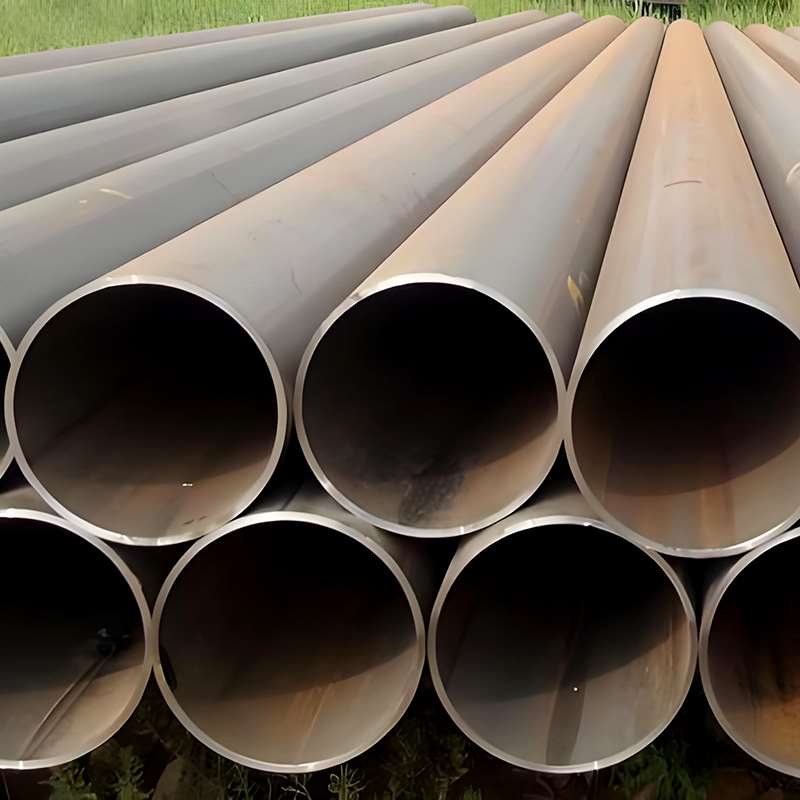
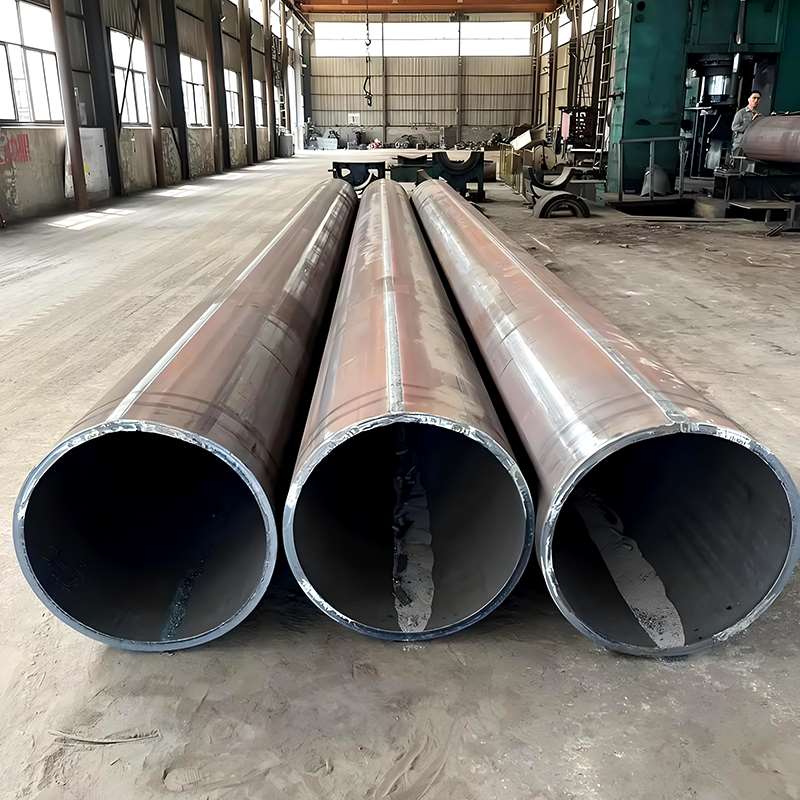
II. Verifying the Manufacturer’s Production Capacity and Manufacturing Capabilities
When evaluating a manufacturer, you should not rely solely on brochures. Instead, focus on verifying the following key equipment, facilities, and production capabilities:
| Evaluation Criteria | Key Verification Indicators | Description |
|---|---|---|
| Forming Process | JCOE or UOE forming equipment | JCOE is suitable for flexible production across a wide range of specifications, while UOE is better suited for high-volume, standardized production. Verify the press capacity, such as 3,000–9,000 tons. |
| Equipment Size Limits | Maximum outside diameter (OD) and maximum wall thickness (WT) | Confirm whether the manufacturer has a mechanical pipe expander. The expansion process is critical for relieving residual stress and ensuring pipe roundness. |
| Raw Material Supply Chain | Steel plate sources (such as Baosteel, Angang, Shougang, etc.) | Medium- and heavy-gauge steel plate is a prerequisite for producing qualified LSAW steel pipes. Verify whether the manufacturer has stable partnerships with major state-owned steel mills. |
| Monthly/Annual Production Capacity | Actual delivery volume and current orders | Understand the manufacturer’s monthly shipping capacity to prevent delivery delays caused by smaller manufacturers taking on orders beyond their production capacity. |
III. Quality Standards and Authoritative Certifications
A qualified Chinese LSAW steel pipe manufacturer should have a comprehensive quality management and certification system:
- API 5L Monogram Certification: A key qualification for supplying steel pipes for oil and gas pipelines. Verify that the certification scope covers PSL2 and the required steel grades, such as X52 to X80.
- ISO Management System Certifications: ISO 9001 (Quality Management), ISO 14001 (Environmental Management), and ISO 45001 (Occupational Health and Safety).
- Special Equipment Manufacturing License (TS Certification): A legally required qualification for the domestic manufacture of high-pressure piping, specifically the Manufacturing License for Pressure Piping Components.
- International Project Certifications: Such as EU CE certification (PED / CPR) and DNV certification for offshore and marine engineering.
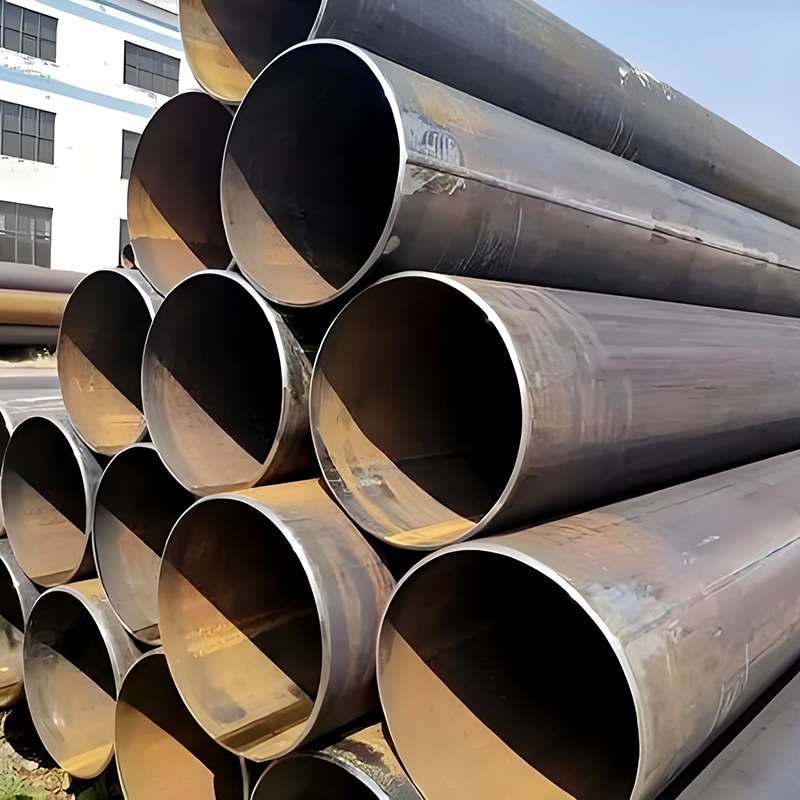
IV. Pre-Shipment Inspection Requirements
A reliable manufacturer should have a comprehensive system for incoming steel plate inspection and finished pipe inspection, and should support international third-party inspection:
Incoming Plate UT Inspection ➔ Welding Process Control ➔ 100% Weld Seam UT + RT Inspection ➔ 100% Hydrostatic Testing of Each Pipe ➔ Dimensional/Geometric Tolerance Inspection ➔ TPI Third-Party Inspection / Shipment
- Raw Material Inspection: Ultrasonic testing (UT) of steel plates to detect and prevent lamination defects.
- Non-Destructive Testing (NDT):
- 100% Weld Seam Ultrasonic Testing (UT): To detect internal defects in weld seams.
- 100% Weld Seam Radiographic Testing (RT): Film or digital imaging records should be retained for third-party review.
- Pipe-End UT Inspection: To prevent defects in the bevelled areas of the field-welding zones.
- Hydrostatic Testing of Each Pipe: The hydrostatic test pressure and holding time should comply with API 5L or the project’s design requirements.
- Physical and Mechanical Testing Capabilities: The manufacturer’s in-house laboratory should be equipped to perform tensile tests, bend tests, Charpy V-notch impact tests at low temperatures, and DWTT (Drop Weight Tear Test).
V. 5 Essential Questions Buyers Should Ask During an RFQ or Factory Audit
- “Does your factory use the JCOE or UOE process? Is it equipped with a full-length mechanical pipe expansion process?”
(To verify the manufacturer’s ability to control pipe geometry and relieve residual stress.) - “Can you provide API 5L PSL2 MTCs issued by a CNAS-accredited laboratory in accordance with EN 10204 3.1 or 3.2?”
(To ensure the validity and credibility of the quality documentation.) - “Does the final inspection include 100% RT and UT testing? How long are the radiographic films and inspection data retained?”
(To verify quality traceability.) - “Does the factory accept third-party inspection (TPI) by organizations such as BV, SGS, Intertek, or DNV for on-site supervision and random inspections?”
(To assess the manufacturer’s confidence in its own quality control.) - “For anti-corrosion coatings such as 3LPE, FBE, or coal tar epoxy, does the factory have its own coating line, or is the coating process outsourced?”
(Integrated pipe manufacturing and coating can reduce logistics costs and minimize the risk of damage during transportation and handling.)
VI. Red Flags to Watch for During the Selection Process
- Avoiding questions about the pipe expansion process: Without mechanical pipe expansion, it is difficult to achieve high standards for pipe roundness and straightness, and excessive residual stress may remain in the pipe.
- A price significantly below the market cost of steel: This may indicate the use of low-quality steel plates from small steel mills, delivery with reduced wall thickness, or even the substitution of SSAW steel pipe for LSAW.
- Refusal to accept third-party inspection (TPI): Manufacturers that refuse on-site third-party inspection on the grounds of “commercial confidentiality” or “tight project schedules” should not be considered.
- Failure to provide complete quality certificates or inconsistencies in the documentation: Heat numbers, steel grades, or impact test results on the MTC may be unclear or impossible to match with the actual material.
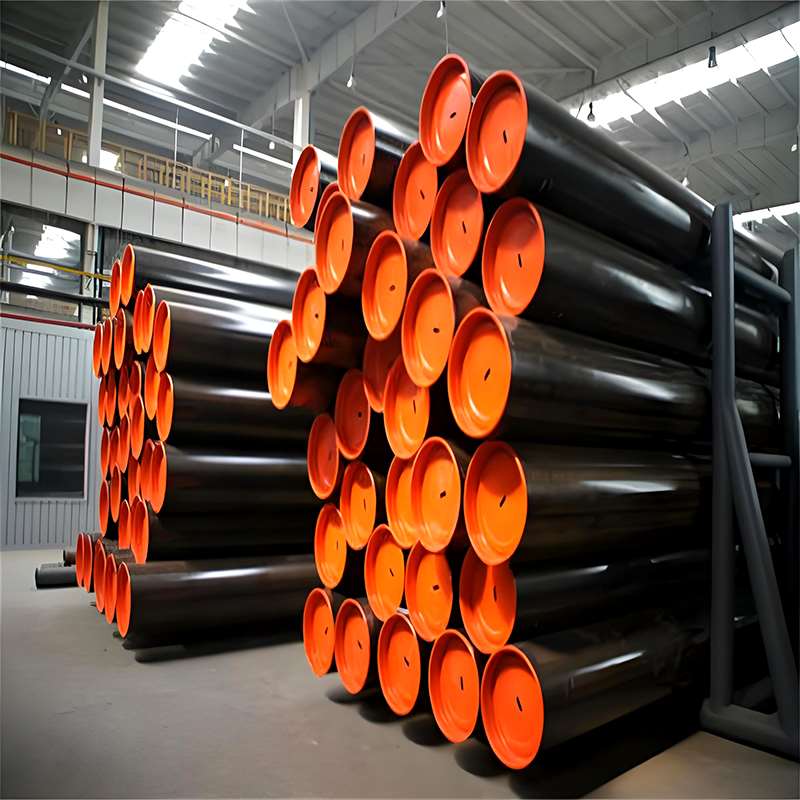
- Minimal anti-corrosion protection and packaging: Large-diameter, heavy-wall steel pipes are extremely heavy. Without proper pipe-end protectors and rust-prevention measures for sea transportation, the pipes may arrive at the destination damaged.