WANRONG
Products
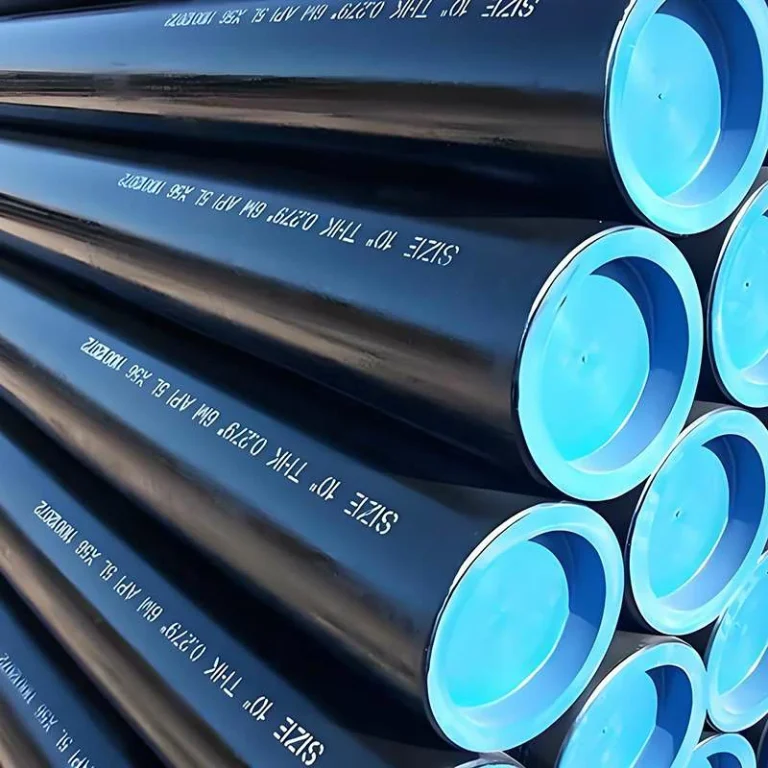
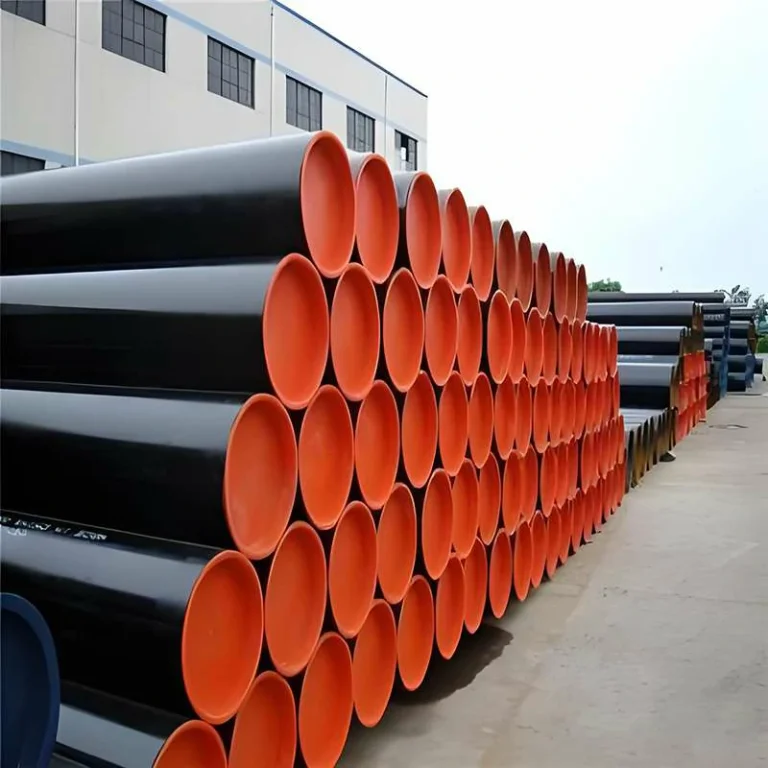
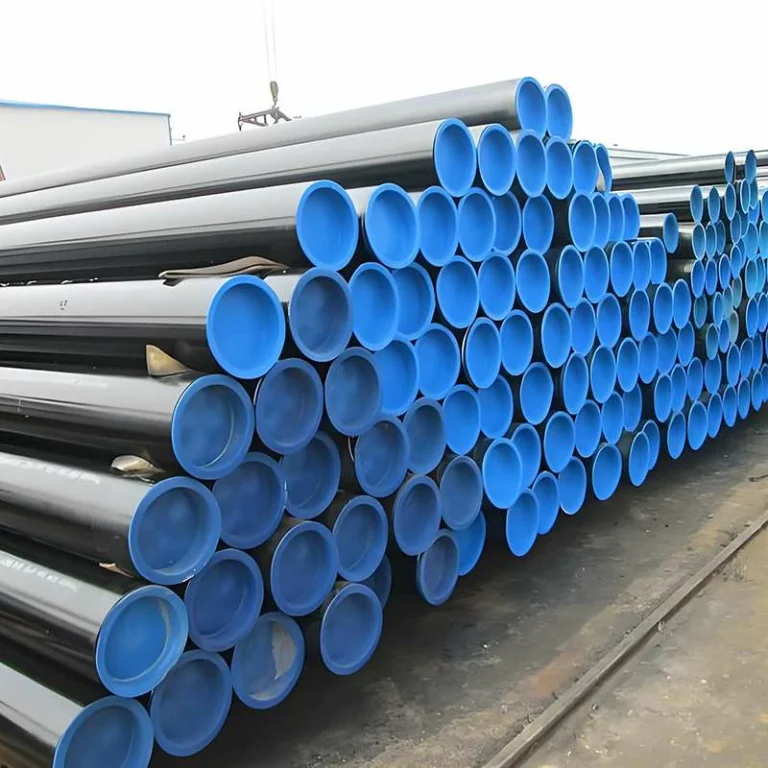
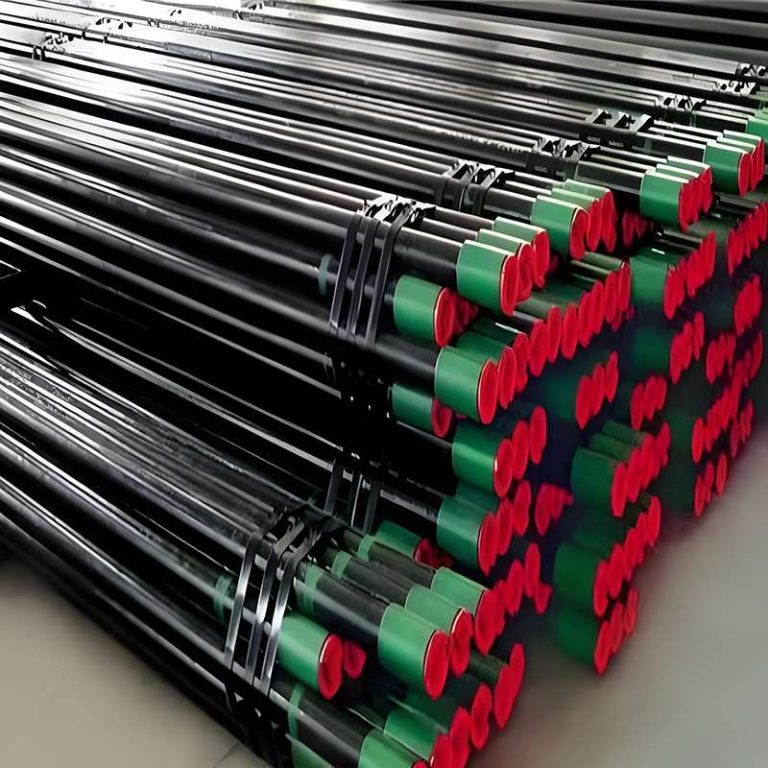
API 5L steel pipe refers to line pipe manufactured in accordance with the API 5L specification established by the American Petroleum Institute (API). It is primarily designed for the transportation of oil, natural gas, water, and other fluid media.
Compared with ordinary carbon steel pipes, API 5L steel pipes have much stricter requirements in terms of material properties, chemical composition, mechanical performance, and testing standards. These stringent requirements ensure safe and reliable operation under high pressure, long-distance transmission conditions, and complex working environments.
API 5L steel pipes are widely used in the following systems:
| Item | PSL1 (Requirements) | PSL2 (Requirements) |
|---|---|---|
| Maximum Sulfur (S) content | ≤ 0.030% | ≤ 0.015% (lower limits required for some grades) |
| Maximum Phosphorus (P) content | ≤ 0.030% | ≤ 0.025% |
| Carbon Equivalent (CE, X-grade pipes) | Generally not mandatory | For X42–X80, typically CE ≤ 0.43 (depending on specification/order) |
| Impact test (Charpy V-notch) | Usually not required | Mandatory |
| Impact test temperature | — | Common: 0°C, -20°C (project specified) |
| Minimum impact energy (typical value) | — | Common ≥ 27J (single specimen requirement; varies by grade) |
| Yield strength range (X52 example) | 360–530 MPa | 360–530 MPa (with tighter batch variation control) |
| Tensile strength (X52 example) | 460–760 MPa | 460–760 MPa (with stricter batch consistency requirements) |
| Dimensional tolerance (OD ≤ 60.3 mm) | ±0.5% or ±0.79 mm (whichever is greater) | Typically stricter: ±0.75% or ±0.5 mm (project PSL2 requirement) |
| Dimensional tolerance (OD > 60.3 mm) | ±0.75% | May require ±0.5% (project-level PSL2) |
| Wall thickness tolerance | -12.5% / +15% | Common requirement: -10% / +12.5% |
| NDT (UT/RT) ratio | Sampling inspection or per contract | Usually 100% weld inspection (especially LSAW/SSAW pipes) |
| Hydrostatic test pressure (formula) | P = 2St/D × 0.60 | P = 2St/D × 0.90 (higher safety factor in some projects) |
| Fracture toughness requirement | Not mandatory | Mandatory (to prevent brittle fracture propagation) |
Key Explanations:
1. Why does PSL2 have a lower sulfur content?
2. The core focus of PSL2 is not strength, but toughness
3. Significance of 27 J impact energy
4. The essence of the difference in hydrostatic testing
| Steel Grade | Yield Strength | Strength Characteristics | Engineering Application |
|---|---|---|---|
| Grade B | ≥ 245 MPa | Basic strength grade | Low-pressure industrial piping systems |
| X42 | ≥ 290 MPa | Low-to-medium strength | Branch transmission pipelines |
| X52 | ≥ 360 MPa | Medium-to-high strength | Commonly used for main oil & gas transmission pipelines |
| X60 | ≥ 415 MPa | High strength | Medium-to-high pressure long-distance pipelines |
| X65 | ≥ 450 MPa | Higher strength with improved toughness | High-pressure pipelines / offshore engineering |
| X70 | ≥ 485 MPa | High-strength line pipe steel | High-pressure long-distance trunk pipelines |
(1) Increased pressure-bearing capacity
For the same wall thickness:
(2) Thinner wall thicknesses are possible
Higher steel grades allow for thinner wall thickness designs:
Result:
(3) Higher steel grades impose stricter requirements on welding and quality control
(1) Grade B (Low-Pressure Systems)
Nature of the Application:
Grade B is not a “budget version of X42,” but rather:
“Structural-grade pipeline steel” for low-pressure systems
Application Limits:
Working pressure: Typically ≤ 2.5 MPa
Does not involve long-distance transportation
Not used for main energy pipelines
Substitution Possibilities:
Cannot replace X52 or higher grades for oil and gas trunk lines
Can replace some low-pressure X42 applications (but is not cost-effective)
(2) X42 / X52 (Primary Industrial Pressure Range)
Engineering Essence:
The “economic range” for low- to medium-pressure oil and gas systems
Typical Pressure Range:
2.5 – 6.5 MPa (Common design range)
The mainstream range for city gas and oilfield gathering and transportation systems
Key Engineering Logic:
X42 → Larger safety margin (conservative design)
X52 → Optimal balance between strength and cost
Why is X52 the most commonly used?
Because at the same pressure:
Wall thickness can be reduced (compared to X42)
Costs do not rise as significantly as with X60
Welding difficulty remains manageable
(3) X60 (High-Pressure Design Range)
Engineering Essence:
The steel grade marking the dividing line between “reducing wall thickness vs. increasing pressure”
Typical Engineering Role:
Not simply “higher strength,” but rather:
“Avoiding excessively thick walls” in high-pressure designs
Engineering Significance:
If X52 continues to be used as a substitute for X60:
Wall thickness will increase significantly
Welding costs will rise
Transportation weight will increase
Therefore, the essence of X60 is:
Exchanging material strength for structural economy.
(4) X65 (Steel Grade for High-Risk Environmental Control)
Engineering Essence:
“Toughness-controlled steel grade,” not merely a strength upgrade
Key Points:
The core of X65 is not greater strength, but rather:
Lower impurity levels (stricter control of S and P)
Higher impact toughness
Better resistance to crack propagation
Used for:
Subsea pipelines
Low-temperature regions
Geologically unstable areas
The key risk is:
“Not burst failure, but uncontrolled crack propagation”
(5) X70
Engineering Essence:
“Extreme Pressure + Extreme Cost Optimization”
The core purpose is not “greater strength,” but rather:
To reduce steel consumption under ultra-high pressure
To lower overall costs for ultra-long-distance transmission
Engineering Characteristics:
Extremely high demands on welding processes
Extremely sensitive to construction quality
Typically used for national-level energy trunk lines
(1) Calculate the pressure first; do not select the steel grade first.
The pressure determines the “minimum steel grade,” not the other way around.
(2) Determine the wall thickness strategy
For the same pressure:
Lower steel grade → Thicker wall
Higher steel grade → Thinner wall
(3) Assess the Risk Environment
The steel grade must be upgraded in the following situations:
Low temperatures (<0°C)
Subsea applications
Corrosive environments
Geologically unstable areas
(4) Cost Optimization
The ultimate goal is not to select the “highest steel grade,” but rather to:
Minimize the overall project cost while ensuring safety.
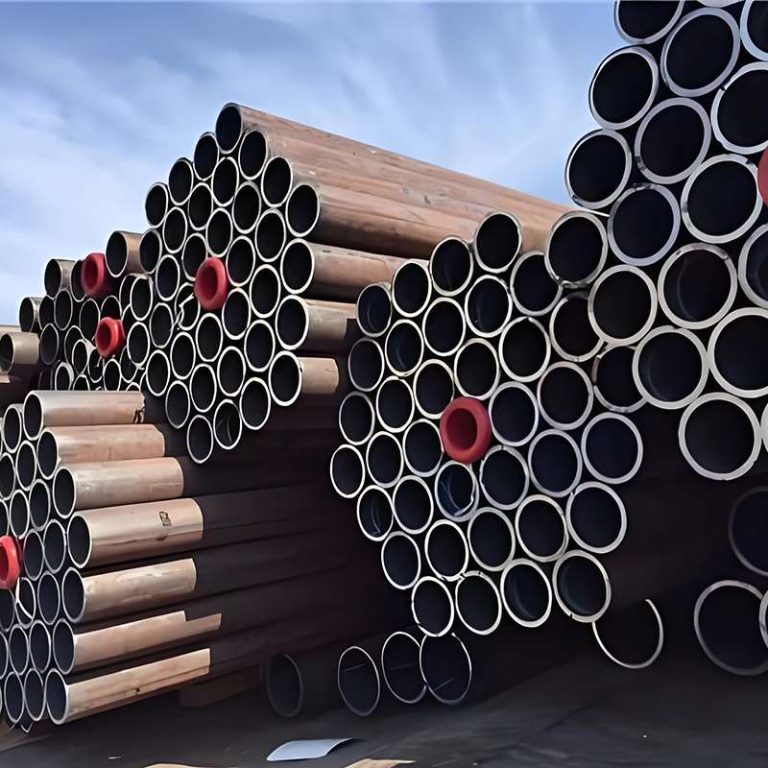
Welded API 5L steel pipes are manufactured by rolling and welding steel plates. They primarily include:
Among these, LSAW and SSAW are widely used in large-diameter, long-distance transmission pipelines.
A:
The key factor in selecting a PSL grade is “risk level,” not cost.
Key Considerations for Engineering Decisions:
Simple Principle:
A:
The steel grade essentially determines the “maximum stress the material can withstand.”
For example:
The engineering significance is not simply that it is “stronger,” but rather:
A:
You can make a preliminary estimate, but this cannot replace engineering design.
Common formula (Barlow’s formula):
Where:
However, actual engineering applications must also consider:
Conclusion:
A:
It’s not a matter of which is “better,” but rather that “structural constraints necessitate an upgrade.”
An upgrade in steel grade is required when the following conditions apply:
Core logic:
A:
Don’t just look at price or certificates; instead, assess whether the supplier has “the capability to deliver on engineering projects.”
Reliable suppliers typically possess the following capabilities:
Core evaluation criterion:
“Whether the supplier can pass acceptance inspections for international engineering projects,” rather than “whether they can provide a quote.”