Q1: What’s the difference between P91 and P92, and which one should I choose?
A1:
Both P91 and P92 are suitable for high-temperature, high-pressure steam pipelines, but P92 has higher strength and better creep resistance, making it suitable for main steam pipes and reheat pipes; P91 is suitable for medium- and high-temperature auxiliary steam pipes or non-critical pipelines. The selection should be based on the pipeline pressure, temperature, and criticality.
Q2: How to choose the pipe wall thickness?
A2:
The wall thickness selection is mainly determined by the pipeline’s design pressure, temperature, and service life. Generally, engineering designs will refer to standard formulas or pressure rating tables for calculation. Too thin a wall affects safety, while too thick a wall increases cost. It is recommended to select the appropriate thickness based on the operating conditions and standard wall thickness tables.
Q3: How to choose the standard ASTM / GB / EN / JIS?
A3:
For domestic projects, GB/T 5310-2017 is a good choice.
For international or export projects, ASTM A335 / ASME SA335 or EN 10216-2 are good choices.
For special projects exported to Japan, JIS G4105 is a good choice.
The main considerations for standard selection are engineering specifications, project acceptance, and contract requirements.
Q4: Do high-temperature pipelines require corrosion protection? How to choose a corrosion protection solution?
A4:
High-temperature alloy boiler tubes are generally resistant to high-temperature oxidation, but corrosion protection is still necessary in outdoor or humid environments. Common solutions:
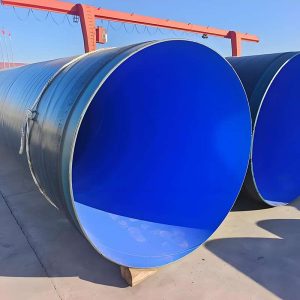
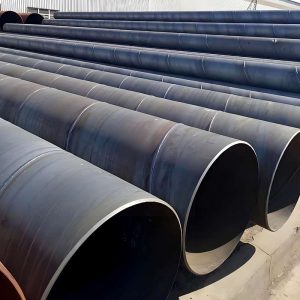
Outdoor pipelines: PE/PP coating or black paint for corrosion protection
Indoor pipelines: Rust-proof paint is sufficient
Internal steam pipes: Epoxy or ceramic coating is optional
The selection should be based on the operating temperature, humidity, and corrosiveness of the medium.
Q5: What are the differences between long and short pipe selection?
A5:
Long pipes (≥11 m) reduce the number of welds, but are more difficult to transport and install.
Short pipes (standard 5.8–6 m) are easier to transport and more flexible to install, but have more welds, increasing welding costs and maintenance difficulty.
Selection should consider factory transportation capacity, on-site installation conditions, and economic factors.
Q6: How to verify the reliability of purchased pipe materials?
A6:
Request the supplier to provide a Certificate of Quality (MTC), including chemical composition, mechanical properties, dimensions, and non-destructive testing report.
Check whether the pipe materials have undergone heat treatment, non-destructive testing (UT/RT/MT), and surface anti-corrosion treatment.
For critical pipelines, third-party testing or witnessed inspection can be requested.
This ensures the long-term safe use of the pipe materials under high temperature and high pressure conditions.