WANRONG
Products
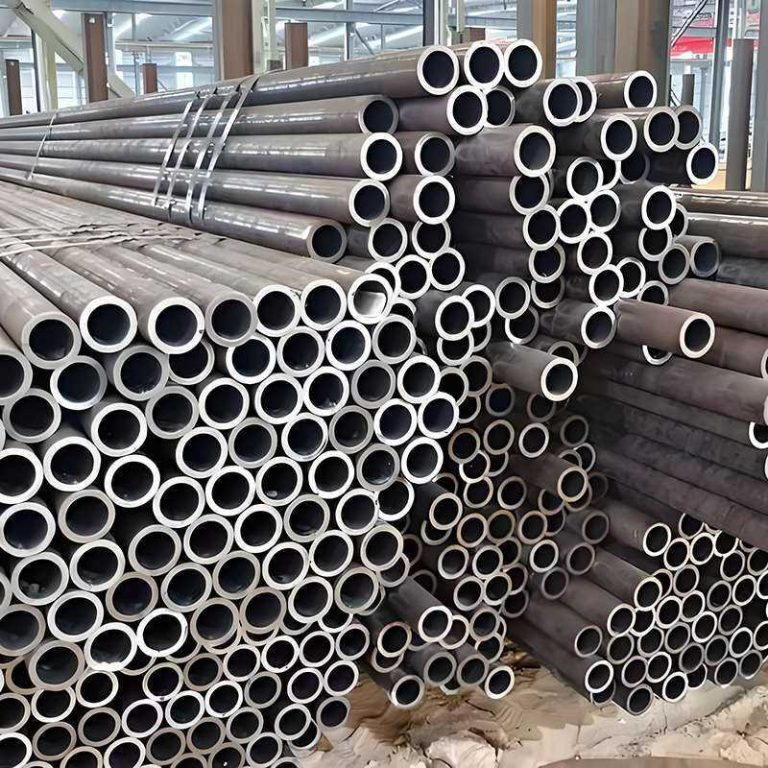
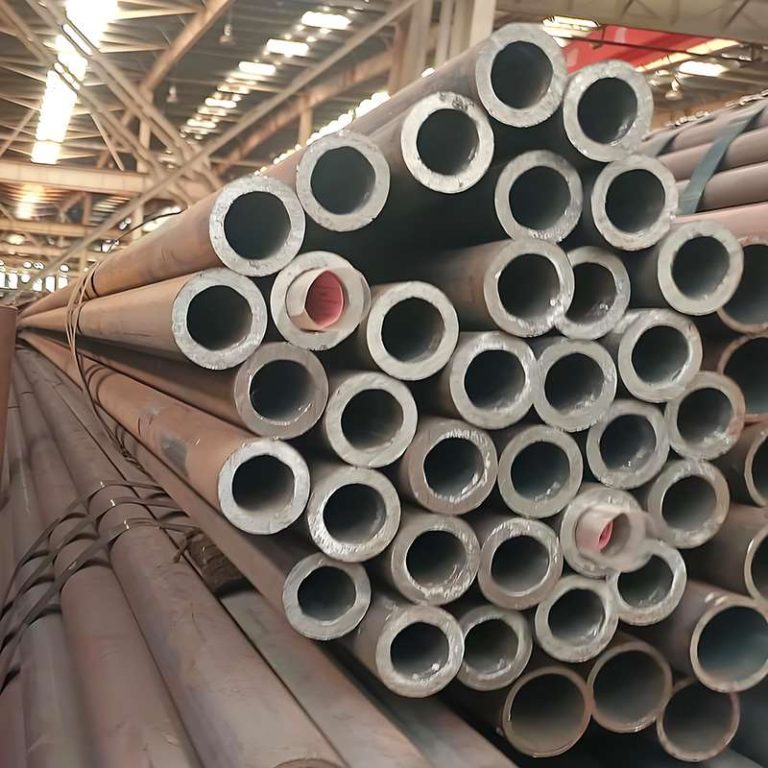
Seamless steel pipes are one of the essential base materials in oil and gas transmission systems. Due to their seamless construction, they can maintain stable performance under high pressure, high temperature, and complex geological conditions, making them widely used in petroleum and natural gas transportation projects.
In the oil and gas industry, pipeline systems are required to operate under long-term high-pressure fluid transmission. Compared with welded steel pipes, seamless steel pipes offer higher safety and reliability, which makes them the preferred solution for long-distance oil and gas transmission projects.
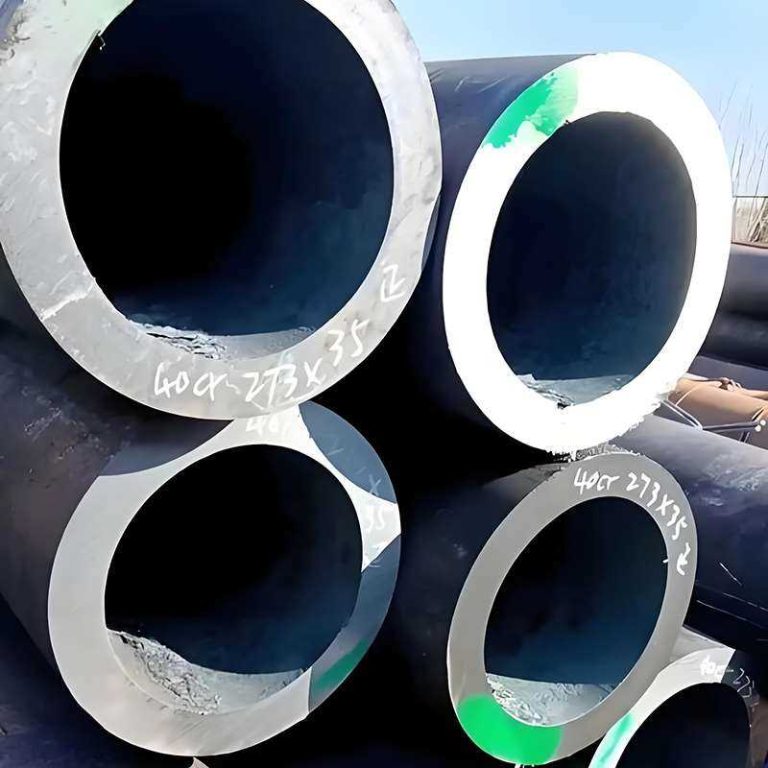
Seamless steel pipes are formed by piercing and rolling a solid steel billet, eliminating the structural weaknesses associated with welds and enabling them to withstand internal pressure uniformly.
Compared to welded steel pipes, their advantages include:
Under the API 5L standard system, high-grade (e.g., X52, X60, X65, X70) seamless steel pipes can meet the demands of long-distance, high-pressure transmission.
In oil and gas engineering, pipeline failure often stems from weld defects or localized stress concentrations.
Since seamless steel pipes have no welded joints:
Oil and gas projects typically involve complex geographical environments, such as deserts, sub-zero regions, and offshore platforms.
Seamless steel pipes demonstrate excellent environmental adaptability:
Particularly suitable for: onshore oilfields, subsea pipelines, and LNG-related systems.
For oil and gas engineering projects, material costs represent only a portion of the overall costs; maintenance and replacement costs are even more critical.
The long-term advantages of seamless steel pipes include:
| Standard System | Standard Name | Common Grades / Levels | Application Scenarios |
|---|---|---|---|
| API 5L | Line Pipe Standard | GR. B / X42 / X52 / X60 / X65 / X70 | Oil and gas long-distance transmission pipelines, gathering and transportation systems |
| ASTM A106 | Seamless Carbon Steel Pipe for High-Temperature Service | Grade A / B / C | Refineries, high-temperature and high-pressure systems |
| ASTM A53 | General Purpose Steel Pipe Standard | Grade A / B | Water, gas, structural applications, and low-pressure transmission |
| EN 10216 | European Standard for Seamless Pressure Pipes | P235GH / P265GH / P355GH | European engineering projects, pressure piping systems |
| ISO 3183 | International Standard for Line Pipe | L245 / L290 / L360 / L415 / L450 | International oil and gas pipeline projects |
The hot-rolling process—which involves heating the steel billet, piercing, and rolling—is the fundamental and most widely used method for producing seamless steel pipes.
Engineering Benefits:
Typical Applications: Onshore oilfield gathering and transportation networks; foundation sections of long-distance pipelines
The cold-drawing process involves secondary processing following hot rolling, further enhancing the dimensional accuracy and surface quality of the tubes.
Engineering Benefits:
Typical Applications: High-pressure transmission systems, precision industrial piping, and critical equipment connection lines
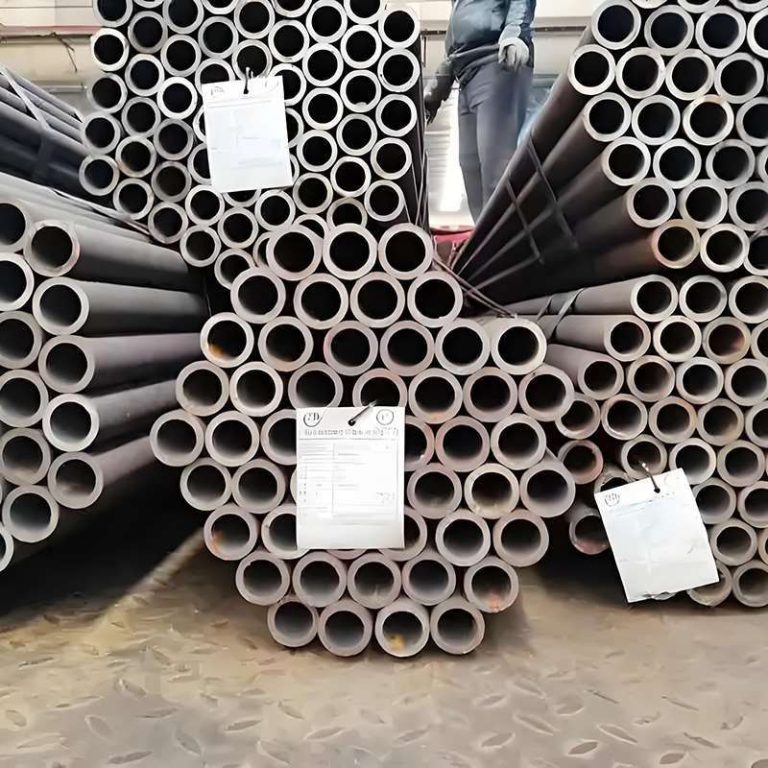
After seamless steel pipes are manufactured, they typically undergo systematic heat treatment and rigorous inspection to ensure the material meets the requirements of oil and gas industry standards.
Key Functions:
The inspection system includes:
Used in oilfield gathering and transportation systems and long-distance energy transmission trunk lines.
Project Characteristics:
Selection Criteria:
Used in offshore oil and gas extraction and subsea transportation projects.
Engineering Characteristics:
Rationale for Selection:
Used for internal piping and process system connections within refining and petrochemical facilities.
Project Characteristics:
Application Rationale:
Used for oilfield enhanced production and pressure maintenance systems.
Project Characteristics:
Selection Rationale:
Used in cross-regional natural gas trunk pipeline networks.
Project Characteristics:
Rationale for Selection:
| Inspection Item | Test Purpose | Common Standards / Methods | Engineering Significance |
|---|---|---|---|
| Chemical Composition Analysis | To verify whether the steel composition complies with API/ASTM requirements | Spectral Analysis | Ensures correct material grade and prevents material mix-up risks |
| Tensile Test | To determine yield strength and tensile strength | ASTM A370 / ISO 6892 | Confirms whether the steel pipe meets pressure design requirements |
| Impact Test | To evaluate low-temperature toughness and resistance to brittle fracture | Charpy V-Notch Test | Ensures safe operation in low-temperature or arctic environments |
| Hydrostatic Test | To verify pressure-bearing capacity and sealing performance | API 5L / ASTM A530 | Prevents pipeline burst and leakage risks |
| Ultrasonic Testing (UT) | To detect internal defects such as cracks and inclusions | ISO 10893 / ASTM A388 | Ensures structural integrity of the pipe body |
| Magnetic Particle Testing (MT) | To detect surface crack defects | ASTM E709 | Identifies surface microcracks and improves operational safety |
| Dimensional Inspection | To check accuracy of outer diameter, wall thickness, and length | ISO 1127 / ASTM A450 | Ensures installation compatibility and construction accuracy |
| End Inspection | To inspect bevel quality and pipe end condition | API 5L / EN 10204 | Ensures welding quality and connection reliability |
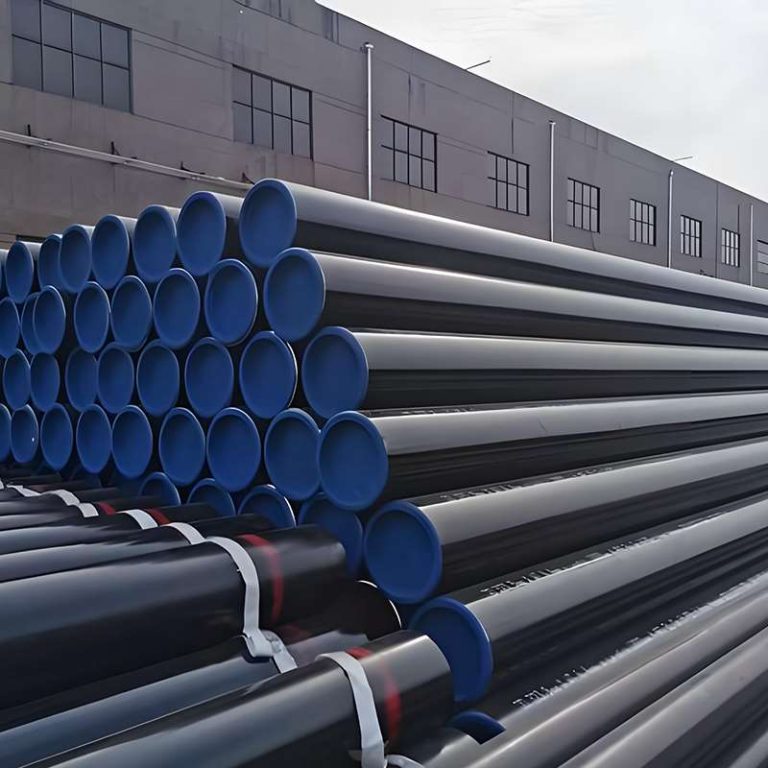
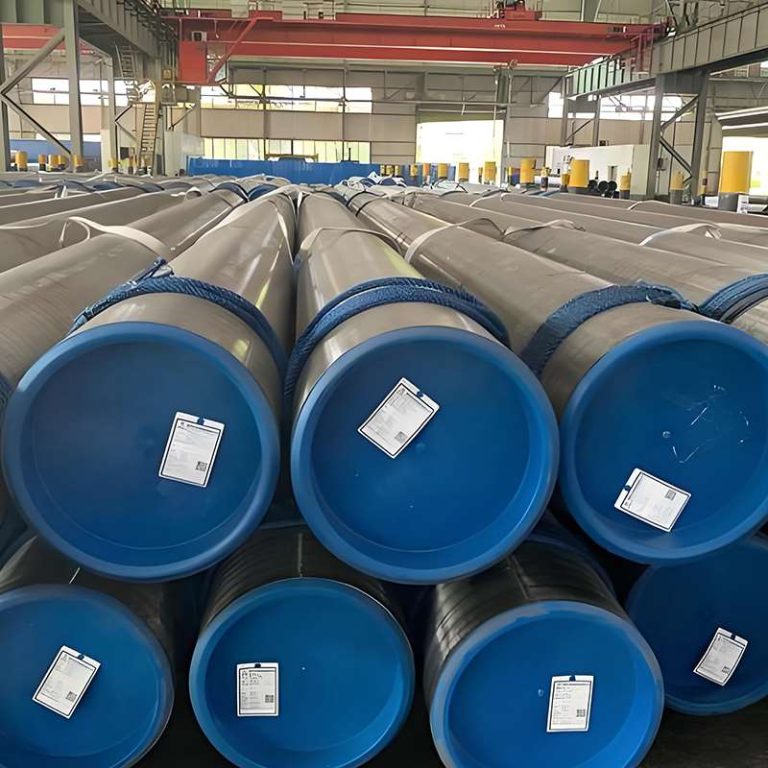
During transportation and loading/unloading operations, pipe ends are among the most vulnerable areas to damage.
Protective measures include:
Engineering value: Ensures that pipes can be directly used for on-site welding upon arrival.
For international sea freight with long transit times and high humidity conditions:
Protective measures include:
Engineering value: Ensures that steel pipes remain in stable condition throughout transportation without affecting performance.
To prevent deformation or impact damage during transportation:
Packaging methods include:
Engineering value: Reduces transportation losses and ensures dimensional accuracy.
Depending on project requirements, multiple export shipping solutions are available:
Engineering value: Meets the delivery requirements of global oil and gas projects.
Q1: What are seamless steel pipes mainly used for in the oil and gas industry?
Seamless steel pipes are primarily used in critical applications such as high-pressure oil and gas transmission pipelines, offshore drilling platforms, refinery facilities, and natural gas transportation systems. They are suitable for environments with high requirements for safety and operational stability.
Q2: Why are seamless steel pipes preferred over welded steel pipes in oil and gas projects?
Seamless steel pipes have no welded seam structure, eliminating risks such as weld cracking and stress concentration. Therefore, they offer higher reliability in high-pressure, long-distance, and high-safety-grade oil and gas applications.
Q3: How to select API 5L steel grades (GR. B / X52 / X70)?
Different grades correspond to different strength levels:
The selection depends on project design pressure and applicable specification requirements.
Q4: Are seamless steel pipes suitable for high-pressure environments?
Yes. Seamless steel pipes are specifically designed for high-pressure transmission systems and are widely used in oil and gas long-distance pipelines, as well as high-pressure water injection and gas injection systems.
Q5: Why is strict inspection required for oil and gas pipelines?
Oil and gas pipelines are high-risk transmission systems. Strict inspection ensures that material strength, toughness, and internal quality fully comply with relevant standards, thereby minimizing leakage risks and operational hazards.