WANRONG
Products
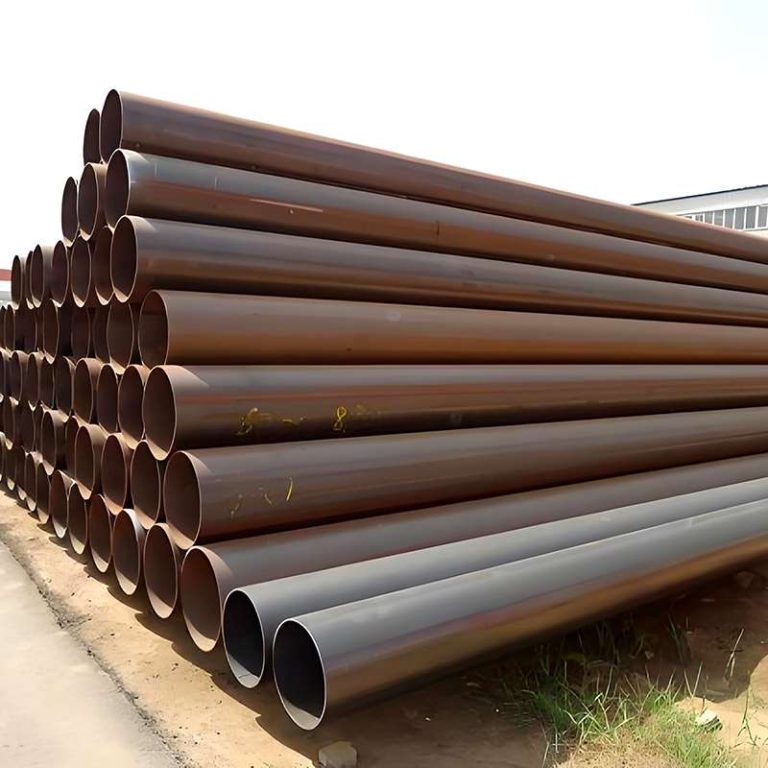
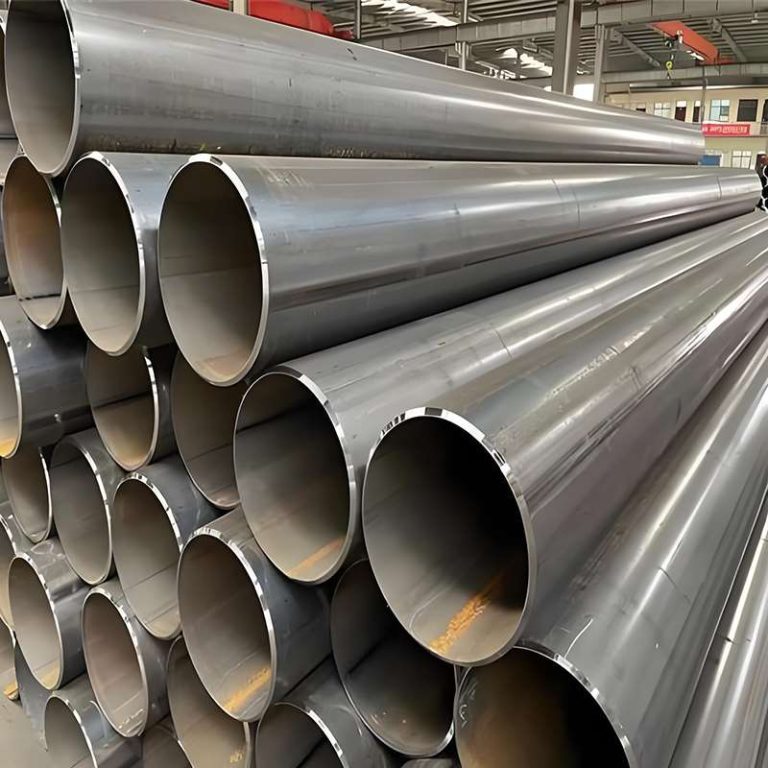
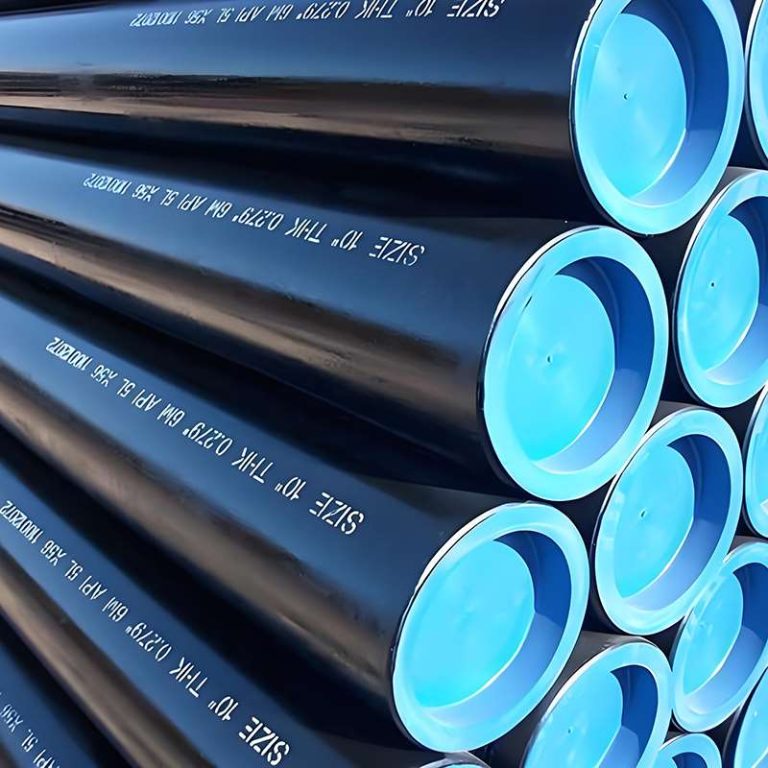
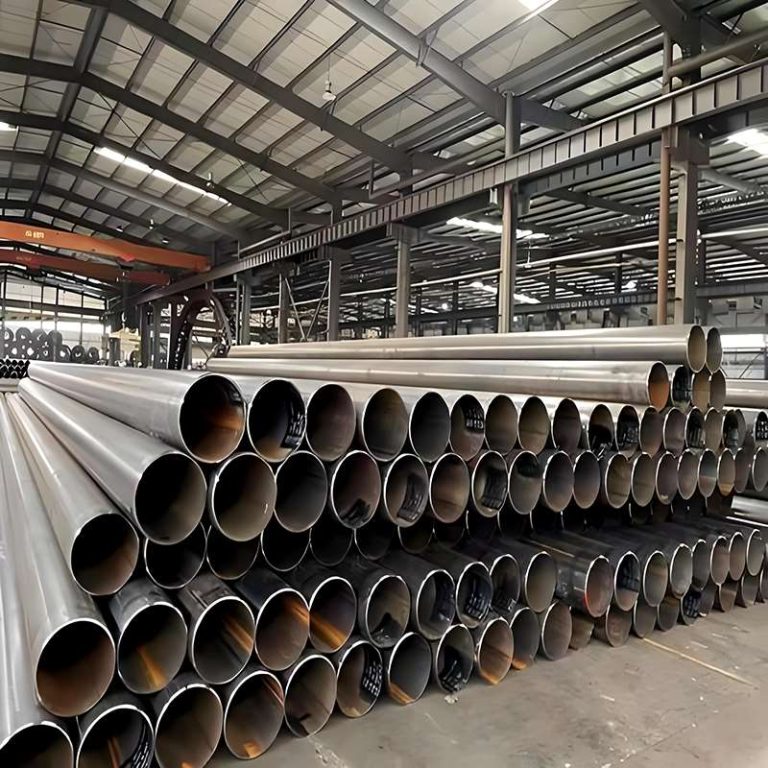
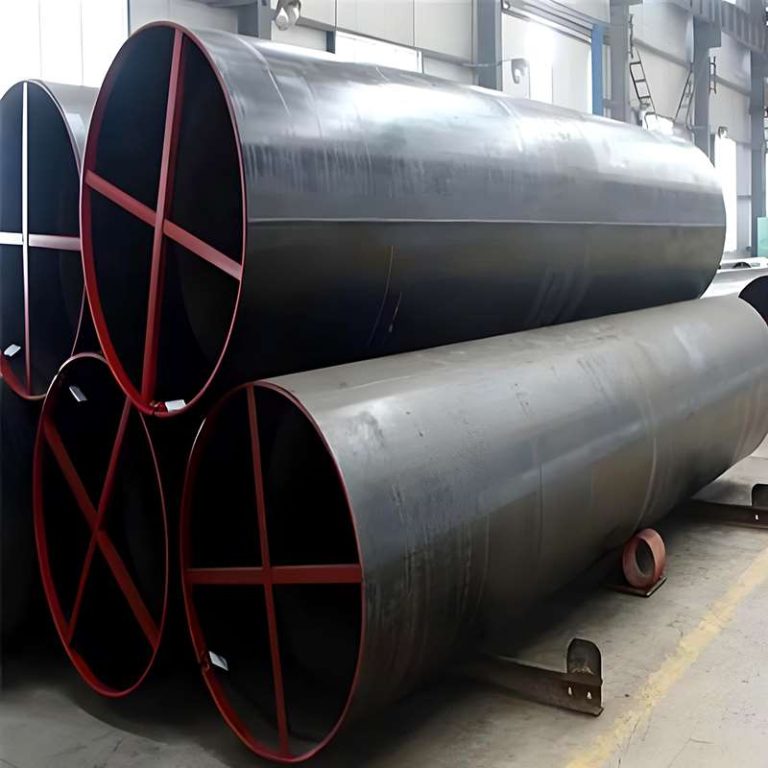
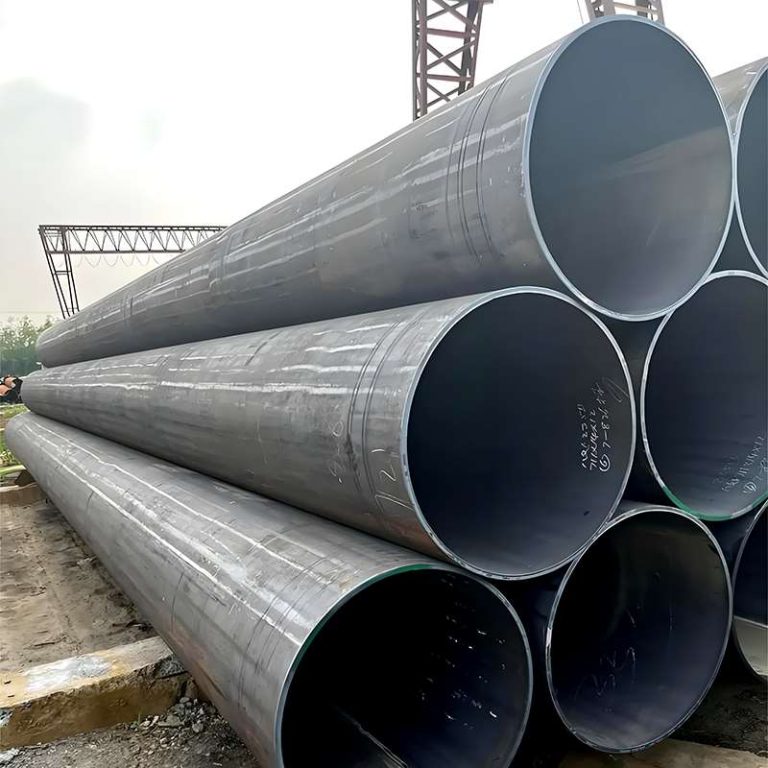
LSAW steel pipe is a large-diameter welded pipe manufactured by forming steel plates and applying the submerged arc welding (SAW) process.
In engineering applications, LSAW steel pipe is not merely a “pipe product,” but an engineering material designed to address the following challenges:
To achieve an optimal balance between safety, cost efficiency, and structural performance in large-diameter, medium- to high-pressure transmission systems.
Compared with seamless steel pipes, LSAW pipes offer greater cost efficiency in large-diameter applications. Compared with spiral welded pipes, their straight-seam welded structure provides more stable strength performance and higher consistency.
When selecting LSAW steel pipes, many procurement professionals tend to focus primarily on price or steel grade. However, in real engineering applications, the manufacturing process and quality control level are the true determinants of pipeline safety and service life.
The weld seam is the most critical risk area in LSAW steel pipes.
If welding control is unstable, it may lead to:
Therefore, welding processes and post-weld inspection directly determine whether the pipeline is suitable for high-pressure systems.
Poor pipe roundness or dimensional deviation can result in:
High-quality LSAW steel pipes significantly reduce uncertainties during field installation.
A complete inspection system (UT / RT / hydrostatic testing) is not only a factory acceptance requirement, but also a critical safeguard for project lifecycle performance.
Steel pipes without strict inspection may appear acceptable in the short term, but are more likely to reveal hidden defects during long-term operation.
For medium- to high-pressure, large-diameter, or long-distance transmission systems, LSAW steel pipe is generally the preferred solution.
Operating conditions → Pipe structural type → Steel grade and wall thickness
Rather than selecting in reverse based solely on price or steel grade, the selection process should always start from actual service conditions and engineering requirements.
| 项目 | 参数范围 | 说明 |
|---|---|---|
| Outer Diameter (OD) | 406 mm – 1422 mm (custom larger sizes available) | Suitable for large-diameter transmission systems |
| Wall Thickness (WT) | 6 mm – 50 mm | Adjustable according to pressure rating and design requirements |
| Length | 6 m / 12 m / customized length | Supports project-specific fixed-length production |
| End Type | Plain end / Beveled end | Facilitates on-site welding and connection |
| Welding Type | Double-sided Submerged Arc Welding (DSAW / SAW) | Ensures weld strength and consistency |
| Manufacturing Process | UOE / JCOE forming process | Determines roundness and structural stability |
| Category | Standards / Grades | Application Notes |
|---|---|---|
| API Standards | API 5L Gr. B/X42/X52/X60/X65/X70 | The most widely used standard system for oil and gas transmission pipelines |
| ASTM Standards | ASTM A671 / A672 | Suitable for low-temperature and high-pressure welded pipeline systems |
| European Standards | EN 10219 / EN 10217 | Structural steel pipes and pressure piping systems |
| Steel Grade Selection Logic | Low steel grade → low/medium pressure systems; High steel grade → medium/high-pressure systems | Selection based on operating pressure level and safety requirements |
| Quality Certifications | API 5L / ISO 9001 / Third-party inspection | Required for project bidding, approval, and final acceptance processes |
| Comparison Dimension | LSAW Steel Pipe | SSAW Spiral Welded Pipe | ERW High-Frequency Welded Pipe | Seamless Steel Pipe |
|---|---|---|---|---|
| Manufacturing Process | Longitudinal Submerged Arc Welding (LSAW) | Spiral Submerged Arc Welding (SSAW) | High-Frequency Electric Resistance Welding (ERW) | Hot piercing & seamless rolling process |
| Applicable Diameter Range | Medium to large diameter (mainstream large-diameter pipes) | Ultra-large diameter | Small to medium diameter | Small to medium diameter |
| Pressure Bearing Capacity | High | Medium | Medium | Very high (for small diameters) |
| Cost Level | Medium | Low | Low | High |
| Weld Seam Structure | Single straight longitudinal weld seam | Helical (spiral) weld seam | Straight weld seam | No weld seam |
| Structural Reliability | High | Medium | Medium | Very high |
| Typical Applications | Oil & gas / municipal engineering / structural applications | Water transmission / low to medium pressure pipelines | Construction / general fluid transport | High-pressure small-diameter systems |
When the answers lean toward “yes,” LSAW steel pipes typically become the preferred option.
| Inspection Stage | Inspection Item | Purpose (Simple Explanation) | Engineering Significance |
|---|---|---|---|
| Raw Material Stage | Chemical Composition Analysis | Confirms whether steel meets standard requirements | Prevents material non-conformance and later failure |
| Raw Material Stage | Ultrasonic Testing (UT) | Checks for internal defects in steel plates | Prevents defective materials from entering production |
| Manufacturing Process | Forming Dimensional Control | Controls roundness and geometric accuracy | Ensures smooth field installation |
| Manufacturing Process | Welding Process Control (SAW) | Ensures continuous and stable weld quality | Improves pressure-bearing safety |
| Weld Inspection | Ultrasonic Testing (UT) | Detects internal weld defects | Avoids hidden welding issues |
| Weld Inspection | Radiographic Testing (RT) | Verifies internal weld integrity | Enhances reliability in high-pressure systems |
| Finished Product Inspection | Hydrostatic Test | Simulates real working pressure conditions | Ensures pressure-bearing capacity of the pipe |
| Finished Product Inspection | Dimensional & Visual Inspection | Checks wall thickness, ovality, etc. | Ensures installability and construction compatibility |
A series of verifiable tests ensures that every steel pipe is safe for use in engineering systems.
We support the stable supply of LSAW steel pipes and the delivery of engineering projects, including:
Yes, but the selection must be based on project-specific engineering design parameters.
In medium- to high-pressure natural gas transmission systems, LSAW steel pipes are typically manufactured using steel grades of API 5L X52 and above. They are also required to undergo strict weld inspection (UT/RT) and hydrostatic testing to ensure long-term operational safety.
Key takeaway:
Suitability for high-pressure service is not determined by “LSAW itself,” but by steel grade, wall thickness, and quality control level.
The selection primarily depends on the pressure rating and cost structure of the project.
Simple rule:
High pressure → LSAW
Cost priority → SSAW
Under standard anti-corrosion systems and normal operating conditions, the designed service life of LSAW steel pipes is typically 20–30 years or more.
The actual service life mainly depends on:
Yes. In fact, they are one of the most commonly used options for long-distance buried pipelines.
However, they must be used together with proper anti-corrosion systems, such as:
Core principle:
LSAW provides structural strength, while the anti-corrosion system ensures long-term durability.
Many buyers focus only on price and steel grade, while overlooking critical engineering factors such as:
Key reminder:
Low price does not guarantee project acceptance. Completeness of quality documentation is equally critical for engineering approval.