Products

Related News

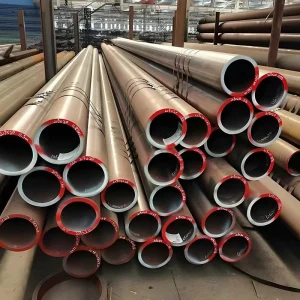
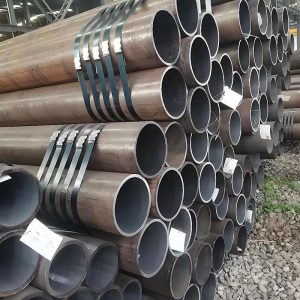
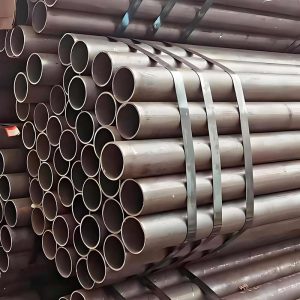
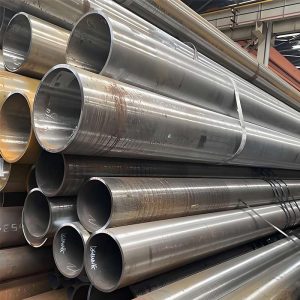
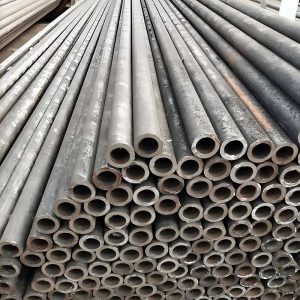
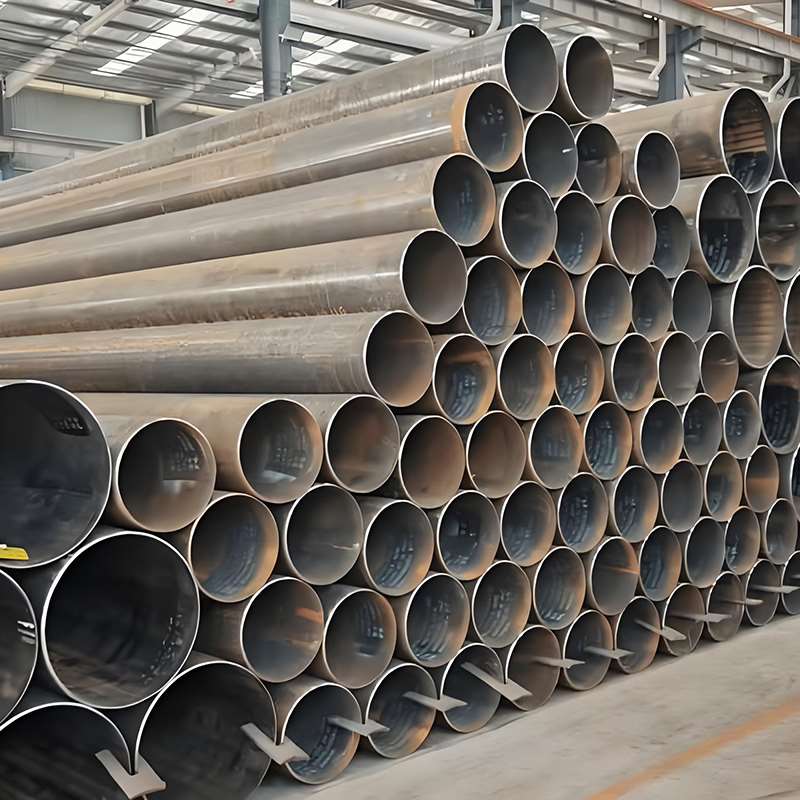
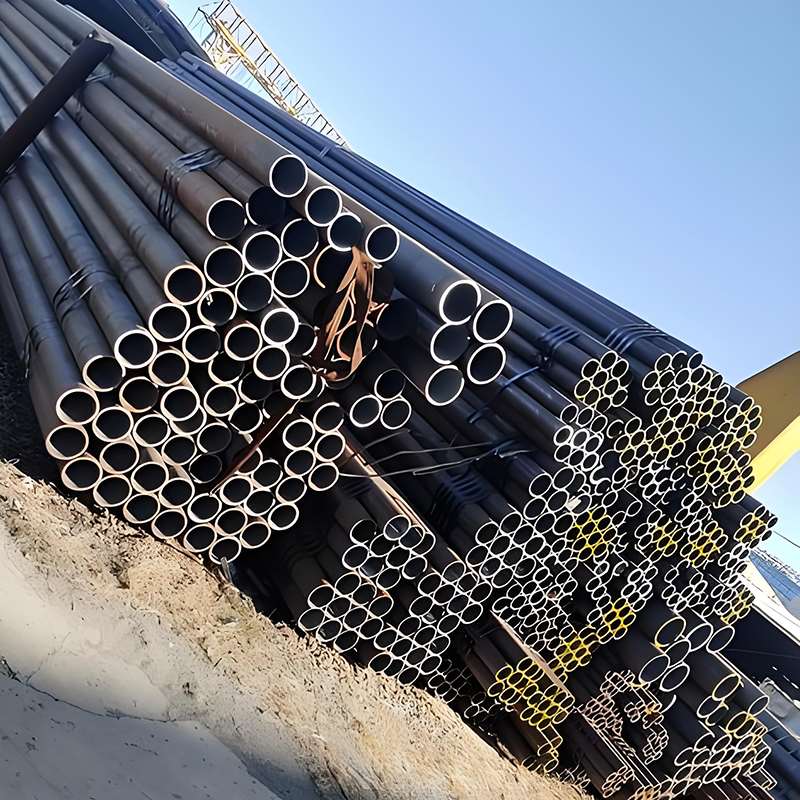
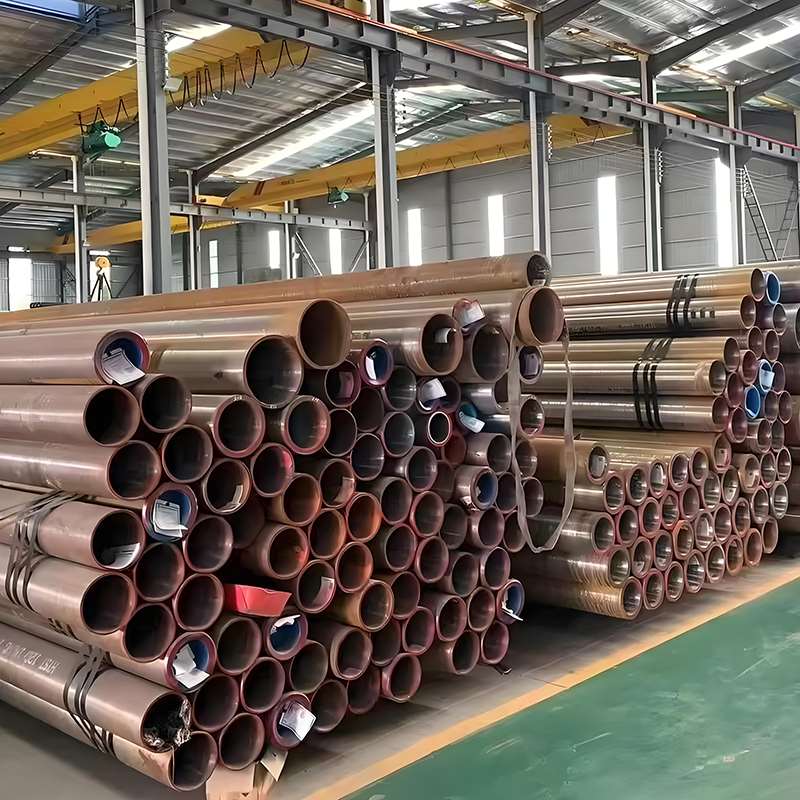
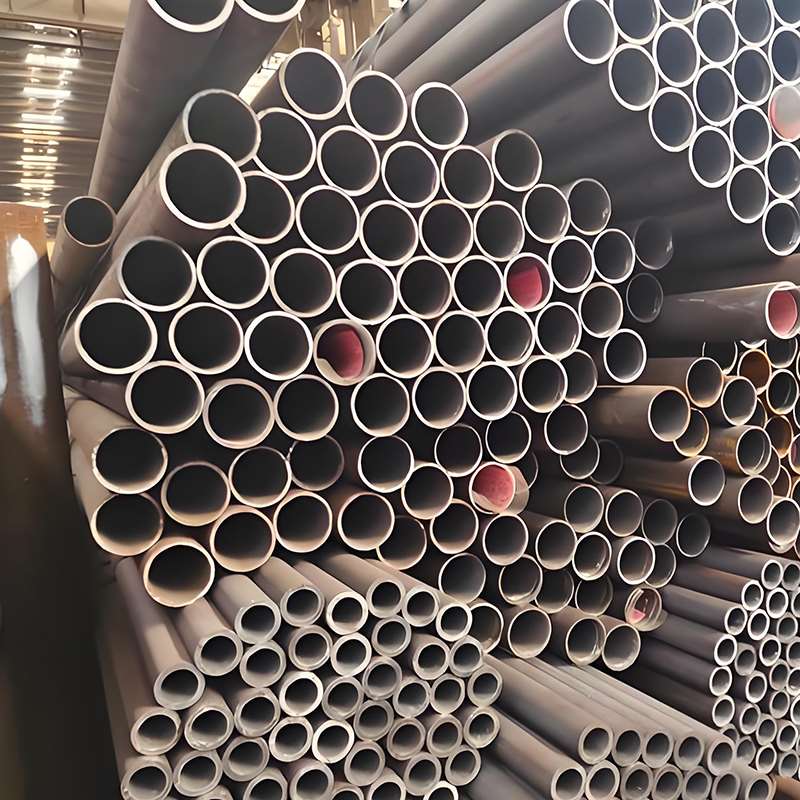
ASME SA192 Boiler Tube

OD Range :

12.7 mm – 168.3 mm(1/2″ – 6″)

WT Range :

1.65 mm – 25 mm

Length :

6m / 9m / 12m

Tolerance :

Outer Diameter: ±0.5% or ±0.10 mm; Wall Thickness: ±10%; Length: +50 / 0 mm

Material :

Carbon Steel,SA192

Standard :

ASME SA192 / ASTM A192

Surface :

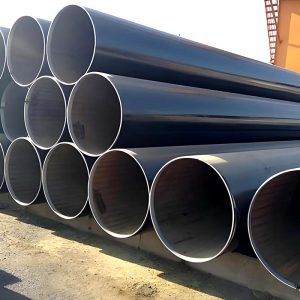
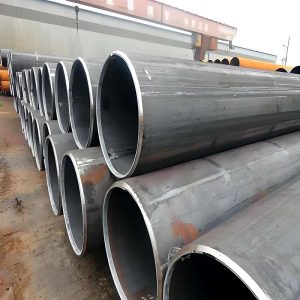
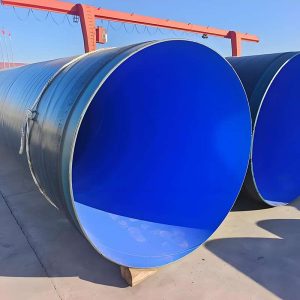
Black Painting, Oiling, Shot Blasting, Pickling, Plastic Coating

Application :

Power Plant Boilers, Industrial Boilers, Heat Exchangers, Condensers, Pressure Vessels

Introduction :

SA192 boiler tube is a type of seamless carbon steel tube used in high-pressure boilers and heat exchange equipment, featuring excellent mechanical properties and high-temperature resistance.

I. Overview of ASME SA192 Boiler Tubes

ASME SA192 seamless boiler tubes are high-quality carbon steel tubes specifically designed for use in high-pressure boilers and heat exchange equipment. Manufactured in accordance with ASME SA192 / ASTM A192 standards, these tubes feature excellent strength, superior high-temperature resistance, and a stable metallurgical structure.

Produced using a seamless manufacturing process, these tubes are capable of maintaining long-term, stable operation under high-temperature and high-pressure conditions. They are widely utilized across various sectors—including power generation, petrochemicals, industrial boilers, and heat exchange systems—serving as a critical material for ensuring the safety and efficient operation of equipment.

II. ASME SA192 Boiler Tube: Chemical Composition and Mechanical Properties

CategoryPropertyParameter Requirement
Chemical CompositionCarbon (C)≤ 0.18%
Manganese (Mn)0.27 – 0.63%
Phosphorus (P)≤ 0.035%
Sulfur (S)≤ 0.035%
Silicon (Si)≤ 0.25%
Mechanical PropertiesTensile Strength≥ 325 MPa
Yield Strength≥ 180 MPa
Elongation≥ 35%

III. ASME SA192 Boiler Tube: Application Conditions and Selection Recommendations

1. Applicable Operating Conditions

ASME SA192 seamless boiler tubes are suitable for medium-to-high temperature and medium-to-high pressure operating conditions, capable of stable operation within a temperature range of 300°C to 500°C. Typical applications include waterwalls in power plant boilers, industrial boiler systems, and various types of heat exchange equipment.

For high-temperature applications such as superheaters (≥450°C), SA192 tubes may be utilized; however, their suitability must be evaluated based on specific design parameters. When temperatures exceed 500°C or pressures are particularly high, the use of higher-grade materials should be considered.
SA192 tubes may also be used in low-temperature and low-pressure environments (such as condensers); however, from a cost-efficiency perspective, more economical alternative materials may be selected.

2. Selection Recommendations Based on Temperature and Pressure

Low Temperature & Low Pressure (≤350°C): The economical SA179 grade is a suitable choice.
Medium Temperature & Medium Pressure (350°C–500°C): SA192 is the optimal choice, offering a balance between performance and cost.
High Temperature & High Pressure (>500°C or High Pressure): It is recommended to use SA210 or alloy steel tubes (e.g., T11, T22).

3. Selection Based on Equipment Application

Boiler Waterwalls / Economizers: SA192 is recommended.
Superheaters / Reheaters: It is recommended to evaluate SA210 or alloy steel tubes.
Heat Exchangers / Condensers: SA192 or SA179 may be used, with the choice depending on cost considerations and operating conditions.

IV. ASME SA192 Boiler Tube Anti-Corrosion Solutions

  1. Surface Protective Oil
  • Applicable Environment: Short-term storage and transportation; indoor or low-humidity environments.
  • Features: Application of rust-inhibiting oil prevents surface oxidation; low cost and simple application.
  • Usage Recommendation: Apply oil during transportation, and use end caps to protect the tube ends.
  1. Black Paint Protection
  • Applicable Environment: Outdoor or short-term warehousing; offers moderate moisture resistance.
  • Features: A layer of black paint is applied to the tube surface; provides effective rust prevention at a moderate cost.
  • Usage Recommendation: Suitable for short-term stacking at project sites; for long-term use, it should be combined with other anti-corrosion measures.
  1. Plastic Coating Protection
  • Applicable Environment: Long-term outdoor storage, or high-humidity/acidic/alkaline environments.
  • Features: A plastic coating (e.g., PE/PVC) is sprayed onto the tube surface; offers strong corrosion resistance and weatherability.
  • Usage Recommendation: Suitable for storage and transportation in high-humidity or coastal regions.
  1. Hot-Dip Galvanizing
  • Applicable Environments: Highly corrosive environments; long-term service applications.
  • Features: The pipe surface is coated with a layer of zinc, providing excellent corrosion resistance.
  • Usage Recommendation: Suitable for projects involving special environments or those with stringent anti-corrosion requirements.
  1. Packaging and Storage Recommendations
  • End Protection: Fit plastic or metal caps over the pipe ends to prevent the ingress of moisture and dust.
  • Stacking Method: Avoid direct contact with the ground whenever possible; utilize wooden sleepers or racks for support.
  • Transport: For long-distance transport, cover the pipes with waterproof tarpaulins and maintain appropriate moisture-proofing measures.
  1. Summary of Anti-Corrosion Solutions
  • Short-Term Storage/Transport: Anti-rust oil or black paint is sufficient.
  • Long-Term Storage/Outdoor Environments: Plastic coating or hot-dip galvanizing is recommended.
Related Products

Outer Diameter OD (mm) Wall Thickness WT (mm) Length (m)
12.7 1.65 6 / 9 / 12
15.9 1.65 6 / 9 / 12
19.1 1.65 6 / 9 / 12
22.2 2.11 6 / 9 / 12
25.4 2.11 6 / 9 / 12
31.8 2.77 6 / 9 / 12
38.1 3.38 6 / 9 / 12
44.5 3.38 6 / 9 / 12
50.8 3.91 6 / 9 / 12
60.3 4.55 6 / 9 / 12
70.0 5.54 6 / 9 / 12
76.1 5.54 6 / 9 / 12
88.9 6.55 6 / 9 / 12
101.6 7.11 6 / 9 / 12
114.3 8.18 6 / 9 / 12
127.0 9.19 6 / 9 / 12
139.7 10.97 6 / 9 / 12
152.4 11.13 6 / 9 / 12
168.3 12.70 6 / 9 / 12

ASME SA192 Standard Description

ASME SA192 / ASTM A192 is a standard for seamless carbon steel tubes specifically designed for low-pressure and medium-to-low-pressure boilers; it is primarily utilized for boiler water tubes and heat exchangers. This standard ensures that the tubing exhibits excellent mechanical properties and stability under conditions of medium-to-low pressure and moderate temperatures.

1. Scope of Application:
Low-pressure boiler water tubes
Industrial boilers and heat exchangers
Medium-to-low pressure steam pipelines

2. Applicable Standard: ASME SA192 / ASTM A192
Establishes strict regulations regarding the chemical composition, mechanical properties, dimensional tolerances, and inspection methods for carbon steel.
Ensures the safe and reliable operation of the tubing under low-pressure boiler operating conditions.

3. Features:
Seamless construction with uniform wall thickness
Moderate strength and excellent high-temperature resistance
Complies with the operational requirements for low-pressure boilers, offering a high level of safety

ASME SA192 Boiler Tube Manufacturing Process Flow

Raw Materials → Heating → Piercing → Rolling & Sizing → Heat Treatment → Straightening & Cutting → Inspection & Quality Control → Surface Treatment & Packaging

Raw Materials: Selection of standard-compliant carbon steel round bars
Heating: Uniform heating to prepare for the piercing and rolling process
Piercing: Formation of a hollow tube shell
Rolling & Sizing: Control of outer diameter and wall thickness; straightening of the tubing
Heat Treatment: Normalizing or annealing to enhance mechanical properties
Straightening & Cutting: Straightening and cutting to specified lengths
Inspection & Quality Control: Chemical composition analysis, mechanical property testing, non-destructive testing, and dimensional inspection
Surface Treatment & Packaging: Application of anti-rust oil, black paint, plastic coating, or galvanizing; end protection caps and bundling for shipment

Inspection Item Inspection Content Technical Requirement / Parameter
Visual Inspection Check for cracks, pores, looseness, shrinkage, scabs, or other surface defects Surface should be smooth and even, with no obvious defects
Dimensional Measurement Outer diameter, wall thickness, length OD tolerance ±0.5% or ±0.10 mm; wall thickness tolerance ±10%; length tolerance +50 / 0 mm
Straightness Check Check if the pipe is bent Straightness deviation ≤1.0 mm/m
Chemical Composition Analysis C, Mn, P, S, Si content Conform to ASME SA192: C ≤0.18%, Mn 0.27–0.63%, P ≤0.035%, S ≤0.035%, Si ≤0.25%
Mechanical Properties Test Tensile strength, yield strength, elongation Tensile strength ≥325 MPa; yield strength ≥180 MPa; elongation ≥35%
Hydrostatic Test Internal pressure test Pipe must withstand pressure without leakage; test pressure usually 1.5× design working pressure
Non-Destructive Testing (UT/ET) Ultrasonic or eddy current testing for wall defects No cracks, delamination, or inclusions allowed
Hardness Test Measure hardness value Must meet standard requirements to ensure stable mechanical performance
Packaging Inspection Packaging integrity, end protection Pipe ends with protective caps; anti-rust oil or coating intact; bundles secured properly


1. What is the difference between SA192 and SA179?

SA192 is primarily used for low-pressure and medium-to-low-pressure boiler water tubes; its temperature resistance and strength are slightly higher than those of SA179, making it suitable for medium-to-low-temperature, medium-pressure boiler systems. SA179 is more economical and is suitable for low-temperature, low-pressure operating conditions.

2. Can SA192 be used for high-pressure boilers?

It is not recommended. SA192 is primarily applicable to low-pressure and medium-to-low-pressure boiler piping; for high-pressure boilers, SA210 or alloy steel tubes should be selected instead.

3. Can the tubing be supplied in cut-to-length sizes?

Yes. The standard lengths are 6m, 9m, and 12m; however, we can also cut the tubing to specific lengths according to customer requirements.

4. Can the pipe surfaces be treated for corrosion resistance?

Yes. We offer various anti-corrosion treatment options—including black paint, rust-preventive oil, plastic coating (PE/PVC), or hot-dip galvanizing—to meet specific requirements for transportation, storage, or special operating conditions.

5. Can you provide third-party inspection reports?

Yes. We can provide third-party inspection reports from agencies such as MTC (3.1/3.2), SGS, and BV to ensure that the materials comply with the ASME SA192 standard.

6. How do I select the appropriate specifications and wall thickness?

The outer diameter and wall thickness should be selected based on the boiler’s operating conditions, pressure, temperature, and the specific equipment application. For common medium-to-low pressure boiler water tubes, wall thicknesses typically range from 1.65 mm to 25 mm, and outer diameters range from 12.7 mm to 168.3 mm; selections can be made by consulting the technical parameter tables and selection guides.