Products

Related News

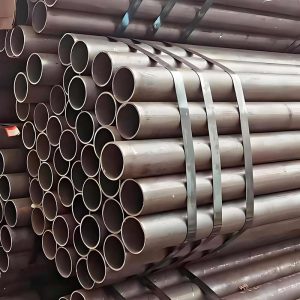
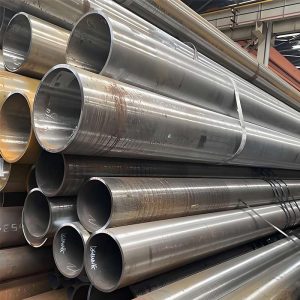
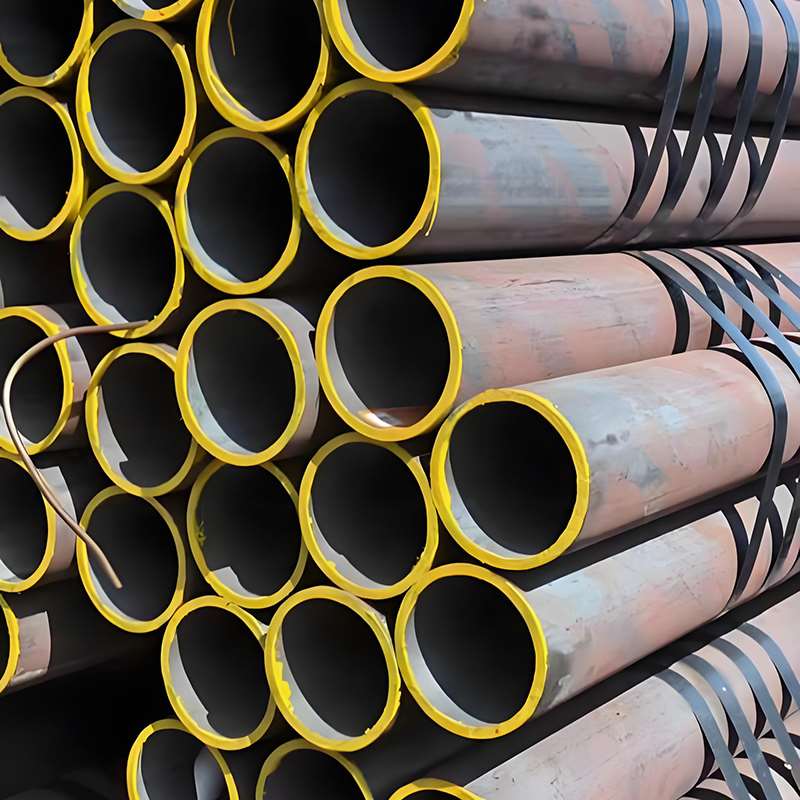
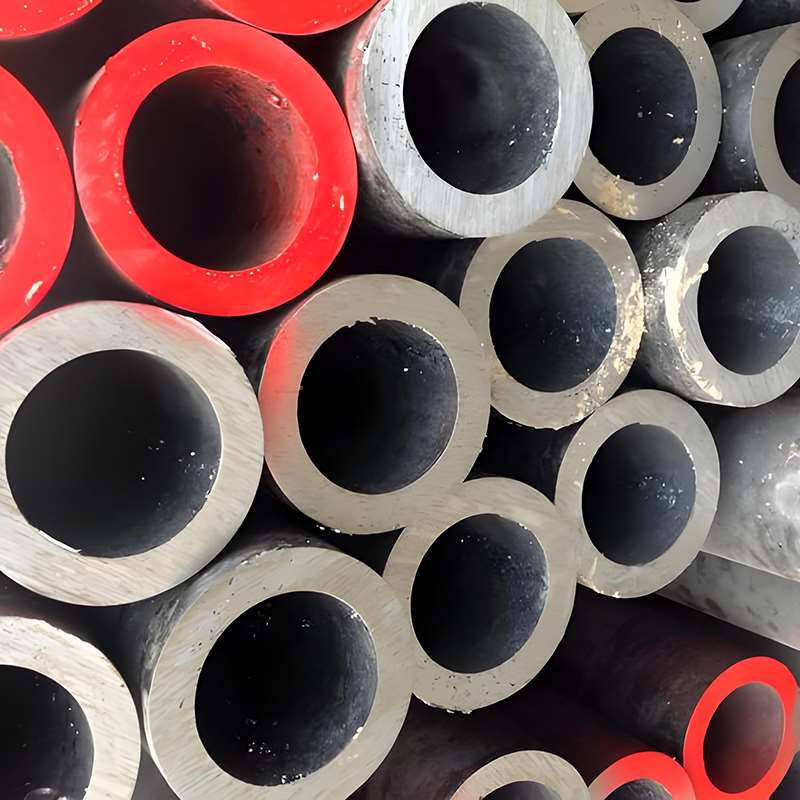
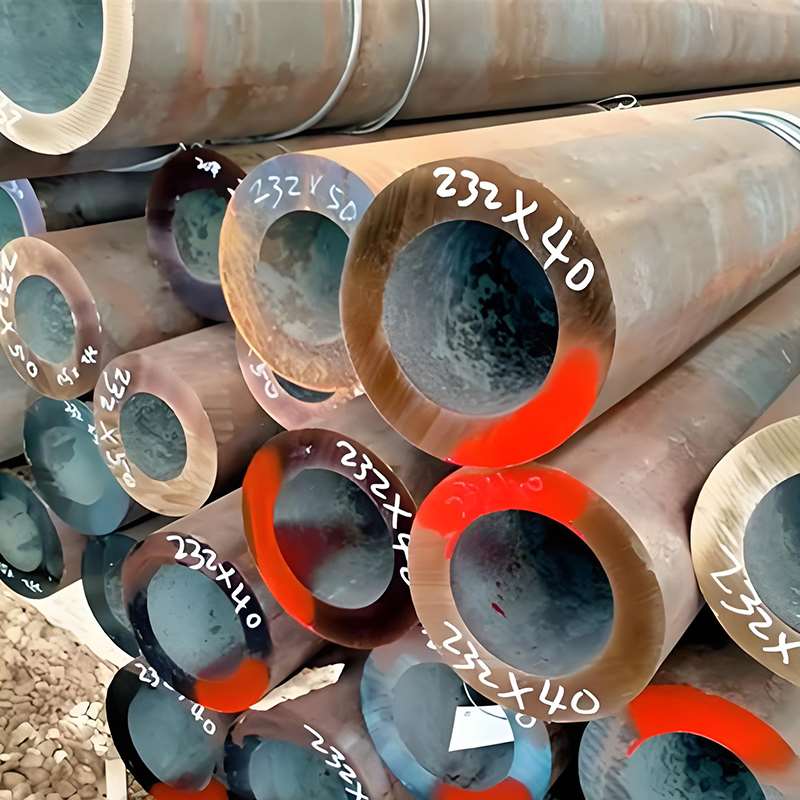
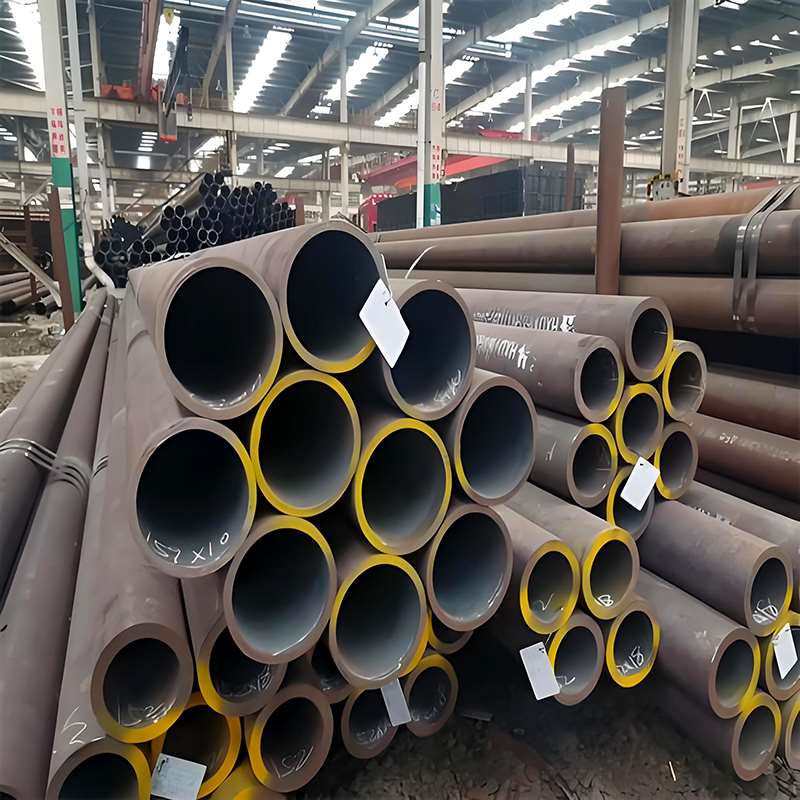
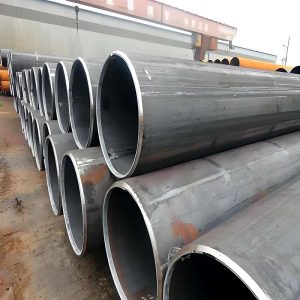
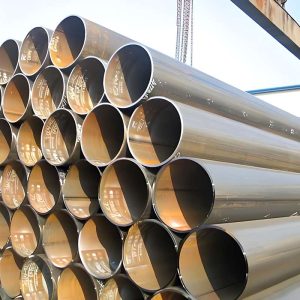
GB/T 9711 Alloy Steel Line Pipe

OD Range :

21.3 – 1219 mm

WT Range :

2.77 – 50 mm

Length :

6 m / 12 m

Tolerance :

Outer Diameter ±0.3%, Wall Thickness ±10%, Length ±10 mm

Material :

Carbon Steel and Low-Alloy Steel: X42, X46, X52, X56, X60, X65, X70, X80; Alloy Steel: Customizable according to customer requirements (e.g., CrMoV).

Standard :

GB/T 9711-2017

Surface :

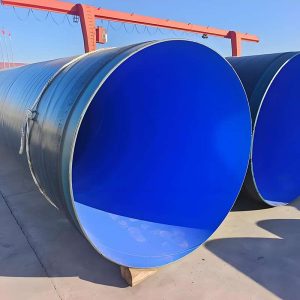
Black pipe, pickling, and anti-rust oil coating; optional painting or hot-dip galvanizing.

Application :

Oil and Gas Pipelines, High-Pressure Oil and Gas Transmission Lines, and Piping for Chemical and Petrochemical Plants

I. Overview of GB/T 9711 Alloy Steel Line Pipe:

GB/T 9711 Alloy Steel Line Pipe is a high-strength line pipe that complies with national standards and is widely utilized in high-pressure pipelines for the petroleum, natural gas, and chemical industries.

It features excellent pressure resistance, corrosion resistance, and long-term reliability, enabling it to meet transmission requirements under a wide range of demanding operating conditions.

II. Material and Grade of GB/T 9711 Alloy Steel Line Pipe

Material TypeSteel Grade / ClassDescription & Features
Carbon SteelX42, X46, X52Suitable for low-pressure, low-temperature oil and gas pipelines; economical, moderate strength
Low Alloy SteelX56, X60, X65, X70Used for medium to high-pressure pipelines; high yield strength and low-temperature toughness, suitable for oil and gas transportation
Alloy SteelX80, X90, X100 (customizable)High-strength steel pipes for high-pressure, high-temperature, and corrosive conditions, ensuring safe pipeline operation

III. GB/T 9711 Alloy Steel Line Pipe — Chemical Composition Table

Steel Grade / ClassC %Mn %P %S %Si %Ni %Cr %Mo %
X42≤0.221.20–1.60≤0.025≤0.0150.15–0.35≤0.30≤0.30≤0.10
X52≤0.221.30–1.60≤0.025≤0.0150.15–0.35≤0.30≤0.30≤0.10
X60≤0.221.40–1.70≤0.025≤0.0150.15–0.35≤0.30≤0.30≤0.10
X65≤0.221.40–1.70≤0.025≤0.0150.15–0.35≤0.30≤0.30≤0.10
X70≤0.221.40–1.85≤0.025≤0.0150.15–0.35≤0.30≤0.30≤0.10
X80≤0.221.45–1.90≤0.025≤0.0150.20–0.35≤0.40≤0.50≤0.10
X90≤0.221.50–2.00≤0.025≤0.0150.20–0.35≤0.40≤0.50≤0.10
X100≤0.221.50–2.10≤0.025≤0.0150.20–0.35≤0.400.50–0.60≤0.10

IV. GB/T 9711 Alloy Steel Line Pipe: Mechanical Properties

Steel Grade / ClassYield Strength σy (MPa)Tensile Strength σb (MPa)Elongation δ5 (%)
X42290430–570≥25
X52360450–610≥22
X60415485–630≥20
X65455510–680≥18
X70485540–710≥16
X80555620–760≥14
X90620700–820≥12
X100690770–880≥10

V. GB/T 9711 Alloy Steel Line Pipe: Application Fields and Suitable Operating Conditions

Application AreaTypical Operating ConditionsRecommended Steel Grade / ClassDescription
Crude Oil PipelinesMedium to low working pressure, temperature -20℃ to 60℃, generally non-corrosive mediumX42, X46, X52Low-pressure oil pipelines; economical, practical, moderate strength
Refined Oil / Fuel PipelinesMedium to high working pressure, temperature 0℃ to 60℃X52, X56, X60Medium-pressure pipelines; requires certain strength and low-temperature toughness
Natural Gas PipelinesHigh-pressure gas, temperature -40℃ to 60℃, high low-temperature impact requirementX60, X65, X70High-pressure natural gas pipelines; requires high toughness and strength
Petrochemical Plant Process PipelinesHigh temperature, high pressure, mildly corrosive mediumX65, X70, X80High-pressure pipelines for petrochemical production; requires pressure and corrosion resistance
Offshore Oil & Gas PipelinesHigh pressure, high strength, seawater environment, some low-temperature conditionsX70, X80, X90Offshore pipelines must resist high pressure, corrosion, and maintain low-temperature toughness
High-Pressure Gas Transmission PipelinesPressure ≥ 8 MPa, temperature -40℃ to 60℃X70, X80, X90, X100Ultra-high-pressure gas pipelines; requires high strength and toughness
Industrial Steam / Cooling PipelinesMedium to low pressure, temperature 50℃ – 150℃, non-corrosive mediumX42, X46, X52Standard industrial pipelines; economical and durable

Selection Tips:

  • Pressure and Temperature: The higher the pipeline’s operating pressure and the more extreme the temperature conditions, the higher the steel grade required (X70 and above).
  • Medium Type: When handling corrosive substances or cryogenic fluids, low-alloy or alloy steel pipes should be selected to ensure adequate toughness and corrosion resistance.
  • Offshore or Special Operating Conditions: Steel grades X80–X100 are suitable for high-pressure, low-temperature, or offshore environments.
  • Economic Considerations: For low-pressure, ambient-temperature applications, grades X42–X52 are sufficient to meet requirements and offer a more economical solution.
Related Products

Outer Diameter OD (mm) Wall Thickness WT (mm) Theoretical Weight (kg/m)
21.3 2.77, 3.25, 3.73, 4.19 2.17, 2.55, 2.93, 3.29
26.9 2.87, 3.25, 3.91, 4.78 2.88, 3.28, 3.94, 4.82
33.7 3.25, 4.00, 4.78, 5.56 3.80, 4.64, 5.54, 6.44
42.4 3.25, 4.00, 4.78, 5.56, 6.35 4.78, 5.61, 6.54, 7.45, 8.37
48.3 3.25, 4.00, 4.78, 5.56, 6.35 5.43, 6.27, 7.21, 8.13, 9.07
60.3 3.25, 4.00, 4.78, 5.56, 6.35, 7.11 6.77, 7.63, 8.60, 9.50, 10.40, 11.3
73.0 3.25, 4.00, 4.78, 5.56, 6.35, 7.11, 8.00 8.24, 9.11, 10.1, 10.9, 11.9, 12.8, 13.7
88.9 4.00, 4.78, 5.56, 6.35, 7.11, 8.00 10.6, 11.5, 12.6, 13.6, 14.7, 15.7
114.3 4.78, 5.56, 6.35, 7.11, 8.00, 9.53 15.3, 16.5, 17.8, 18.9, 20.2, 22.8
168.3 6.35, 7.11, 8.00, 9.53, 11.1, 12.7 25.5, 27.5, 29.5, 32.2, 34.9, 37.6
219.1 6.35, 7.11, 8.00, 9.53, 11.1, 12.7, 14.3 33.3, 35.4, 37.6, 40.4, 43.0, 45.8, 48.6
273.0 7.11, 8.00, 9.53, 11.1, 12.7, 14.3, 16.0 48.6, 51.7, 55.4, 58.8, 62.4, 66.0, 69.5
323.9 8.00, 9.53, 11.1, 12.7, 14.3, 16.0, 17.5 63.2, 67.4, 71.6, 76.0, 80.3, 84.6, 88.7
355.6 9.53, 11.1, 12.7, 14.3, 16.0, 17.5, 19.1 74.6, 79.2, 84.0, 88.8, 93.6, 98.3, 103.0
406.4 10.0, 12.7, 14.3, 16.0, 17.5, 19.1, 20.0 90.2, 98.3, 103.0, 108.0, 112.8, 117.6, 120.0
508.0 12.7, 14.3, 16.0, 17.5, 19.1, 20.0, 22.0 136.0, 141.0, 146.0, 151.0, 156.0, 158.0, 164.0
610.0 14.3, 16.0, 17.5, 19.1, 20.0, 22.0, 25.0 197.0, 202.0, 208.0, 214.0, 216.0, 224.0, 242.0
762.0 16.0, 17.5, 19.1, 20.0, 22.0, 25.0, 28.0 280.0, 287.0, 296.0, 300.0, 310.0, 340.0, 368.0
914.0 20.0, 22.0, 25.0, 28.0, 30.0 420.0, 460.0, 520.0, 580.0, 620.0
1016.0 22.0, 25.0, 28.0, 30.0 510.0, 580.0, 650.0, 700.0
1219.0 25.0, 28.0, 30.0, 32.0 780.0, 860.0, 920.0, 980.0


GB/T 9711 is a Chinese national standard applicable to line pipe steels used for transporting crude oil, natural gas, and chemical media. It specifies material grades, dimensions, tolerances, mechanical properties, and inspection requirements, thereby ensuring the safety and reliability of pipelines operating under high pressure, low temperatures, and corrosive environments.


Raw Materials → Heating → Rolling/Extrusion → Sizing → Annealing → Straightening → Surface Treatment → Non-destructive Testing → Dimensional Inspection → Finished Product Storage

Description:
1. Heating: Steel billets are heated to the appropriate temperature for rolling.
2. Rolling/Extrusion: The outer diameter and wall thickness of the tube blank are formed.
3. Sizing: Ensures the dimensional accuracy of the tube diameter.
4. Annealing: Relieves internal stress and enhances toughness.
5. Straightening: Ensures the straightness of the tube.
6. Surface Treatment: Mill scale removal, pickling, application of anti-rust oil, or painting.
7. Non-destructive Testing (NDT): Ultrasonic or radiographic inspection to ensure the tube body is free of defects.
8. Dimensional Inspection: Verifies that the outer diameter, wall thickness, and length comply with applicable standards.
9. Finished Product Storage: Packaging and warehousing of finished products awaiting shipment.

Test Item Test Content Test Parameters / Acceptance Criteria
Chemical Composition Analysis Content of C, Mn, P, S, Si, Ni, Cr, Mo, etc. Controlled according to steel grade requirements, e.g., X52: C ≤ 0.22%, Mn ≤ 1.60%, P ≤ 0.025%, S ≤ 0.015%, Si ≤ 0.30%, Ni ≤ 0.30%, Cr ≤ 0.30%, Mo ≤ 0.10%
Visual & Dimensional Check Outer diameter, wall thickness, length, straightness OD ±0.3%, WT ±10%, length ±10 mm, bending ≤0.5% of length
Mechanical Property Test Yield strength, tensile strength, elongation According to steel grade requirements, e.g., X60: σy ≥ 415 MPa, σb 485–630 MPa, δ5 ≥ 20%
Bending Test Cold or hot bending performance Bending angle 180° without cracks or fractures
Impact Test Charpy impact, low-temperature impact According to steel grade requirements, e.g., X60: -20℃ impact energy ≥ 27 J
Nondestructive Testing (NDT) Radiographic (RT), Ultrasonic (UT) testing Detect internal defects; ensure no cracks, slag inclusions, porosity, or other defects
Hydrostatic Test Internal pressure strength test Conduct water pressure test at design pressure to ensure no leakage or rupture
Surface Treatment Check Anti-rust oil coating, pickling, black pipe quality Surface smooth and flat, no obvious scratches, oxidation, or rust


1. What steel grades are available for GB/T 9711 alloy steel line pipes?

Answer:
Commonly available grades include X42, X46, X52, X56, X60, X65, X70, X80, X90, and X100. The appropriate grade can be selected based on the pipeline’s pressure, temperature, and the conveyed medium.

2. What are the available specifications for the pipe’s outer diameter, wall thickness, and length?

Answer:
The outer diameter ranges from 21.3 mm to 1219 mm, and the wall thickness ranges from 2.77 mm to 50 mm (customization is available). Standard lengths are typically 6 meters or 12 meters, though pipes can be cut to specific lengths according to project requirements.

3. For which applications and operating conditions are GB/T 9711 steel pipes suitable?

Answer:
They are suitable for use in pipelines for petroleum, natural gas, chemical processing, and offshore oil and gas operations. For low-pressure pipelines, grades X42 through X52 are suitable options; for medium-to-high pressure or low-temperature pipelines, grades X60 through X70 are recommended; and for high-pressure offshore pipelines, grades X80 through X100 are available choices.

4. Do your products come with material certificates and test reports?

Answer:
For all GB/T 9711 alloy steel pipes, we can provide Material Test Certificates (MTC) as well as comprehensive test reports covering chemical composition, mechanical properties, dimensions, and non-destructive testing.

5. What surface treatment options are available?

Answer:
The standard finish is “black pipe” (as-rolled surface); however, options such as pickling, anti-rust oil coating, painting, or hot-dip galvanizing are also available to meet various transportation and storage requirements.

6. How do I select the appropriate steel grade and wall thickness?

Answer:
The steel grade and wall thickness should be selected based on the pipeline’s design pressure, temperature, type of medium, and operational strength requirements. For low-pressure, ambient-temperature applications, lower-grade steels are suitable; conversely, high-pressure, low-temperature, or offshore environments require the selection of higher-grade steels (X70 and above).