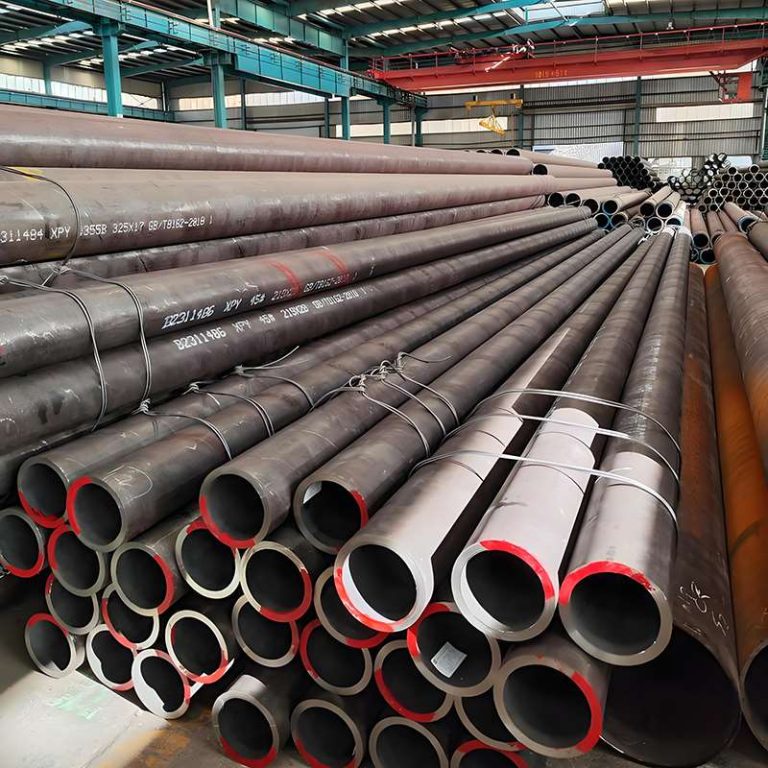
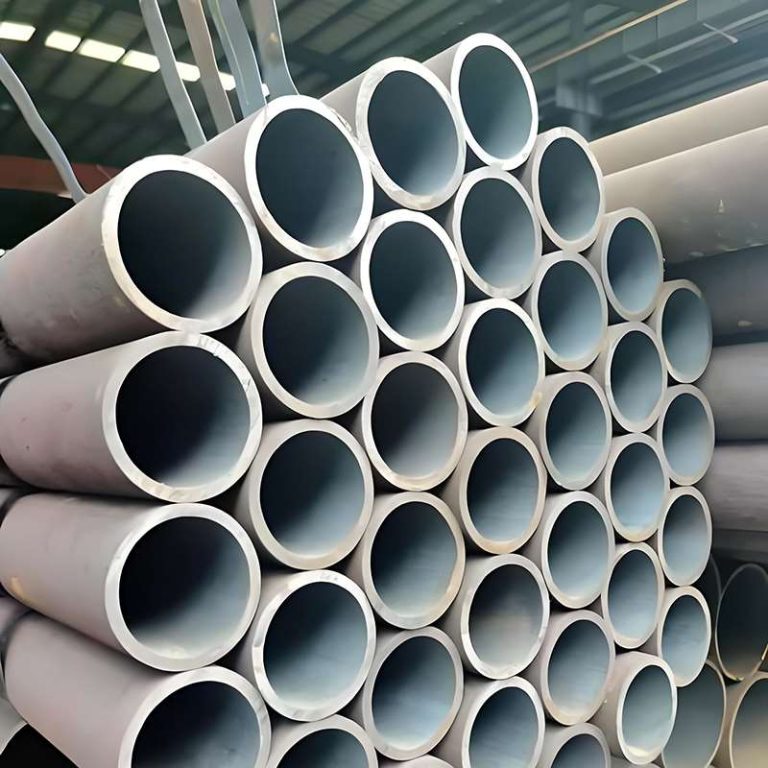
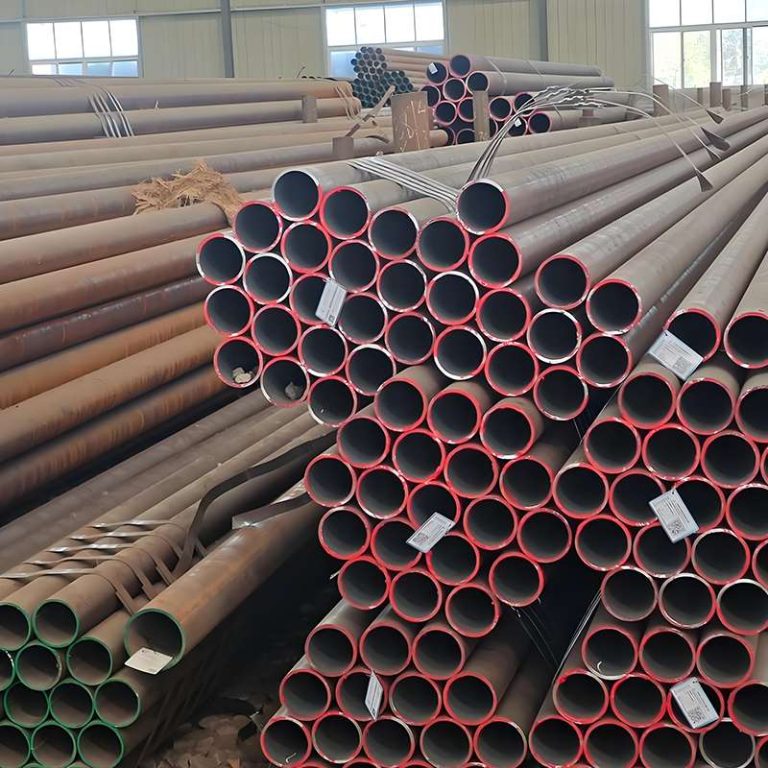
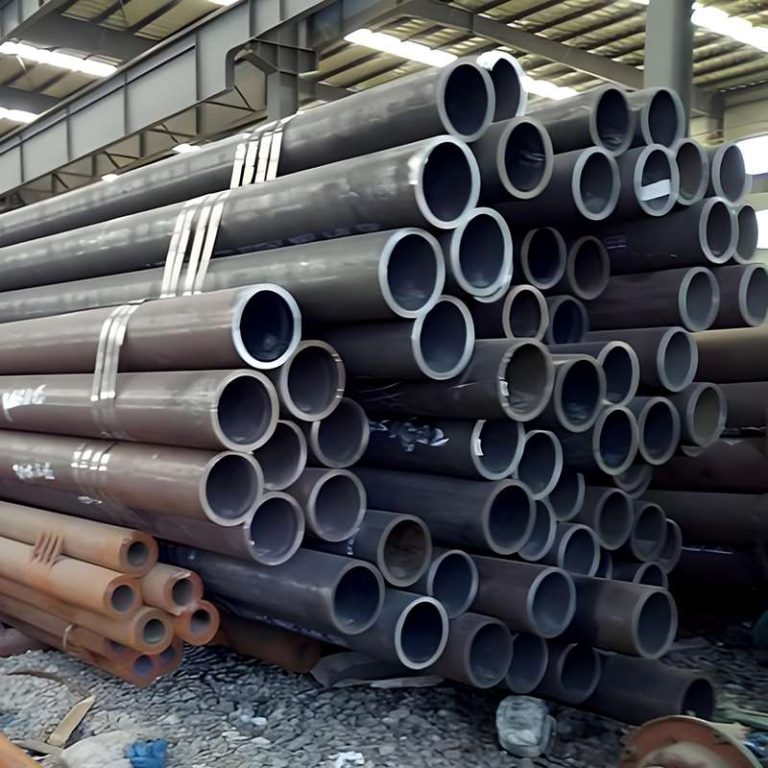
I. What Are Steel Pipe Standards?
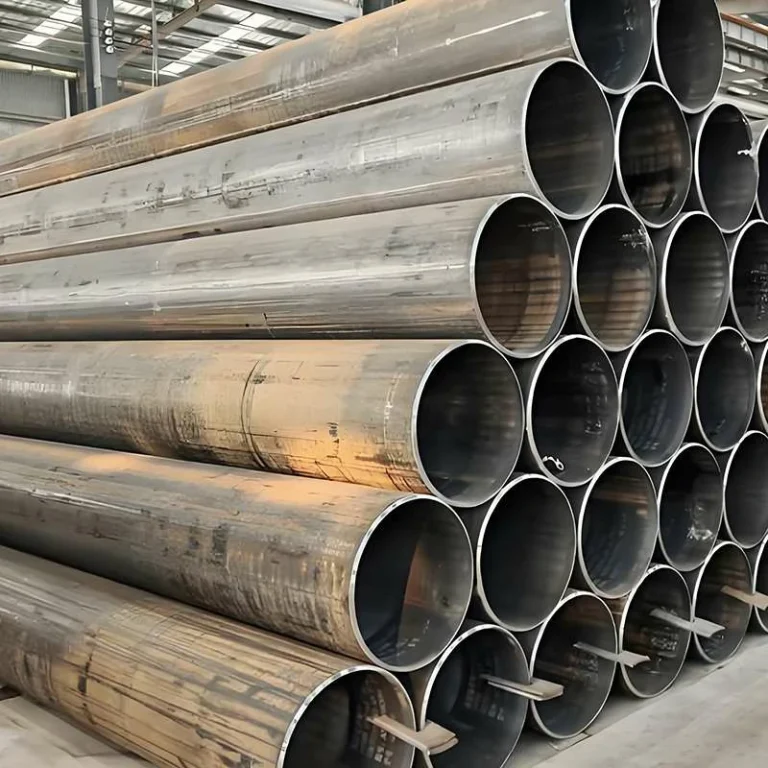
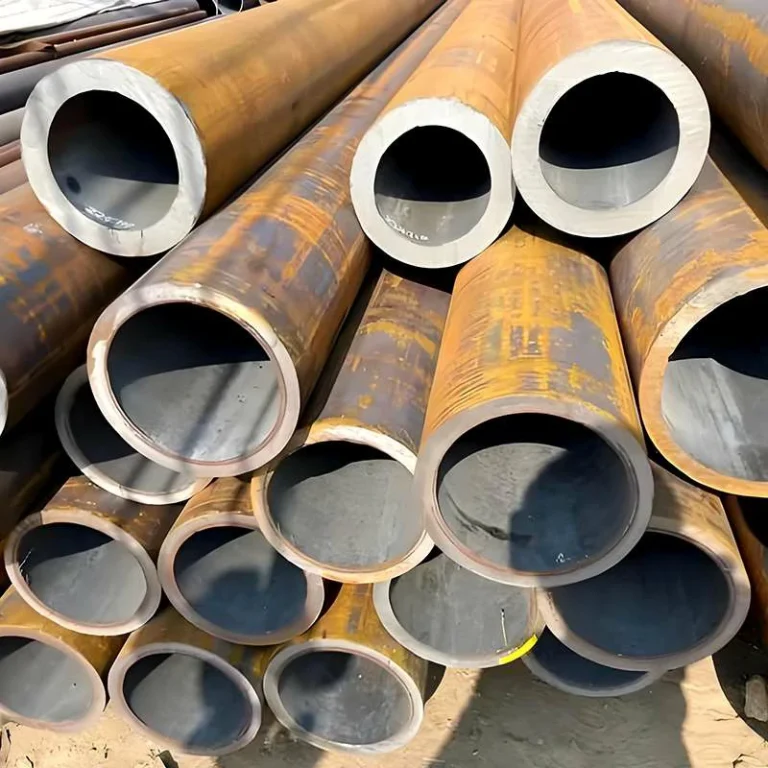
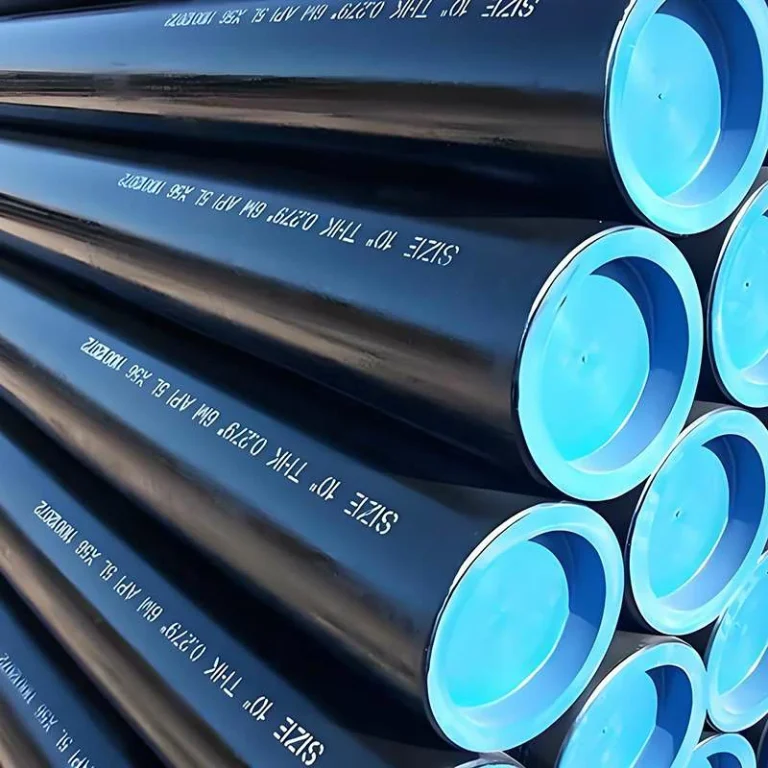
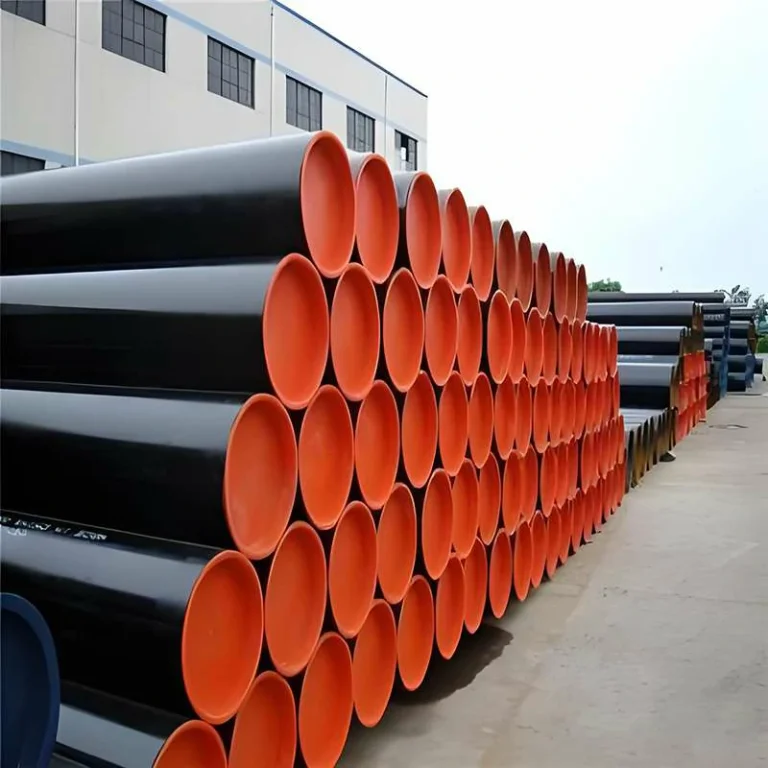
Steel pipe standards are a series of technical specifications developed by international or regional standardization organizations. They define the essential requirements for steel pipes in terms of:
- Chemical composition of materials
- Mechanical properties (such as strength and toughness)
- Dimensional specifications
- Manufacturing process requirements
- Inspection and acceptance criteria
In simple terms, steel pipe standards are unified rules that ensure consistent quality, reliable performance, and engineering usability of steel pipes in practical applications.
II. Why Are Steel Pipe Standards So Important?
1. Ensuring Operational Safety
In oil and gas transmission, high-pressure water injection systems, and chemical media pipelines, steel pipes are continuously exposed to high pressure and complex operating environments over long service periods.
Standards such as API 5L and ASTM define strict requirements for:
- Material strength grades
- Toughness requirements (low-temperature impact performance)
- Wall thickness and design parameters
These requirements are designed to prevent pipeline burst, cracking, or system failure.
Core function: Reduce operational risks in high-pressure systems and ensure long-term safe and stable operation.
2. Ensuring Consistency of Material and Performance
Engineering projects typically require steel pipes in large quantities and across multiple production batches.
Without unified standards, different batches may show:
- Inconsistent mechanical strength
- Variations in chemical composition
- Differences in weldability performance
A standardized system ensures that every batch of steel pipes meets the same technical requirements, guaranteeing consistent performance across the entire pipeline system.
Core function: Ensure uniform quality and stable performance across all pipeline components.
3. Meeting International Engineering and EPC Project Requirements
In international engineering and EPC projects, project owners usually specify strict material standards, such as:
- API 5L (oil and gas pipeline systems)
- ASTM A106 / A53 (industrial piping systems)
- EN 10219 / EN 10210 (structural steel applications)
If products do not comply with the required standards, they cannot pass project inspection or be accepted into the approved supply chain.
Core function: Ensure products meet international engineering qualification and project acceptance requirements.
IV. Correspondence Between Steel Pipe Types and Standards
1. Seamless Steel Pipes
Suitable for high-pressure, high-temperature environments with stringent safety requirements
Common Standards:
Typical Applications:
- High-pressure oil and gas transmission pipelines
- High-temperature steam pipelines
- High-pressure chemical systems
2. Welded Steel Pipes
Suitable for medium- and low-pressure transmission systems
Common Standards:
Typical Applications:
- General industrial piping
- Water distribution systems
- Medium- and low-pressure oil and gas pipelines
3. Structural Steel Pipes
Primarily used in construction and structural engineering
Common Standards:
Typical Applications:
- Steel building structures
- Bridge engineering
- Infrastructure support structures
V. Guide to Steel Pipe Applications and Standard Selection
1. Oil and Gas Industry
Typical Applications:
- Long-distance oil and gas transmission pipelines
- Gathering and transportation systems
- Offshore platforms
Why Use API 5L?
- Oil and gas pipelines typically operate under high pressure over long distances and may be exposed to corrosive media and complex geological environments.
The API 5L standard is specifically designed for pipeline applications, with a focus on:
- Strength grades (X42–X70)
- Toughness requirements (to prevent low-temperature brittle fracture)
- Weldability and safety
Conclusion: API 5L must be the preferred choice for oil and gas transmission.
2. Chemical and Energy Systems
Typical Applications:
- High-temperature steam pipelines
- Industrial fluid conveyance systems
Why Use ASTM?
- Chemical and energy systems place greater emphasis on temperature and pressure stability rather than long-distance conveyance.
ASTM standards (such as A106) focus on:
- High-temperature strength properties
- Long-term stability
- General industrial compatibility
Conclusion: ASTM A106 is the preferred choice for high-temperature, high-pressure industrial systems
3. Construction and Structural Engineering
Typical Applications:
- Bridge structures
- High-rise buildings
- Steel structural support systems
Why Use EN Standards?
- The core of structural engineering is “load-bearing capacity + structural stability,” rather than the conveyed medium.
The EN 10219 / EN 10210 standards focus on:
- Yield strength
- Structural stability
- Consistency in forming processes
Conclusion: For structural applications, EN-standard steel pipes are the preferred choice
4. Water Resources and Municipal Engineering
Typical Applications:
- Water supply systems
- Drainage projects
Why Use ASTM / EN?
- Water systems involve medium- and low-pressure conveyance, with relatively lower requirements for material strength; greater emphasis is placed on cost and versatility.
Conclusion: For medium- and low-pressure water systems, ASTM A53 or EN standards are preferred
VI. How to Correctly Select Steel Pipe Standards?
1. Consider the Transported Medium
- Oil / Natural Gas → API 5L (High-Risk, High-Pressure Systems)
- Water / Steam → ASTM A53 / A106
- Structural Applications → EN Standards
2. Consider the Operating Pressure
- High-Pressure Systems → API 5L (X60–X70)
- Medium- and Low-Pressure Systems → ASTM A53
3. Consider the Operating Environment
- Offshore environments → Anti-corrosion coatings / 3PE
- Freezing regions → Low-temperature impact-tough steel grades
- Conventional environments → Standard carbon steel is sufficient
4. Consider project specifications
In EPC or international projects:
- Standards are not “optional,” but “mandatory”
Project owners typically specify directly:
- API 5L
- ASTM A106
- EN 10219
VII. Quality Inspection and Standard Compliance
In the manufacturing and export of steel pipes, quality inspection is not merely a “checklist process,” but a critical step in ensuring that the pipes meet international standards (API / ASTM / EN) and can operate safely in real-world engineering environments.
1. Comparison Table of Core Inspection Items and Their Engineering Functions
| Inspection Item |
Inspection Purpose |
Practical Engineering Significance |
| Chemical Composition Analysis |
Verify whether the steel composition complies with API/ASTM standards |
Prevent material mix-ups and ensure correct steel grades (e.g., X52 / X70) |
| Tensile Test |
Test yield strength and tensile strength |
Ensure the pipe can withstand design pressure and prevent fracture |
| Impact Test |
Test low-temperature toughness (resistance to brittle fracture) |
Prevent brittle failure in low-temperature environments (e.g., cold regions/offshore projects) |
| Hydrostatic Test |
Test pressure-bearing capacity and sealing performance |
Simulate actual operating pressure to prevent leakage or pipe burst |
| Ultrasonic Testing (UT) |
Detect internal defects (cracks, inclusions) |
Ensure internal structural integrity and eliminate hidden defects |
| Magnetic Particle Testing (MT) |
Detect surface cracks |
Identify surface micro-cracks not visible to the naked eye and improve safety reliability |
2. The True Purpose of Quality Inspection
The purpose of steel pipe inspection is not merely to ensure “compliance,” but to guarantee the following in actual engineering applications:
(1) No rupture under high pressure
Prevent failure of oil and gas pipelines during high-pressure operation
(2) Long-term operational stability
Ensure that performance does not degrade over a service life spanning several decades
(3) Acceptance for international projects
Meet the acceptance standards for EPC projects (API / ASTM / EN)
(4) Reduced Project Risks
Minimizing leaks, downtime, and maintenance costs
Every steel pipe must undergo a comprehensive system of chemical, mechanical, and non-destructive testing to ensure compliance with international standards and safe operation under high-pressure, high-temperature, and complex environmental conditions.