I. Introduction to SSAW Steel Pipes
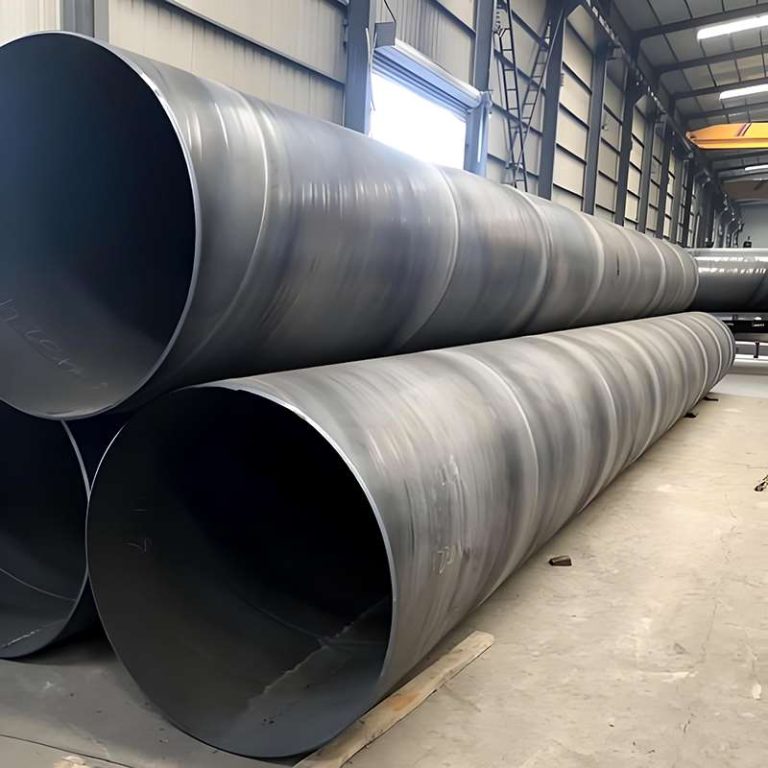
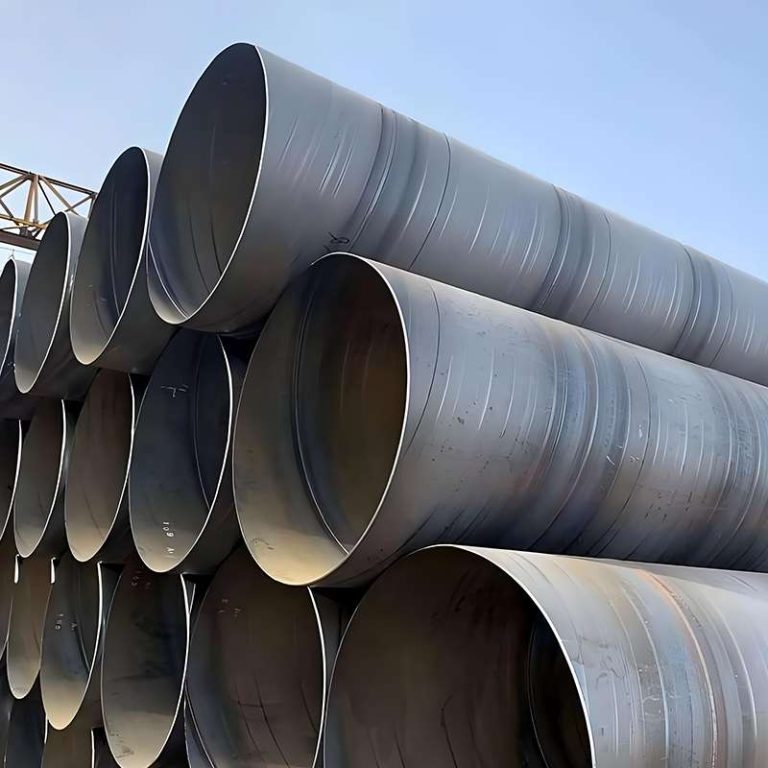
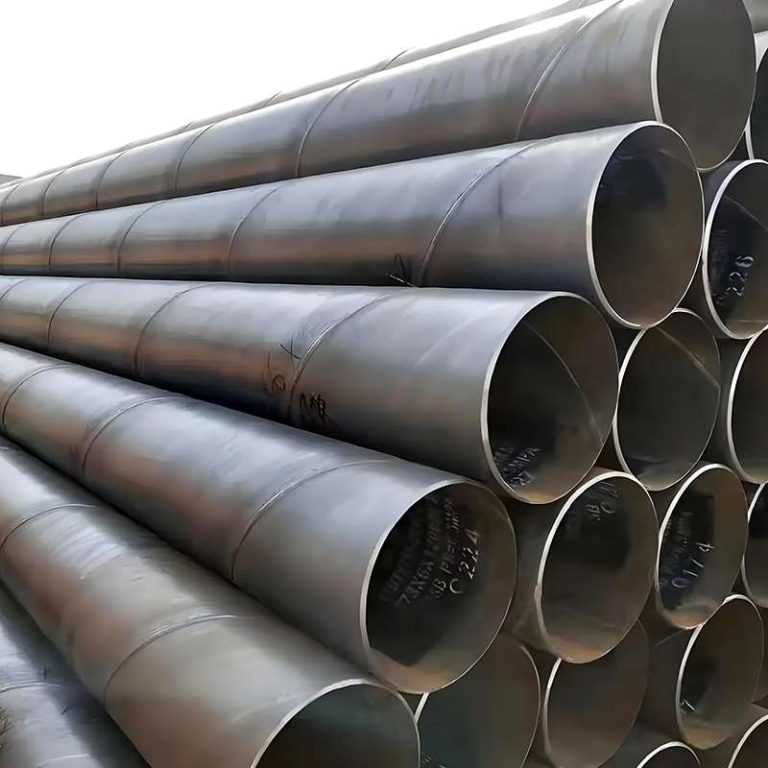
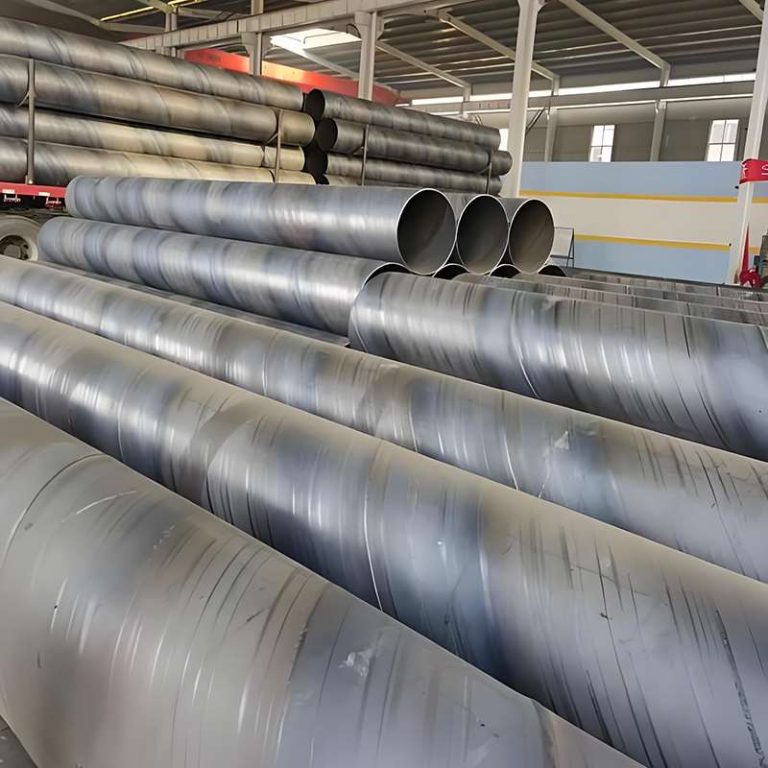
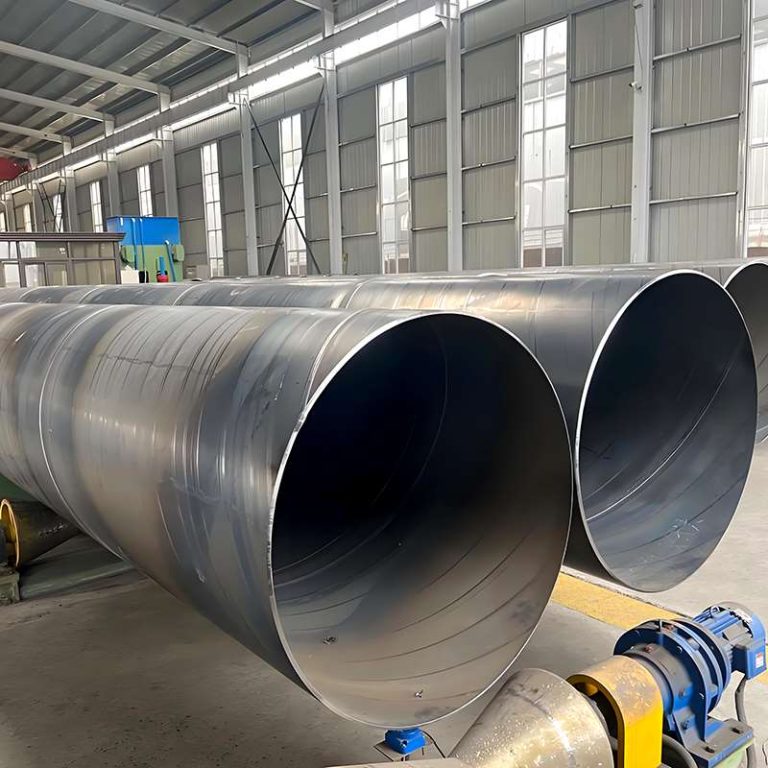
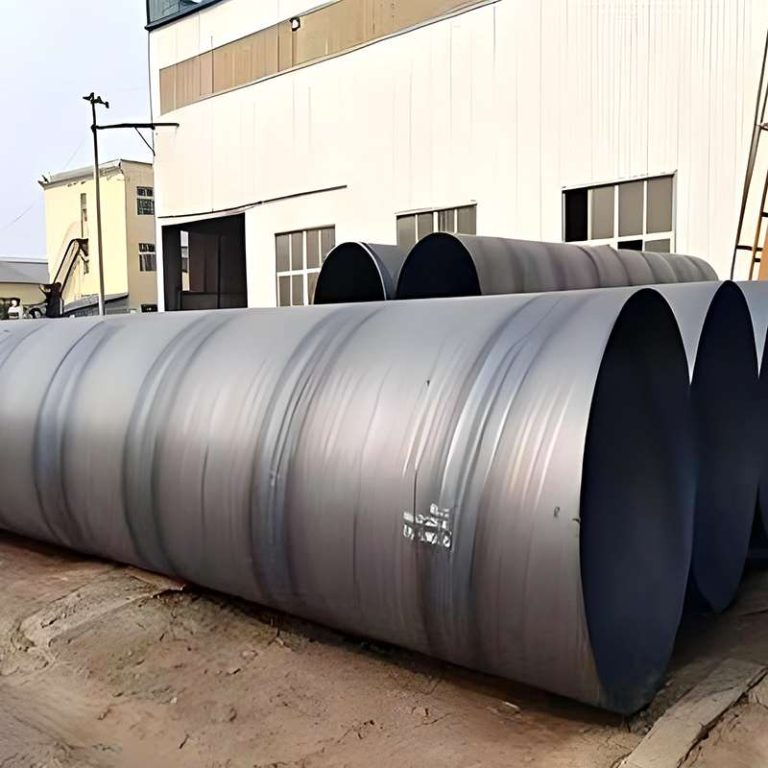
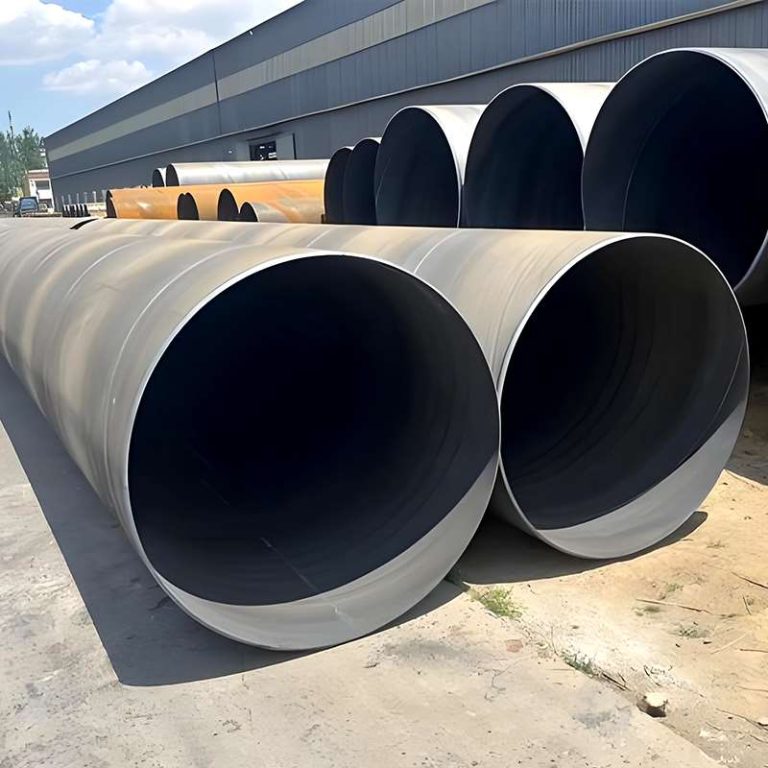
SSAW steel pipes, also known as spiral submerged-arc welded steel pipes, are large-diameter welded steel pipes manufactured from hot-rolled steel coils using spiral forming and double-sided submerged-arc welding processes.
Compared to straight-seam welded pipes, SSAW steel pipes can produce larger-diameter pipes using narrower steel coils, offering significant cost advantages in large-diameter pipeline projects.
II. Why Do Many Large-Scale Pipeline Projects Choose SSAW Steel Pipes?
1. Easier Access to Large-Diameter Sizes
For projects requiring DN800, DN1000, DN1200, or even larger diameters, SSAW steel pipes are generally easier to procure than seamless steel pipes and some longitudinally welded steel pipes, and they also have shorter lead times.
2. Cost Advantages for Large-Diameter Projects
When projects require long-distance water transmission, drainage, or the transport of industrial fluids, SSAW steel pipes can be continuously produced from steel coils, thereby reducing material procurement costs in many cases.
3. Suitable for Buried Pipeline Projects
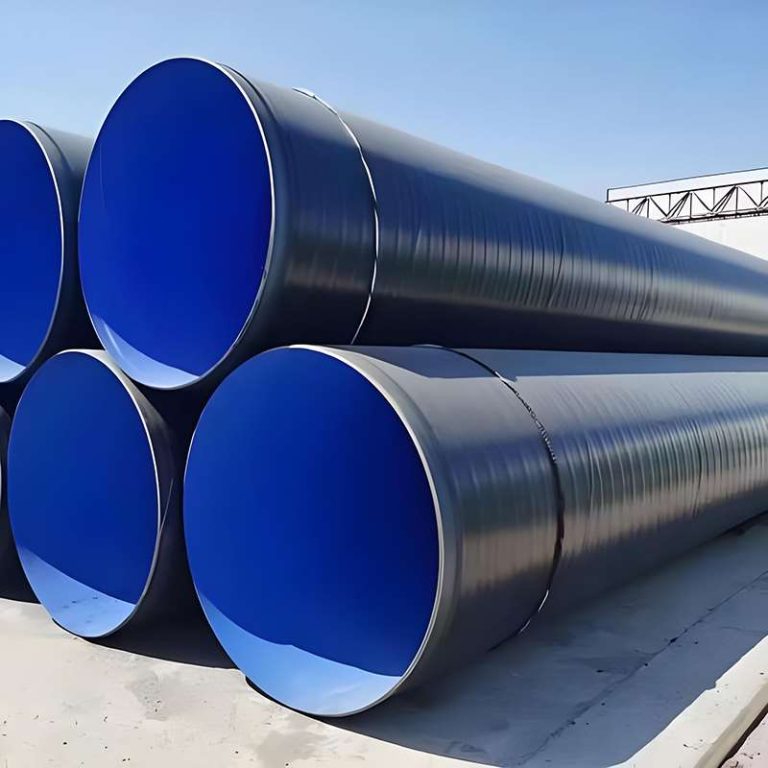
After undergoing 3PE, FBE, or other anti-corrosion treatments, SSAW steel pipes can be used in underground water transmission, natural gas transmission, municipal pipeline networks, and other projects, helping to improve the pipes’ corrosion resistance and service life.
4. Suitable for a Wide Range of Engineering Applications
SSAW steel pipes are not only used for oil and gas transmission but are also widely applied in:
- Water transmission projects
- Municipal water supply and drainage projects
- Pile foundation projects
- Dredging projects
- Power plant cooling water systems
- Industrial fluid conveyance systems
III. Common International Standards for SSAW Steel Pipes
| Standard |
Applicable Region / System |
Main Application |
Application Types |
Common Steel Grades |
| API 5L |
American Petroleum Institute Standard |
Oil and natural gas transmission pipelines |
Oil & gas transmission pipelines, cross-regional energy pipeline networks |
GR.B, X42, X52, X60, X65, X70 |
| ASTM A252 |
American Material Standard |
Steel pipe piles for structural use |
Bridge foundations, port engineering, building foundations |
Grade 1, Grade 2, Grade 3 |
| ASTM A53 |
American Material Standard |
General fluid transportation and structural use |
Water supply & drainage, low-pressure fluid transport, building structures |
Grade A, Grade B |
| EN 10219 |
European Standard |
Cold-formed structural steel pipes |
Steel building structures, support structures, mechanical structures |
S235, S275, S355 |
| EN 10217 |
European Standard |
Welded steel pipes for pressure purposes |
Pressure vessels, thermal systems, industrial pipelines |
P235, P265, P355 |
| GB/T 9711 |
China National Standard (Oil & Gas) |
Oil and gas pipeline systems |
Oil & gas transmission, energy pipeline projects |
L245, L290, L360, L415, L485 |
| SY/T 5037 |
China Petroleum Industry Standard |
Welded steel pipes for general fluid service |
Water supply & drainage, low-pressure transportation, general engineering |
Q235B, Q355B |
| ISO 3183 |
International Organization for Standardization |
International pipeline steel standard |
International oil and gas pipeline projects |
L245–L485 |
IV. SSAW Steel Pipe Quality Control System
1. Raw Material Control
Steel coils must comply with the API 5L / GB/T 9711 standards, and a Material Test Certificate (MTC) must be provided for each batch of material.
2. Welding Quality Control
Double-sided submerged arc welding (SAW) is used, and 100% of the welds undergo non-destructive testing (UT or RT) to ensure there are no defects such as lack of fusion or cracks.
3. Pressure Testing
All steel pipes undergo hydrostatic testing, with test pressures strictly adhering to standards to ensure pipeline safety.
4. Dimensions and Tolerance Control
Outer diameter, wall thickness, and ovality are strictly controlled to comply with API 5L or customer technical requirements.
5. Pre-Coating Quality Inspection
Prior to applying 3PE/FBE coatings, the steel pipes undergo a re-inspection to verify surface and structural integrity.
V. Common Corrosion Protection Methods for SSAW Steel Pipes
The following is a summary of common corrosion protection methods for SSAW steel pipes from an engineering application perspective, to help you quickly determine which one to choose.
1. 3PE Corrosion Protection
Applications:
- Long-distance oil and natural gas transmission pipelines
- Municipal water and gas supply projects
- Long-distance buried pipelines
Corrosion Protection Structure:
- First Layer: Epoxy Powder (FBE)
- Second Layer: Adhesive
- Third Layer: Polyethylene (PE)
Advantages
- Long service life (typically over 30 years)
- High resistance to mechanical impact
- Excellent resistance to soil corrosion
- Suitable for complex geological environments
Selection Recommendations:
- For long-distance buried pipeline projects (oil, gas, or water), prioritize 3PE
2. FBE Corrosion Protection (Epoxy Powder Coating)
Applications:
- Oil and gas transmission pipelines
- High-temperature or chemically corrosive environments
- Projects requiring high adhesion
Features:
- Single-layer epoxy powder spray coating cured at high temperature
- Extremely strong bond with steel pipes
Advantages:
- Strong adhesion; resistant to peeling
- Good resistance to chemical corrosion
- Suitable for relatively high-temperature environments
Limitations:
- Lower resistance to mechanical impact than 3PE
- Requires proper construction protection
Selection Recommendations:
- Suitable for oil and gas pipelines or industrial plant piping systems
3. Epoxy Coal Tar Anti-Corrosion Coating
Applications:
- Municipal water supply and drainage projects
- General underground steel pipes
- Low- to moderate-corrosion environments
Features:
- Composed of epoxy resin and coal tar
- Commonly used for cost-effective anti-corrosion solutions
Advantages:
- Lower cost
- Flexible application
- Suitable for typical underground environments
Limitations:
- Relatively short service life
- Not suitable for high-demand oil and gas projects
Selection Recommendations:
- Suitable for municipal or general engineering projects with limited budgets
4. Epoxy Interior Coating (Internal Corrosion Protection)
Applications:
- Drinking water distribution
- Industrial circulating water systems
- Pipes requiring reduced scaling
Features:
- Epoxy coating sprayed onto the inner wall of steel pipes
- Primarily used for corrosion protection against internal media
Advantages:
- Improves water flow
- Prevents scaling and corrosion
- Extends the service life of the pipe’s inner wall
Selection Recommendations:
- Suitable for water distribution systems and water treatment projects
5. Cement Mortar Lining
Applications:
- Municipal water supply pipelines
- Long-term water conveyance projects
- Large-diameter water conveyance systems
Features:
- A layer of cement mortar is sprayed onto the inner wall of the pipe
Advantages:
- Low cost
- Prevents corrosion and scaling on the inner wall
- Ensures drinking water safety
Limitations:
- Not suitable for corrosive media
- Requires high-precision construction
Selection Recommendations:
- Suitable for urban water supply and long-distance water conveyance projects
6. Bare Pipe + External Paint Coating
Applications:
- Short-term projects
- Above-ground installation or indoor structural applications
- Pile foundations or structural applications
Features:
- No heavy-duty corrosion protection; only anti-rust paint coating
Advantages:
- Lowest cost
- Fast delivery
Limitations:
- Not suitable for long-term underground use
- Limited corrosion protection lifespan
VI. How to Select the Right SSAW Steel Pipe
When selecting SSAW steel pipes, one should not focus solely on a single parameter but rather make a comprehensive assessment based on the specific engineering application. The selection can primarily be guided by the following criteria:
1. Selection Based on the Conveyed Medium
Different media impose different requirements on steel pipes:
- Oil and gas transmission → Prioritize API 5L pipeline steel (X42–X70)
- Drinking water / municipal water supply → GB/T 9711 or ASTM A53
- General industrial fluids → Low- to medium-strength steel grades such as Q235 / S235
2. Selection Based on Operating Pressure
- Low-pressure systems (<1.6 MPa) → Standard wall thickness + standard steel grades
- Medium-pressure systems (1.6–6.4 MPa) → API 5L / GB/T 9711
- High-pressure transmission systems (>6.4 MPa) → High-strength steel grades (X60 and above)
3. Selection Based on Operating Environment
- Buried pipelines → Must be equipped with 3PE / FBE corrosion protection
- Underwater or humid environments → Reinforced external corrosion protection system
- Above-ground or structural applications → Optional standard anti-rust coating
4. Selection Based on Project Standards
Engineering designs typically specify the following standards:
- API 5L → International oil and gas pipeline projects
- GB/T 9711 → Chinese oil and gas engineering projects
- ASTM A252 → Pile foundation projects
- EN 10219 → Steel structure projects
5. Select Based on Service Life
- 10–15 years → Standard Corrosion Protection (Epoxy Coal Tar)
- 20–30 years → 3PE / FBE Corrosion Protection
- Over 30 years → Heavy-Duty Corrosion Protection System + High-Grade Steel