Products

Related News

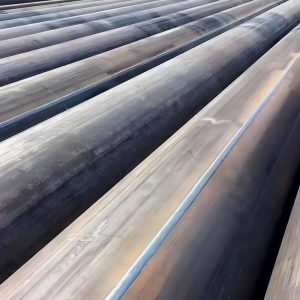
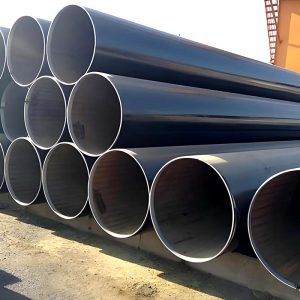
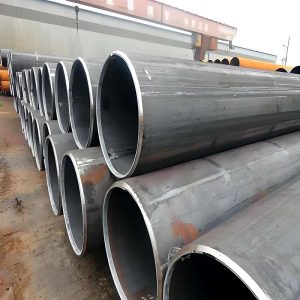
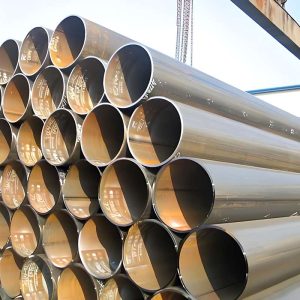
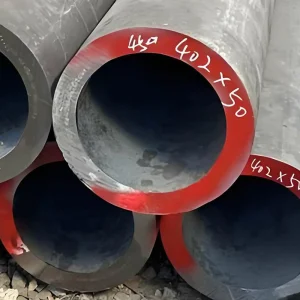
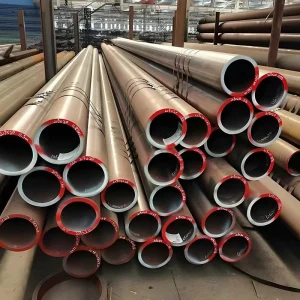
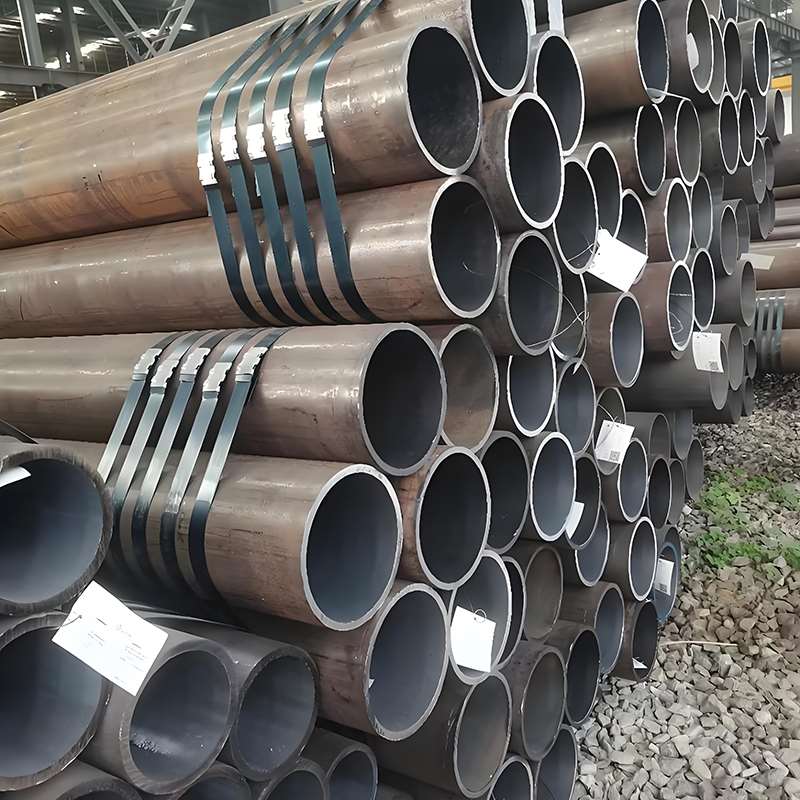
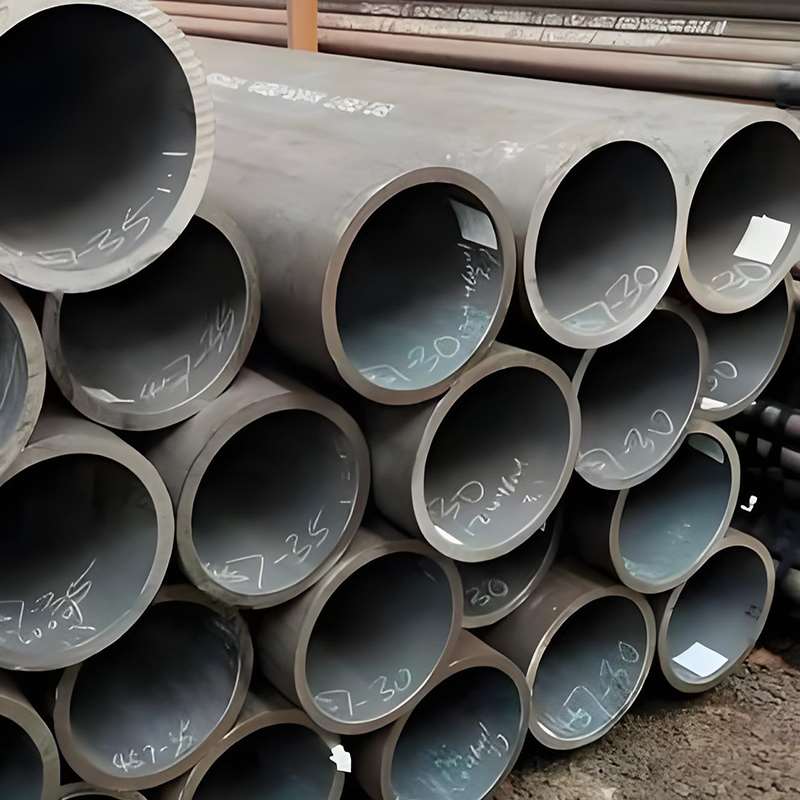
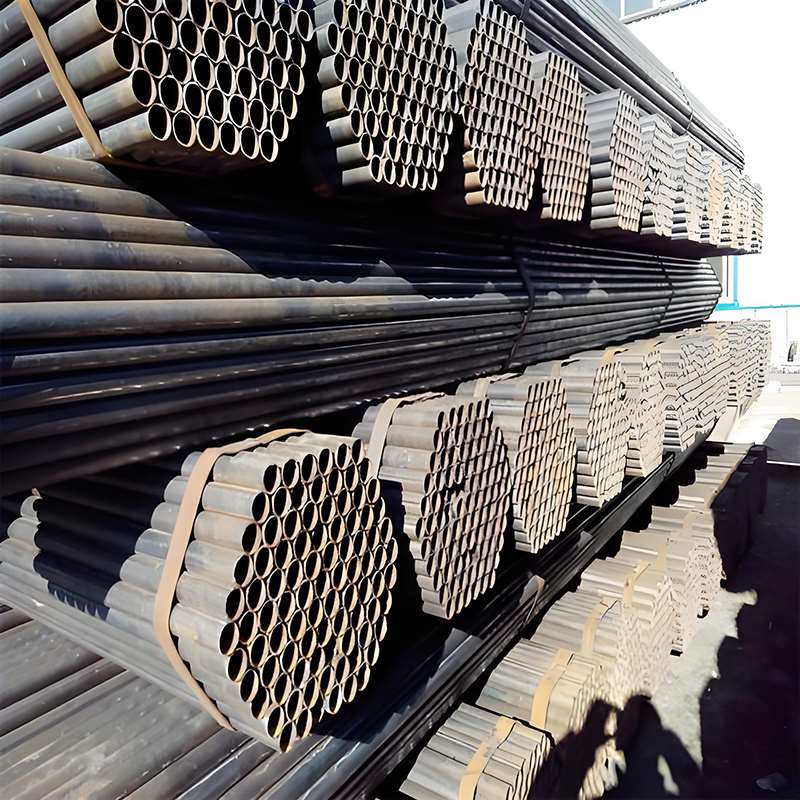
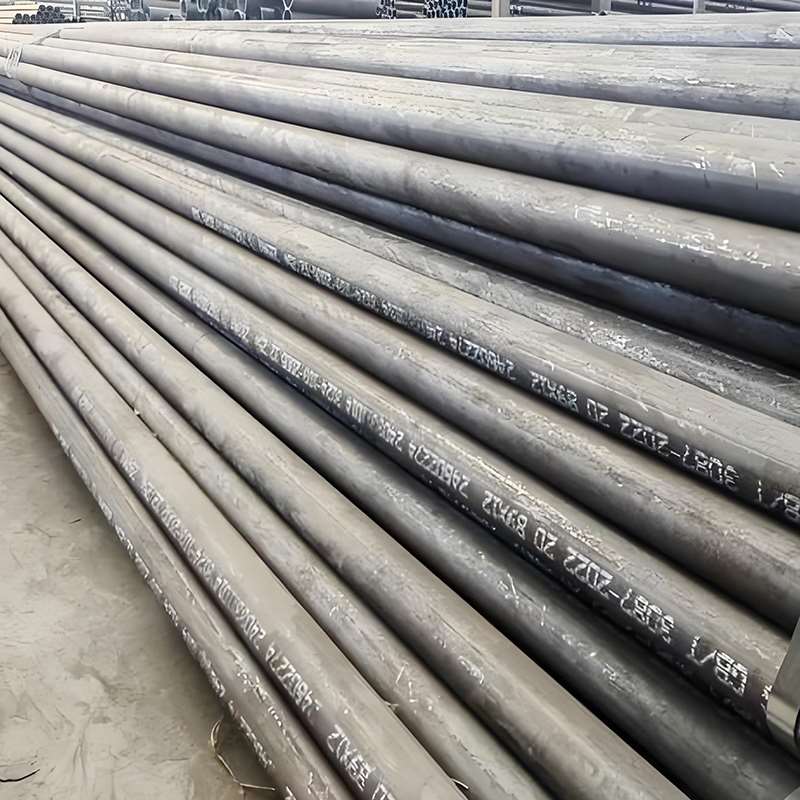
GB/T Low Pressure Boiler Pipe

OD Range :

21.3~219.1 mm

WT Range :

2.5~20 mm

Length :

5.8~12 m

Tolerance :

Outer Diameter Tolerance: ±0.5–1 mm; Wall Thickness Tolerance: ±0.3–0.5 mm

Material :

P235GH, P265GH, 16Mo3

Standard :

GB/T 8162-2018, GB/T 5310-2017

Surface :

Blackening, Acid Pickling, Phosphating, Hot-Dip Galvanizing

Application :

Low-pressure boilers, hot water boilers, steam boilers, heat exchangers, heating pipelines

Introduction :

Seamless steel pipes specifically designed for low-pressure boilers, featuring exceptional resistance to both pressure and temperature, ensure the safe and stable operation of industrial boilers.

I. Overview of GB/T Low-Pressure Boiler Pipes

GB/T Low-Pressure Boiler Pipes are seamless steel tubes manufactured in accordance with the Chinese National Standards GB/T 8162 and GB/T 5310, specifically designed for use in low-pressure boilers and heat exchange equipment.

These pipes feature excellent resistance to both pressure and high temperatures, thereby ensuring the safe and stable operation of industrial boiler systems.

II. GB/T Low-Pressure Boiler Pipe: Guidelines for Applicable Operating Conditions

Operating Condition TypeMaximum Working PressureMaximum Working TemperatureApplicable Description
Low-Pressure Steam Boiler≤1.0 MPa≤250℃Suitable for small urban steam boilers and industrial low-pressure steam systems. For boiler pressures above 1.0 MPa, high-pressure boiler pipes should be selected.
Hot Water Boiler≤1.6 MPa≤150℃Suitable for HVAC heating systems and industrial hot water circulation. For high-temperature or high-pressure conditions, select pipes with higher pressure rating.
Heat Exchanger≤1.0 MPa≤200℃Suitable for low-temperature, low-pressure heat transfer, such as industrial cooling or waste heat recovery systems.
Low-Pressure Pipeline Transportation≤1.6 MPa≤150℃Can be used for low-pressure steam, hot water, or other low-pressure fluid pipeline systems. Exercise caution when used in high-pressure conditions.

III. GB/T Low-Pressure Boiler Pipe: Chemical Composition

Material GradeC (%)Mn (%)P (%)S (%)Si (%)Cr (%)Mo (%)
P235GH≤0.220.60–1.20≤0.025≤0.015≤0.06
P265GH≤0.220.60–1.50≤0.025≤0.015≤0.06
16Mo3≤0.220.50–0.90≤0.025≤0.015≤0.400.25–0.35

IV. GB/T Low-Pressure Boiler Pipe: Mechanical Properties

Material GradeYield Strength ReH (MPa)Tensile Strength Rm (MPa)Elongation A (%)Impact Energy KV (J)Applicable Temperature Range
P235GH≥235360–510≥2227 (20℃)≤250℃
P265GH≥265410–560≥2027 (20℃)≤300℃
16Mo3≥275410–560≥2027 (20℃)≤350℃

V. Advantages and Disadvantages of GB/T Low-Pressure Boiler Pipes

i. Advantages of GB/T Low-Pressure Boiler Pipes

  1. Excellent Pressure and Temperature Resistance
    Suitable for use in low-pressure boilers and hot water boilers, ensuring safe and reliable operation.
  2. Stable and Reliable Material Quality
    Common materials—such as P235GH, P265GH, and 16Mo3—feature chemical compositions and mechanical properties that fully comply with national standards.
  3. Comprehensive Range of Specifications
    Available with outer diameters ranging from 21.3 mm to 219.1 mm and wall thicknesses from 2.5 mm to 20 mm; custom lengths are available to meet the diverse requirements of various engineering projects.
  4. Multiple Surface Treatment Options
    Available treatments include black painting, pickling, phosphating, and hot-dip galvanizing, catering to different environmental conditions and anti-corrosion requirements.
  5. Strict Quality Control
    Subject to comprehensive inspections covering appearance, dimensions, chemical composition, and mechanical properties, ensuring full compliance with GB/T 8162 and GB/T 5310 standards.
  6. Wide Range of Applications
    Suitable for use in various industrial boiler systems, including low-pressure steam boilers, hot water boilers, heat exchangers, heating systems, and more.

ii. Disadvantages of GB/T Low-Pressure Boiler Pipes

  1. Unsuitable for High-Pressure Boilers
    For operating conditions where the working pressure exceeds 1.6 MPa, high-pressure boiler tubes must be selected instead.
  2. Limitations in High-Temperature Environments
    Use is not recommended in conditions where temperatures exceed 350°C, as the heat resistance capacity is limited.
  3. Limited Corrosion Resistance
    In outdoor settings or highly corrosive environments, additional protective treatments—such as galvanizing or coating—are required.
  4. High Requirements for Welding
    An appropriate welding process must be selected based on the material grade; failure to do so may compromise the service life of the pipe.

Related Products

Outer Diameter OD (mm) Wall Thickness WT (mm) Standard Length (m) OD Tolerance (mm) WT Tolerance (mm) Common Material / Grade
21.3 2.5, 3, 4 5.8, 6, 11.8, 12 ±0.5 ±0.3 P235GH, P265GH
26.9 2.5, 3, 4, 5 5.8, 6, 11.8, 12 ±0.5 ±0.3 P235GH, P265GH
33.7 3, 4, 5, 6 5.8, 6, 11.8, 12 ±0.5 ±0.3 P235GH, P265GH
42.4 4, 5, 6, 8 5.8, 6, 11.8, 12 ±0.5 ±0.3 P235GH, P265GH
48.3 4, 5, 6, 8 5.8, 6, 11.8, 12 ±0.5 ±0.3 P235GH, P265GH
60.3 5, 6, 8, 10 5.8, 6, 11.8, 12 ±0.5 ±0.5 P235GH, P265GH
76.1 6, 8, 10, 12 5.8, 6, 11.8, 12 ±1 ±0.5 P235GH, P265GH, 16Mo3
88.9 6, 8, 10, 12, 14 5.8, 6, 11.8, 12 ±1 ±0.5 P235GH, P265GH, 16Mo3
108 8, 10, 12, 14, 16 5.8, 6, 11.8, 12 ±1 ±0.5 P235GH, P265GH, 16Mo3
114.3 8, 10, 12, 14, 16 5.8, 6, 11.8, 12 ±1 ±0.5 P235GH, P265GH, 16Mo3
139.7 10, 12, 14, 16, 18 5.8, 6, 11.8, 12 ±1 ±0.5 P235GH, P265GH, 16Mo3
168.3 12, 14, 16, 18, 20 5.8, 6, 11.8, 12 ±1 ±0.5 P235GH, P265GH, 16Mo3
219.1 14, 16, 18, 20 5.8, 6, 11.8, 12 ±1 ±0.5 P235GH, P265GH, 16Mo3


Standard Name Applicable Scope Main Contents Notes
GB/T 8162-2018 “Seamless Steel Tubes for General Purposes” General low-pressure pipelines and boiler pipes Material grades, chemical composition, mechanical properties, dimensional tolerances, surface quality Ensures safe and stable pipes, suitable for low-pressure boilers and general pressure pipelines
GB/T 5310-2017 “Seamless Steel Tubes for Boilers” Low- and medium-low pressure boiler pipes Material grades (P235GH, P265GH, 16Mo3), chemical composition, mechanical properties, dimensions, inspection requirements Ensures safety and reliability of boiler pipes under steam or hot water conditions
GB/T 13912 / GB/T 223 Series (Optional) Surface treatment and testing Black painted pipes, pickled pipes, hot-dip galvanized pipes, chemical composition testing, mechanical property testing, dimensional and NDT inspection Executed according to special customer requirements or export standards; third-party inspection reports can be provided

GB/T Low-Pressure Boiler Pipe Production Process Flow

Steelmaking → Continuous Casting → Rolling → Fixed-Length Cutting → Surface Treatment → Inspection → Dispatch

Process Description

1. Steelmaking
High-quality steel materials are selected and melted to achieve the required chemical composition.

2. Billet Casting
The molten steel is cast into tube billets, preparing them for subsequent hot rolling or cold rolling processes.

3. Rolling
The material is formed into tubes via hot rolling or cold rolling, with strict control over outer diameter, wall thickness, and mechanical properties.

4. Cut-to-Length
The tubes are cut to standard lengths or specific custom lengths according to client requirements.

5. Surface Treatment
Surface treatments—such as black painting, pickling, phosphating, or hot-dip galvanizing—are applied to meet various anti-corrosion or installation specifications.

6. Inspection
Comprehensive inspections—including visual examination, dimensional measurement, chemical composition analysis, and mechanical property testing—are conducted to ensure the tubes comply with GB/T 8162 or GB/T 5310 standards.

7. Packaging & Shipment
The finished tubes are bundled, secured with steel strapping, and placed on wooden pallets; after undergoing anti-rust treatment, they are prepared for factory shipment.

Inspection Item Inspection Content Standard / Technical Requirement Acceptance Criteria
Visual Inspection Surface defects, cracks, pores, looseness GB/T 8162 / GB/T 5310 Surface should be smooth and even, with no obvious defects
Dimensional Measurement Outer diameter, wall thickness, length GB/T 8162 / GB/T 5310 OD ±0.5–1 mm, wall thickness ±0.3–0.5 mm, length per specified size ±50 mm
Chemical Composition Analysis C, Mn, P, S, Si, Mo, etc. GB/T 8162 / GB/T 5310 Controlled according to material grade, e.g., P235GH: C≤0.22%, Mn≤1.20%, P≤0.025%, S≤0.015%, Si≤0.06%
Mechanical Properties Test Yield strength, tensile strength, elongation, impact energy GB/T 8162 / GB/T 5310 Yield strength, tensile strength, and elongation meet material grade requirements, e.g., P235GH: ReH≥235 MPa, Rm 360–510 MPa, A≥22%
Non-Destructive Testing (Optional) Ultrasonic or radiographic testing GB/T 223 / GB/T 227 No internal cracks, pores, or inclusions
Coating / Surface Treatment Inspection Black painted, pickled, phosphated, hot-dip galvanized GB/T 13912, etc. Surface treatment must be uniform, well-adhered, with no peeling or defects


Q1. How can I determine if my boiler or piping system is suitable for using low-pressure boiler pipes?

Check the maximum operating pressure and temperature of your piping system. Low-pressure boiler pipes are suitable for pressures ≤ 1.6 MPa and temperatures ≤ 350°C.
If your requirements exceed this range, please select high-pressure or high-temperature-resistant boiler pipes to ensure safety.

Q2. What are the differences between P235GH, P265GH, and 16Mo3? Which one should I choose?

P235GH: Suitable for low-pressure steam boilers, with temperatures ≤ 250°C;
P265GH: Suitable for hot water boilers, with temperatures ≤ 300°C;
16Mo3: Suitable for high-temperature, low-pressure operating conditions, with temperatures ≤ 350°C.
When selecting materials, prioritize the operating pressure, temperature, and specific environmental conditions of the application.

Q3. How should I select the appropriate outer diameter and wall thickness to ensure safety and reliability?

Outer Diameter: Determine this based on the required flow rate and the dimensions of the pipe connections;
Wall Thickness: Determine this based on the operating pressure, applicable safety factors, and relevant boiler standards; generally, higher operating pressures require greater wall thicknesses.
Avoid making selections based solely on price or current inventory availability; safety must always come first.

Q4. What are the options regarding pipe length and shipping?

Standard lengths range from 5.8 to 12 meters; custom-cut lengths are also available upon request.
For applications involving long pipelines or bent pipes, selecting an appropriate length facilitates installation and minimizes the need for secondary processing and welding.

Q5. How should I choose the appropriate surface treatment for the pipes?

For indoor welding or boiler applications: Black-painted or acid-pickled pipes;
For outdoor use or applications requiring high corrosion resistance: Phosphatized or hot-dip galvanized pipes.
The surface treatment directly impacts the pipe’s corrosion resistance and service life.

Q6. Which standards and testing parameters should I prioritize when selecting pipes?

Applicable Standards: GB/T 8162-2018 and GB/T 5310-2017.
Key Testing Parameters: Dimensional tolerances, chemical composition, mechanical properties, and surface quality.
Only pipes that fully comply with these standards can be safely and reliably utilized within low-pressure boiler systems.