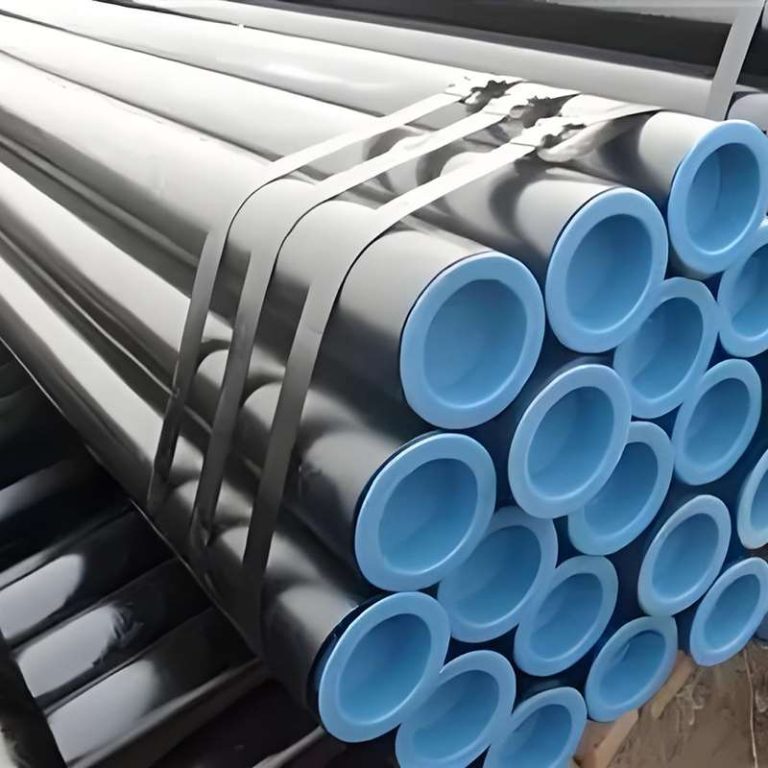
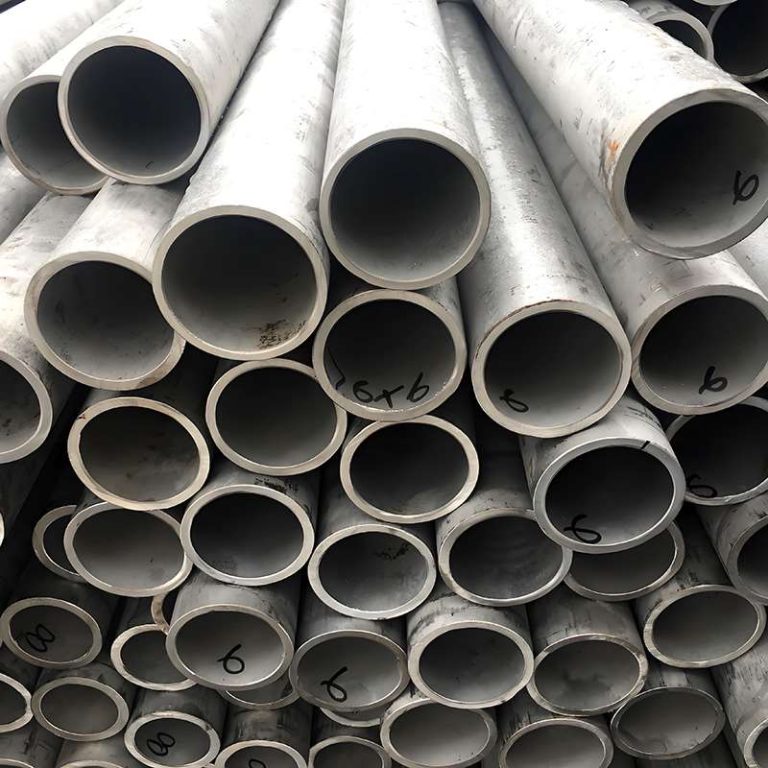
I. What Is ASTM Steel Pipe?
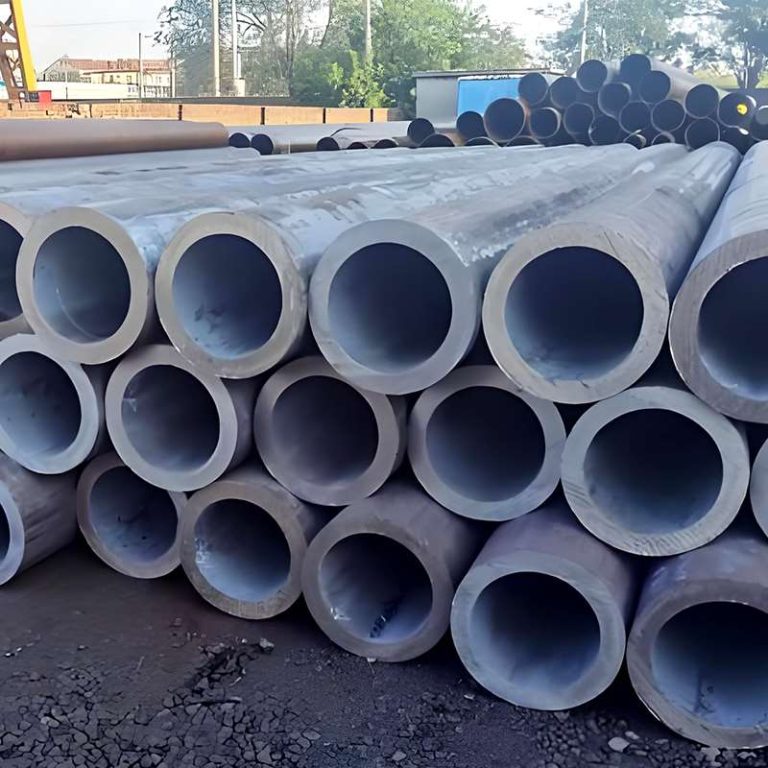
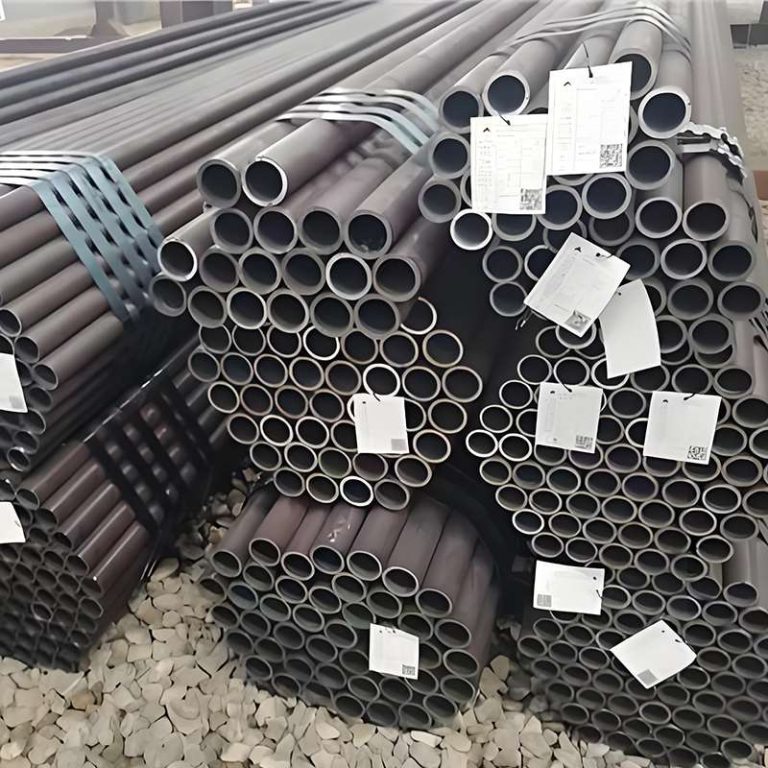
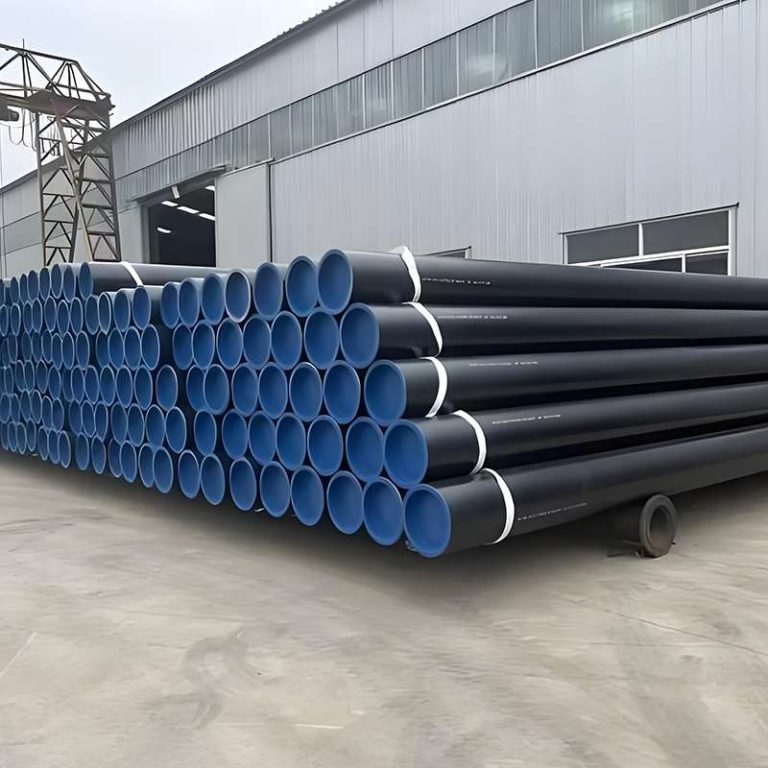
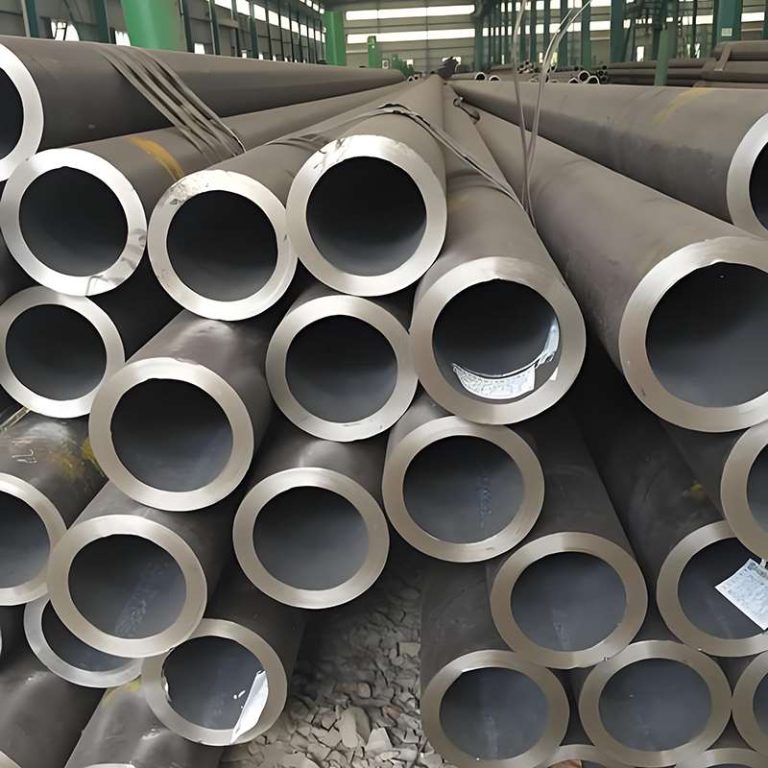
ASTM steel pipes are carbon steel pipe products manufactured in accordance with the standards established by the ASTM (American Society for Testing and Materials). These standards define strict requirements for chemical composition, mechanical properties, dimensional tolerances, and testing methods of steel pipes.
In global industrial engineering applications, ASTM steel pipes are widely recognized for their stable quality, reliable performance, and full compliance with international engineering specifications. As a result, they are extensively used in a wide range of industrial systems and structural engineering projects, where safety, consistency, and long service life are critical requirements.
II. Major ASTM Standards for Steel Tubes
| Standard |
Pipe Type |
Main Application |
| ASTM A106 |
Seamless carbon steel pipe |
High-temperature and high-pressure systems (steam, oil & gas) |
| ASTM A53 |
Seamless/welded carbon steel pipe |
General industrial piping systems |
| ASTM A333 |
Seamless steel pipe |
Low-temperature service pipelines |
| ASTM A252 |
Structural / pile steel pipe |
Bridge foundations, building foundations, and piling projects |
| ASTM A335 |
Alloy seamless steel pipe |
High-temperature and high-pressure energy systems |
III. Types of ASTM Steel Pipes
ASTM steel pipes are primarily classified into the following categories based on manufacturing processes and application requirements, with each type suitable for different engineering conditions.
1. Seamless Steel Pipes
Suitable for high-pressure, high-temperature, and critical conveyance systems
Features:
- Seamless construction provides higher overall strength
- High safety, suitable for high-risk operating conditions
- Commonly used in oil and gas systems and high-temperature steam systems
2. Welded Steel Pipes
Suitable for medium- and low-pressure industrial systems
Features:
- Lower cost
- Suitable for large-scale conveyance systems
- Widely used in water, air, and general industrial piping
3. Carbon Steel Pipes
General-purpose industrial pipe system
Features:
- Wide range of applications
- High cost-effectiveness
- Suitable for most industrial scenarios
4. Structural Steel Pipes
Used in construction and load-bearing structural engineering
Features:
- High strength and load-bearing capacity
- Used in building frames and foundation engineering
- Not used for conveying media
IV. Industrial Applications
1. Oil and Gas Industry
Typical Applications:
- Long-distance oil and gas transmission pipelines (main transmission systems)
- Pipeline networks for gathering and processing stations
- Refinery and on-site process pipelines
Standard Specifications:
- Long-distance pipelines → API 5L (core standard)
- On-site and process piping → ASTM A106 / ASTM A53
2. Petrochemical and Chemical Industries
Typical Applications:
- Refinery unit piping systems
- Chemical medium transport pipelines
- Pipelines for corrosive fluids
Common Standards:
- ASTM A106 (high-temperature, high-pressure pipelines)
- ASTM A312 (stainless-steel systems for corrosive media)
Key Selection Criteria: Temperature + Corrosiveness
3. Power and Energy Systems
Typical Applications:
- Pipeline networks in thermal and cogeneration power plants
- Steam and cooling circulation systems
- Auxiliary energy transmission pipelines
Common Standards:
- ASTM A106 (High-temperature pressure pipes)
- ASTM A335 (Alloy high-temperature pipes)
- ASTM A192 / A210 (Boiler systems)
Key Selection Criteria: High Temperature vs. Boiler System Grade
4. High-Temperature Steam and Industrial Piping Systems
Typical Applications:
- Industrial steam transmission
- Plant power distribution networks
- General high-temperature fluid systems
Common Standards:
- ASTM A106 (Core General Standard)
Key Selection Criteria: Temperature and Pressure Ratings
V. Structural Engineering Applications
In building and infrastructure engineering, ASTM steel pipes are primarily used in load-bearing structures and foundation support systems; their core function is not to transport media but to bear loads and provide structural stability.
Unlike industrial piping systems, these applications place greater emphasis on the material’s compressive strength, stability, and long-term load-bearing capacity.
Typical Application Areas:
- Building Steel Structures
- Bridge Engineering
- Infrastructure Support Systems
- Pile Foundations
Engineering Characteristics and Selection Criteria:
- High compressive and flexural strength
- Long-term structural stability
- Welding and forming properties
Suitable for structural systems subjected to both static and dynamic loads
Common Standards:
- ASTM A500 → Steel Tubes for Building Structures
- ASTM A501 → Hot-Formed Structural Steel Tubes
- ASTM A252 → Steel Tubes for Pile Foundations and Foundation Engineering
VI. ASTM Steel Pipe Selection Guide
1. Selection by Operating Temperature
High-Temperature Applications
- Recommended: ASTM A106 / ASTM A335
- Suitable for steam, high-temperature fluids, and energy systems
Low-Temperature Applications
- Recommended: ASTM A333
- Suitable for cold regions and the transport of low-temperature media
2. Selection by Pressure Rating
High-Pressure Systems
- ASTM A106 Seamless Steel Pipe
Medium- and Low-Pressure Systems
- ASTM A53 Welded or Seamless Steel Pipe
3. Select by Project Type
Industrial Fluid Conveyance Systems
ASTM A106 / ASTM A53
Chemical and Corrosive Media Systems
ASTM A312 (Stainless Steel) / ASTM A106
Structural and Civil Engineering
ASTM A500 / ASTM A252
4. Selection by Industry Application
- On-site Oil and Gas Systems → ASTM A106 / A53
- Power and Energy Systems → ASTM A106 / A335
- Building and Bridge Structures → ASTM A500 / A252
- Chemical Processing Systems → ASTM A312 / A106
VII. Frequently Asked Questions (FAQ)
Q1: In which engineering fields are ASTM steel pipes primarily used?
ASTM steel pipes are widely used in industrial piping systems and structural engineering.
- In the industrial sector, they are primarily used in pipelines within oil and gas stations, petrochemical plants, power and energy systems, and high-temperature steam transport systems.
- In structural engineering, they are primarily used in steel building structures, bridge engineering, and pile foundation and infrastructure projects (e.g., ASTM A252).
Core Value: ASTM steel pipes cover two major engineering systems: “fluid conveyance” and “structural load-bearing.”
Q2: What is the difference between ASTM A106 and ASTM A53?
The main differences between the two lie in their application conditions and performance requirements:
- ASTM A106: Suitable for high-temperature, high-pressure seamless steel pipe systems; commonly used in steam, oil and gas, and energy systems.
- ASTM A53: Suitable for general-purpose industrial piping; can be seamless or welded; suitable for medium- and low-pressure systems.
In simple terms:
- A106 = Demanding operating conditions (safer)
- A53 = General industrial applications (more economical)
Q3: Can ASTM steel pipes be used for high-pressure oil and gas pipelines?
Yes, but it is important to distinguish between application ranges.
In the oil and gas industry:
- Long-distance transmission trunk lines typically use the API 5L standard.
- On-site process piping or auxiliary systems may use ASTM A106 or A53.
Key differences:
- API 5L:** Standard for long-distance transmission pipelines
- ASTM:**Standard for on-site and industrial systems
Q4: How do you select the appropriate ASTM steel pipe standard?
Selection is typically based on four core factors:
- Temperature conditions (select A106 / A335 for high temperatures)
- Pressure rating (prioritize seamless steel pipes for high pressure)
- Medium characteristics (select A312 stainless steel for corrosive media)
- Project type (select A500 / A252 for structural engineering)
Recommendation:
- First assess the operating conditions, then select the standard—rather than selecting the product first.
Q5: Why are ASTM steel pipes widely used in international engineering projects?
The main reasons include:
- A mature standards system with clear technical requirements
- Strict quality control (chemical composition + mechanical properties + non-destructive testing)
- High compatibility with international EPC engineering systems
- Product types covering both industrial and structural applications
Inherent Advantages:
- ASTM standards ensure consistent quality and verifiability of steel pipes across engineering projects in different countries.