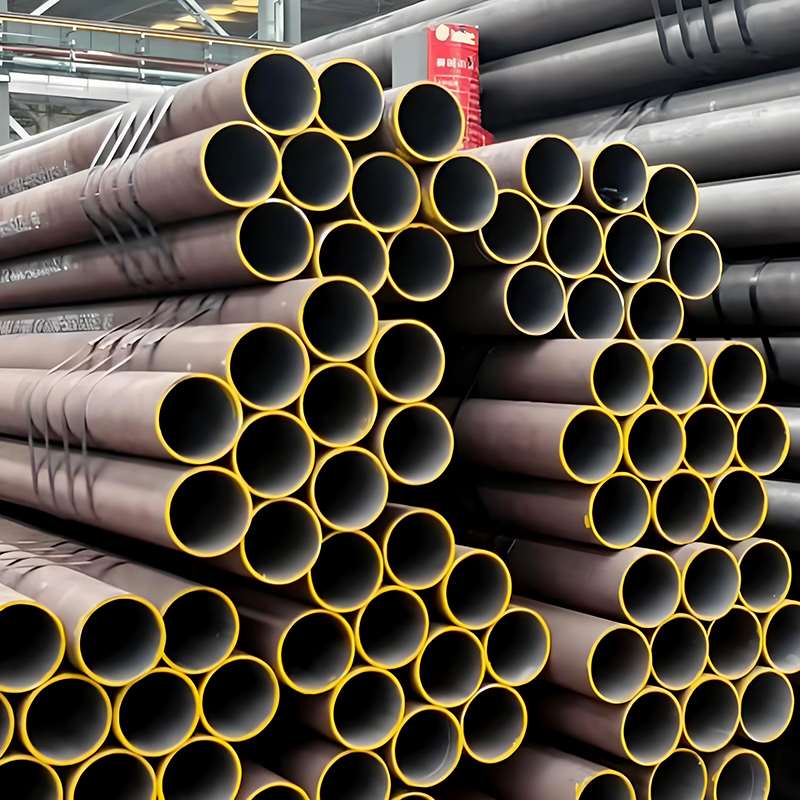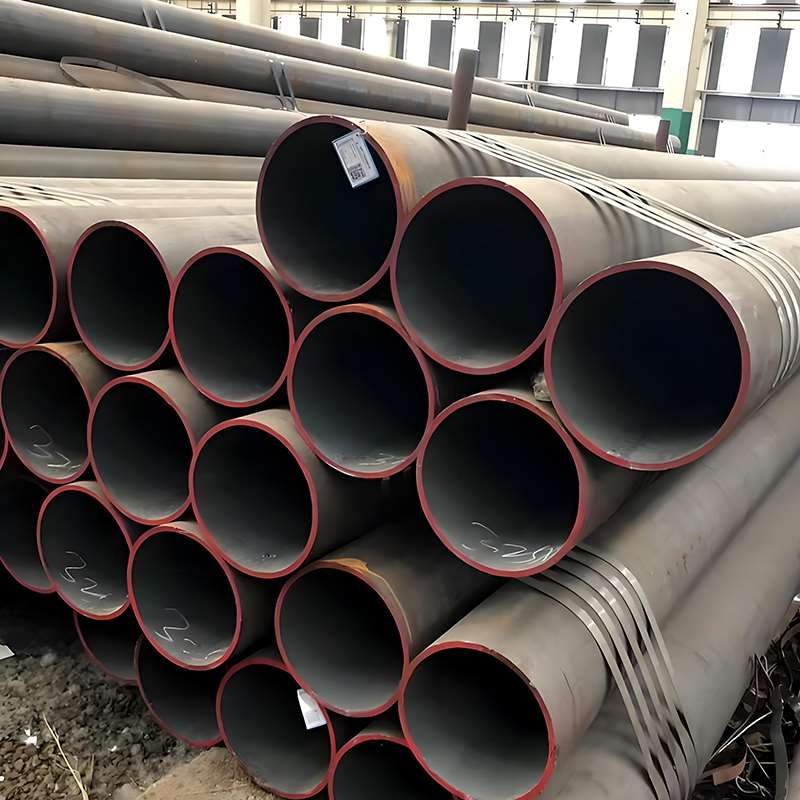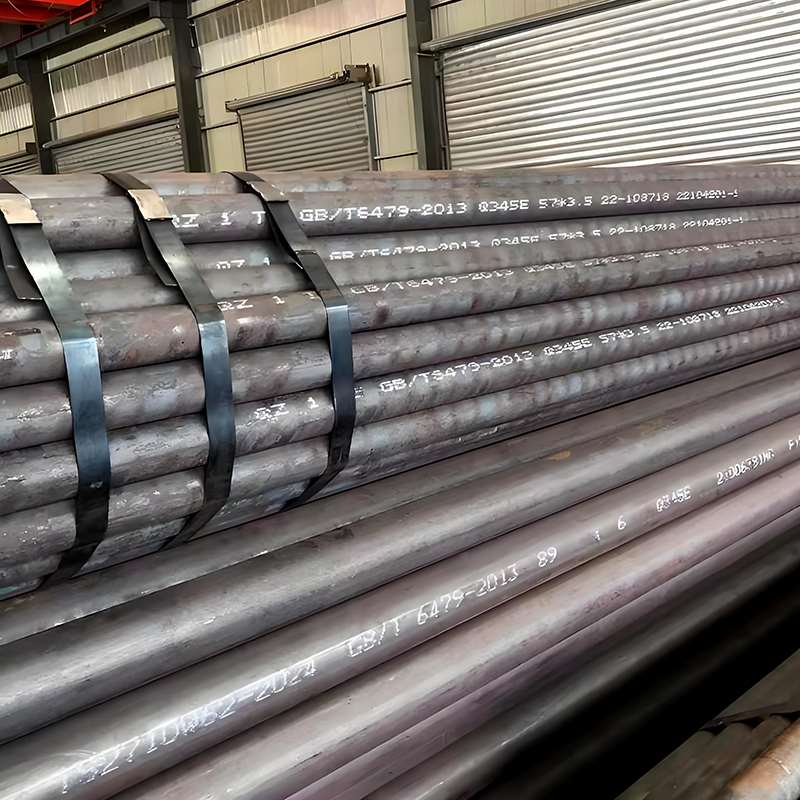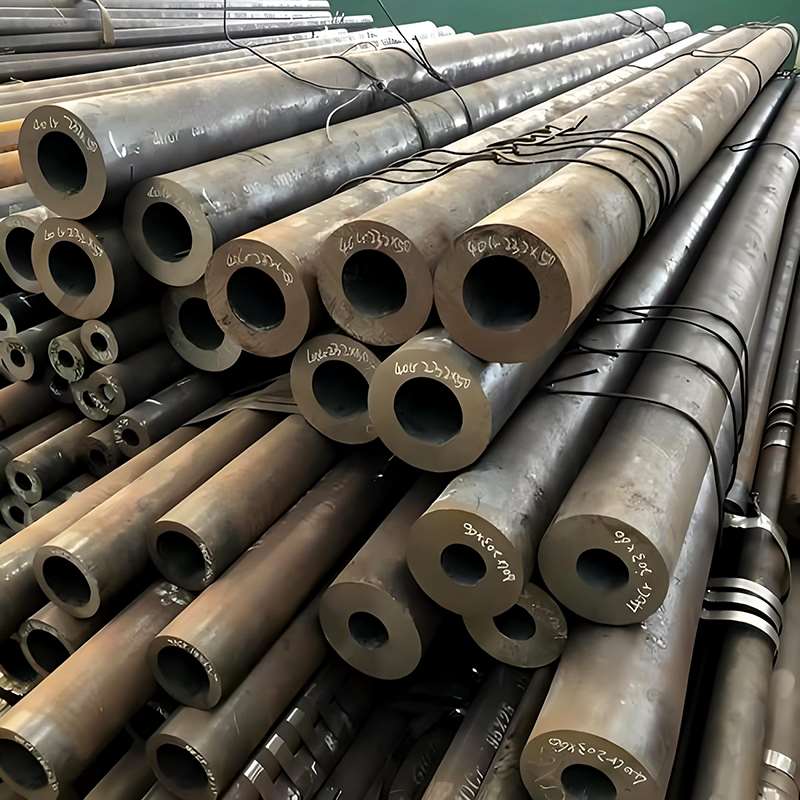
I. Overview of GB/T 9948 Seamless Steel Pipe:
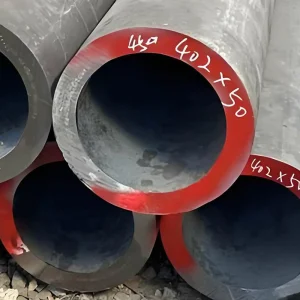
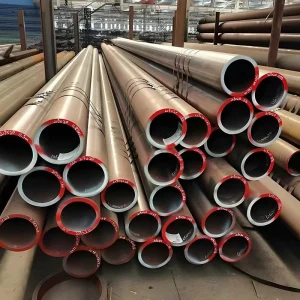
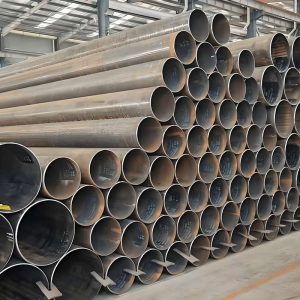
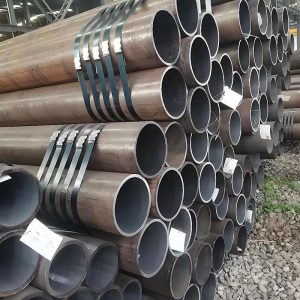
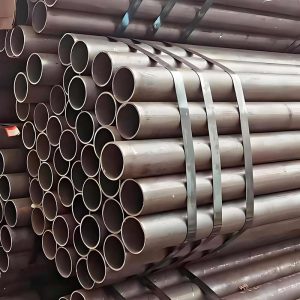
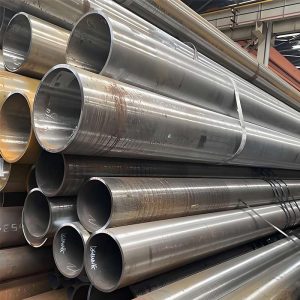
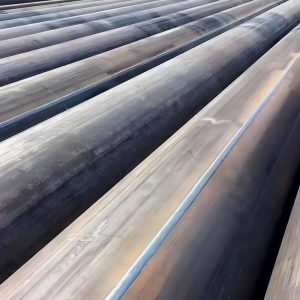
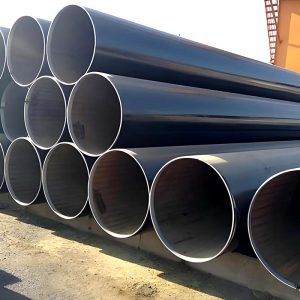
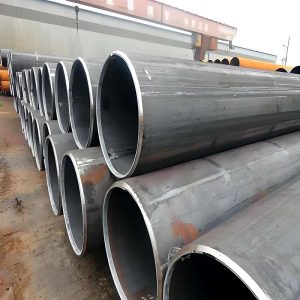
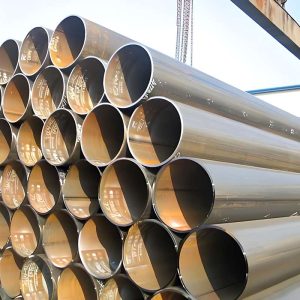
GB/T 9948 seamless steel pipes are specifically designed for petrochemical and chemical equipment applications. Capable of withstanding high temperatures, high pressures, and corrosive environments, they ensure the safety and reliability of piping systems and equipment.
Featuring precise dimensions and superior mechanical properties, these pipes meet the rigorous operational demands of critical applications—such as cracking furnaces, heat exchangers, and pressure pipelines—making them an efficient and safe piping solution for the petrochemical and chemical industries.
II. GB/T 9948 Seamless Steel Tubes: Materials and Grades
| Material Type | Common Grades / Steel Numbers | Features & Applications |
|---|---|---|
| Carbon Steel | 10, 20 | Low carbon steel, moderate strength, suitable for low-temperature or general chemical pipelines |
| Low Alloy Steel | Q345B, Q355B/D | High strength, good toughness, suitable for medium to high-pressure pipelines and chemical installations |
| Alloy Steel | 15CrMo, 12CrMo, 1Cr2Mo, 1Cr5Mo | High temperature and corrosion resistance, suitable for cracking furnace pipes, heat exchangers, and high-temperature/high-pressure conditions |
| Special Alloy Steel | CrMoV, CrMoNi, etc. (customizable) | High-temperature, high-pressure special conditions, offering superior heat and corrosion resistance |
III. GB/T 9948 Seamless Steel Pipe Selection Guide
i. General Chemical Piping / Low-Temperature Conditions
- Operating Conditions: Temperature ≤ 200°C, Pressure ≤ 1.6 MPa, Non-corrosive media
- Material Recommendation: Carbon Steel (Grades 10, 20)
- Wall Thickness Recommendation: Standard wall thicknesses may be selected based on the design pressure.
- Application Examples: General chemical pipelines, low-pressure water or gas transmission lines.
ii. Medium-to-High Pressure Chemical Facilities / Medium-Temperature Conditions
- Operating Conditions: Temperature 200–400°C, Pressure 1.6–6.4 MPa, Mildly corrosive media
- Material Recommendation: Low-Alloy Steel (Grades Q345B, Q355B/D)
- Wall Thickness Recommendation: Select pipes with thicker walls corresponding to the pressure rating to ensure an adequate safety margin.
- Application Examples: Chemical plant piping, boiler auxiliary piping, heat exchanger piping.
iii. High-Temperature, High-Pressure Conditions
- Operating Conditions: Temperature 400–550°C; Pressure 6.4–10 MPa; High-temperature corrosive media
- Material Recommendations: Alloy steel (15CrMo, 12CrMo, 1Cr2Mo, 1Cr5Mo)
- Wall Thickness Recommendations: Select standard heavy-wall or custom heavy-wall tubing to ensure pressure resistance
- Application Examples: Cracking furnace tubes, heat exchangers, high-temperature/high-pressure chemical pipelines
iv. Extreme High-Temperature/High-Pressure or Special Corrosive Conditions
- Operating Conditions: Temperature > 550°C; Pressure > 10 MPa; Highly corrosive or specialized media
- Material Recommendations: Special alloy steel (CrMoV, CrMoNi, and other custom materials)
- Wall Thickness Recommendations: Custom heavy-wall tubing calculated based on pressure requirements
- Application Examples: Specialized high-temperature/high-pressure chemical equipment, critical pressure vessels, heavy-duty petrochemical pipelines
Selection Tips:
- First, confirm the operating conditions: temperature, pressure, and medium type.
- Select the material based on the operating conditions: the material determines the pressure resistance and corrosion resistance capabilities.
- Select the wall thickness according to the pressure rating: this ensures an adequate safety margin.
- For special operating conditions, custom materials or wall thicknesses may be required.