Products

Related News

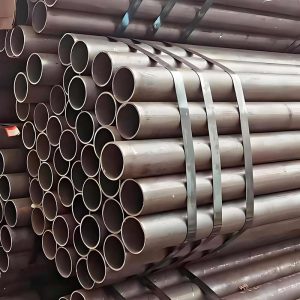
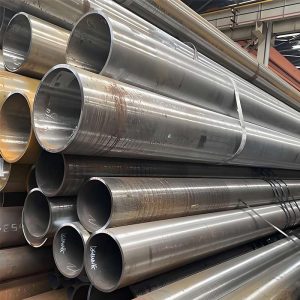
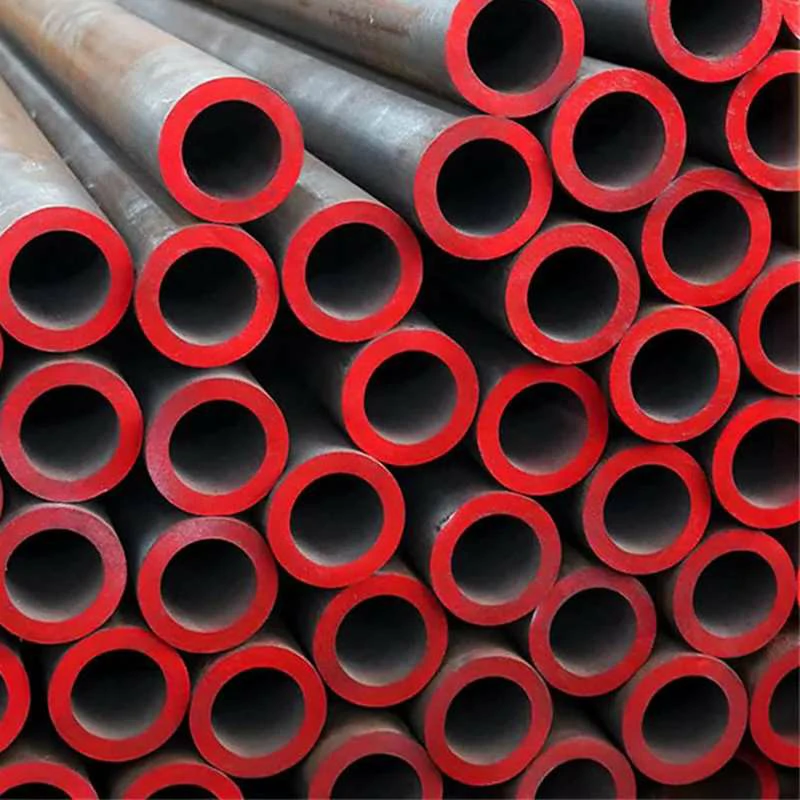
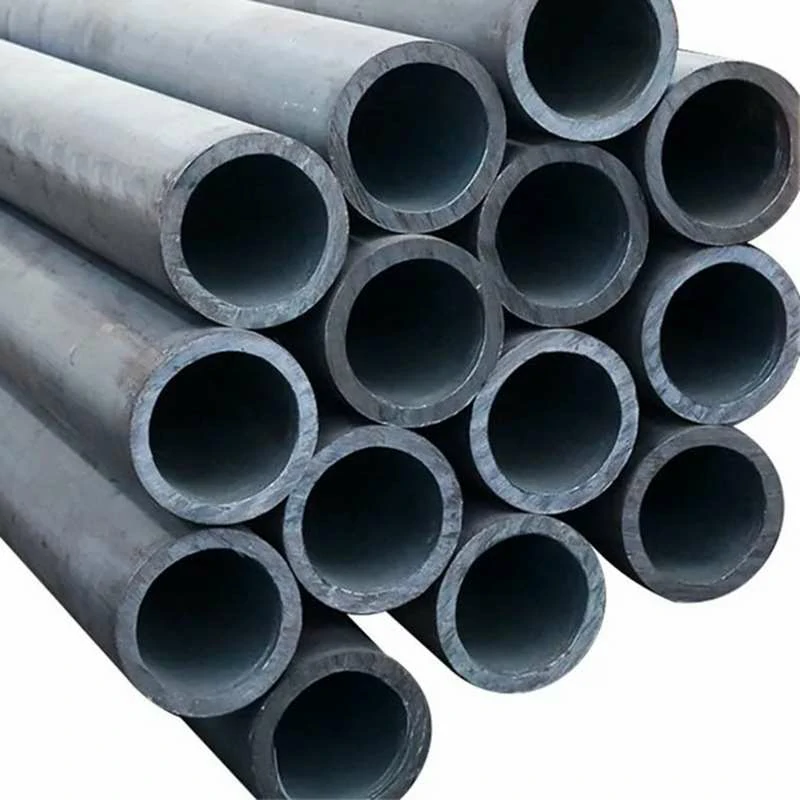
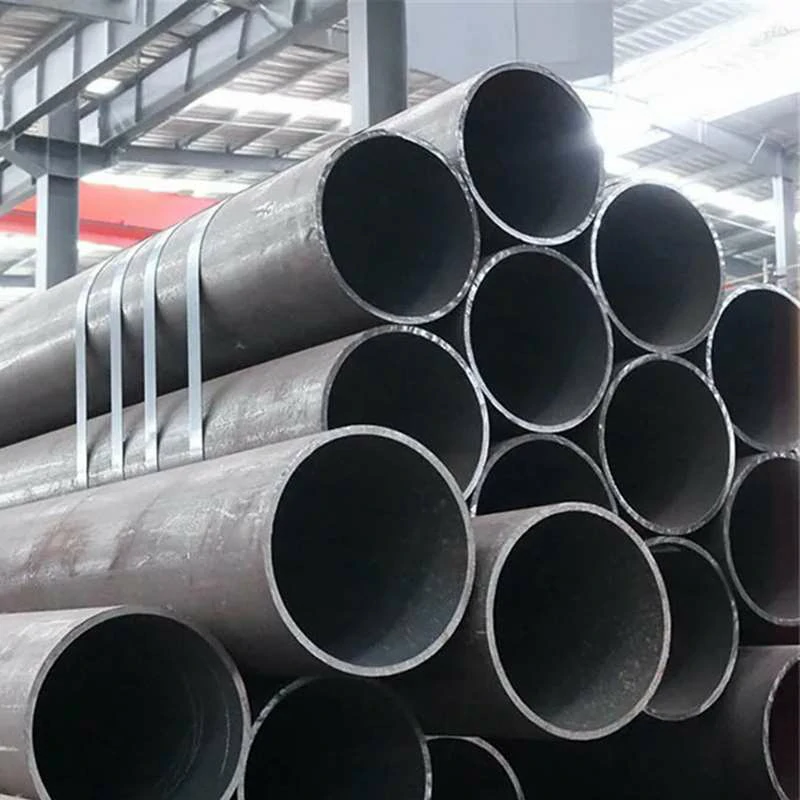
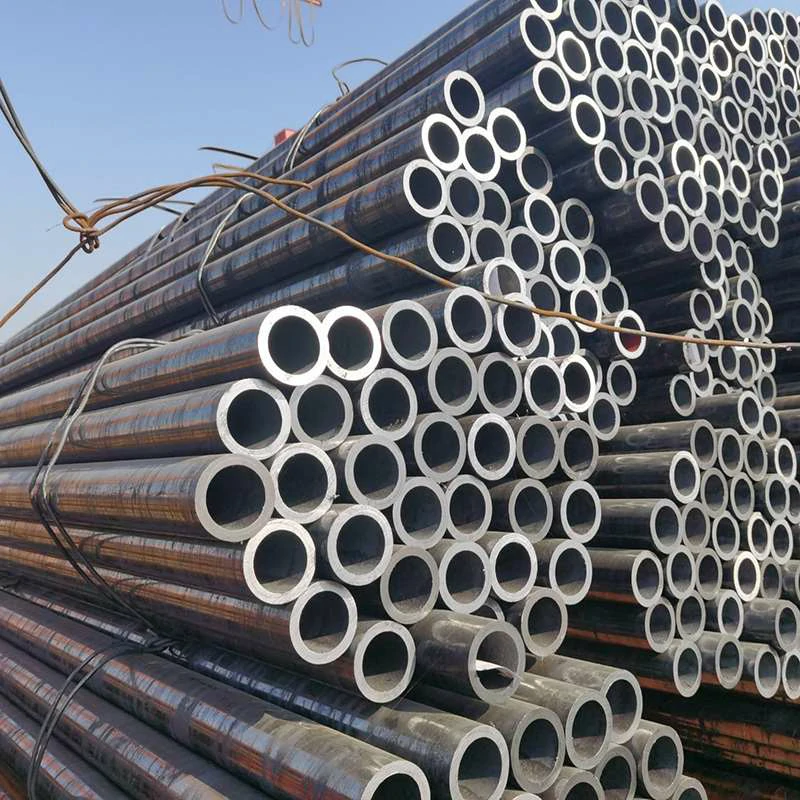
EN 10220 Seamless Steel Pipe

OD Range :

21.3 mm – 610 mm

WT Range :

2.0 mm – 16.0 mm

Length :

6 m、9 m、12 m

Tolerance :

Outer Diameter: ±1%, Wall Thickness: ±10%, Length: ±50 mm, Ovality: ≤1%

Material :

Carbon Steel: P195TR1, P235TR1, P265TR1; High-Temperature Steel: P235GH, P265GH; High-Strength Steel: P355NH, P460NH; Low-Temperature Steel: P215NL, P265NL

Standard :

EN 10220 / EN 10216

Surface :

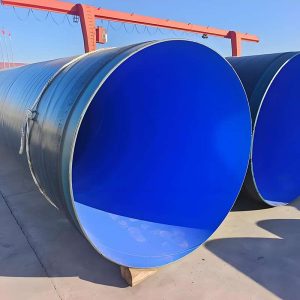
Rust-inhibiting oil, anti-corrosive paint, hot-dip galvanizing; optional epoxy coating or 3PE anti-corrosion treatment.

Application :

Industrial piping, water supply and drainage systems, boiler piping, oil and gas transmission, chemical equipment, and low- or high-temperature pressure piping.

I. Overview of EN 10220 Seamless Steel Tubes

EN 10220 seamless steel tubes are high-precision seamless steel tubes manufactured in accordance with the European standard EN 10220; they are primarily utilized in pressure piping systems. Produced from high-quality carbon steel or alloy steel, these tubes are manufactured using hot-rolling or cold-rolling processes, thereby ensuring precise dimensional accuracy and superior mechanical properties.

Primary Applications:

  • Industrial Piping: Conveyance of water, steam, gases, and chemical media
  • Boiler and Heat Exchange Equipment Piping
  • Oil and Natural Gas Transmission Pipelines
  • Pressure Piping Systems Operating in High-Temperature, Low-Temperature, or High-Pressure Environments
  • Key Features: Excellent pressure resistance, high dimensional accuracy, strong corrosion resistance, and superior weldability, making them suitable for various pressure-bearing and industrial piping projects.

II. EN 10220 Classification of Seamless Steel Pipe Grades

EN 10220 seamless steel pipes are primarily classified into grades based on their intended application and operating conditions; different grades are suitable for varying temperature, pressure, and media environments. Common steel grades are as follows:

Steel Grade CategoryExample GradesMain ApplicationsCharacteristics
General Pressure PipesP195TR1, P235TR1, P265TR1Normal temperature industrial pipelines, low-pressure water pipelinesLow cost, suitable for medium and low-pressure pipelines, good weldability
High-Temperature PipesP195GH, P235GH, P265GHBoiler pipelines, high-temperature steam pipelinesمقاومة جيدة للزحف والإجهاد عند درجات الحرارة العالية، excellent high-temperature performance
High-Strength Pressure PipesP355NH, P460NHHigh-pressure industrial pipelines, oil and gas applicationsHigh yield strength, suitable for high-pressure pipeline systems
Low-Temperature PipesP215NL, P265NLLow-temperature liquid pipelines, cold region projectsGood low-temperature toughness, high resistance to brittle fracture

III. EN 10220 Seamless Steel Tubes: Table of Chemical Composition and Mechanical Properties by Steel Grade

Steel GradeMain Chemical Composition (%)Yield Strength ReH (MPa)Tensile Strength Rm (MPa)Elongation A (%)
P195TR1C ≤0.22, Mn 0.35–1.20, Si ≤0.10, P ≤0.035, S ≤0.035≥195300–430≥23
P235TR1C ≤0.22, Mn 0.35–1.20, Si ≤0.10, P ≤0.035, S ≤0.035≥235360–510≥22
P265TR1C ≤0.22, Mn 0.50–1.30, Si ≤0.10, P ≤0.035, S ≤0.035≥265410–560≥21
P235GHC ≤0.22, Mn 0.35–1.20, Si ≤0.10, P ≤0.025, S ≤0.025≥235360–510≥22
P265GHC ≤0.22, Mn 0.50–1.30, Si ≤0.10, P ≤0.025, S ≤0.025≥265410–560≥21
P355NHC ≤0.22, Mn 0.50–1.50, Si ≤0.50, P ≤0.025, S ≤0.025≥355470–630≥20
P460NHC ≤0.22, Mn 0.50–1.50, Si ≤0.50, P ≤0.025, S ≤0.025≥460520–680≥19
P215NLC ≤0.22, Mn 0.35–1.20, Si ≤0.10, P ≤0.025, S ≤0.025≥215330–480≥25
P265NLC ≤0.22, Mn 0.50–1.30, Si ≤0.10, P ≤0.025, S ≤0.025≥265410–560≥23

IV. EN 10220 Seamless Steel Pipe Procurement Process

1. Requirements Confirmation

  • Clarify the pipeline specifications for the engineering project: Outer Diameter, Wall Thickness, Length, and Steel Grade.
  • Determine the intended application and operating conditions: Pressure, Temperature, and Medium Type.
  • Specify surface treatment requirements: Anti-rust oil, Painting, Galvanizing, or Anti-corrosion coating.

2. Technical Selection

  • Select the appropriate steel grade (TR1, GH, NH, NL series) based on the operating pressure, temperature, and medium.
  • Determine the required pipe lengths and tolerance specifications.
  • If special pipe materials are required (for low-temperature, high-pressure, or high-temperature applications), confirm with the manufacturer in advance.

3. Supplier Consultation

  • Consult with qualified steel pipe manufacturers or distributors regarding pricing and delivery lead times.
  • Provide project parameters, technical requirements, required quantities, and intended applications.
  • Obtain technical proposals, price quotations, production schedules, and quality certifications.

4. Sample Confirmation (Optional)

  • For critical pipe diameters or special steel grades, small batch samples can be requested first.
  • Samples are used to confirm dimensions, surface finish, material properties, and weldability.
  • Ensuring compliance with project construction requirements.

5. Contract Signing

  • Clarify contract terms: price, delivery time, packaging, shipping method, and acceptance criteria.
  • Confirm quality standards and test reports (EN 10204 3.1 / 3.2).
  • Confirm after-sales service and technical support.

6. Production and Inspection

  • The manufacturer produces seamless steel pipes according to EN 10220 standards.
  • Complete visual inspection, dimensional checks, chemical composition, mechanical properties, and hydrostatic testing.
  • Provide factory inspection reports or third-party testing reports.

7. Packaging and Transportation

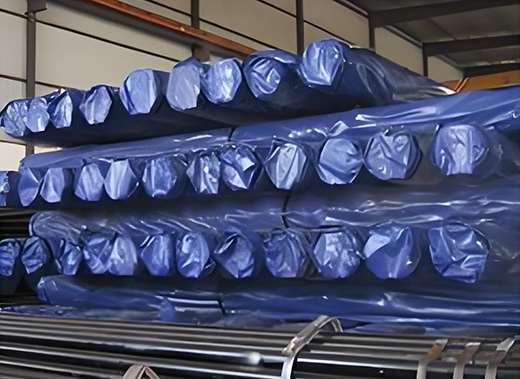
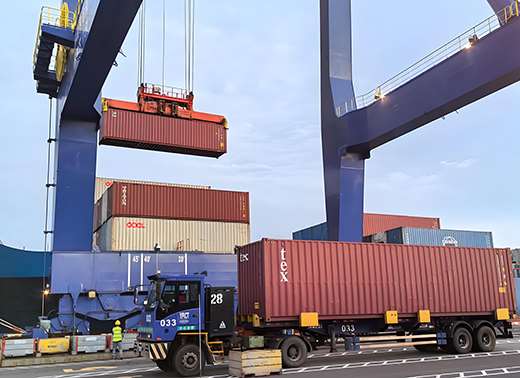
Bundle or palletize pipes according to diameter and length. Protect with anti-rust oil or anti-corrosion film. Ensure the pipes are not damaged during transportation.

8. Acceptance Upon Arrival

Check the quantity, specifications, length, and surface treatment of the pipes. Verify the factory inspection report against the contract requirements. Sign for receipt after confirming there are no defects.

9. Construction and Installation

Install the pipes according to the design drawings. Pay attention to welding, bending, and fixing requirements. Pressure testing can be conducted after installation to ensure safety.
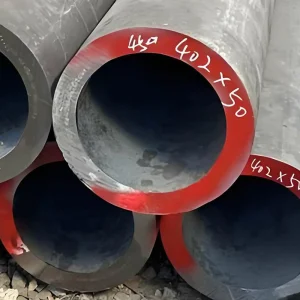
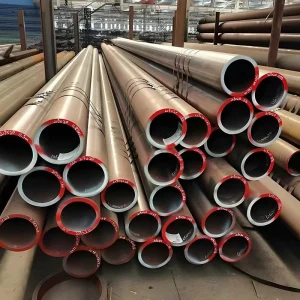
Related Products

Outside Diameter (mm) Wall Thickness (mm)
21.3 2.0, 2.5, 3.0
26.9 2.0, 2.5, 3.2
33.7 2.0, 2.5, 3.5
42.4 2.0, 2.5, 3.6, 4.0
48.3 2.0, 2.5, 3.6, 4.0, 4.5
60.3 2.0, 2.5, 3.6, 4.0, 4.5, 5.0
76.1 3.0, 3.6, 4.0, 4.5, 5.0, 5.5
88.9 3.0, 3.6, 4.0, 4.5, 5.0, 6.0
114.3 4.0, 4.5, 5.0, 6.0, 7.0
139.7 4.5, 5.0, 6.0, 7.0, 8.0
168.3 5.0, 6.0, 7.0, 8.0, 9.0
219.1 6.0, 7.0, 8.0, 9.0, 10.0
273.0 7.0, 8.0, 9.0, 10.0, 11.0
323.9 8.0, 9.0, 10.0, 11.0, 12.0
355.6 8.0, 10.0, 11.0, 12.0, 14.0
406.4 10.0, 12.0, 14.0, 16.0
457.0 10.0, 12.0, 14.0, 16.0
508.0 12.0, 14.0, 16.0
610.0 14.0, 16.0

EN 10220 is a European standard that primarily specifies the dimensions, outer diameter, wall thickness, and tolerances of steel pipes. It is used in conjunction with the EN 10216 series (requirements for seamless steel pipe materials, mechanical properties, chemical composition, etc.).

Standard Name: EN 10220 – Steel Pipes for Pressure Purposes – Dimensions and Tolerances
Scope: Specifies the outer diameter, wall thickness, length, and permissible deviations of seamless steel pipes.
Supporting Material Standards:

EN 10216 series (specifies steel grade, chemical composition, and mechanical properties)
Common Steel Grades: P195TR1, P235TR1, P265TR1, P235GH, P265GH, P355NH, etc.

Inspection and Acceptance Requirements:

Visual Inspection: Smooth surface, free from cracks, rust spots, or defects.
Dimensional Inspection: Outer diameter, wall thickness, length, ovality, straightness.
Chemical Composition Analysis and Mechanical Property Testing
Pressure Testing (according to operating conditions)

Applications:

Industrial Piping
Water Supply and Drainage Piping
Boiler and Heat Exchange Equipment Piping
Oil and Natural Gas Transmission Piping
High Temperature, Low Temperature, and High Pressure Piping Systems

Notes: EN 10220 mainly specifies dimensions and tolerances; steel properties should be referenced in the supporting EN 10216. Series Standards

1. Raw Material Inspection

Inspect the chemical composition and quality of the steel billet or steel pipe blank.
Ensure compliance with EN 10216 material requirements.

2. Billet Opening/Heating

Heat the steel billet to a suitable temperature (usually around 1200℃ for hot rolling).
Ensure plastic deformation performance.

3. Piercing/Forming

Hot-rolled seamless tube: The steel billet is pierced to form a rough tube, then rolled in multiple passes to achieve the required outer diameter and wall thickness.
Cold-rolled or cold-drawn seamless tube: Dimensions are finished through cold working to improve surface finish and precision.

4. Heat Treatment (if applicable)

Normalizing, annealing, or quenching and tempering. Improves mechanical properties and toughness.

5. Sizing and Straightening

Corrects pipe curvature and ovality. Adjusts to standard outer diameter and wall thickness.

6. Cutting to Length

Cuts to customer requirements or standard lengths: 6 m, 9 m, 12 m, or other fixed lengths.

7. Surface Treatment

Rust-preventive oil, anti-corrosion paint, hot-dip galvanizing. Optional epoxy coating or 3PE anti-corrosion coating.

8. Inspection and Testing

Visual inspection: No cracks, rust spots, or scratches on the surface.
Dimensional inspection: Outer diameter, wall thickness, length, ovality, straightness.
Chemical composition and mechanical property testing.
Pressure testing (if required).

9. Packaging and Warehousing

Built tubes, pallet packaging.
Protective measures to prevent transportation damage.

Inspection Item Inspection Content Standard / Requirement Inspection Purpose
Visual Inspection Check whether the pipe surface is smooth and free of cracks, rust spots, and scratches Visual inspection in accordance with EN 10220 / EN 10216 Ensures good appearance and prevents corrosion initiation
Dimensional Inspection Outside diameter, wall thickness, length, ovality, straightness EN 10220 tolerance requirements: OD ±1%, WT ±10%, ovality ≤1%, length ±50 mm Ensures dimensional accuracy for proper installation and fitting
Chemical Composition Analysis C, Mn, Si, P, S, Al, etc. EN 10216 material standard Ensures mechanical properties and weldability
Mechanical Properties Test Yield strength, tensile strength, elongation, impact toughness EN 10216 steel grade requirements Verifies pressure resistance and durability
Hydrostatic Test Pressure resistance under working and safety factor conditions According to project requirements Ensures pressure-bearing capacity and safe operation
Non-Destructive Testing (NDT) Detection of internal defects in welds or pipe body (radiographic, ultrasonic) ISO / EN NDT standards Ensures no internal defects such as cracks or porosity
Surface Anti-Corrosion Inspection Thickness of anti-rust coating, epoxy / 3PE coating quality Manufacturer standard or reference to EN 10220 / EN 10216 Ensures corrosion resistance and extends service life

EN 10220 Seamless Steel Pipe FAQ

1. Q: What types of pipelines are suitable for using EN 10220 seamless steel pipes?

A: Suitable for industrial pipelines, water supply and drainage pipelines, boiler pipelines, oil and gas transmission pipelines, and low-temperature, high-temperature, or high-pressure pipeline systems.

2. Q: What is the difference between EN 10220 and EN 10216?

A: EN 10220 mainly specifies the dimensions, outer diameter, wall thickness, and tolerances of the pipes; the EN 10216 series specifies the steel grade, chemical composition, and mechanical properties of the pipes. The two are usually used together.

3. Q: What steel grades are available for EN 10220 seamless steel pipes?

A: Common steel grades include:
General pressure bearing: P195TR1, P235TR1, P265TR1
High temperature piping: P235GH, P265GH
High strength pressure bearing: P355NH, P460NH
Low temperature piping: P215NL, P265NL

4. Q: What is the standard size range for EN 10220 seamless steel pipes?

A: Outer diameter range: 21.3 mm – 610 mm; Wall thickness range: 2.0 mm – 16.0 mm; Standard length: 6 m, 9 m, 12 m, custom length production available.

5. Q: What surface treatments are available for the pipes?

A: Rust-preventive oil, anti-corrosion paint, hot-dip galvanizing are available. Epoxy coating or 3PE anti-corrosion treatment can also be provided according to project requirements.

6. Q: How do you ensure the reliability of pipe quality?

A: All pipes are manufactured according to EN 10220/EN 10216 standards, and undergo dimensional inspection, chemical composition analysis, mechanical property testing, hydrostatic testing, and visual inspection. We can provide an EN 10204 factory inspection report or a third-party testing report.