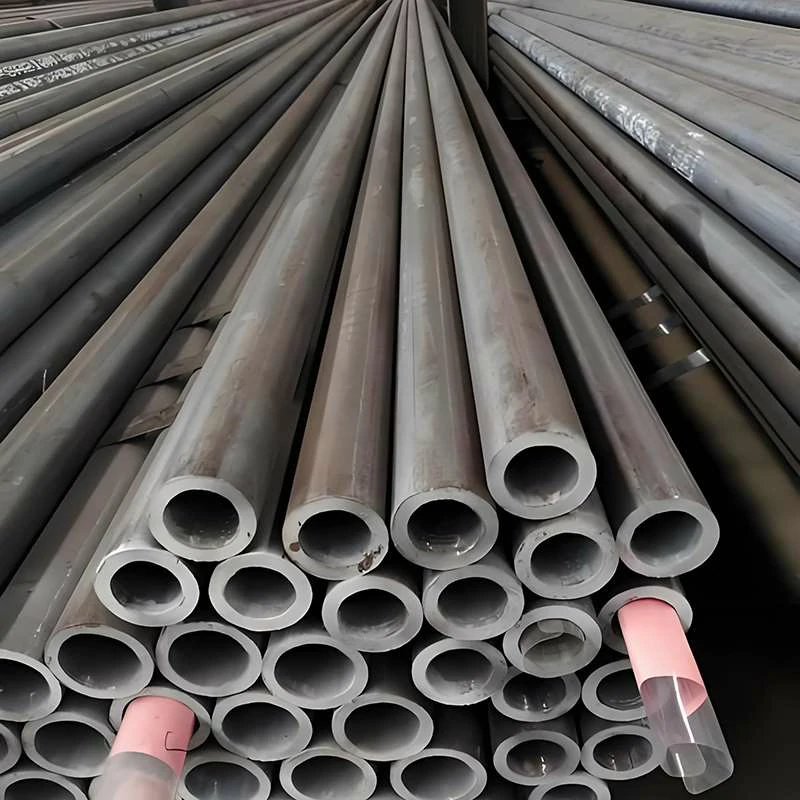
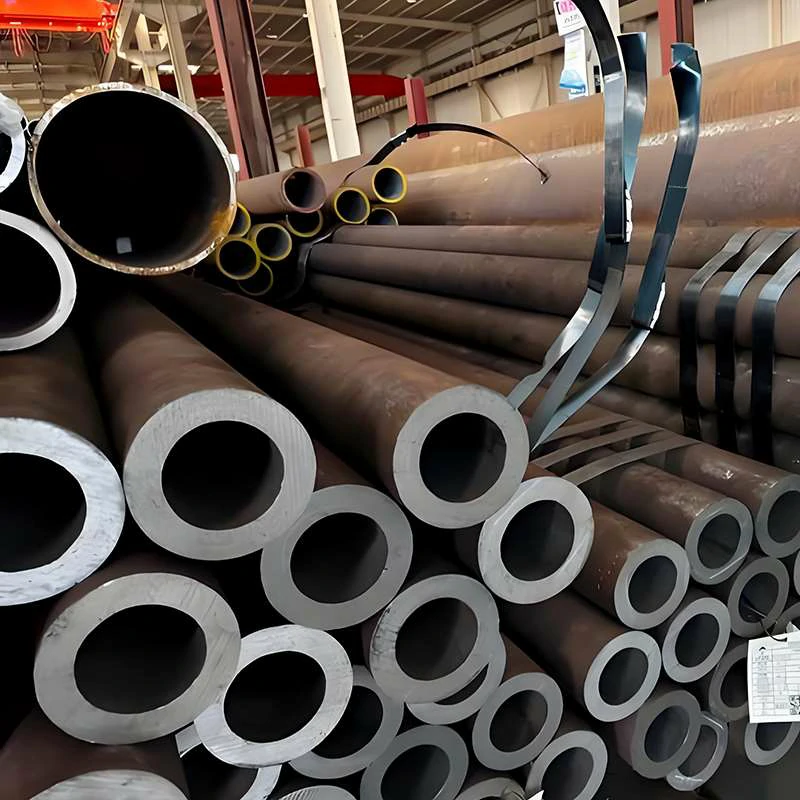
FAQ 1: How to select the appropriate steel pipe wall thickness based on the boiler’s operating pressure?
A:
The wall thickness of boiler pipes is mainly determined by the design pressure, pipe diameter, and safety factor. Generally, the higher the pressure, the thicker the pipe wall needs to be.
Engineering designs typically follow pressure vessel or boiler design specifications to ensure that the pipes will not deform or rupture under long-term high-pressure operation.
Recommended selection criteria:
Low-pressure boiler systems: Thinner-walled steel pipes can be selected.
Medium- and high-pressure boiler systems: Thicker-walled steel pipes are required.
Also, allowance should be made for corrosion tolerance to ensure long-term safety.
FAQ 2: What are the common size ranges for boiler steel tubes according to EN 10224?
Answer:
Common size ranges in engineering projects are generally as follows:
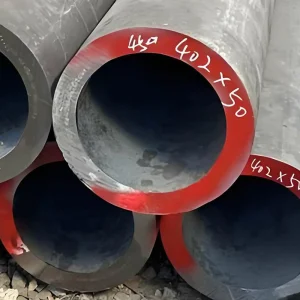
Outer Diameter (OD): 21.3 mm – 660 mm
Wall Thickness (WT): 2.5 mm – 60 mm
Length: 6 m, 9 m, 12 m or standard length
Small diameter steel tubes are typically used for boiler heating tubes or connecting pipes, while large diameter steel tubes are more commonly used for main steam pipelines or transmission pipelines. The actual size needs to be selected based on flow rate, pressure, and piping layout.
FAQ 3: What are the applicable operating conditions for EN 10224 boiler steel tubes?
A:
These steel tubes are mainly used in pressurized fluid transport systems. Typical applications include:
Boiler steam transport pipelines
Industrial hot water systems
Power plant boiler pipelines
Industrial heating systems
High-temperature and high-pressure fluid transport. If the operating condition is a high-temperature and high-pressure steam system, it is usually necessary to consider both the material’s temperature resistance and creep resistance, and ensure that the steel tubes undergo appropriate heat treatment.
FAQ 4: How to determine if boiler steel pipes meet standards?
A:
Qualified boiler steel pipes typically undergo multiple tests, including:
Chemical composition testing (ensuring material meets steel grade requirements)
Mechanical property testing (yield strength, tensile strength, elongation)
Non-destructive testing (ultrasonic or eddy current testing for internal defects)
Hydraulic pressure testing (testing pressure resistance)
Dimensional and visual inspection. When purchasing, suppliers should be required to provide material certificates and test reports.
FAQ 5: Should seamless or welded steel pipes be chosen for boiler projects?
A:
This depends on the pressure rating and safety requirements:
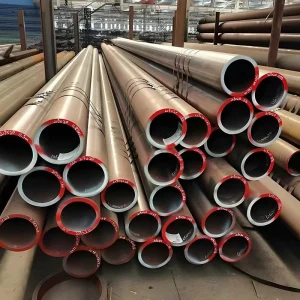
High-pressure boiler systems: Seamless steel pipes are generally preferred due to their uniform structure and stronger pressure resistance.
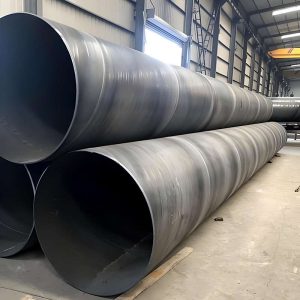
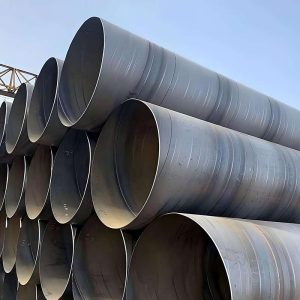
Medium and low-pressure piping systems: Welded steel pipes can meet the requirements while being less expensive.
For critical pressure piping or main steam piping, projects generally prefer seamless boiler steel pipes.
FAQ 6: What key parameters need to be confirmed when purchasing EN 10224 boiler steel pipes?
A:
To avoid purchasing errors, the following technical parameters usually need to be clarified:
Outer diameter (OD)
Wall thickness (WT)
Length or standard length requirements
Steel grade/material
Standard (EN 10224)
Heat treatment condition
Testing requirements (UT, Hydro Test, etc.)
Surface treatment or corrosion protection requirements
For large-scale projects, packaging methods, marking methods, and transportation requirements also need to be confirmed.