Products

Related News

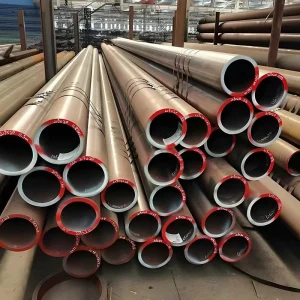
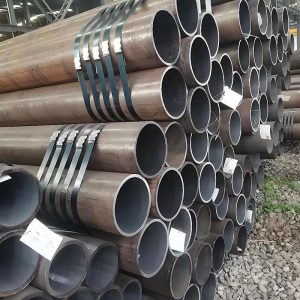
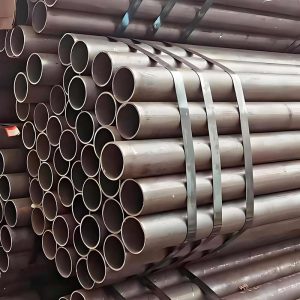
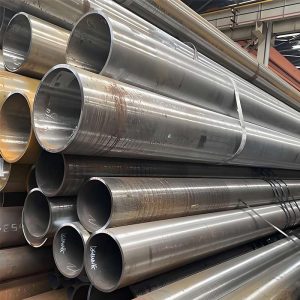
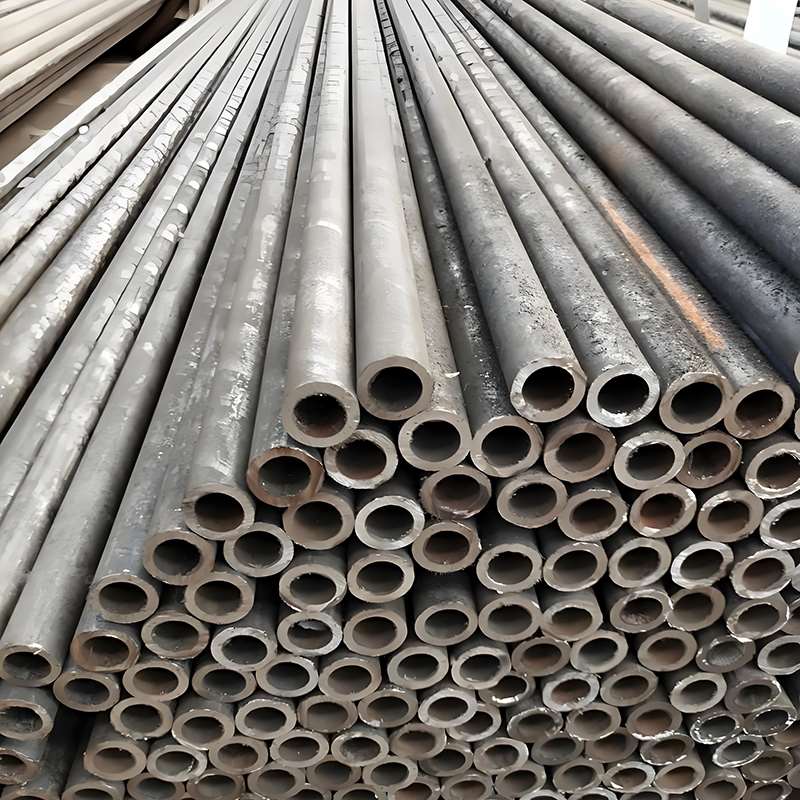
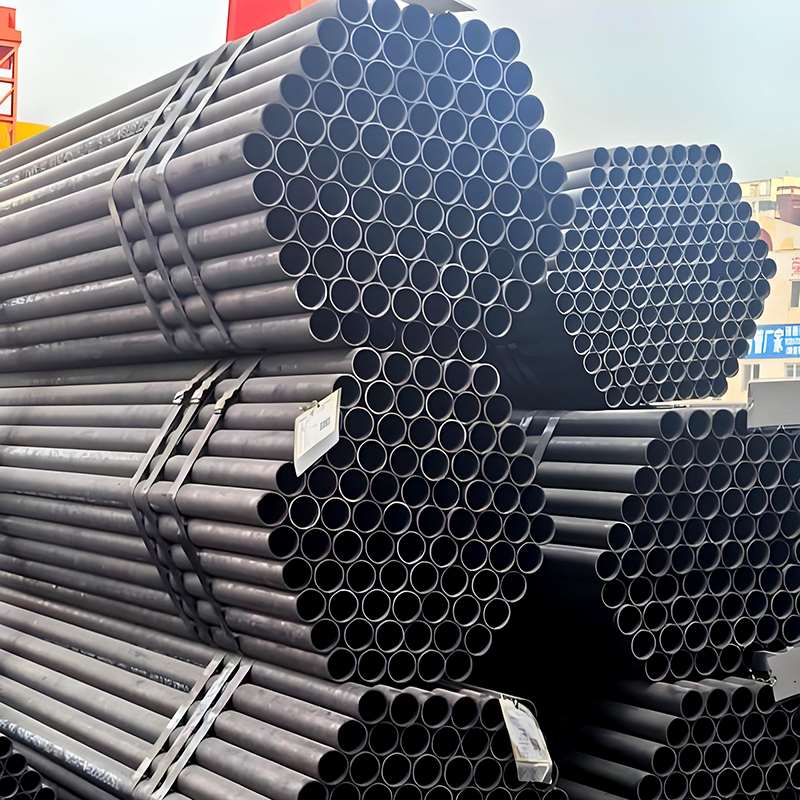
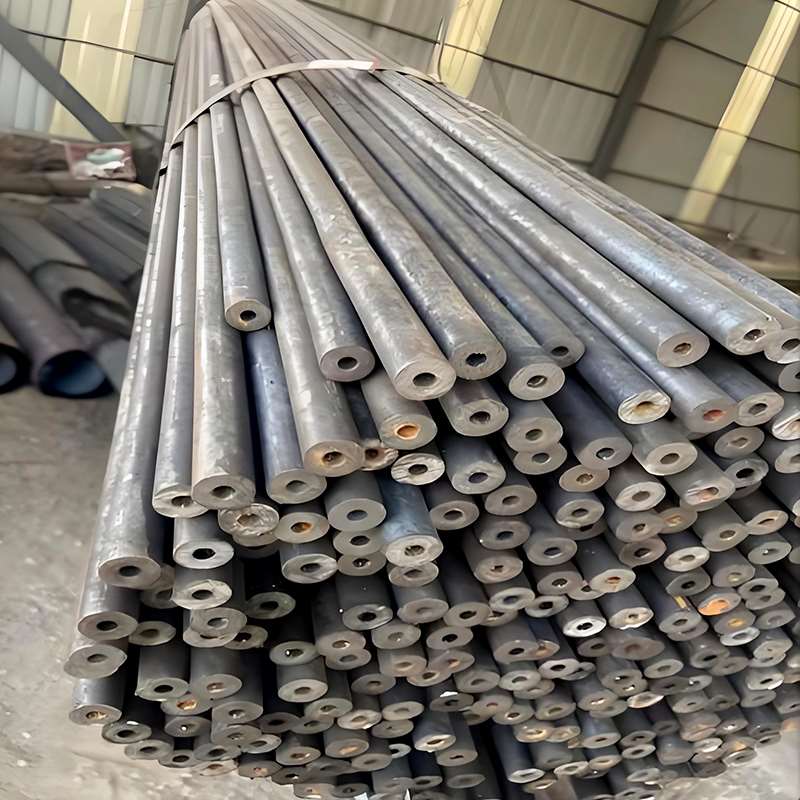
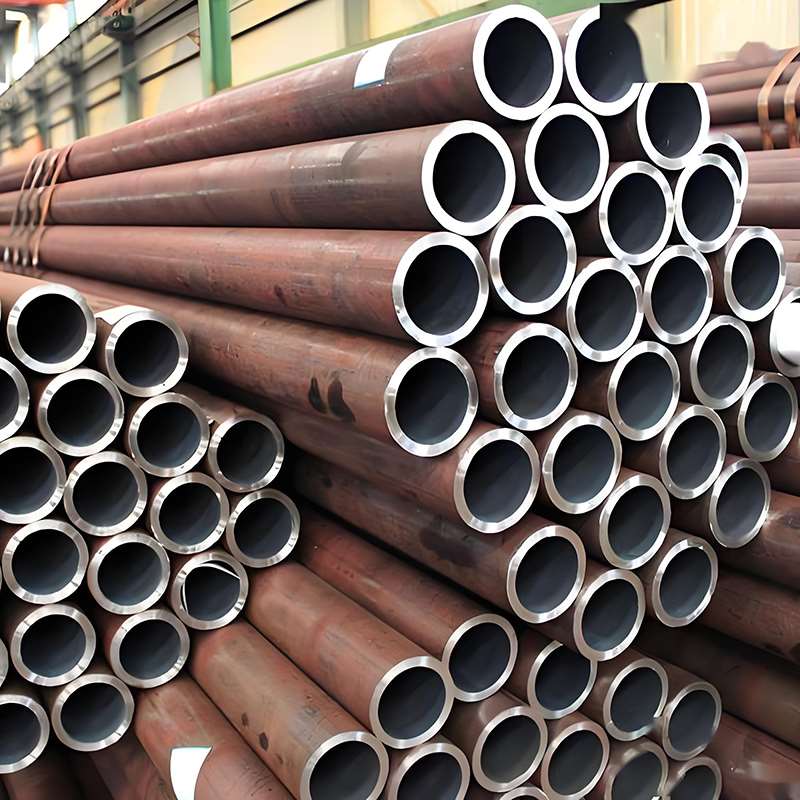
GB/T 3639 Cold Drawn Seamless Steel Tube

OD Range :

10mm – 273mm

WT Range :

1mm – 20mm

Length :

3m – 12m

Tolerance :

Outer Diameter Tolerance: ±0.1 mm – ±0.3 mm ,Wall Thickness Tolerance: ±0.05 mm – ±0.3 mm

Material :

20#、45#、Q235、Q345、20Cr、40Cr

Standard :

GB/T 3639-2008

Surface :

Bright (Cold-Drawn) Finish, Anti-Rust Oil Coating, Suitable for Galvanizing, Suitable for Painting

Application :

Hydraulic Systems, Mechanical Manufacturing, Automotive Components, Engineering Equipment, Petrochemicals

Introduction :

GB/T 3639 Cold-Drawn Seamless Precision Steel Tubes: Precise Dimensions, Smooth Surface, and Excellent Mechanical Properties.

I. Overview of GB/T 3639 Cold Drawn Seamless Steel Tubes

GB/T 3639 cold drawn seamless precision steel tubes are high-precision, seamless steel tubes produced through cold drawing or cold rolling processes, manufactured using carbon steel or alloy steel.

This product is characterized by precise dimensions, tight outer diameter tolerances, uniform wall thickness, a smooth surface finish, and excellent mechanical properties. It is suitable for applications in industries such as hydraulic systems, mechanical manufacturing, automotive components, engineering equipment, and petrochemicals.

Customized options regarding length, wall thickness, and surface treatments—such as bright finish, rust-preventive oil coating, or galvanizing—can be provided to meet specific customer requirements.

II. Material and Grades of GB/T 3639 Cold-Drawn Seamless Steel Tubes

Material CategoryCommon Grade / ModelDescription
Carbon Steel20#, 45#, Q235, Q345Common precision steel pipe materials; suitable for machining, hydraulic pipes, structural components; easy to process and cost-effective
Alloy Steel20Cr, 40Cr, 35CrMo, 42CrMoContains elements like Cr and Mo; higher strength and wear resistance; suitable for high-load mechanical parts and engineering equipment
Special Steel27SiMn, 40SiMn, other custom alloysUsed for special mechanical performance requirements or high wear/high-strength applications; customizable according to customer needs

III. GB/T 3639 Precision Steel Tubes: Suitable Operating Conditions

Operating Condition TypeRecommended Material / GradeSelection Notes
General Mechanical Structures, Supports, PipesQ235, 20#For structural components not subjected to high pressure or high strength; cost-effective and easy to machine
Hydraulic Systems, Pneumatic EquipmentQ345, 45#Requires high dimensional accuracy and uniform wall thickness to ensure hydraulic sealing and safety
High-Strength Mechanical Parts, Drive Shafts40Cr, 35CrMoRequires high tensile strength and wear resistance; suitable for high-load and frequently moving parts
High-Wear or Impact Environments42CrMo, 27SiMnHigh strength and toughness; suitable for heavy-duty machinery or high-impact conditions
High-Temperature or Corrosive EnvironmentsSpecial Alloy Steel (Custom)Select materials resistant to high temperature and corrosion according to customer requirements to ensure long-term safety

VI. GB/T 3639 Cold Drawn Seamless Steel Tube: Selection Guide

1. Define the Application

  • Hydraulic systems or pneumatic equipment → Requires precision steel tubes with high dimensional accuracy and uniform wall thickness.
  • Mechanical structures or support components → Carbon steel is a suitable choice, prioritizing machinability and cost-effectiveness.
  • High-strength parts or heavy-duty machinery → Select alloy steel or high-strength carbon steel.

2. Determine Operating Conditions and Load Requirements

  • Subject to high pressure, impact, or frequent movement → High-strength alloy steel (e.g., 40Cr, 42CrMo).
  • General load conditions → Q235 or 20# carbon steel is sufficient.

3. Select the Appropriate Material Grade

  • Carbon Steel: 20#, 45#, Q235, Q345 → Low cost and easy to process; suitable for general mechanical and hydraulic tubing applications.
  • Alloy Steel: 20Cr, 40Cr, 35CrMo, 42CrMo → High strength and excellent wear resistance; suitable for high-load or wear-intensive environments.
  • Specialty Steel: 27SiMn or Custom Alloys → Suitable for high-temperature, corrosion-resistant, or environments with specific specialized requirements.

4. Match Dimensions and Tolerances

  • Hydraulic, Pneumatic, and Precision Machinery Applications → Select tubing with an outer diameter tolerance of ±0.1–0.2 mm and a wall thickness tolerance of ±0.05–0.1 mm.
  • General Mechanical Applications → Standard tolerances of ±0.2–0.3 mm are acceptable.

5. Consider Surface Treatment

  • Humid or Corrosive Environments → Rust-inhibiting oil coating, galvanizing, or painting.
  • High Precision and Smoothness Requirements → Bright cold-drawn finish.

6. Length Selection

  • Select the length based on processing requirements (custom-cut lengths ranging from 3 to 12 meters are available).
  • Consider ease of transportation and installation.

7. Final Verification Standards

  • Verify that the tubing complies with the GB/T 3639-2008 standard for precision steel tubes.
  • Material Test Certificates (MTC) or third-party inspection reports can be provided upon request.
Related Products

Outer Diameter (mm) Wall Thickness (mm) Standard Length (m) OD Tolerance (mm) WT Tolerance (mm)
10 1 – 2 3 – 12 ±0.1 ±0.05
12 1 – 2.5 3 – 12 ±0.1 ±0.05
14 1 – 3 3 – 12 ±0.1 ±0.05
16 1 – 3 3 – 12 ±0.1 ±0.05
18 1.5 – 3.5 3 – 12 ±0.1 ±0.05
20 1.5 – 4 3 – 12 ±0.1 ±0.05
22 1.5 – 4 3 – 12 ±0.1 ±0.05
25 2 – 4.5 3 – 12 ±0.15 ±0.05
28 2 – 5 3 – 12 ±0.15 ±0.05
32 2 – 5.5 3 – 12 ±0.15 ±0.05
36 2 – 6 3 – 12 ±0.2 ±0.05
40 2 – 6.5 3 – 12 ±0.2 ±0.05
45 2.5 – 7 3 – 12 ±0.2 ±0.05
50 2.5 – 8 3 – 12 ±0.2 ±0.05
55 3 – 8.5 3 – 12 ±0.2 ±0.05
60 3 – 9 3 – 12 ±0.2 ±0.05
65 3 – 9.5 3 – 12 ±0.2 ±0.05
70 3 – 10 3 – 12 ±0.2 ±0.05
75 3 – 10 3 – 12 ±0.2 ±0.05
80 3.5 – 10 3 – 12 ±0.2 ±0.05
90 3.5 – 11 3 – 12 ±0.25 ±0.05
100 4 – 12 3 – 12 ±0.25 ±0.05
114 4 – 12 3 – 12 ±0.25 ±0.05
127 4 – 12 3 – 12 ±0.25 ±0.05
140 4 – 14 3 – 12 ±0.3 ±0.05
159 4 – 16 3 – 12 ±0.3 ±0.05
168 4 – 16 3 – 12 ±0.3 ±0.05
193 4 – 18 3 – 12 ±0.3 ±0.05
219 4 – 18 3 – 12 ±0.3 ±0.05
245 5 – 20 3 – 12 ±0.3 ±0.05
273 5 – 20 3 – 12 ±0.3 ±0.05

GB/T 3639-2008, the Chinese National Standard for Cold-Drawn or Cold-Rolled Precision Steel Tubes, primarily specifies the dimensions, appearance, mechanical properties, chemical composition, and inspection methods for seamless steel tubes.

The main contents include:

1. Scope of Application:
Specifies the manufacturing requirements for cold-drawn or cold-rolled precision steel tubes made of carbon steel and alloy steel; these tubes are widely utilized in hydraulic systems, machinery, automotive manufacturing, and engineering equipment.

2. Dimensions and Tolerances:
Defines the outer diameter, wall thickness, length, and permissible deviations to ensure the dimensional precision of the tubing.

3. Mechanical Properties:
Prescribes parameters such as yield strength, tensile strength, and elongation to ensure the reliability of the tubing under intended operating conditions.

4. Chemical Composition:
Limits the content of carbon, manganese, silicon, phosphorus, sulfur, and other alloying elements to satisfy the requirements of various material grades.

5. Inspection Methods:
Includes dimensional measurement, surface inspection, mechanical property testing, and chemical analysis to ensure that finished products comply with established standards.

6. Surface Condition:
Requires a bright, smooth surface free from significant defects; anti-rust treatment may be applied as required.

Hot-rolled or Cast Billet → Seamless Tube Billet → Heat Treatment → Cold Drawing/Cold Rolling → Sizing → Annealing → Straightening → Surface Treatment → Inspection → Packaging

Detailed Process Description:

1. Billet Preparation
Select carbon steel or alloy steel billets that meet the specified material grade requirements; perform cutting and heating operations.

2. Seamless Tube Billet Manufacturing
Hot roll or hot extrude the material into seamless tube billets, ensuring the preliminary dimensions and wall thickness uniformity of the tubing.

3. Heat Treatment (Optional)
Perform normalizing or annealing on certain high-strength or alloy steel tube billets to enhance structural uniformity and toughness.

4. Cold Drawing or Cold Rolling
Pass the tube billets through dies for multiple cold drawing or cold rolling passes to achieve precise requirements regarding outer diameter, wall thickness, and surface finish.

5. Sizing
Utilize a sizing machine to further ensure the precision of the outer diameter and the consistency of the wall thickness.

6. Annealing
Subject the cold-drawn or cold-rolled tubes to annealing treatment to relieve internal stresses and improve mechanical properties and machinability.

7. Straightening
Employ a straightening machine to eliminate bends and warping, ensuring the straightness and flat appearance of the tubing.

8. Surface Treatment
Apply a bright cold-drawn finish, rust-preventive oil coating, painting, or galvanizing treatment to meet specific requirements for transportation and end-use applications.

9. Inspection
Conduct comprehensive inspections covering dimensions, wall thickness, surface appearance, mechanical properties, and chemical composition to ensure full compliance with the GB/T 3639 standard.

10. Packaging and Shipment
Based on the length and specifications of the tubing, select appropriate packaging methods—such as steel strapping, wooden crating, or export-standard packaging—to prevent damage during transportation.

Test Item Test Content Technical Requirements / Acceptance Criteria
Visual Inspection Surface smoothness, no cracks, porosity, looseness Surface should be flat and smooth with no visible defects
Dimensional Measurement Outer diameter, wall thickness, length OD tolerance ±0.1–0.3 mm, WT tolerance ±0.05–0.3 mm
Straightness Check Pipe bending or warping Straightness must meet standard requirements, typically ≤1.0 mm per 1 m
Mechanical Property Test Yield strength, tensile strength, elongation Must meet material grade requirements according to GB/T 3639 or corresponding steel grade standards
Chemical Composition Analysis C, Mn, Si, P, S, and other alloying elements Must comply with material grade requirements, e.g., 20#, 45#, Q235
Bending Test Cold or hot bending performance No cracks or peeling; bending angle must meet standard requirements
Hardness Test Rockwell or Brinell hardness Must meet material grade specifications to ensure mechanical performance
Nondestructive Testing (Optional) Ultrasonic testing, magnetic particle testing Recommended for critical pipes used in pressure or hydraulic systems to ensure no cracks or internal defects
Surface Treatment Check Oil coating, rust prevention, galvanizing, paint thickness and uniformity Protective layer should be uniform and intact, with no peeling or defects
Final Inspection Dimensions, Material Test Certificate (MTC), third-party inspection reports Each batch must provide inspection reports meeting GB/T 3639 standards


Q1. Should I choose carbon steel or alloy steel precision tubing?

Answer:
Low loads, general mechanical structures → Carbon Steel (20#, Q235, Q345)
High strength, wear-resistant, or high-impact conditions → Alloy Steel (40Cr, 42CrMo, 35CrMo)
Special high-temperature or corrosive environments → Custom Special Alloy Steel

Q2. What selection factors should be considered for hydraulic or pneumatic piping?

Answer:
Hydraulic piping requires high precision, uniform wall thickness, and a smooth surface finish. It is recommended to select precision tubing with an outer diameter tolerance of ±0.1–0.2mm and a wall thickness tolerance of ±0.05–0.1mm; options include a bright cold-drawn surface finish or an oil-coated anti-rust treatment.

Q3. How should the pipe material grade be selected based on internal pressure or mechanical load requirements?

Answer:
General loads → Q235 or 20#
Moderate loads → Q345 or 45#
High loads or frequent impact → 40Cr, 35CrMo
High wear resistance or heavy-duty loads → 42CrMo, 27SiMn

Q4. Can the outer diameter, wall thickness, and length be customized according to customer requirements?

Answer:
Yes. Our standard range covers outer diameters of 10–273 mm, wall thicknesses of 1–20 mm, and lengths of 3–12 m; however, dimensions can be customized to suit specific operating conditions, ensuring ease of processing and installation.

Q5. How do I choose the appropriate surface treatment?

Answer:
Bright Cold-Drawn → For mechanical or hydraulic tubing requiring a high surface finish and high precision.
Oil-Coated (Rust Prevention) → For standard protection during transport and storage.
Galvanized / Painted → For use in humid or corrosive environments.

Q6. How can I verify that the selected tubing meets the required standards and quality specifications?

Answer:
Ensure that the tubing complies with the GB/T 3639-2008 standard. You may request a Material Test Certificate (MTC) and/or a third-party inspection report. For hydraulic or high-pressure tubing, additional non-destructive testing (such as ultrasonic or magnetic particle inspection) can be performed to ensure the selected material is safe and reliable.