Products

Related News

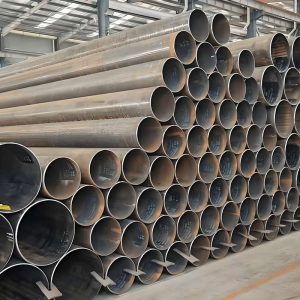
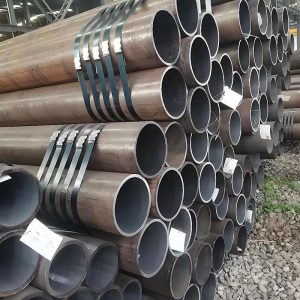
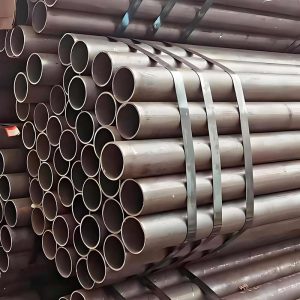
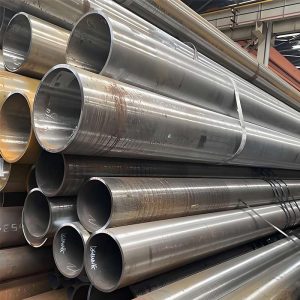
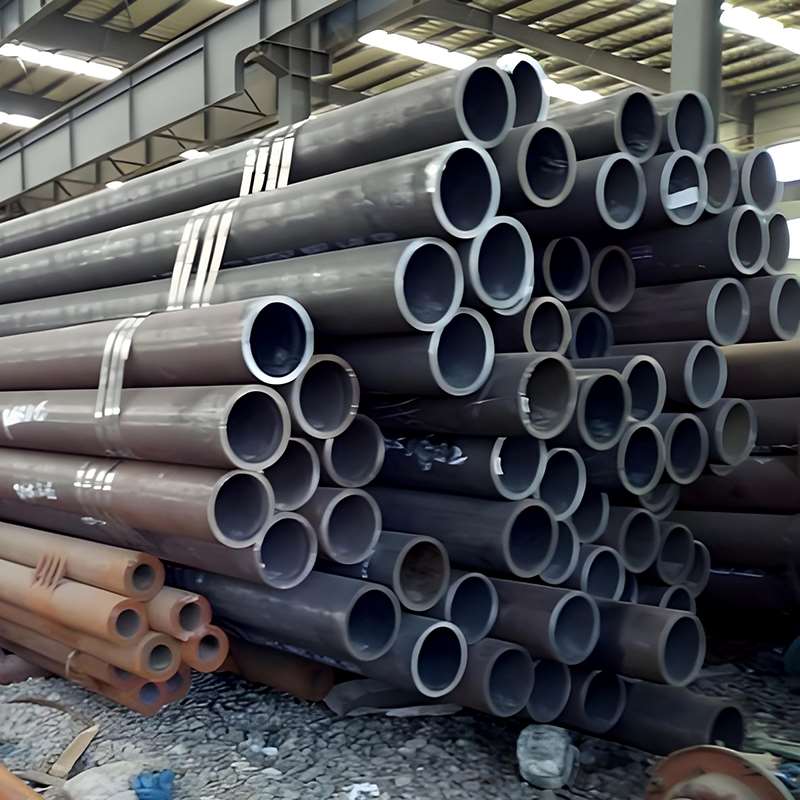
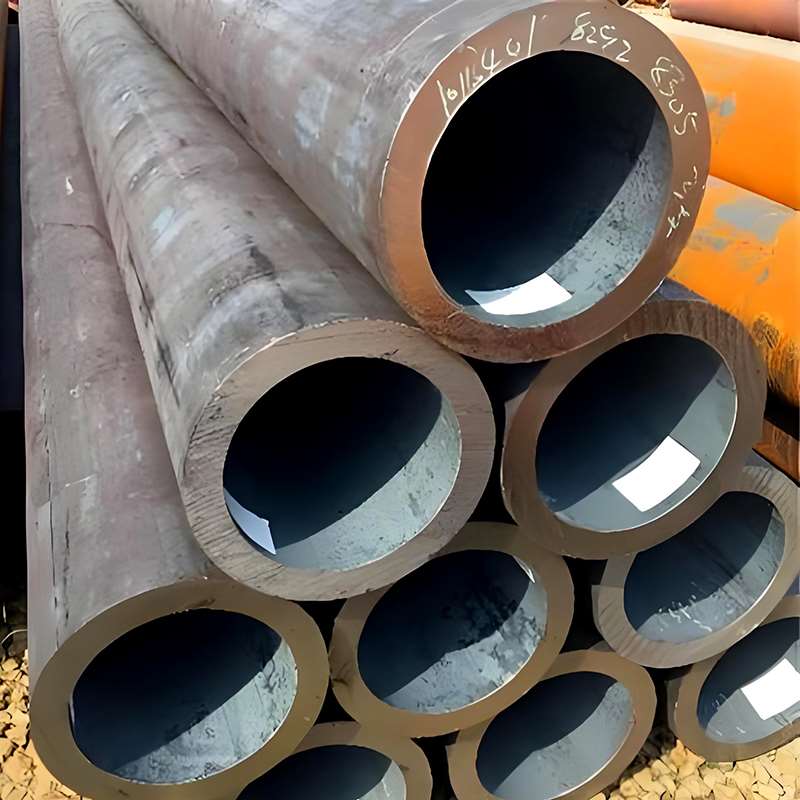
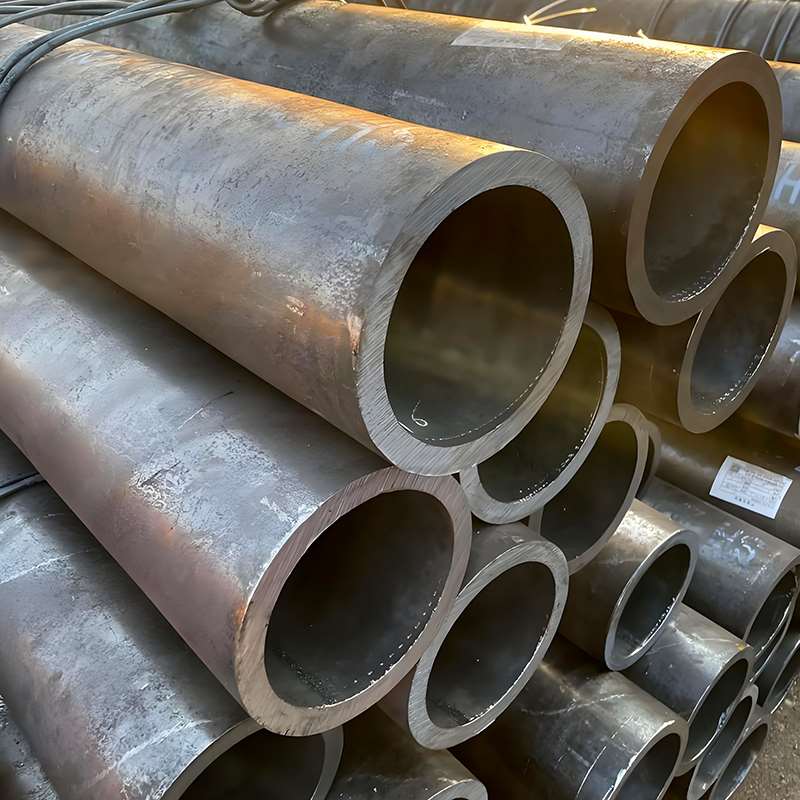
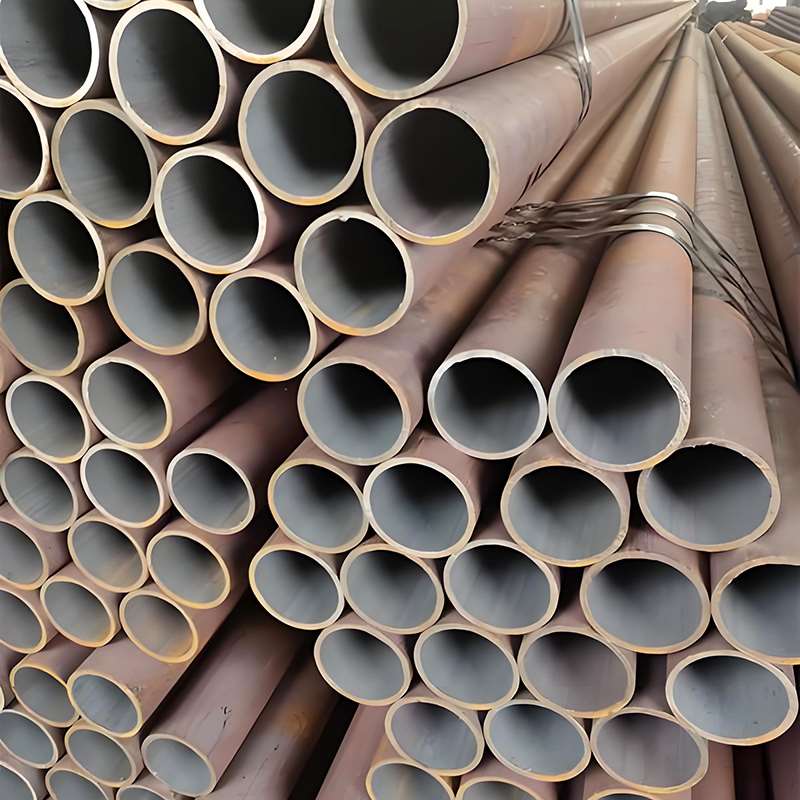
DIN 1629 Carbon Steel Seamless Tube

OD Range :

10 mm – 660 mm

WT Range :

1 mm – 60 mm

Length :

6 m – 12 m

Tolerance :

Outer Diameter: ±1% or ±0.5 mm; Wall Thickness: ±10% (Thin-walled) / ±0.5 mm (Thick-walled)

Material :

Carbon Steel: P235TR1, P235TR2, P265TR1, P265TR2, St35.8, St45.8

Standard :

DIN 1629, EN 10216-1

Surface :

Black, Pickled, Polished, Oiled

Application :

Chemical Equipment, Boiler and Piping Systems, Mechanical Structures, Hydraulic Tubing, Construction Machinery, Petroleum Equipment, Automotive Industry

Introduction :

DIN 1629 seamless carbon steel tubes are manufactured from high-quality carbon steel, featuring precise dimensions and excellent pressure resistance.

I. Overview of DIN 1629 Carbon Steel Seamless Tubes

DIN 1629 carbon steel seamless tubes are manufactured from high-quality carbon steel materials and precision-produced in accordance with the German DIN 1629 standard, ensuring precise dimensions and stable mechanical properties.

II. Material Distinctions of DIN 1629 Carbon Steel Seamless Tubes

Material GradeKey CharacteristicsTypical Applications
P235TR1 / P235TR2Lower yield strength, good ductility, easy to process and weldGeneral mechanical structures, low-pressure boiler piping, engineering pipelines
P265TR1 / P265TR2Higher yield strength than P235 series, better pressure resistanceHigh-pressure boiler piping, pressure vessels, industrial fluid transportation
St35.8Moderate strength, stable chemical composition, good corrosion resistanceMechanical manufacturing, structural components, light industrial equipment
St45.8High yield and tensile strength, suitable for high-stress environmentsHigh-strength mechanical structures, heavy industrial equipment, petrochemical pipelines

Note:
TR1 and TR2 denote the heat treatment grades for carbon steel; TR2 possesses slightly higher strength than TR1.
Different material grades vary in terms of pressure resistance, ductility, and weldability; therefore, selection should be determined based on specific requirements regarding operating pressure, temperature, and mechanical strength.
All material grades comply with the DIN 1629 standard, ensuring stable and reliable chemical composition and mechanical properties.

III. DIN 1629 Carbon Steel Seamless Tube: Surface Treatments

  1. Black Scale
    The surface retains a layer of black oxide scale; suitable for general mechanical structures and short-term storage.
    Features: Low cost; suitable for applications where aesthetic requirements are not critical.
  2. Pickling
    Removes surface oxide scale and impurities, resulting in a smooth tube surface.
    Features: Facilitates welding and painting; suitable for mechanical manufacturing and high-precision applications.
  3. Polishing
    Produces a smooth surface with excellent aesthetic appeal and corrosion resistance.
    Features: Suitable for high-end machinery, decorative tubing, or applications with strict aesthetic requirements.
  4. Anti-Rust Oil Coating
    An anti-rust oil is applied to the surface to enhance corrosion protection during storage and transportation.
    Features: Suitable for long-term storage or export shipments.

IV. Application Fields of DIN 1629 Carbon Steel Seamless Tubes

  1. Boilers and Pressure Vessels
    Boiler piping, heat exchangers, and pressure vessel tubing operating in high-temperature and high-pressure environments.
  2. Mechanical Structures and Engineering Equipment
    Mechanical manufacturing, heavy structural components, and load-bearing parts for engineering machinery.
  3. Hydraulic Systems
    Hydraulic lines, hydraulic machinery, and fluid transmission systems.
  4. Petrochemical and Energy Industries
    Piping for the transportation of oil, natural gas, and chemicals; high-strength, pressure-resistant pipelines.
  5. Automotive Industry
    Automotive chassis, hydraulic transmission systems, and high-strength mechanical components.
  6. Other Industrial Applications
    General industrial piping, mechanical processing, building structures, and custom industrial projects.
Related Products

Outer Diameter (mm) Wall Thickness (mm) Material / Grade
10, 12, 14, 15, 16, 18, 20, 22, 25, 28 1.0, 1.5, 2.0, 2.5, 3.0, 3.5, 4.0, 4.5, 5.0 P235TR1, P235TR2, P265TR1, P265TR2, St35.8, St45.8
30, 32, 35, 38, 40, 42, 45, 48, 50, 55 2.0, 2.5, 3.0, 3.5, 4.0, 4.5, 5.0, 6.0, 7.0, 8.0 P235TR1, P235TR2, P265TR1, P265TR2, St35.8, St45.8
60, 63, 65, 68, 70, 73, 76, 78, 80, 85 3.0, 3.5, 4.0, 4.5, 5.0, 6.0, 7.0, 8.0, 9.0, 10.0 P235TR1, P235TR2, P265TR1, P265TR2, St35.8, St45.8
88, 90, 95, 100, 105, 110, 114, 120, 125, 130 4.0, 4.5, 5.0, 6.0, 7.0, 8.0, 9.0, 10.0, 12.0, 14.0 P235TR1, P235TR2, P265TR1, P265TR2, St35.8, St45.8
135, 140, 145, 150, 155, 160, 165, 170, 175, 180 5.0, 6.0, 7.0, 8.0, 9.0, 10.0, 12.0, 14.0, 16.0, 18.0 P235TR1, P235TR2, P265TR1, P265TR2, St35.8, St45.8
185, 190, 195, 200, 210, 219, 225, 230, 235, 240 6.0, 7.0, 8.0, 9.0, 10.0, 12.0, 14.0, 16.0, 18.0, 20.0 P235TR1, P235TR2, P265TR1, P265TR2, St35.8, St45.8
245, 250, 260, 270, 280, 290, 300, 310, 320, 325 8.0, 9.0, 10.0, 12.0, 14.0, 16.0, 18.0, 20.0, 22.0, 25.0 P235TR1, P235TR2, P265TR1, P265TR2, St35.8, St45.8
330, 340, 350, 360, 370, 380, 390, 400, 420, 440 10.0, 12.0, 14.0, 16.0, 18.0, 20.0, 22.0, 25.0, 28.0, 30.0 P235TR1, P235TR2, P265TR1, P265TR2, St35.8, St45.8
460, 480, 500, 520, 540, 560, 580, 600, 620, 640, 660 12.0, 14.0, 16.0, 18.0, 20.0, 22.0, 25.0, 28.0, 30.0, 35.0, 40.0 P235TR1, P235TR2, P265TR1, P265TR2, St35.8, St45.8


Introduction to the DIN 1629 Standard

DIN 1629 is a German industrial standard specifically established to address the requirements for the production, dimensions, chemical composition, and mechanical properties of carbon steel seamless tubes.

The main contents include:

1. Dimensions and Tolerances
Specifies the outer diameter, wall thickness, and length ranges of seamless pipes—including permissible dimensional deviations and straightness requirements—to ensure precision during installation and processing.

2. Material and Chemical Composition
Specifies commonly used carbon steel grades (e.g., P235TR1, P235TR2, P265TR1, P265TR2, St35.8, St45.8).
Controls the content of specific elements (such as C, Mn, P, S, etc.) to guarantee the mechanical properties and pressure-bearing capacity of the steel pipes.

3. Mechanical Properties
Includes requirements such as yield strength, tensile strength, and elongation.
Ensures the safety and reliability of the tubing under conditions of high pressure, high temperature, or mechanical stress.

4. Production Process Requirements
Applicable to hot-rolled and cold-drawn seamless tubes.
Specifies requirements regarding weldability, heat treatment, and surface quality, ensuring the tubing’s machinability and long-term service performance.

5. Inspection and Acceptance
Includes dimensional inspection, chemical composition analysis, mechanical property testing, and non-destructive testing.
Ensures that every tube complies with applicable standards, making it suitable for industrial applications such as boilers, pressure vessels, mechanical structures, and chemical pipelines.

Relevant Standards

DIN 1629 – German Standard for seamless carbon steel tubes
EN 10216-1 – European Standard covering the dimensions and properties of hot-rolled seamless steel tubes
International standards such as ASTM A106 and ASTM A53 may also be referenced upon customer request.


DIN 1629 Carbon Steel Seamless Tube Production Process

Raw Materials → Ingot Melting → Billet Casting → Hot Rolling → Cold Drawing / Pickling → Cutting to Length → Heat Treatment → Dimensional Inspection → Surface Treatment → Packaging → Final Inspection

Detailed Process Steps:

1. Raw Material Preparation
Select high-quality carbon steel raw materials to ensure stable chemical composition.

2. Ingot Smelting
Perform smelting using electric furnaces or converters, strictly controlling the temperature and composition of the molten steel.

3. Billet Casting
Cast the molten steel into round or square billets, preparing them for the hot rolling of seamless tubes.

4. Hot Rolling
Employ piercing or extrusion processes to roll the billets into tube shells, establishing the preliminary tubular dimensions.

5. Cold Drawing / Pickling
Cold drawing enhances dimensional precision and surface finish.
Pickling removes scale and impurities, ensuring surface quality.

6. Cutting to Size
Cut to standard or customized lengths according to customer requirements.

7. Heat Treatment (Optional)
Adjusts internal stresses within the tubing to enhance mechanical properties and toughness.

8. Dimensional Inspection
Measurement of outer diameter, wall thickness, and length to ensure compliance with DIN 1629 standard requirements.

9. Surface Treatment
Selected based on intended application; options include black finish, pickling, polishing, anti-rust oil coating, etc.

10. Finished Product Packaging
Bundled or palletized packaging to facilitate convenient transportation and storage.

11. Final Inspection
Comprehensive inspection of chemical composition, mechanical properties, and dimensions to ensure the qualification of every product batch.


Inspection Item Inspection Content Standard Acceptance Criteria / Technical Requirements
Chemical Composition Content of elements such as C, Mn, P, S, Si DIN 1629 / EN 10216-1 Must comply with the selected material grade requirements (e.g., P235TR1, P265TR2, etc.)
Tensile Test Yield strength, tensile strength, elongation DIN 1629 / EN 10002-1 Must meet the mechanical property requirements of the steel grade
Bending Test Cold bending or hot bending DIN 1629 / EN 10216-1 No cracks after bending, meets minimum bending radius requirements
Hardness Test Vickers or Brinell hardness DIN 1629 / EN 10003 Hardness values must comply with material specifications
Pressure Test Internal pressure test to verify pipe strength DIN 1629 / EN 10216-1 No leakage or rupture
Dimensional Inspection Outer diameter, wall thickness, length, tolerances DIN 1629 / EN 10216-1 Dimensions must meet standard allowable tolerances
Non-Destructive Testing (NDT) Ultrasonic testing or radiographic testing DIN 1629 / EN 10216-1 No internal defects such as cracks, porosity, or inclusions
Surface Quality Inspection of scale, cracks, corrosion DIN 1629 / EN 10216-1 Surface should be smooth and free from major defects


1. What are the common material grades available for DIN 1629 carbon steel seamless tubes?

Common material grades include P235TR1, P235TR2, P265TR1, P265TR2, St35.8, and St45.8. These grades differ in terms of chemical composition, mechanical properties, and applicable pressure ratings, allowing for selection based on specific engineering requirements.

2. What are the typical ranges for the wall thickness and outer diameter of DIN 1629 seamless tubes?

Outer Diameter: 10 mm – 660 mm (Common export specifications include 10, 12, 14, 15, 16, 18, 20… up to 660 mm).
Wall Thickness: 1 mm – 60 mm; specific thicknesses can be selected based on the required pressure rating and application requirements.

3. For which applications are DIN 1629 seamless tubes suitable?

They are suitable for high-temperature, high-pressure, or load-bearing environments, such as those found in boilers, pressure vessels, mechanical structures, hydraulic systems, petrochemical pipelines, and the automotive industry.

4. What is the production process for DIN 1629 seamless tubes?

Raw Materials → Steel Ingot Melting → Billet Casting → Hot Rolling → Cold Drawing/Pickling → Cutting to Length → Heat Treatment → Dimensional Inspection → Surface Treatment → Finished Product Packaging → Final Inspection; this process ensures the dimensional accuracy, mechanical properties, and surface quality of the tubing.

5. What are the inspection items for DIN 1629 carbon steel seamless tubes?

Inspections include chemical composition analysis, tensile testing, bend testing, hardness testing, pressure testing, dimensional inspection, non-destructive testing, and surface quality assessment, ensuring that every tube complies with the DIN 1629 and EN 10216-1 standards.

6. What are the differences between DIN 1629 and other standards (such as EN 10216-1 or ASTM)?

DIN 1629 is a German standard that specifies requirements for the dimensions, material grades, and mechanical properties of carbon steel seamless tubes;
EN 10216-1 is a European standard that aligns closely with DIN 1629 in terms of manufacturing and inspection procedures;
ASTM standards (such as ASTM A106 and A53) are American standards; while they exhibit slight variations in chemical composition and mechanical properties, corresponding material grades can be provided to meet specific customer requirements.