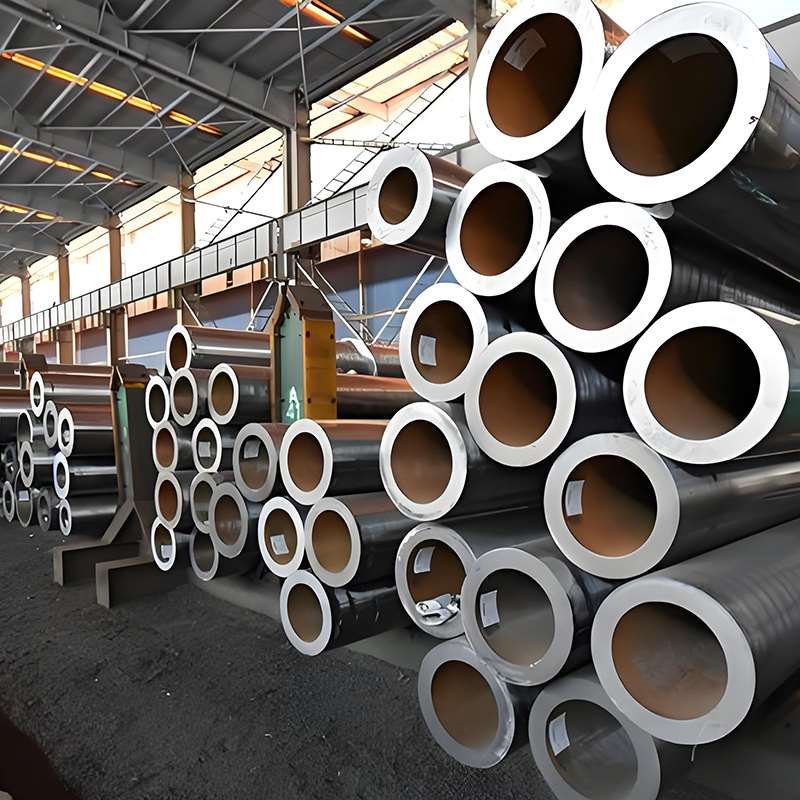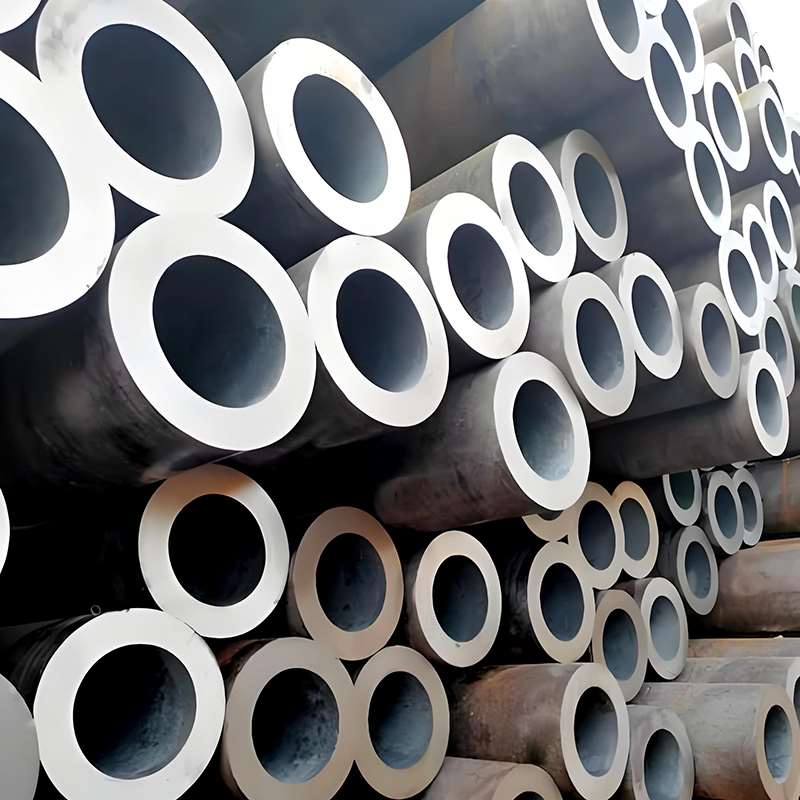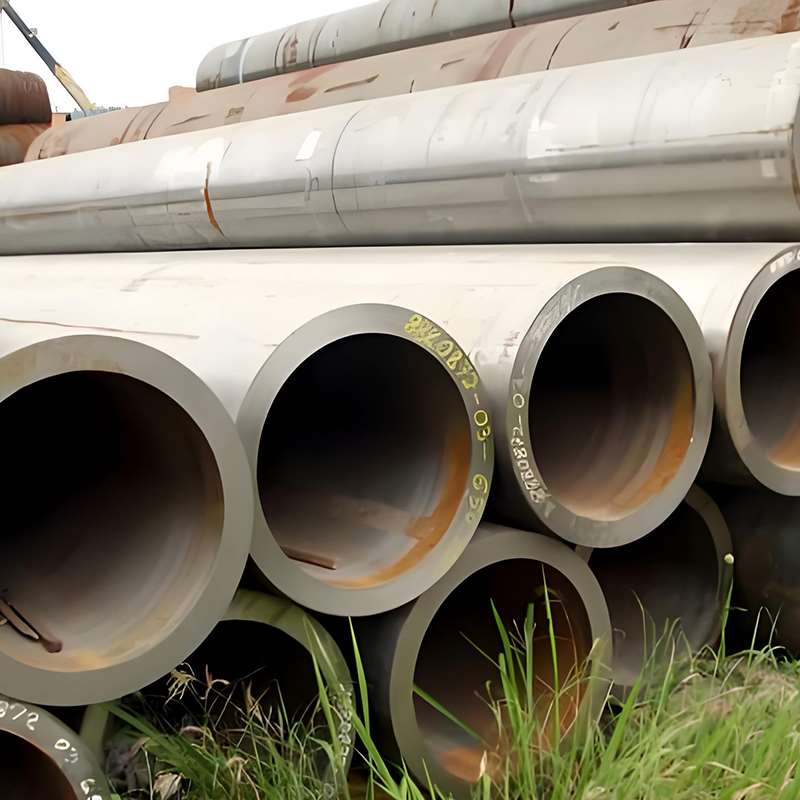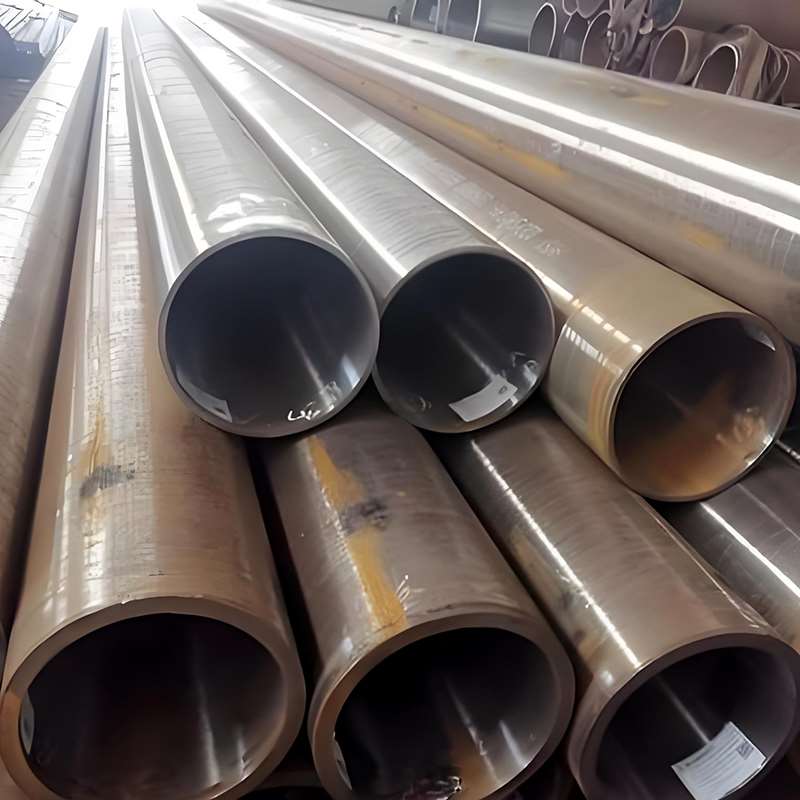
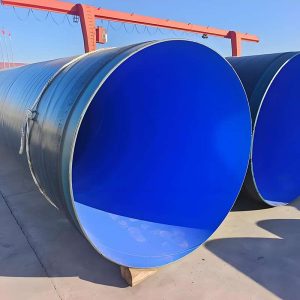
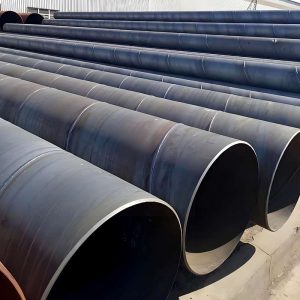
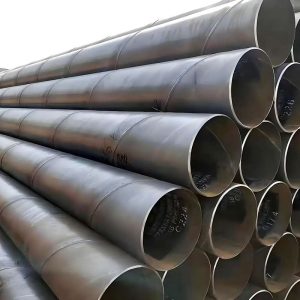
I. Introduction to DIN 17175 Boiler Steel Tubes:
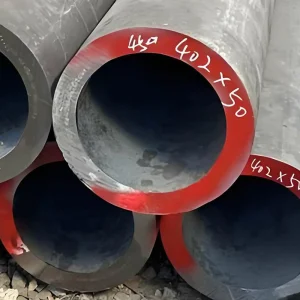
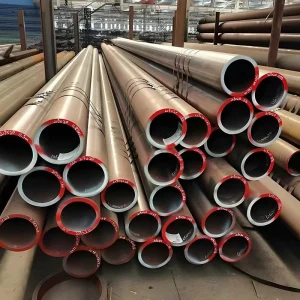
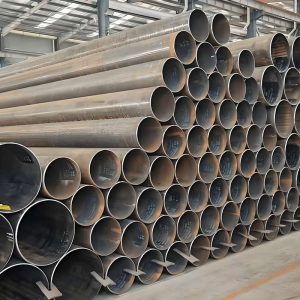
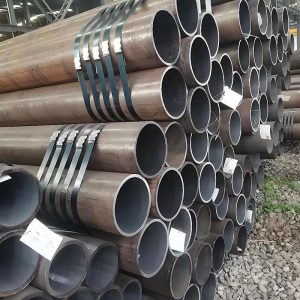
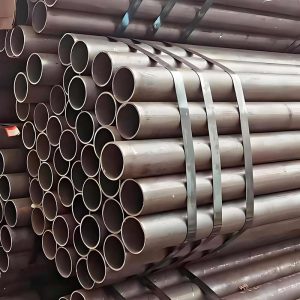
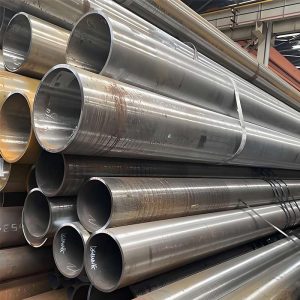
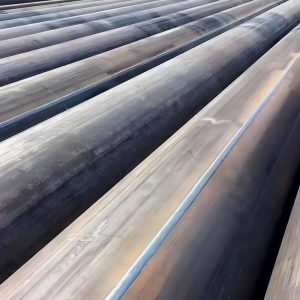
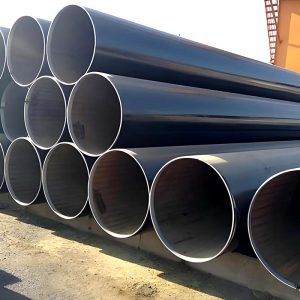
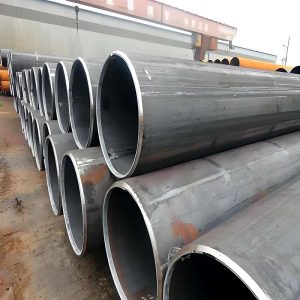
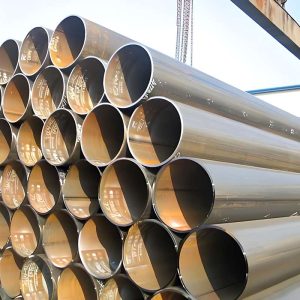
- DIN 17175 boiler steel tubes are high-quality steel tubes specifically designed for industrial environments characterized by high temperatures and high pressures, possessing excellent mechanical properties and corrosion resistance.
- Widely utilized in boilers, heat exchangers, pressure vessels, and industrial piping systems, they are capable of meeting the safety requirements associated with high-temperature and high-pressure operations.
- Available in a diverse range of specifications, these tubes are suitable for a wide variety of engineering requirements.
II. Mechanical Properties and Chemical Composition of DIN 17175 Boiler Steel Pipes
i. Table of Mechanical Properties
| Performance Index | P235GH | P265GH | P355GH | P355NH |
|---|---|---|---|---|
| Yield Strength (MPa) | ≥ 235 | ≥ 265 | ≥ 355 | ≥ 355 |
| Tensile Strength (MPa) | 410 – 560 | 410 – 560 | 490 – 630 | 490 – 630 |
| Elongation (%) | ≥ 22 | ≥ 22 | ≥ 20 | ≥ 20 |
| Bending Property | Cold bending 180° without cracking | Cold bending 180° without cracking | Cold bending 180° without cracking | Cold bending 180° without cracking |
| High Temperature Resistance | Suitable for ≤ 450°C | Suitable for ≤ 450°C | Suitable for ≤ 500°C | Suitable for ≤ 550°C |
ii. Chemical Composition Table (%)
| Element | P235GH | P265GH | P355GH | P355NH |
|---|---|---|---|---|
| Carbon (C) | ≤ 0.22 | ≤ 0.22 | ≤ 0.22 | ≤ 0.22 |
| Manganese (Mn) | ≤ 1.60 | ≤ 1.50 | ≤ 1.60 | ≤ 1.60 |
| Silicon (Si) | 0.10 – 0.50 | 0.10 – 0.50 | 0.10 – 0.50 | 0.10 – 0.50 |
| Phosphorus (P) | ≤ 0.025 | ≤ 0.025 | ≤ 0.025 | ≤ 0.025 |
| Sulfur (S) | ≤ 0.015 | ≤ 0.015 | ≤ 0.015 | ≤ 0.015 |
III. DIN 17175 Boiler Steel Tube Procurement Guide
i. Clarify Steel Grade and Standard
- Confirm that the required steel grade (e.g., P235GH, P265GH, P355GH, P355NH) satisfies the design pressure and temperature requirements.
- Note standard differences: Although DIN 17175 and EN 10216-2 are similar, certain requirements regarding chemical composition and mechanical properties may differ slightly.
ii. Verify Dimensional Specifications
- Outer diameter, wall thickness, and length must strictly conform to the design drawings.
- Pay close attention to tolerance ranges—specifically a wall thickness deviation of ±10% and an outer diameter deviation of ±1%—to prevent installation mismatches.
iii. Inspect Mechanical Properties and Chemical Composition
- Yield strength, tensile strength, elongation, and bending properties must comply with the standard.
- Verify the chemical composition—particularly key elements such as C, Mn, P, S, and Si—to avoid using tubing with excessive impurity levels, which could pose risks during high-temperature operation.
iv. Verification of Testing and Certification
- Require the manufacturer to provide complete Material Test Certificates (MTCs) and third-party inspection reports.
- These documents must cover dimensions, chemical composition, mechanical properties, and necessary Non-Destructive Testing (NDT) results (UT, RT, PT, MT).
v. Review of Surface Treatment and Packaging
- The surface treatment method (e.g., black oil coating, pickling, bright polishing) must be appropriate for the intended operating environment.
- For export or long-distance transport, ensure that packaging measures—specifically those designed to prevent rust and physical damage—are robust and adequate.
vi. Assessment of Supply Capacity and Lead Times
- For large-scale projects, it is essential to verify the supplier’s production capacity and inventory levels in advance.
- Lead times, transportation methods, and after-sales support directly impact the overall project schedule.
vii. Avoiding Common Pitfalls
- Unclear Steel Grade Requirements: Purchasing lower-grade piping materials that lack sufficient pressure-bearing capacity.
- Excessive Dimensional Deviations: Discrepancies in wall thickness or outer diameter leading to welding or installation issues.
- Missing Certificates or Test Reports: Failure to pass final acceptance inspections, or potential complications regarding insurance coverage.
- Neglecting High-Temperature Performance: Susceptibility to creep or fracture during long-term operation.
- Unreputable Suppliers: Being lured by low prices, only to encounter counterfeit materials or inconsistent quality.
viii. Recommended Procurement Process
- Define project requirements and specify the required steel grade.
- Develop a detailed specification sheet (covering dimensions, length, wall thickness, and tolerances).
- Contact reliable suppliers and request Material Test Certificates (MTCs) and test reports.
- Conduct sample testing or small-batch trials to verify performance.
- Execute a formal contract clearly stipulating delivery terms, quality standards, and after-sales responsibilities.