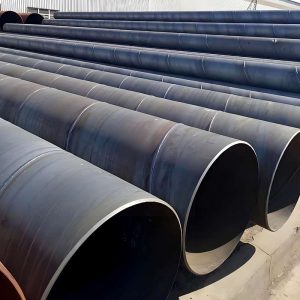
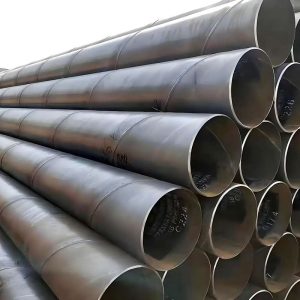
I. Overview of EN 10217 Welded Steel Tubes
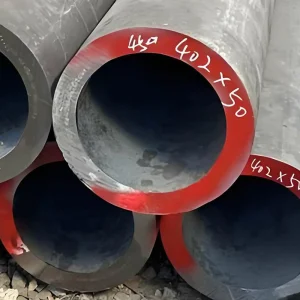
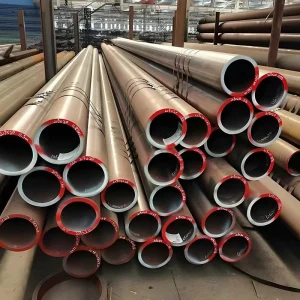
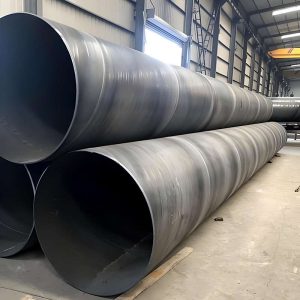
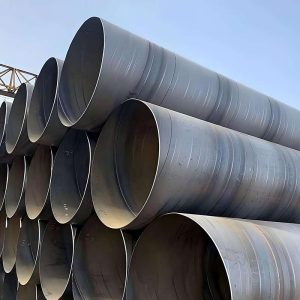
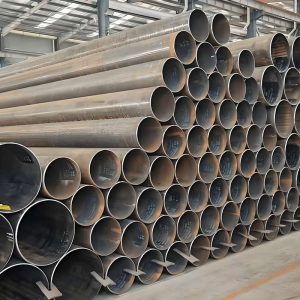
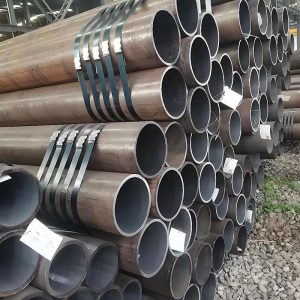
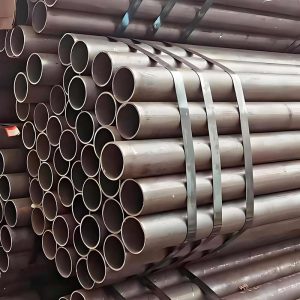
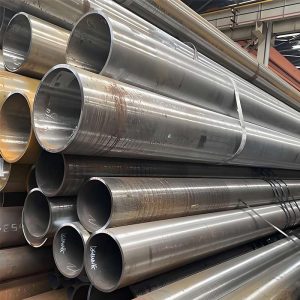
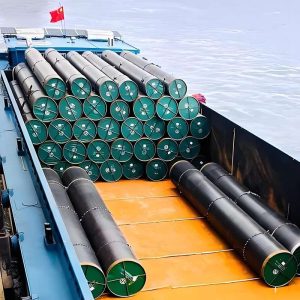
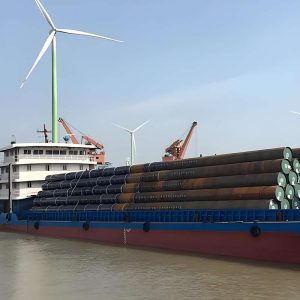
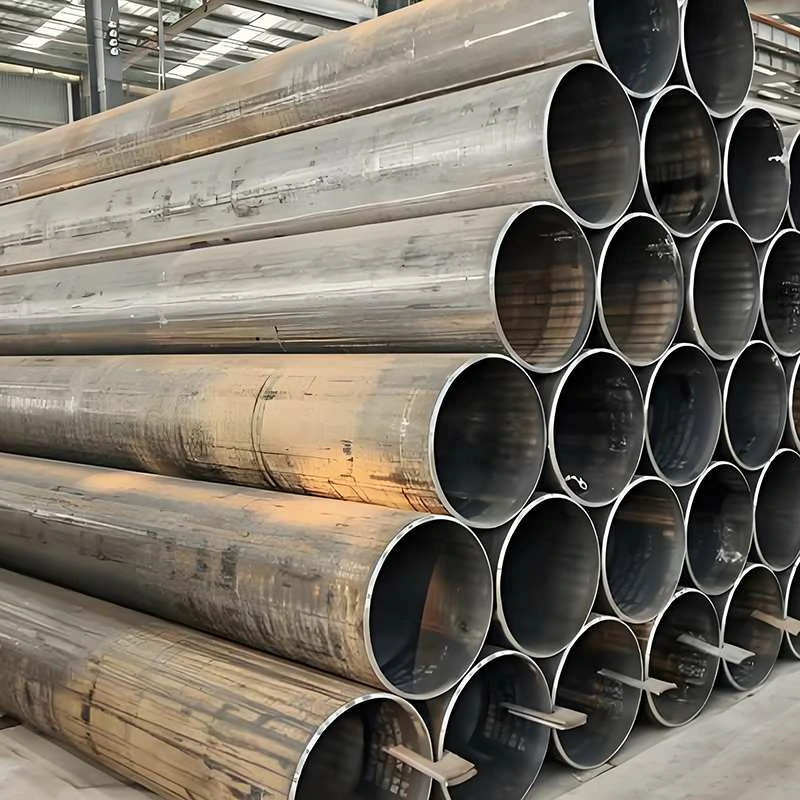
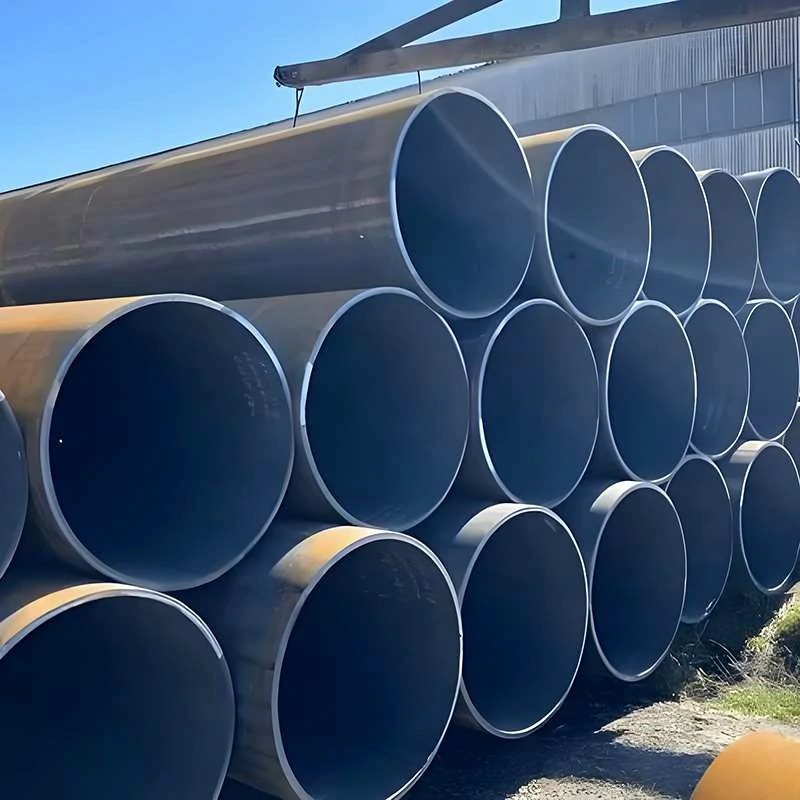
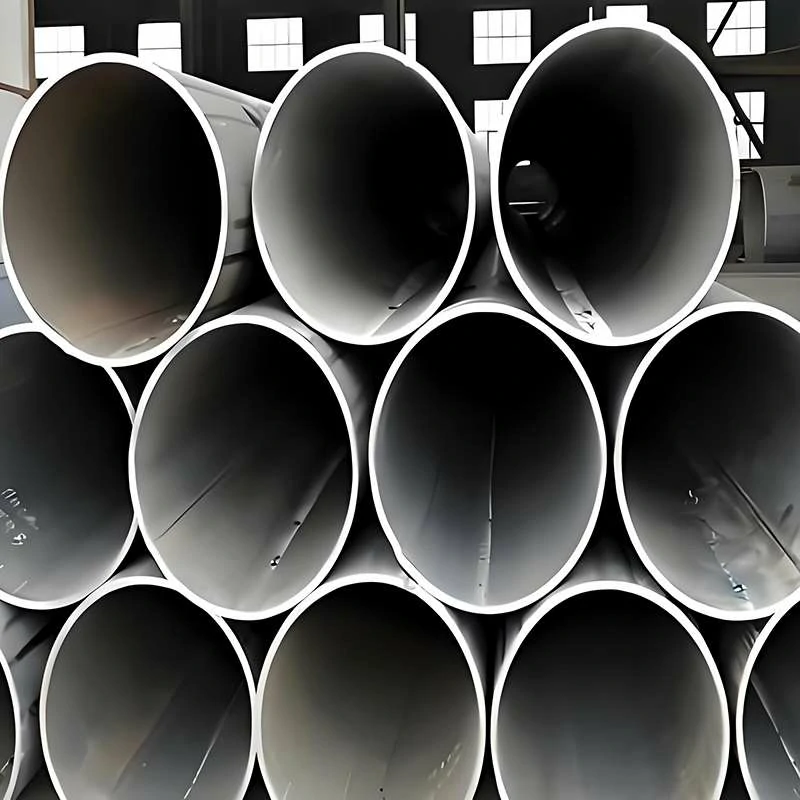
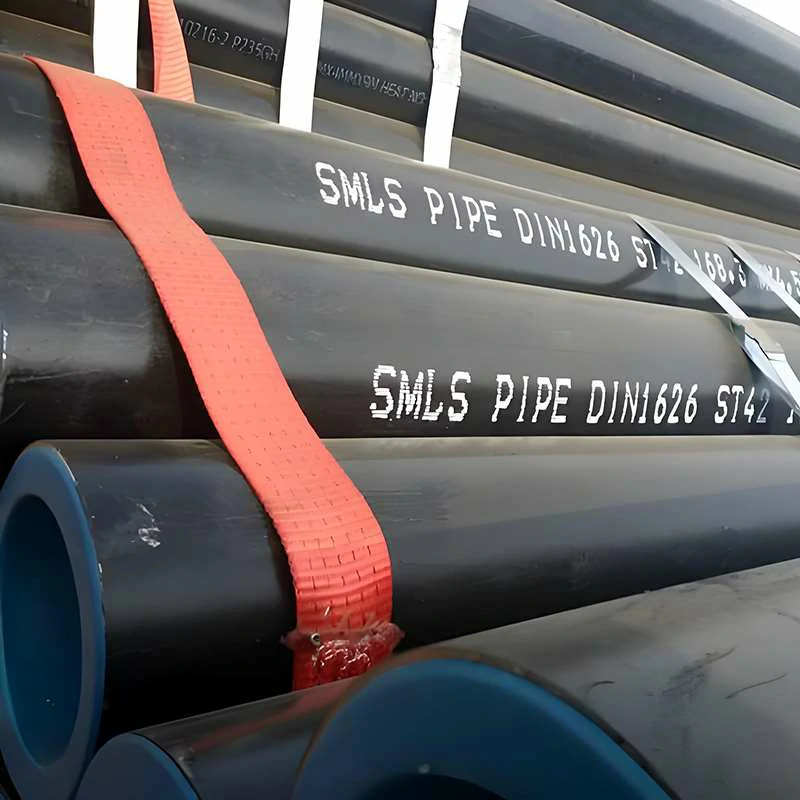
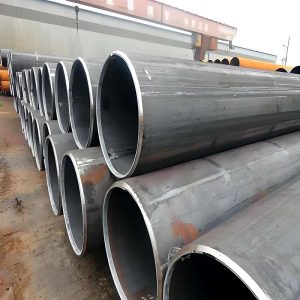
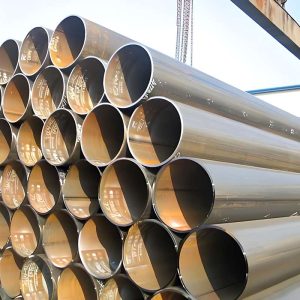
EN 10217 welded steel tubes are a class of welded steel tubes produced in accordance with the European standard EN 10217, intended for pressure-bearing applications. They are primarily utilized in fields such as industrial piping, boiler systems, oil and gas transmission, and chemical equipment.
This standard specifies the technical delivery conditions for welded steel tubes—including material properties, manufacturing processes, dimensional tolerances, and inspection requirements—to ensure that the tubes maintain reliable safety and stability within pressurized environments.
II. Main Classifications of the EN 10217 Series of Standards
| Standard No. | Applicable Material | Main Features | Common Steel Grades |
|---|---|---|---|
| EN 10217-1 | Non-alloy welded steel pipes | Used for general pressure purposes, suitable for room temperature conditions | P195TR1, P235TR1, P265TR1 |
| EN 10217-2 | Non-alloy welded steel pipes (with specified high-temperature properties) | Suitable for high-temperature or boiler systems | P195GH, P235GH, P265GH |
| EN 10217-3 | Fine-grain alloy welded steel pipes | Offers good strength and toughness | P275NH, P355N, P460NH |
| EN 10217-4 | Welded steel pipes for low-temperature service | Suitable for low-temperature environments, such as cryogenic tanks and pipelines | P215NL, P265NL |
| EN 10217-5 | Welded steel pipes of heat-treated fine-grain steels | Suitable for pressure equipment and high-demand engineering applications | P355NH, P460NH |
| EN 10217-6 | Welded steel pipes with special requirements | Suitable for high-pressure or special engineering conditions | P355QH, etc. |
III. Chemical Composition of Common Steel Grades for EN 10217 Welded Steel Tubes
| Steel Grade | C (Carbon) ≤ | Si (Silicon) ≤ | Mn (Manganese) ≤ | P (Phosphorus) ≤ | S (Sulfur) ≤ | Al (Aluminum) ≥ |
|---|---|---|---|---|---|---|
| P195TR1 | 0.13 | 0.35 | 0.60 | 0.025 | 0.020 | 0.020 |
| P235TR1 | 0.16 | 0.35 | 0.70 | 0.025 | 0.020 | 0.020 |
| P265TR1 | 0.20 | 0.40 | 1.40 | 0.025 | 0.020 | 0.020 |
| P195GH | 0.13 | 0.35 | 0.60 | 0.025 | 0.015 | 0.020 |
| P235GH | 0.16 | 0.35 | 1.20 | 0.025 | 0.015 | 0.020 |
| P265GH | 0.20 | 0.40 | 1.40 | 0.025 | 0.015 | 0.020 |
| P355NH | 0.18 | 0.50 | 1.60 | 0.025 | 0.015 | 0.020 |
| P460NH | 0.20 | 0.60 | 1.70 | 0.025 | 0.015 | 0.020 |
IV. Mechanical Properties of Common Steel Grades for EN 10217 Welded Steel Tubes
| Steel Grade | Yield Strength ReH (MPa) ≥ | Tensile Strength Rm (MPa) | Elongation A (%) ≥ | Impact Test |
|---|---|---|---|---|
| P195TR1 | 195 | 320 – 440 | 25 | Generally not required |
| P235TR1 | 235 | 360 – 500 | 25 | Generally not required |
| P265TR1 | 265 | 410 – 570 | 22 | Generally not required |
| P195GH | 195 | 320 – 440 | 24 | As required |
| P235GH | 235 | 360 – 500 | 24 | As required |
| P265GH | 265 | 410 – 570 | 22 | As required |
| P355NH | 355 | 490 – 630 | 22 | Impact test at -20°C |
| P460NH | 460 | 540 – 720 | 17 | Impact test at -20°C |
V. EN 10217 Welded Steel Pipe Selection Guide
1. General Industrial Piping for Ambient Temperatures
Recommended Steel Grades: P195TR1, P235TR1, P265TR1
Applicable Scenarios:
- Industrial fluid transport pipelines
- Building water supply and drainage systems
- General mechanical equipment piping
- Medium-to-low pressure air or water transport
Selection Recommendations:
- If the pipeline operating pressure is low and the temperature remains within an ambient range, selecting P235TR1 or P265TR1 is generally sufficient to meet requirements. These steel grades offer excellent weldability and cost-effectiveness, making them a common choice for industrial projects.
2. High-Temperature Steam or Boiler Piping
Recommended Steel Grades: P195GH, P235GH, P265GH
Applicable Scenarios:
- Boiler systems
- Steam transmission pipelines
- Heat exchange equipment
- Thermal power plant piping systems
Selection Recommendations:
- When piping operates continuously in high-temperature environments (approximately 300°C or above), steel grades from the GH series should be selected.
- For instance, P235GH or P265GH grades offer superior high-temperature strength and stability, making them suitable for steam and thermal energy transmission systems.
3. High-Pressure or High-Strength Piping Projects
Recommended Steel Grades: P355NH, P460NH
Applicable Scenarios:
- Petrochemical pressure piping
- High-pressure industrial piping systems
- Piping connected to pressure vessels
- Energy and large-scale industrial projects
Selection Recommendations:
- For projects with high-pressure or high-strength requirements, it is recommended to select steel grades from the NH series (fine-grained steels).
- For instance, P355NH possesses high yield strength and excellent toughness, enabling it to withstand higher pressure loads.
4. Piping for Low-Temperature Environments
Recommended Steel Grades: P215NL, P265NL
Applicable Scenarios:
- Low-temperature storage tank piping
- Liquefied gas transport pipelines
- Refrigeration equipment piping
- Piping projects in cold northern regions
Selection Recommendations:
- When the operating temperature of the piping environment is low (e.g., -20°C or lower), steel grades from the NL series (designed for low temperatures) should be selected.
- These materials retain excellent impact toughness under low-temperature conditions, thereby preventing brittle fracture.
5. Oil and Natural Gas Transmission Pipelines
Recommended Steel Grades: P235TR1, P265TR1, P355NH
Applicable Scenarios:
- Oil transmission pipelines
- Natural gas transmission pipelines
- Chemical fluid transport
- Industrial energy pipelines
Selection Recommendations:
- Medium-to-low pressure transmission pipelines: P235TR1 or P265TR1
- High-pressure transmission systems: P355NH
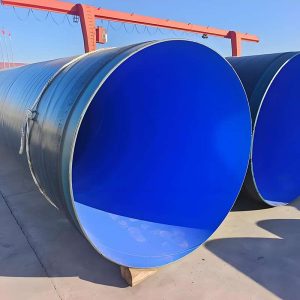
- It is also recommended to implement additional anti-corrosion measures based on the specific project environment—such as 3PE anti-corrosion coating, epoxy coating, or hot-dip galvanizing treatment.
6. Key Factors to Consider During Selection
In practical engineering projects, it is recommended to prioritize the following parameters:
- Operating Pressure: Determines the steel pipe wall thickness and strength grade.
- Operating Temperature: Determines whether to select the GH or NL series steel grades.
- Transported Medium: Water, steam, oil and gas, or chemical fluids.
- Corrosive Environment: Determines whether an anti-corrosion coating or galvanization is required.
- Installation Method: Welded connections or other connection methods.