API Oil and Gas Steel Pipe Selection
1. What type of steel pipe is suitable for long-distance, high-pressure oil and gas pipelines?
A:
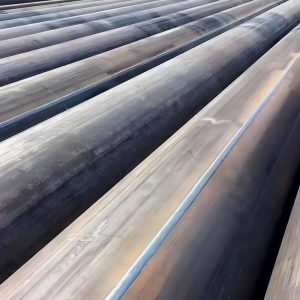
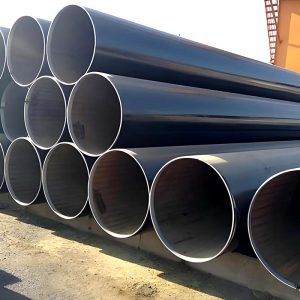
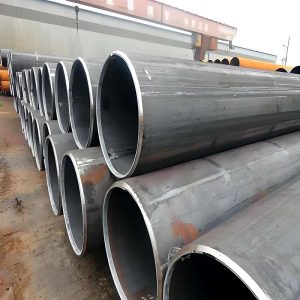
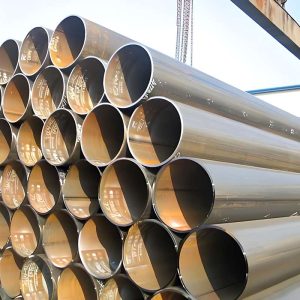
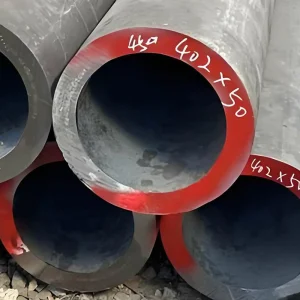
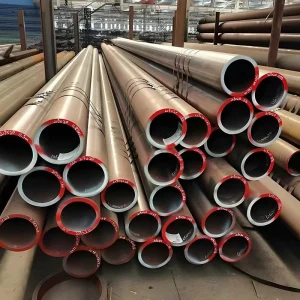
LSAW (Longitudinal Welded Wire) or seamless pipes are recommended for long-distance, high-pressure trunk lines because:
They have high pressure resistance, suitable for large-diameter, high-pressure transmission.
The weld quality is reliable, ensuring high safety.
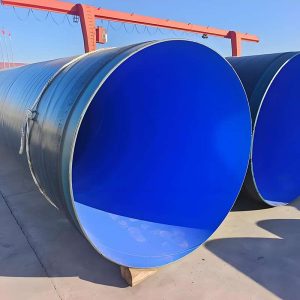
They can be used with 3PE or FBE anti-corrosion coatings, suitable for offshore or highly corrosive environments.
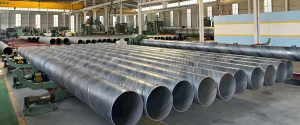
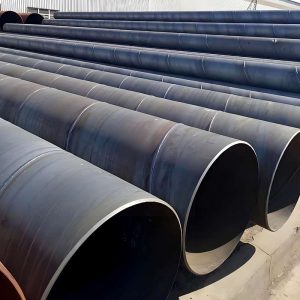
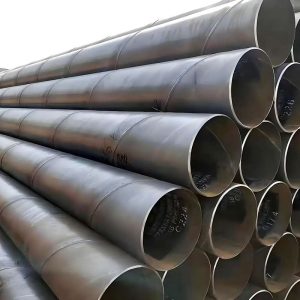
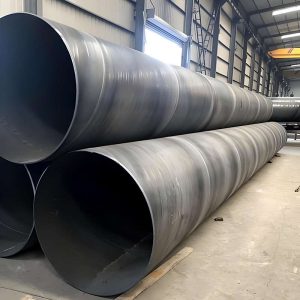
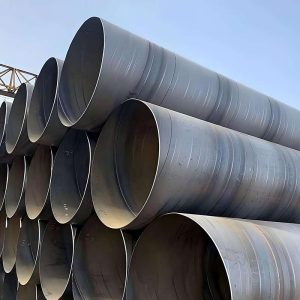
SSAW spiral welded pipes are suitable for medium- and high-pressure, onshore long-distance pipelines, with relatively lower costs.
2. What are the differences between PSL1 and PSL2, and which grade should I choose?
Answer:
PSL1: Basic performance grade, suitable for low-pressure, standardized pipelines, such as municipal gas and industrial water pipelines.
PSL2: Advanced performance grade, with stricter requirements for chemical composition, mechanical properties, and weldability, suitable for high-pressure long-distance oil and gas pipelines and offshore pipelines.
Selection recommendation: For high-pressure, long-distance, and critical projects, prioritize PSL2 to ensure safety and weld reliability.
3. How to select pipe material based on the transported medium?
A:
Crude oil/Natural gas: Choose LSAW or SSAW, steel grade X52-X65, PSL2.
Liquefied petroleum gas (LPG): Seamless pipe or ERW pipe, high pressure resistant and corrosion resistant.
Industrial water/Town gas: ERW or SSAW, medium to low pressure is sufficient, PSL1 is adequate.
For low-temperature environments or cold regions, ASTM A333 low-temperature steel should be selected.
4. How to choose the anti-corrosion coating?
A:
FBE single/double layer: Suitable for buried pipelines on land, moderately corrosive environments.
3PE/3LPE three-layer composite: Suitable for offshore pipelines or highly corrosive environments, excellent mechanical protection.
Hot-dip galvanized: Generally suitable for lightly corrosive environments or municipal water pipelines.
Selection principle: Environmental corrosion level + pipeline service life + project budget.
5. How to determine the outer diameter and wall thickness?
A:
The outer diameter is selected based on the transport volume, construction conditions, and pipeline design requirements.
The wall thickness is determined based on the pressure rating, steel pipe material grade, and pipeline safety factor.
It is recommended to refer to the pressure design formulas of API 5L / ASME B31.4 or B31.8.
Thick-walled LSAW pipes are commonly used for medium and high pressure pipelines, while thin-walled ERW pipes can be selected for urban gas or low-pressure water pipelines.
6. What are the differences in pipeline selection between offshore and onshore pipelines?
A:
Offshore Pipelines:
LSAW pipe with 3PE anti-corrosion coating is preferred.
It is corrosion-resistant, impact-resistant, and can withstand seawater environments.
The steel grade is usually PSL2; low-temperature steel depends on the specific sea temperature.
Onshore Pipelines:
SSAW or ERW can be selected, which is more cost-effective.
The anti-corrosion coating can be FBE or hot-dip galvanized depending on the soil corrosion level.
For low-pressure pipelines, PSL1 can be selected, as long as safety requirements are met.