
In modern urban infrastructure development, ensuring efficient and safe potable water transportation is a core priority of municipal planning, and Spiral Steel Pipe for Water Transmission is a key piping solution designed to meet this demand.
I. Municipal Water Supply Demand: Urban Expansion and High-Volume Transmission
The rapid pace of urbanization, combined with the rise of industrial parks, has led to an exponential increase in daily urban water consumption. This trend not only requires water supply systems with exceptionally high transmission capacity, but also imposes increasingly stringent requirements on pipeline pressure resistance and long-distance, stable delivery performance.
Conventional small-diameter pipeline systems are no longer capable of meeting the demands of such large-scale trunk water transmission projects. As a result, constructing large-diameter, high-strength “water transmission arteries” has become an inevitable choice in modern municipal engineering.
II. Unique Advantages of Spiral Steel Pipe
High-Capacity Large-Diameter Water Transmission
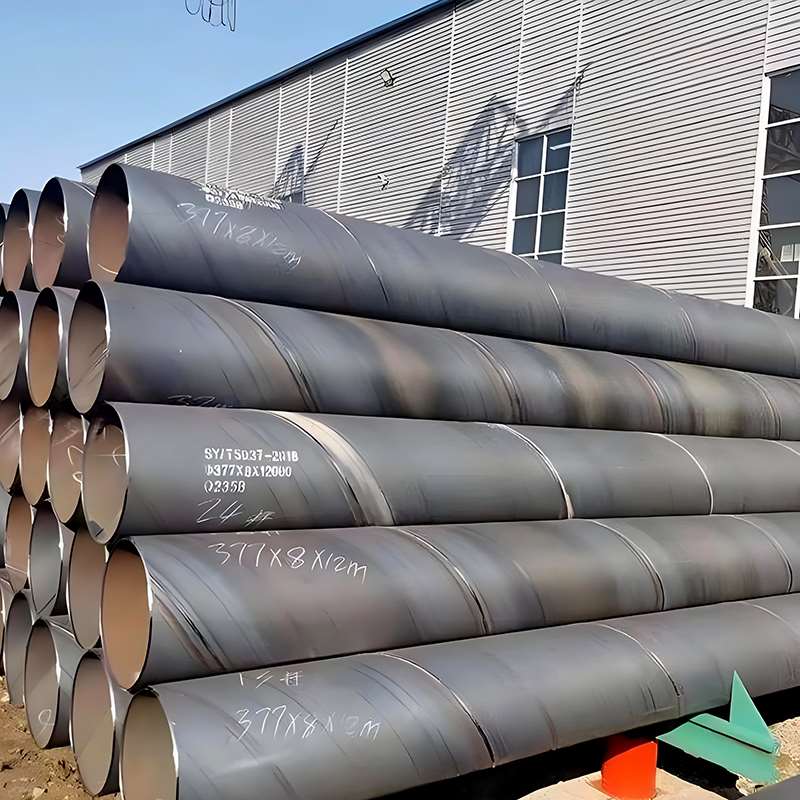
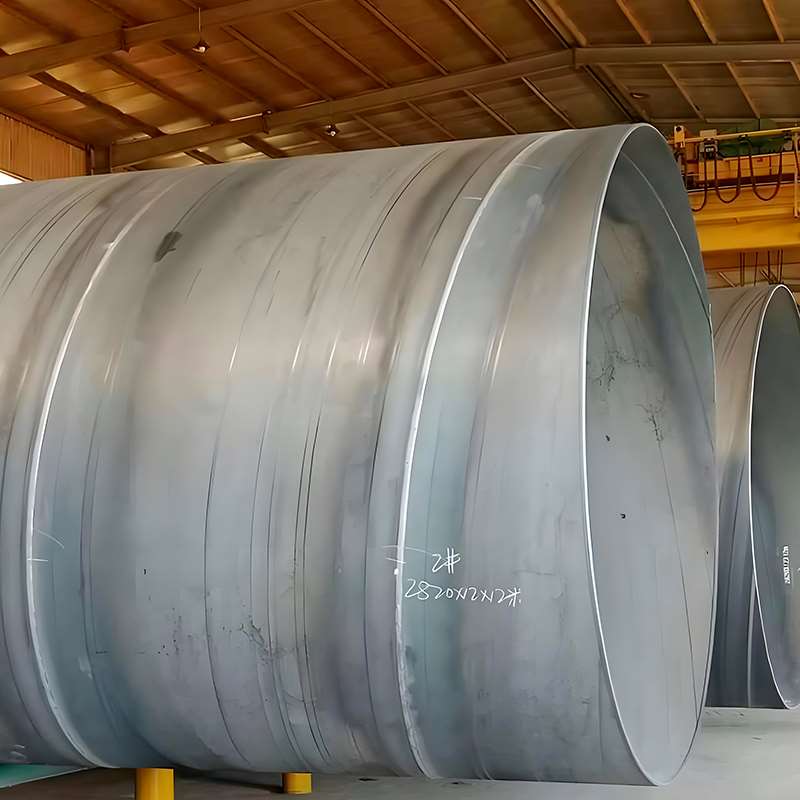
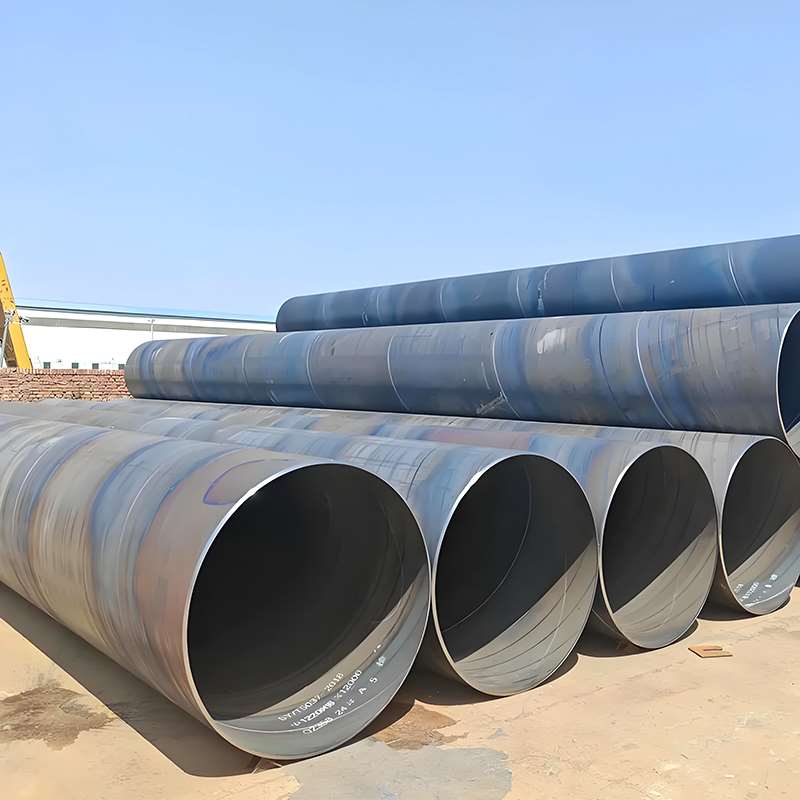
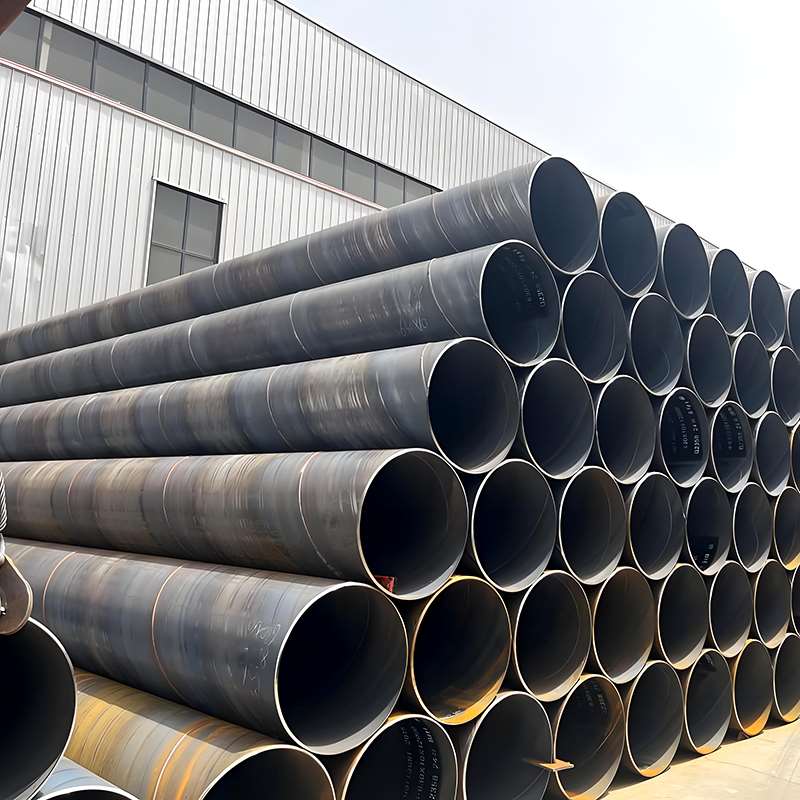
Spiral steel pipes are manufactured through a strip coil forming process, allowing pipes of varying diameters to be produced from steel strips of the same width. This process offers significant cost and manufacturing advantages, particularly for large-diameter specifications (DN1000 and above). As a result, spiral steel pipes are highly efficient in handling high-volume water transmission requirements in municipal and industrial water supply systems.
Optimized Internal Surface Adaptability
The internal surface of spiral steel pipes is exceptionally smooth, resulting in a low friction coefficient and reduced hydraulic resistance. More importantly, the inner wall is highly suitable for a wide range of potable water-grade anti-corrosion coating systems. This ensures that, while maintaining excellent structural strength, the pipeline also guarantees safe and stable fluid quality during long-term water transmission.
III. Applications of Spiral Welded Steel Pipe in Water Transmission Projects
Spiral welded steel pipes play a critical role in modern water transmission engineering. They are not merely pipeline materials, but an essential component of urban water supply infrastructure, directly impacting water supply safety, system stability, and long-term operational reliability.
Their applications are mainly concentrated in the following three core scenarios:
1. Inter-Basin Water Diversion and Urban Trunk Water Supply Pipelines
This application primarily addresses the imbalance between long-distance water sources and urban water demand.
In many regions, local water resources are insufficient, requiring supplementation from remote sources such as reservoirs, rivers, or seawater desalination plants. These long-distance water transmission projects typically involve large flow rates and extended pipeline lengths, placing extremely high demands on system stability and hydraulic capacity.
Thanks to its ability to be manufactured in large diameters (DN1000–DN3000 and above), spiral welded steel pipe is ideally suited for large-scale trunk transmission systems. It fully meets the high-capacity water delivery requirements of both metropolitan and regional supply networks.
In addition, its excellent strength and toughness allow it to adapt to complex terrain conditions, including mountainous areas, river crossings, and seismic zones. Even under minor foundation settlement, the steel pipe can absorb stress through controlled deformation, significantly reducing the risk of rupture and water supply interruption, thereby enhancing overall system safety and reliability.
2. Inlet and Outlet Pipeline Systems of Water Treatment Plants
Spiral welded steel pipes are widely used in raw water intake lines and treated water distribution systems in water treatment plants.
On the intake side, pipelines must withstand high dynamic pressure fluctuations and water hammer effects caused by pump start-stop operations. With its high mechanical strength and structural stability, spiral welded steel pipe performs reliably under high-pressure operating conditions, ensuring the continuous and stable delivery of raw water into treatment facilities.
On the discharge side, treated potable water is distributed through municipal pipeline networks. When combined with internal and external anti-corrosion coatings—such as non-toxic epoxy linings or TPEP anti-corrosion systems—the pipe’s inner surface becomes exceptionally smooth, offering the following advantages:
- Reduced hydraulic resistance and lower energy consumption
- Prevention of corrosion and secondary contamination such as red water or yellow water
- Long-term safety and stability of potable water quality
As a result, these pipelines play a vital role in modern water treatment and distribution systems.
3. Emergency Water Supply and Urban Lifeline Systems
In urban infrastructure, water supply systems are classified as critical lifeline engineering facilities and must remain operational under extreme conditions such as heavy rainfall, earthquakes, or unexpected accidents.
Spiral welded steel pipes typically adopt full-welded connections, forming a continuous pipeline structure that effectively eliminates the leakage risks associated with traditional jointed systems. This significantly reduces the likelihood of soil erosion and road subsidence caused by pipeline leakage.
Even under sudden disaster conditions, these pipelines maintain strong structural integrity, ensuring the continuous supply of essential water for hospitals, fire protection systems, and residential use. Therefore, they serve as a key component of urban emergency response and resilience systems.
IV. Common Anti-Corrosion Systems for Spiral Steel Pipe for Water Transmission and Selection Recommendations
1. FBE (Fusion Bonded Epoxy) Coating
Applicable water transmission scenarios:
- Municipal urban water supply networks
- Potable water transmission projects
- General buried water pipelines
Anti-corrosion characteristics:
FBE coating is applied through a high-temperature fusion bonding process, forming a continuous and dense protective layer tightly integrated with the steel surface. It offers excellent adhesion and strong corrosion resistance.
Advantages:
- Stable and uniform anti-corrosion performance
- Complies with potable water hygiene standards
- Low maintenance cost and long service life
Selection recommendation:
Ideal for medium- and short-distance municipal water transmission systems and drinking water applications with strict water quality requirements. It is one of the most widely used basic anti-corrosion solutions.
2. 3PE (Three-Layer Polyethylene Coating System)
Applicable water transmission scenarios:
- Long-distance inter-regional water diversion projects
- Complex soil environments (saline-alkali soil, wetlands, mountainous areas)
- Large-diameter trunk transmission pipelines
Anti-corrosion characteristics:
The 3PE system consists of an FBE primer layer, an adhesive layer, and a polyethylene outer protective layer, providing both chemical corrosion resistance and strong physical impact protection.
Advantages:
- Excellent resistance to impact and soil stress
- Outstanding water and corrosion resistance
- Service life of over 30 years
Selection recommendation:
Suitable for large-scale, high-investment, long-distance water transmission projects. It is currently one of the most widely adopted external anti-corrosion systems.
3. Epoxy Coal Tar Coating
Applicable water transmission scenarios:
- Industrial water transportation systems
- Non-potable water pipelines
- General buried pipeline engineering
Anti-corrosion characteristics:
Based on epoxy resin and coal tar components, this coating forms a waterproof and anti-corrosion protective layer with relatively low cost.
Advantages:
- Cost-effective solution
- Strong construction adaptability
- Stable basic anti-corrosion performance
Selection recommendation:
Suitable for cost-sensitive, non-potable water projects. It is not recommended for high-standard drinking water applications.
4. Cement Mortar Lining
Applicable water transmission scenarios:
- Internal protection of potable water pipelines
- Long-distance clean water transmission systems
- Outlet pipelines of water treatment plants
Anti-corrosion characteristics:
A cement-based protective layer is applied to the inner wall of the steel pipe, isolating water from direct contact with steel and preventing corrosion.
Advantages:
- Improves water quality by preventing rust contamination
- Reduces internal roughness and improves hydraulic efficiency
- Prevents scaling and deposits
Selection recommendation:
Widely used as an internal lining system for potable water pipelines and is typically combined with external anti-corrosion systems.
5. Internal & External Epoxy Coating System
Applicable water transmission scenarios:
- Water treatment plant systems
- Municipal water supply networks
- High-standard potable water engineering projects
Anti-corrosion characteristics:
The internal surface is coated with food-grade epoxy powder, while the external surface is protected against soil corrosion, providing dual-layer protection.
Advantages:
- Prevents red water and yellow water issues
- Smooth internal surface reduces hydraulic energy loss
- High level of drinking water safety
Selection recommendation:
Suitable for mid-to-high-end potable water projects and is a key solution for improving water quality safety.
6. TPEP Anti-Corrosion System (3PE + Advanced Internal Epoxy Structure)
Applicable water transmission scenarios:
- High-standard municipal water supply projects
- National key water transmission infrastructure projects
- Long-life pipeline design systems
Anti-corrosion characteristics:
The external layer adopts a 3PE structure, while the internal surface is coated with high-performance epoxy powder, achieving comprehensive internal and external protection.
Advantages:
- Extremely high corrosion resistance
- Service life of 30–50 years
- Suitable for highly demanding water transmission environments
Selection Recommendation:
Suitable for large-scale water conveyance projects with high requirements for safety and lifespan.
V. Frequently Asked Questions About Spiral Steel Pipe for Water Transmission
1. Why are spiral steel pipes preferred for water transmission projects instead of seamless steel pipes or ductile iron pipes?
The primary advantages of spiral steel pipes are their large-diameter manufacturing capability and overall cost efficiency.
Water transmission projects typically require pipe diameters ranging from DN800 to DN3000 or even larger to accommodate high-volume flow rates. Through spiral forming and welding technology, spiral steel pipes can be manufactured efficiently in large diameters, whereas seamless steel pipes become extremely expensive and technically limited in oversized specifications.
Compared with ductile iron pipes, spiral steel pipes offer higher pressure-bearing capacity and greater adaptability, making them especially suitable for long-distance and inter-regional water transmission systems.
2. What is the typical service life of spiral steel pipes used in water transmission projects?
Under proper design, effective anti-corrosion protection, and standard construction conditions, the service life of spiral steel pipes is generally:
- 30–50 years with 3PE or TPEP anti-corrosion systems
- 20–30 years with FBE or epoxy coating systems
The main factors affecting service life include the anti-corrosion system, soil corrosivity, construction quality, and regular maintenance practices.
3. Will spiral steel pipes affect drinking water quality?
No, provided that certified potable water-grade internal coating systems are used.
Common safe lining solutions include:
- Potable water-grade epoxy coatings
- Cement mortar lining
- TPEP internal epoxy structures
These internal protective layers effectively isolate the steel surface from direct contact with water, preventing corrosion, rust contamination, and heavy metal pollution, thereby ensuring long-term drinking water safety.
4. How should the anti-corrosion system for water transmission spiral steel pipes be selected?
The selection mainly depends on the project environment and water quality requirements:
- Municipal potable water systems → FBE / Internal Epoxy / TPEP
- Long-distance inter-regional transmission → 3PE / TPEP
- Industrial or non-potable water systems → Epoxy Coal Tar Coating
- Internal piping of water treatment plants → Cement Mortar Lining + Internal Epoxy
In general, the higher the water quality requirements and anti-corrosion standards, the longer the pipeline system service life.
5. How much pressure can spiral steel pipes withstand in water transmission projects?
The pressure-bearing capacity of spiral steel pipes depends on several factors, including:
- Steel grade (such as API 5L)
- Wall thickness design
- Welding quality
- Operating conditions
In conventional water transmission projects, the design pressure typically ranges from 1.0 MPa to 2.5 MPa. For high-pressure transmission systems, pressure capacity can be further increased through thicker wall designs and higher-grade steel materials.
6. Are spiral steel pipes prone to leakage in water transmission systems?
Under standardized design and construction practices, spiral steel pipes have a relatively low leakage risk.
Their key advantages include:
- Fully welded connection systems
- Strong overall pipeline continuity
- Fewer joints and connection points
Compared with traditional piping materials, spiral steel pipes provide superior sealing performance and operational stability in long-distance water transmission projects. However, leakage risks are still closely related to welding quality, construction standards, and long-term ground settlement conditions.