Products

Related News

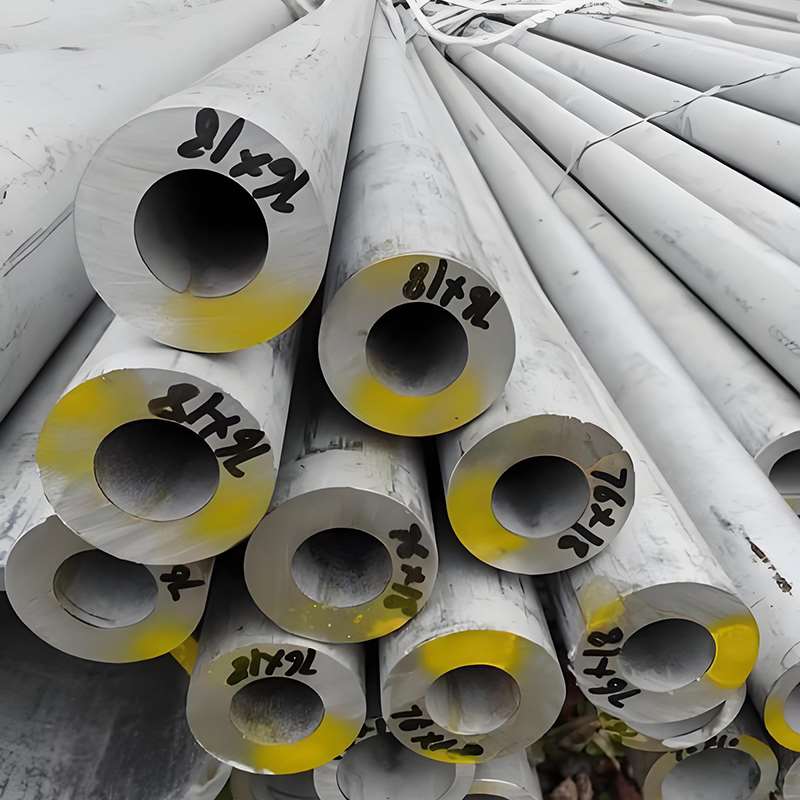
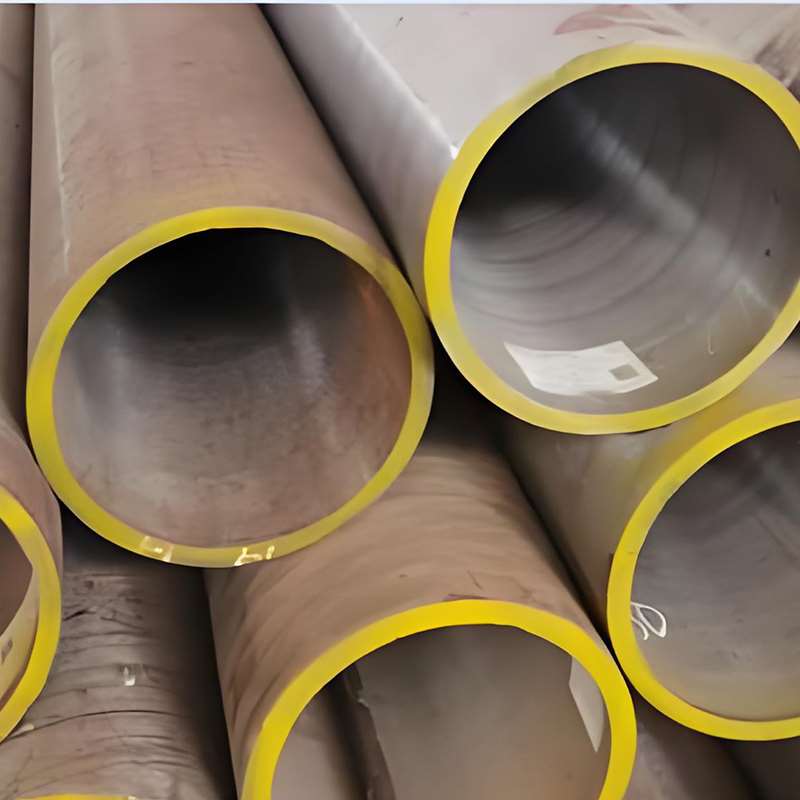
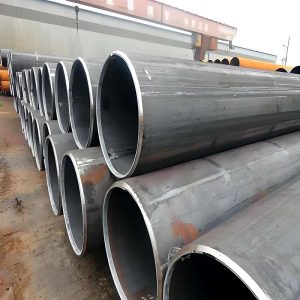
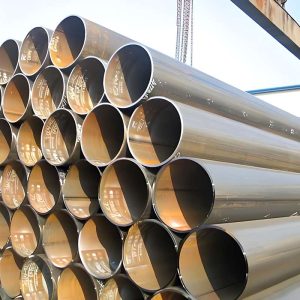
BS EN 10217 Alloy Steel Pipe

OD Range :

21.3mm – 630mm

WT Range :

2.0mm – 50.0mm

Length :

5.8m – 12m

Tolerance :

Outer Diameter ±1%, Wall Thickness ±10%, Length ±0.5%

Material :

P235TR1, P235TR2, P265GH, 16Mo3, 13CrMo4-5, 10CrMo9-10, etc.

Standard :

BS EN 10217-1

Surface :

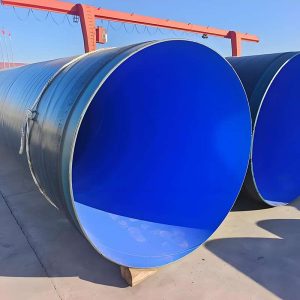
Seamless Tubing, Acid Pickling, Galvanizing, Anti-rust Oil Coating

Application :

Oil and Gas Pipelines, Chemical Equipment, Boilers and Pressure Vessels, Mechanical Structural Piping

Introduction :

BS EN 10217 alloy steel tubes are suitable for high-temperature and high-pressure environments; featuring excellent corrosion resistance and stable mechanical properties.

I. Overview of BS EN 10217 Alloy Steel Pipe:

BS EN 10217 alloy steel pipes are high-quality welded alloy steel pipes manufactured in accordance with British and European standards, designed for use in high-temperature, high-pressure, and corrosive environments.

These pipes possess excellent mechanical properties and chemical composition stability, making them widely applicable across various industrial sectors, including oil and gas, chemical equipment, boilers and pressure vessels, as well as mechanical structural piping.

A wide range of material grades, dimensions, and surface finishes are available to meet diverse engineering requirements.

II. BS ​​EN 10217 Alloy Steel Pipe Chemical Composition

MaterialC (Carbon)Mn (Manganese)P (Phosphorus)S (Sulfur)Si (Silicon)Cr (Chromium)Mo (Molybdenum)
P235TR1≤0.22%≤1.60%≤0.025%≤0.015%≤0.05%
P235TR2≤0.22%≤1.60%≤0.025%≤0.015%≤0.05%
P265GH≤0.22%≤1.50%≤0.025%≤0.015%≤0.06%
16Mo3≤0.20%≤1.60%≤0.025%≤0.015%≤0.40%0.25–0.35%
13CrMo4-50.10–0.20%0.40–0.70%≤0.025%≤0.015%0.15–0.40%1.0–1.5%0.15–0.30%
10CrMo9-100.08–0.15%0.30–0.60%≤0.025%≤0.015%0.15–0.40%2.0–2.5%0.90–1.10%

III. BS EN 10217 Alloy Steel Pipe: Mechanical Properties

MaterialYield Strength σy (MPa)Tensile Strength σt (MPa)Elongation A (%)Applicable Temperature Range
P235TR1≥235360–510≥22≤300°C
P235TR2≥235360–510≥20≤300°C
P265GH≥265410–560≥20≤400°C
16Mo3≥275430–580≥20≤450°C
13CrMo4-5310–360490–630≥18≤550°C
10CrMo9-10310–360490–640≥18≤600°C

IV. BS EN 10217 Alloy Steel Pipe Selection Guide

i. Define Operating Conditions

  1. Medium Type:
  • Gas, liquid, or chemically corrosive media.
  • Highly corrosive → Prioritize high-alloy steel (e.g., 13CrMo4-5 or 10CrMo9-10).
  1. Operating Temperature:
  • ≤ 300°C → P235TR1/TR2
  • 300–400°C → P265GH
  • 400–550°C → 16Mo3 / 13CrMo4-5
  • 550–600°C → 10CrMo9-10
  1. Operating Pressure:
  • Low-pressure piping → P235TR1
  • Medium pressure → TR2 or P265GH
  • High pressure or high safety requirements → High-temperature alloy steel

ii. Select appropriate materials and grades

Application ScenarioRecommended MaterialReason
Ambient temperature, low-pressure pipelinesP235TR1Low cost, sufficient mechanical strength
Medium-pressure industrial pipelinesP235TR2Higher strength than TR1, greater safety margin
High-temperature boilers and pressure vesselsP265GH / 16Mo3Good high-temperature strength, corrosion resistance
High-temperature, high-pressure chemical pipelines13CrMo4-5Corrosion-resistant, high high-temperature strength
Extreme ultra-high-temperature conditions10CrMo9-10Highest pressure-bearing capacity at ultra-high temperatures

iii. Determine Specifications and Dimensions

  • Outer Diameter: 21.3–630 mm (selected based on pipeline design and flow rate).
  • Wall Thickness: 2–50 mm (calculated based on working pressure, in accordance with ASME or EN 10217 standard formulas).
  • Length: 5.8–12 m (customizable; considerations should be given to ease of transport and construction).
  • Tolerances: Outer Diameter ±1%, Wall Thickness ±10%, Length ±0.5%.

iv. Surface Treatment Options

  • Standard Indoor Environments: As-drawn (untreated) or acid pickling is sufficient.
  • Outdoor or Corrosive Environments: Zinc plating or anti-rust oil treatment.
  • High-Temperature Corrosive Media: Heat treatment or corrosion-resistant coatings may be selected.

v. Inspection and Quality Requirements

  • For piping applications with stringent safety requirements, the following inspections are recommended:
  • Chemical composition analysis
  • Dimensional and tolerance verification
  • Tensile and bend testing
  • Hardness testing
  • Non-destructive testing (Ultrasonic / Magnetic Particle Inspection)

vi. Comprehensive Consideration of Cost and Constructability

  • The higher the material grade, the higher the cost.
  • Recommendation: Select materials based on actual operating conditions; avoid blindly pursuing the highest grade, though safety margins may be appropriately increased.
  • Note regarding transport and construction feasibility: Pipes of excessive length or diameter may increase transportation difficulties.
Related Products

Outer Diameter (mm) Wall Thickness (mm) Length (m)
21.3 2.0, 2.5, 3.0 5.8 – 12
26.9 2.0, 2.5, 3.2 5.8 – 12
33.7 2.5, 3.2, 4.0 5.8 – 12
42.4 3.2, 4.0, 4.5 5.8 – 12
48.3 3.2, 4.0, 4.5, 5.0 5.8 – 12
60.3 4.0, 4.5, 5.0, 6.0 5.8 – 12
76.1 4.5, 5.0, 6.0, 7.0 5.8 – 12
88.9 5.0, 6.0, 7.0, 8.0 5.8 – 12
114.3 6.0, 7.0, 8.0, 9.0 5.8 – 12
139.7 6.0, 7.0, 8.0, 9.0, 10.0 5.8 – 12
168.3 7.0, 8.0, 9.0, 10.0, 11.0 5.8 – 12
193.7 8.0, 9.0, 10.0, 11.0, 12.0 5.8 – 12
219.1 8.0, 9.0, 10.0, 11.0, 12.0, 14.0 5.8 – 12
273.0 9.0, 10.0, 12.0, 14.0 5.8 – 12
323.9 10.0, 12.0, 14.0, 16.0 5.8 – 12
355.6 12.0, 14.0, 16.0, 18.0 5.8 – 12
406.4 12.0, 14.0, 16.0, 18.0, 20.0 5.8 – 12
457.0 14.0, 16.0, 18.0, 20.0 5.8 – 12
508.0 16.0, 18.0, 20.0, 22.0 5.8 – 12
559.0 18.0, 20.0, 22.0, 24.0 5.8 – 12
610.0 20.0, 22.0, 24.0, 26.0 5.8 – 12
630.0 22.0, 24.0, 26.0, 28.0 5.8 – 12

Standard Introduction — BS EN 10217 Alloy Steel Tubes

BS EN 10217 is a British/European standard specifically addressing the design, manufacturing, and inspection requirements for welded alloy steel tubes, primarily intended for use in high-temperature, high-pressure, and industrial piping systems.

1. Scope of Application

  • Covers welded steel pipes and alloy steel pipes (including carbon-manganese steel, low-alloy steel, and high-temperature alloy steel).
  • Applicable to industrial piping, boilers, pressure vessels, and mechanical structures.
  • Specifies pipe dimensions, wall thickness, tolerances, chemical composition, and mechanical properties.

2. Key Features

  • Defined Materials and Grades: Encompasses a wide range of alloy steel grades, including P235TR1, P235TR2, P265GH, 16Mo3, 13CrMo4-5, 10CrMo9-10, and others.
  • Strict Control of Chemical Composition: Ensures stable mechanical and welding properties, making the materials suitable for diverse operating environments.
  • Mechanical Property Specifications: Includes parameters such as yield strength, tensile strength, and elongation, meeting the requirements for high-temperature and high-pressure applications.
  • Testing and Quality Requirements: Outlines testing methods including tensile testing, bend testing, dimensional inspection, and non-destructive testing.
  • International Applicability: Complies with British and European industrial standards, allowing for interchangeable reference with standards such as EN, BS, and ISO.

3. Standard Numbers

  • BS EN 10217-1: Welded Alloy Steel Pipes — General Requirements
  • BS EN 10217-2 / 10217-5: Additional Requirements for High-Temperature, High-Pressure, and Special-Purpose Applications


BS EN 10217 Alloy Steel Pipe Production Process

Raw Material Preparation → Cutting → Forming and Welding → Heat Treatment → Dimensional Correction → Surface Treatment → Inspection → Finished Product Storage

Detailed Process Description

1. Raw Material Preparation: Select qualified steel strips or plates, ensuring that their chemical composition complies with the requirements of the specified material grade.

2. Cutting: Cut the raw materials into appropriate lengths and widths in preparation for the forming and welding stages.

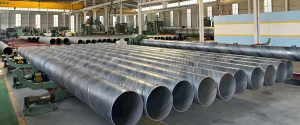
3. Forming and Welding: Employ either spiral welding or straight-seam welding to roll the steel strips into tubular form and weld them into a finished pipe structure.

4. Heat Treatment: Perform processes such as normalizing, annealing, or quenching to enhance the mechanical properties and structural uniformity of the pipe material.

5. Dimensional Correction: Utilize straightening machines and rounding machines to ensure that the pipe’s outer diameter, wall thickness, and straightness meet the required standards.

6. Surface Treatment: Apply treatments such as pickling, galvanizing, or anti-rust oil coating to improve corrosion resistance and aesthetic appeal.

7. Inspection: Conduct comprehensive testing—including chemical composition analysis, mechanical property evaluation, dimensional deviation checks, and non-destructive testing (such as ultrasonic or magnetic particle inspection)—to ensure full compliance with the BS EN 10217 standard.

8. Finished Product Storage: Classify and store the finished products according to their specifications, material grades, and batch numbers, awaiting shipment.


Test Item Test Content Standard Technical Requirements / Acceptance Criteria
Chemical Composition Content of elements such as C, Mn, P, S, Si EN 10217 / EN 10027 Controlled according to material grade, e.g., P235TR1: C ≤0.22%, Mn ≤1.60%, P ≤0.025%, S ≤0.015%, Si ≤0.05%
Tensile Properties Yield strength, tensile strength, elongation EN 10002-1 According to material grade, e.g., P235TR2: Yield strength ≥235 MPa, tensile strength 360–510 MPa, elongation ≥20%
Bending Test Cold or hot bending to check plasticity and toughness EN 10217 No cracks or fractures after bending; meets standard requirements
Dimensional Inspection Outer diameter, wall thickness, length, and straightness deviation EN 10217 Outer diameter ±1%, wall thickness ±10%, length ±0.5%, straightness meets standard
Hardness Test Rockwell or Brinell hardness EN ISO 6508 Controlled according to material grade, e.g., P265GH HRB ≤90
Non-Destructive Testing (NDT) Ultrasonic testing (UT), magnetic particle testing (MT) EN 10217 / EN 10228 No cracks, slag inclusions, porosity, or other welding defects
Surface Quality Visual inspection for defects (cracks, pits, scratches) EN 10217 / EN 10079 Surface defects must be within allowable limits and not affect use
Pressure Test (Optional) Hydrostatic or pneumatic test to check pipe sealing EN 10217 / ASME BPVC No leakage under working pressure; pressure holding time meets standard requirements


Q1. How do I select the appropriate material and grade?

Answer:
First, identify the operating pressure, temperature, and type of medium.
Ambient temperature and low pressure → P235TR1/TR2
High-temperature boilers → P265GH / 16Mo3
High-temperature, high-pressure chemical pipelines → 13CrMo4-5
Extreme high temperatures → 10CrMo9-10
It is recommended to calculate the wall thickness based on relevant design codes to ensure an adequate safety margin.

Q2. How are the pipe dimensions and wall thickness determined?

Answer:
The outer diameter and wall thickness are calculated based on the design pressure and flow rate.
Common ranges: Outer diameter 21.3–630 mm, wall thickness 2–50 mm, length 5.8–12 m; custom specifications are available.
The wall thickness should be selected in accordance with standard formulas and safety factors to avoid the use of pipes with insufficient wall thickness.

Q3. Can piping materials be used for extended periods in high-temperature and high-pressure environments?

Answer:
Yes, but it is essential to select high-temperature alloy steels (such as 13CrMo4-5 or 10CrMo9-10) and ensure that heat treatment, welding, and inspection procedures comply with relevant standards. Regular visual inspections and non-destructive testing can help extend the service life of the piping.

Q4. What should be done if the pipe surface is prone to corrosion?

Answer:
Select an appropriate surface treatment: For indoor applications, bare pipes or acid pickling are suitable; for outdoor use or corrosive environments, galvanizing or applying anti-rust oil is recommended. In the presence of corrosive chemical media, consider using corrosion-resistant alloys or coated pipes.

Q5. How do you ensure the reliability of pipe quality?

Answer:
We require suppliers to provide comprehensive quality certificates and test reports, including data on chemical composition, tensile properties, bending tests, dimensional inspections, and non-destructive testing (UT/MT).
For critical projects, we recommend 100% inspection and third-party certification.

Q6. What common issues are encountered during transportation and installation?

Answer:
Large-diameter or extra-long pipes are prone to deformation or damage.
Recommendations:
Use steel strapping or wooden crates for packaging, and ensure pipe ends are protected.
Avoid rough handling; utilize professional lifting equipment.
Select pipes of appropriate length and weight based on the specific conditions of the construction site.