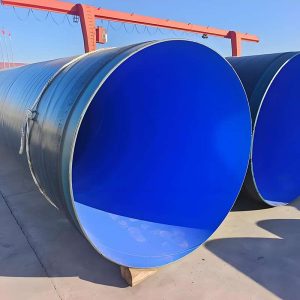
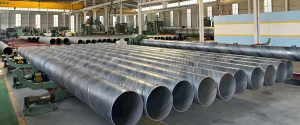
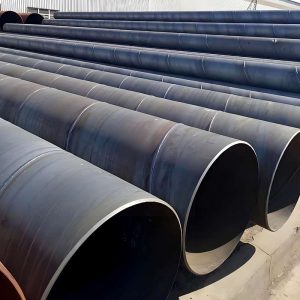
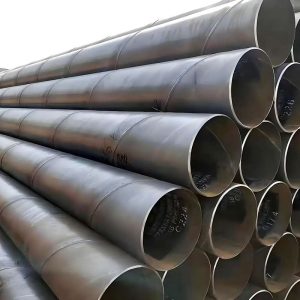
I. Overview of BS EN 10220 Carbon Steel Pipes
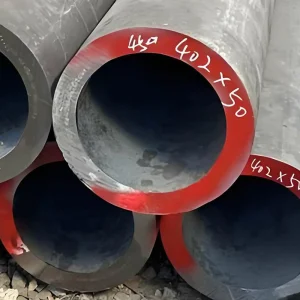
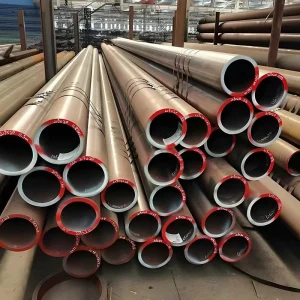
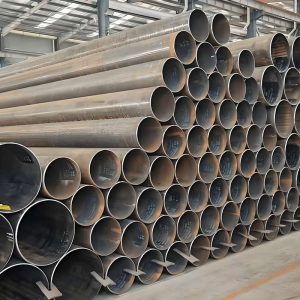
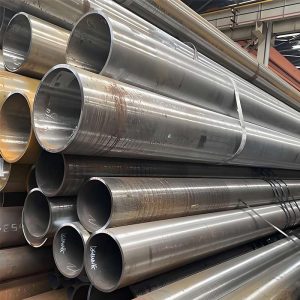
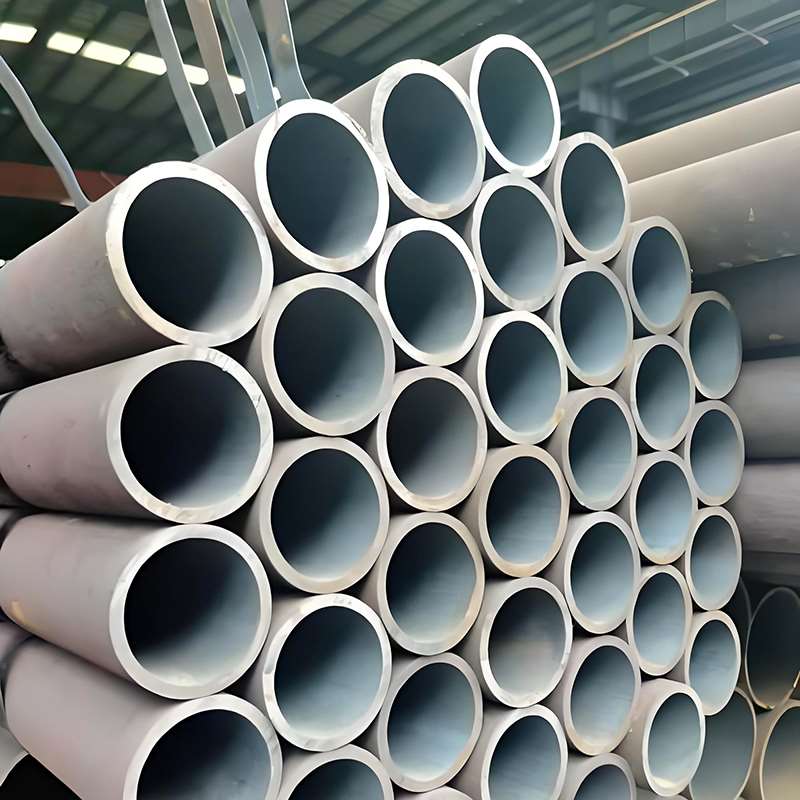
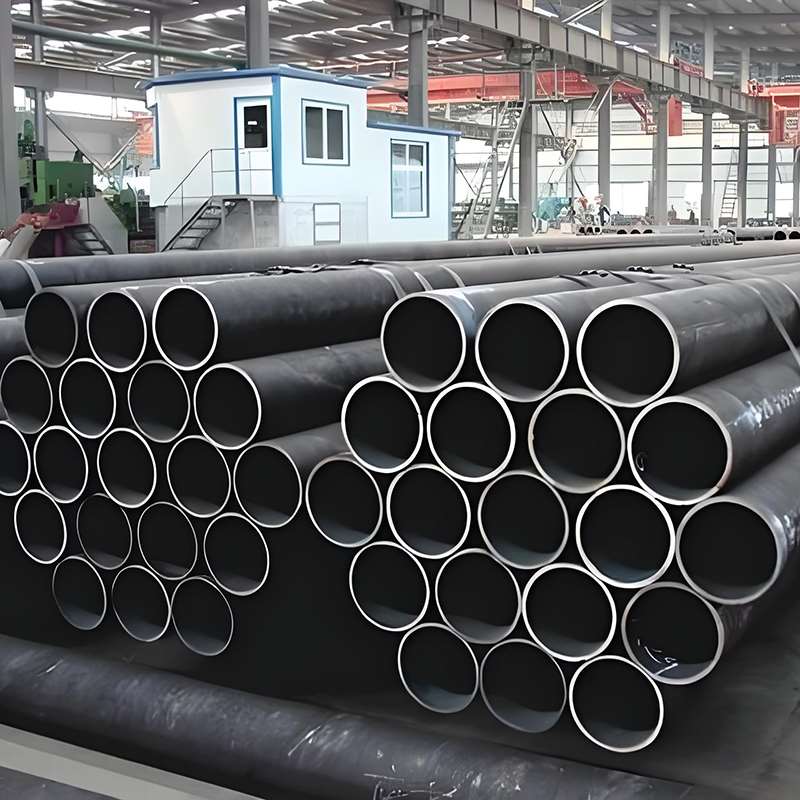
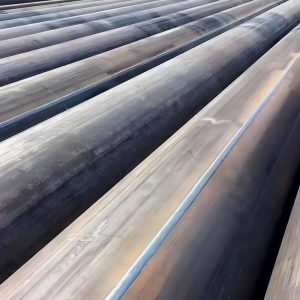
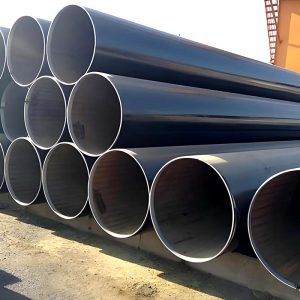
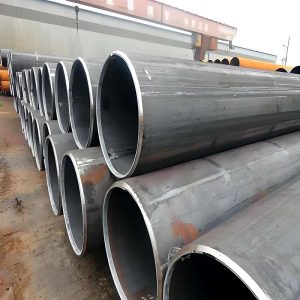
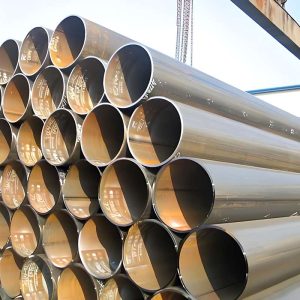
BS EN 10220 carbon steel pipes are industrial steel pipes manufactured in accordance with European and British standards, suitable for conveying water, oil, natural gas, and various other industrial fluids.
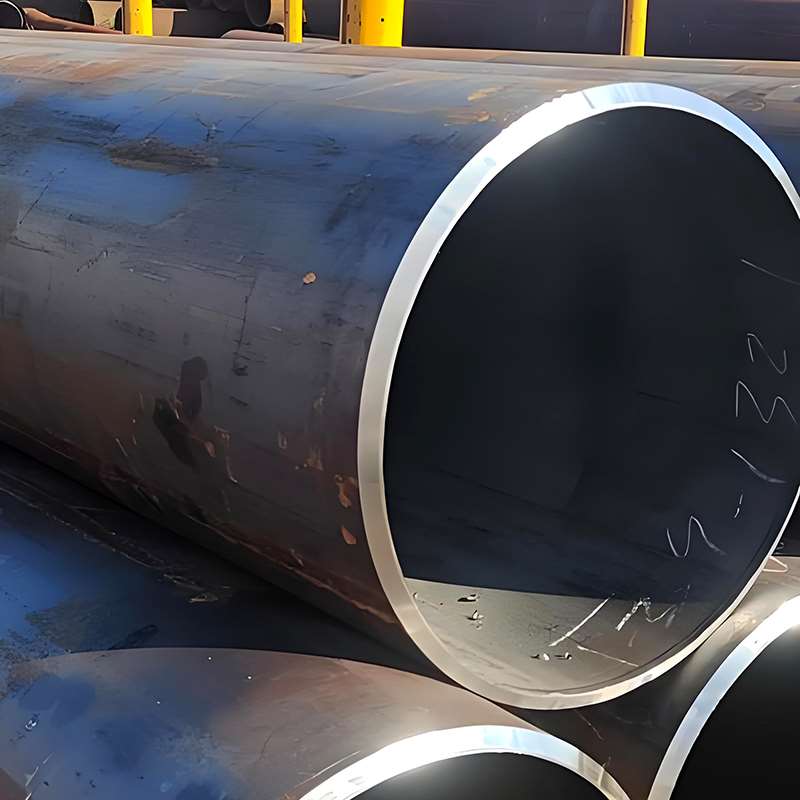
The primary material for these steel pipes is carbon steel (such as S235, S275, S355, etc.). Depending on the specific operating environment, appropriate wall thicknesses and surface finishes—including black finish, hot-dip galvanizing, painting, or anti-rust oil coating—can be selected.
Key features include:
- Standardized Dimensions: Outer diameter, wall thickness, and theoretical weight are strictly controlled in accordance with the EN 10220 standard, facilitating both design and construction.
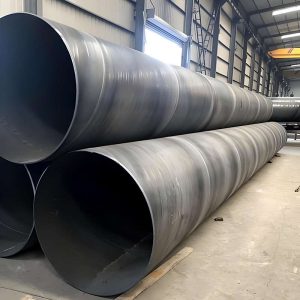
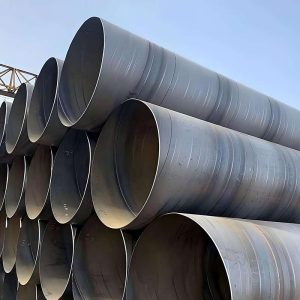
- Diverse Types: Available in both seamless and welded varieties to meet the requirements of various pressure ratings and operating conditions.
- High Reliability: Suitable for pipeline systems ranging from low-to-medium pressure to high-pressure applications, offering excellent corrosion resistance and stable mechanical properties.
- Ease of Processing and Installation: Can be easily cut, welded, and bent, ensuring convenient and efficient construction.
II. BS EN 10220: Common Material/Steel Grade Distinctions in Carbon Steel Pipes
| Steel Grade / Material | Chemical Composition Characteristics | Mechanical Properties | Main Applications |
|---|---|---|---|
| S235 | C ≤ 0.17–0.20%, Mn ≤ 1.40%, P ≤ 0.035%, S ≤ 0.035% | Yield strength ≥ 235 MPa, tensile strength 360–510 MPa | Building structures, low-pressure pipelines, general mechanical supports |
| S275 | C ≤ 0.20%, Mn ≤ 1.50%, P ≤ 0.035%, S ≤ 0.035% | Yield strength ≥ 275 MPa, tensile strength 410–560 MPa | Medium to low-pressure pipelines, structural supports, bridges |
| S355 | C ≤ 0.22%, Mn ≤ 1.60%, P ≤ 0.035%, S ≤ 0.035% | Yield strength ≥ 355 MPa, tensile strength 470–630 MPa | High-pressure pipelines, heavy structures, mechanical manufacturing |
| EN 10216-1 / EN 10217-1 Equivalent Carbon Steel Grades | Specific grades as per standard requirements | Yield strength and tensile strength vary by grade | Seamless pipes and welded pipes |
Summary of Differences
- Strength: S355 > S275 > S235; they differ in their capacity to withstand pressure and loads.
- Machinability: S235 is the easiest to machine, while S355 possesses high strength but presents greater machining difficulty.
- Applications: S235 is used for low-pressure and general structural applications; S275 is used for medium-to-low pressure systems and bridges; S355 is used for high-pressure and heavy-duty pipelines.
- Cost: S235 has the lowest cost, while S355 is relatively more expensive; selection should be based on specific project requirements.
III. BS EN 10220 tàn gāngguǎn yìngyòng lǐngyù 1. Gōngyè guǎndào xìtǒng shūsòng shuǐ, zhēngqì, yóu, tiānránqì jí qítā gōngyè liútǐ, shìyòng yú zhōng dīyā dào gāoyā guǎndào. 2. Jiànzhú yǔ jiégòu gōngchéng yòng yú jiànzhú kuàngjià, zhīchēng jiégòu, qiáoliáng chéngzhòng hé jiǎoshǒujià, biāozhǔnhuà guǎn jìng biànyú shīgōng hé shèjì. 3. Jīxiè zhìzào jīxiè yèyā guǎndào, zhījià, líng bùjiàn děng, shìhé chéngshòu jīxiè fùhè hé gōngyè gōng kuàng. 4. Néngyuán hángyè fādiàn chǎng, shíhuà chǎng jí tiānránqì guǎndào xìtǒng, shìhé gāoyā, gāowēn huánjìng. 5. Chuánbó yú jiāotōng shèshī chuányòng guǎndào, gǎngkǒu shèshī, qiáoliáng hé jiāotōng jīchǔ shèshī zhīchēng guǎndào. 6. Shuǐ chǔlǐ yǔ gěi páishuǐ xìtǒng shìzhèng gōngshuǐ, páishuǐ hé wūshuǐ chǔlǐ guǎndào, yìyú liánjiē yǔ wéihù. 7. Huàgōng yǔ zhìyào hángyè shūsòng huàxué jièzhì huò yètǐ yuánliào, kě xuǎnzé fángfǔ biǎomiàn chǔlǐ guǎncái. 8. Shípǐn yǔ yǐnliào gōngyè (fēi zhíjiē jiēchù guǎndào) yòng yú shūsòng fēi shípǐn jiè zhí guǎndào, jiéhé tú céng huò dù xīn fánghù, bǎozhàng guǎncái nàiyòng xìng.
347
III. Application Fields of BS EN 10220 Carbon Steel Pipes
- Industrial Piping Systems
Conveying water, steam, oil, natural gas, and other industrial fluids; suitable for piping applications ranging from low-to-medium pressure to high pressure. - Construction and Structural Engineering
Used for building frameworks, support structures, bridge load-bearing components, and scaffolding; standardized pipe diameters facilitate ease of construction and design. - Mechanical Manufacturing
Used for mechanical hydraulic lines, support brackets, components, and parts; suitable for withstanding mechanical loads and demanding industrial operating conditions. - Energy Sector
Applications in power plants, petrochemical facilities, and natural gas pipeline systems; suitable for high-pressure and high-temperature environments. - Marine and Transportation Facilities
Used for marine piping systems, port facilities, bridges, and support structures within transportation infrastructure. - Water Treatment and Drainage Systems
Municipal water supply, drainage, and sewage treatment pipelines; designed for easy connection and maintenance. - Chemical and Pharmaceutical Industries
Conveying chemical media or liquid raw materials; corrosion-resistant surface-treated pipes are available as an option. - Food and Beverage Industry (Non-Direct Contact Piping)
Used for conveying non-food media; when combined with protective coatings or galvanization, ensures the long-term durability of the piping materials.
IV. BS EN 10220 Carbon Steel Tubes — Packaging and Transport
| Parameter | Description |
|---|---|
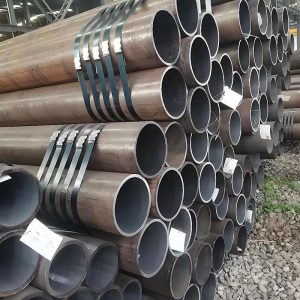
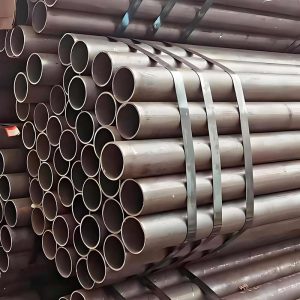
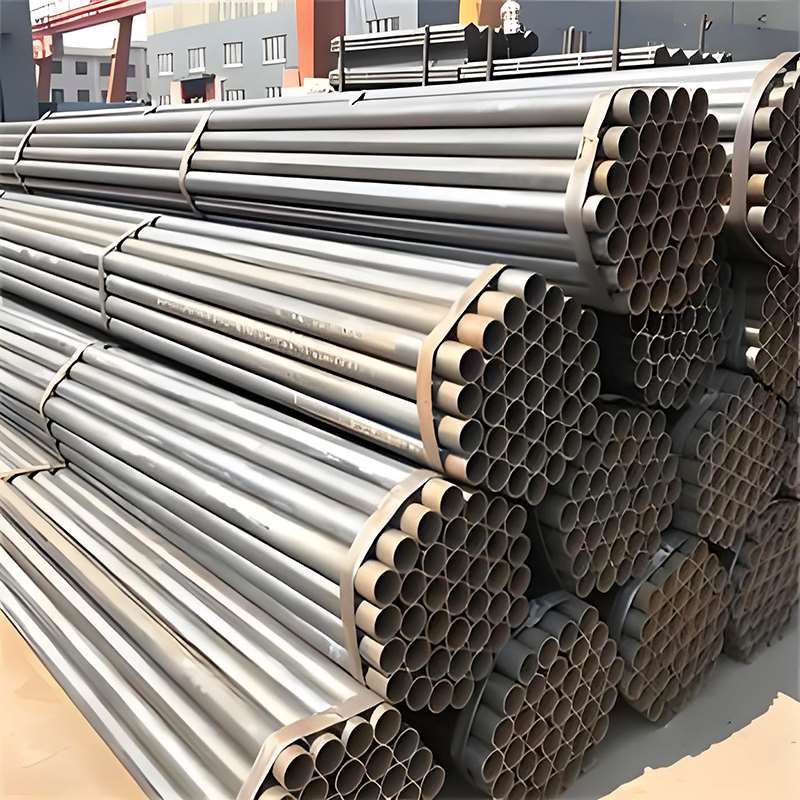
| Packaging Method | – Cut to customer-specified lengths and bundled – Bundled using steel straps or wires, with wooden wedges for support – Large-diameter pipes can use sleeves to protect the inner pipe from impact – Waterproof plastic film can be added for export shipments |
| Anti-Rust Measures | – Apply anti-rust oil inside and outside – Painting or hot-dip galvanizing available per customer request – Additional protective film for long-term transport or storage |
| Transportation Method | – Sea freight: suitable for large quantities, using containers or bulk loading – Land transport: flatbed trucks or trailers, with end caps for pipe protection – Rail transport: secured with wooden pallets or steel frames to prevent rolling and collisions |
| Length Specification | – Standard lengths: 6 m or 12 m, custom cutting available per project – Can be cut into segments or perforated according to customer requirements |
| Loading & Unloading Precautions | – Avoid direct friction on pipe surface during lifting – Use slings or pallets to prevent scratches – Distribute weight evenly during loading to prevent deformation |
| Labeling Requirements | – Each bundle labeled with specifications, steel grade, standard (BS EN 10220), and production batch number – Facilitates project inspection, warehouse management, and traceability |