Products

Related News

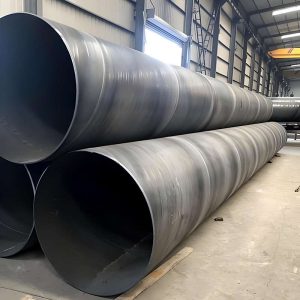
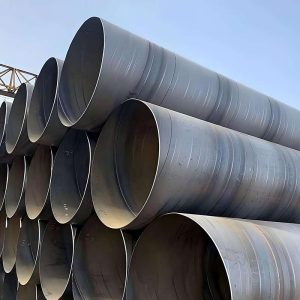
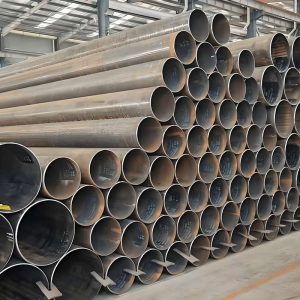
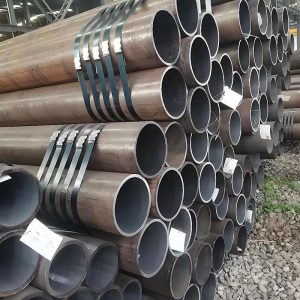
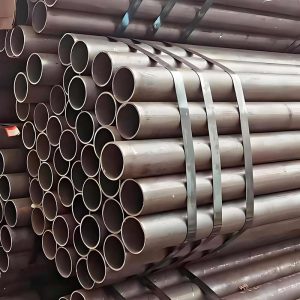
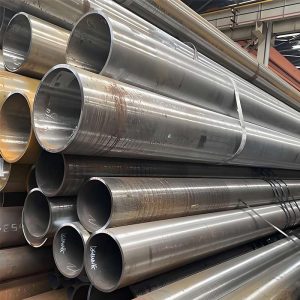
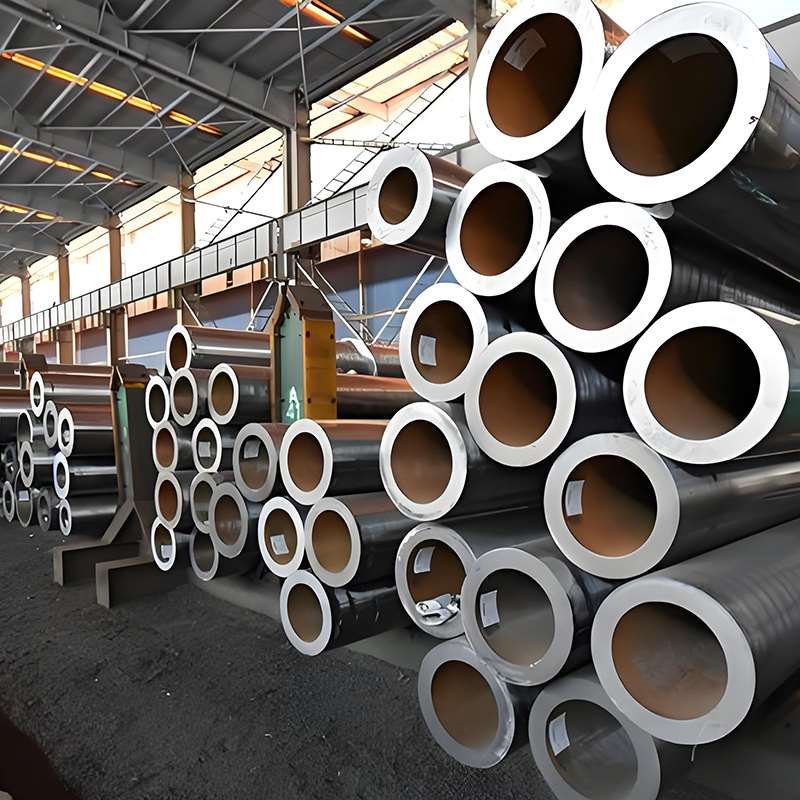
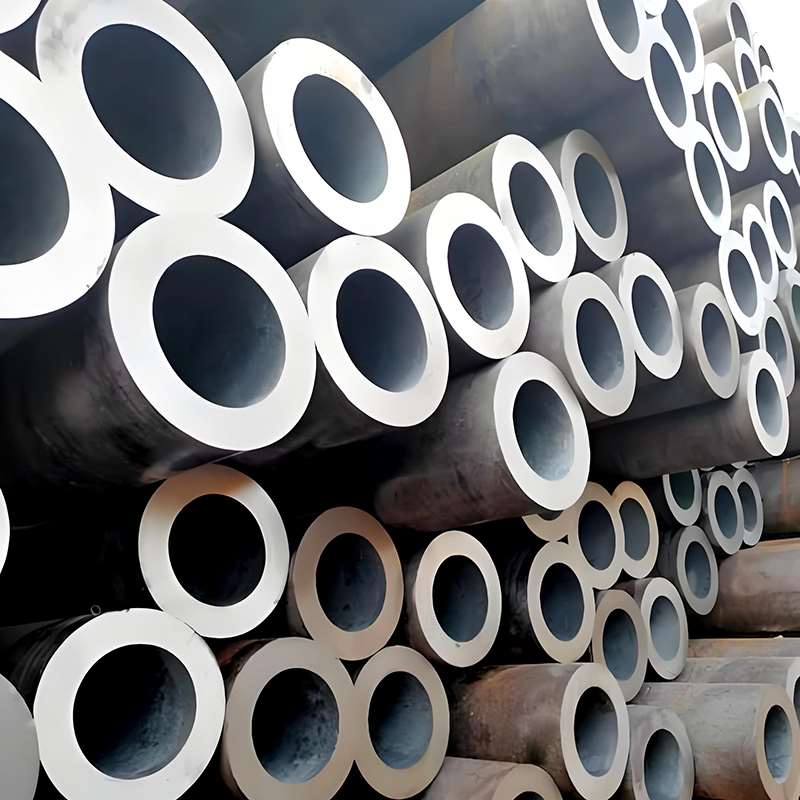
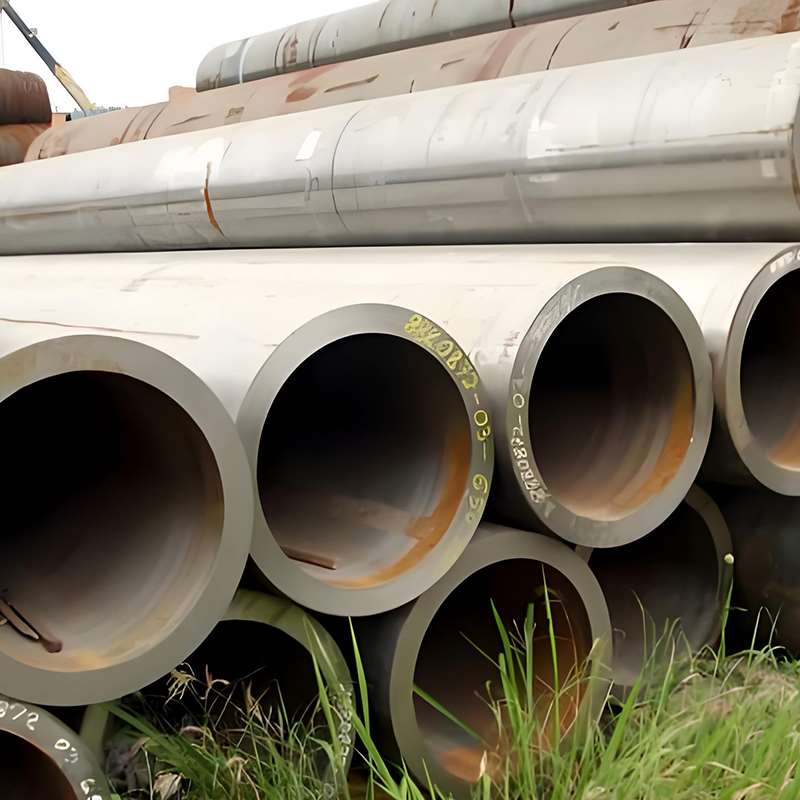
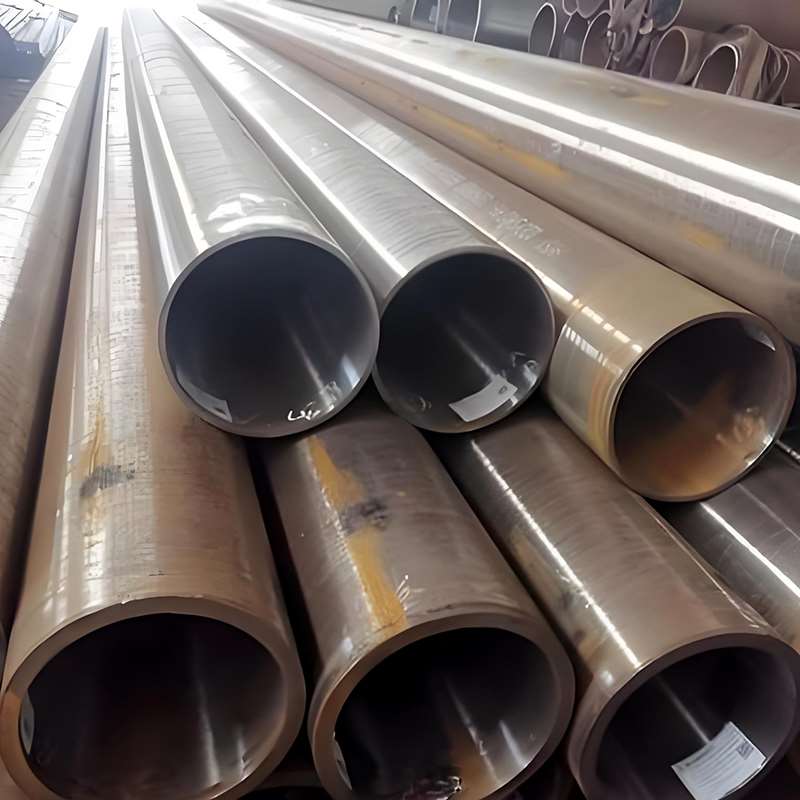
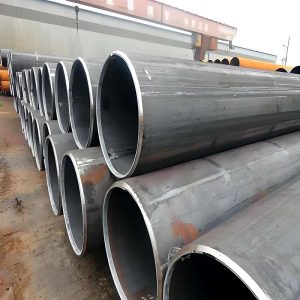
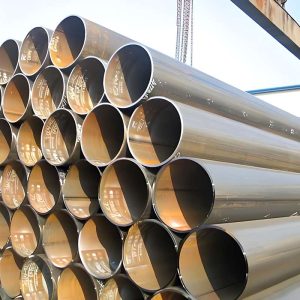
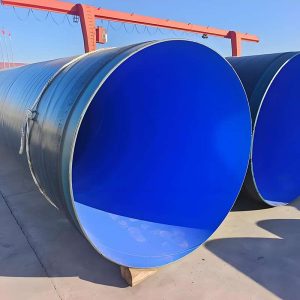
DIN 17175 Boiler Steel Pipe

OD Range :

21.3 mm ~ 720 mm

WT Range :

2.5 mm ~ 50 mm

Length :

5.8 m ~ 12 m

Tolerance :

Outer Diameter: ±1%; Wall Thickness: ±10%

Material :

P235GH, P265GH, P355GH, P355NH

Standard :

DIN 17175, EN 10216-2

Surface :

Black Oiled, Acid-Pickled, Bright Polished

Application :

Boilers, Pressure Vessels, Heat Exchangers, High-Temperature and High-Pressure Piping

Introduction :

DIN 17175 boiler steel tubes are suitable for high-temperature and high-pressure industrial environments, offering excellent corrosion resistance and superior mechanical properties.

I. Introduction to DIN 17175 Boiler Steel Tubes:

  • DIN 17175 boiler steel tubes are high-quality steel tubes specifically designed for industrial environments characterized by high temperatures and high pressures, possessing excellent mechanical properties and corrosion resistance.
  • Widely utilized in boilers, heat exchangers, pressure vessels, and industrial piping systems, they are capable of meeting the safety requirements associated with high-temperature and high-pressure operations.
  • Available in a diverse range of specifications, these tubes are suitable for a wide variety of engineering requirements.

II. Mechanical Properties and Chemical Composition of DIN 17175 Boiler Steel Pipes

i. Table of Mechanical Properties

Performance IndexP235GHP265GHP355GHP355NH
Yield Strength (MPa)≥ 235≥ 265≥ 355≥ 355
Tensile Strength (MPa)410 – 560410 – 560490 – 630490 – 630
Elongation (%)≥ 22≥ 22≥ 20≥ 20
Bending PropertyCold bending 180° without crackingCold bending 180° without crackingCold bending 180° without crackingCold bending 180° without cracking
High Temperature ResistanceSuitable for ≤ 450°CSuitable for ≤ 450°CSuitable for ≤ 500°CSuitable for ≤ 550°C

ii. Chemical Composition Table (%)

ElementP235GHP265GHP355GHP355NH
Carbon (C)≤ 0.22≤ 0.22≤ 0.22≤ 0.22
Manganese (Mn)≤ 1.60≤ 1.50≤ 1.60≤ 1.60
Silicon (Si)0.10 – 0.500.10 – 0.500.10 – 0.500.10 – 0.50
Phosphorus (P)≤ 0.025≤ 0.025≤ 0.025≤ 0.025
Sulfur (S)≤ 0.015≤ 0.015≤ 0.015≤ 0.015

III. DIN 17175 Boiler Steel Tube Procurement Guide

i. Clarify Steel Grade and Standard

  • Confirm that the required steel grade (e.g., P235GH, P265GH, P355GH, P355NH) satisfies the design pressure and temperature requirements.
  • Note standard differences: Although DIN 17175 and EN 10216-2 are similar, certain requirements regarding chemical composition and mechanical properties may differ slightly.

ii. Verify Dimensional Specifications

  • Outer diameter, wall thickness, and length must strictly conform to the design drawings.
  • Pay close attention to tolerance ranges—specifically a wall thickness deviation of ±10% and an outer diameter deviation of ±1%—to prevent installation mismatches.

iii. Inspect Mechanical Properties and Chemical Composition

  • Yield strength, tensile strength, elongation, and bending properties must comply with the standard.
  • Verify the chemical composition—particularly key elements such as C, Mn, P, S, and Si—to avoid using tubing with excessive impurity levels, which could pose risks during high-temperature operation.

iv. Verification of Testing and Certification

  • Require the manufacturer to provide complete Material Test Certificates (MTCs) and third-party inspection reports.
  • These documents must cover dimensions, chemical composition, mechanical properties, and necessary Non-Destructive Testing (NDT) results (UT, RT, PT, MT).

v. Review of Surface Treatment and Packaging

  • The surface treatment method (e.g., black oil coating, pickling, bright polishing) must be appropriate for the intended operating environment.
  • For export or long-distance transport, ensure that packaging measures—specifically those designed to prevent rust and physical damage—are robust and adequate.

vi. Assessment of Supply Capacity and Lead Times

  • For large-scale projects, it is essential to verify the supplier’s production capacity and inventory levels in advance.
  • Lead times, transportation methods, and after-sales support directly impact the overall project schedule.

vii. Avoiding Common Pitfalls

  • Unclear Steel Grade Requirements: Purchasing lower-grade piping materials that lack sufficient pressure-bearing capacity.
  • Excessive Dimensional Deviations: Discrepancies in wall thickness or outer diameter leading to welding or installation issues.
  • Missing Certificates or Test Reports: Failure to pass final acceptance inspections, or potential complications regarding insurance coverage.
  • Neglecting High-Temperature Performance: Susceptibility to creep or fracture during long-term operation.
  • Unreputable Suppliers: Being lured by low prices, only to encounter counterfeit materials or inconsistent quality.

viii. Recommended Procurement Process

  • Define project requirements and specify the required steel grade.
  • Develop a detailed specification sheet (covering dimensions, length, wall thickness, and tolerances).
  • Contact reliable suppliers and request Material Test Certificates (MTCs) and test reports.
  • Conduct sample testing or small-batch trials to verify performance.
  • Execute a formal contract clearly stipulating delivery terms, quality standards, and after-sales responsibilities.
Related Products

Outer Diameter (mm) Wall Thickness (mm) Standard Length (m) Tolerance (OD / WT)
21.3 2.5 – 3.0 5.8 – 12 ±1% / ±10%
25.0 2.5 – 3.5 5.8 – 12 ±1% / ±10%
32.0 2.5 – 4.0 5.8 – 12 ±1% / ±10%
38.0 2.5 – 4.5 5.8 – 12 ±1% / ±10%
42.0 3.0 – 5.0 5.8 – 12 ±1% / ±10%
48.0 3.0 – 5.5 5.8 – 12 ±1% / ±10%
60.0 3.5 – 6.0 5.8 – 12 ±1% / ±10%
76.1 4.0 – 7.0 5.8 – 12 ±1% / ±10%
88.9 4.0 – 8.0 5.8 – 12 ±1% / ±10%
114.3 4.5 – 9.0 5.8 – 12 ±1% / ±10%
139.7 5.0 – 10.0 5.8 – 12 ±1% / ±10%
168.3 5.5 – 11.0 5.8 – 12 ±1% / ±10%
219.1 6.0 – 12.5 5.8 – 12 ±1% / ±10%
273.0 7.0 – 14.0 5.8 – 12 ±1% / ±10%
323.9 8.0 – 16.0 5.8 – 12 ±1% / ±10%
355.6 8.0 – 18.0 5.8 – 12 ±1% / ±10%
406.4 10.0 – 20.0 5.8 – 12 ±1% / ±10%
508.0 12.0 – 25.0 5.8 – 12 ±1% / ±10%
610.0 14.0 – 30.0 5.8 – 12 ±1% / ±10%
720.0 16.0 – 50.0 5.8 – 12 ±1% / ±10%

Introduction to the DIN 17175 Standard

  • DIN 17175 is a technical specification established by the German Institute for Standardization (Deutsches Institut für Normung, DIN) for seamless steel tubes intended for boiler applications; it is primarily utilized in piping systems within high-temperature and high-pressure industrial environments.
  • This standard stipulates the material grades, mechanical properties, chemical composition, dimensional tolerances, and inspection requirements for these steel tubes, thereby ensuring the long-term safe operation of the tubing within boilers and pressure vessels.

1. Scope of Application
Industrial piping systems operating under high-temperature and high-pressure conditions, including boiler pipelines, pressure vessels, heat exchangers, and similar equipment.

2. Material Grades
Common Steel Grades: P235GH, P265GH, P355GH, P355NH.
These are low-alloy steels characterized by excellent tensile strength, elongation, and high-temperature performance.

3. Dimensions and Tolerances
Outer Diameter Range: 21.3 – 720 mm
Wall Thickness Range: 2.5 – 50 mm
Length: 5.8 – 12 m (Custom lengths available)
Tolerances: Outer Diameter ±1%, Wall Thickness ±10%

4. Mechanical Properties
Yield strength, tensile strength, elongation, and bending properties meet standard requirements.
Long-term safety performance indicators are established specifically for the high-temperature operating environments associated with each steel grade.

5. Chemical Composition Requirements
The content of elements such as C, Mn, Si, P, and S is strictly controlled to ensure the steel pipes possess the necessary resistance to high-temperature corrosion and mechanical strength.

6. Inspection and Quality Control
Includes dimensional inspection, chemical composition analysis, mechanical property testing, and necessary non-destructive testing (UT/RT/PT/MT).
Ensures that every pipe meets the requirements for long-term operation under high-temperature and high-pressure conditions.

DIN 17175 Boiler Steel Pipe Production Process:
Raw Material Procurement → Melting and Steelmaking → Continuous Casting of Billets → Billet Heating → Hot Rolling into Tubes → Sizing/Shaping → Dimensional Inspection → Non-Destructive Testing → Surface Treatment → Packaging and Dispatch

Inspection Item Inspection Content Standard / Technical Requirements
Chemical Composition Content of C, Mn, Si, P, S, etc. According to DIN 17175 / EN 10216-2, must comply with grade requirements, e.g.: P235GH: C ≤ 0.22%, Mn ≤ 1.60%, P ≤ 0.025%, S ≤ 0.015%P265GH: C ≤ 0.22%, Mn ≤ 1.50%, P ≤ 0.025%, S ≤ 0.015%
Tensile Properties Yield strength, tensile strength, elongation According to DIN 17175, must meet mechanical property requirements, e.g.: P235GH: Yield ≥ 235 MPa, Tensile 410–560 MPa, Elongation ≥ 22%
Bending Test Cold or hot bending, checking for cracks According to DIN 17175, 180° cold bending without cracking
Hardness Test Brinell hardness or Rockwell hardness ≤ HB 170 – 200 (varies slightly depending on grade)
Hydrostatic Test Internal pressure test to verify pressure resistance Test pressure according to design pressure, duration ≥ 10 seconds, no leakage or rupture
Non-Destructive Testing (NDT) Ultrasonic (UT), Radiographic (RT), Magnetic Particle (MT), or Penetrant (PT) According to DIN 17175 requirements, ensuring no cracks, inclusions, or porosity defects
Dimensional Inspection Outer diameter, wall thickness, length, tolerances OD ±1%, WT ±10%, length as per specified requirements
Surface Inspection Oiling, anti-rust, pickling, or polishing Surface free from visible rust, scratches, dents, or unevenness

Q1. How do I select the appropriate steel grade (P235GH, P265GH, P355GH, P355NH)?

Answer:
The selection of the steel grade should be determined based on the pipeline’s operating pressure, temperature, and service environment.
P235GH / P265GH: Suitable for medium-to-low pressure boilers and general industrial piping, with a long-term operating temperature of ≤ 450°C.
P355GH / P355NH: Suitable for high-pressure boilers and heat exchangers, with a long-term operating temperature reaching 500–550°C.
It is recommended to select the most suitable steel grade by taking into account both the design pressure and the safety factor.

Q2. How are the outer diameter and wall thickness determined?

Answer:
The outer diameter and wall thickness must satisfy the requirements for design flow rate, pressure, temperature, and mechanical strength.
The selection of the outer diameter impacts both the pipeline installation process and its flow capacity.
The wall thickness must be sufficient to prevent excessive stress under high-temperature and high-pressure conditions, while also complying with the ±10% tolerance specified in DIN 17175.
Selection may be based on engineering drawings or pressure calculations.

Q3. Can the pipe lengths be cut to specific dimensions?

Answer:
The standard length for pipes conforming to the DIN 17175 standard is typically 5.8 to 12 meters; however, they can be cut to specific lengths according to customer requirements.
Cutting pipes to specific lengths can reduce the amount of on-site welding required, though consideration should be given to the ease of transportation and installation.

Q4. How do I select the appropriate surface treatment?

Answer: Select the surface treatment based on the intended operating environment:
Black Oiling: Suitable for standard transportation and short-term storage; offers moderate rust protection.
Pickling/Polishing: Suitable for high-temperature or corrosive environments, as well as projects requiring a high degree of surface finish.
The surface treatment directly impacts the corrosion resistance and service life of the piping.

Q5. How can one verify the reliability of pipe quality?

Answer:
When making a purchase, it is essential to require the supplier to provide the following documentation:
Material Test Certificate (MTC): Details regarding chemical composition, mechanical properties, and steel grade specifications.
Inspection Reports: Results from tensile tests, bend tests, and non-destructive testing (UT/RT/PT/MT).
Third-party certifications (if required) to ensure the long-term safety of the piping under high-temperature and high-pressure conditions.

Q6. What are the differences between DIN 17175 and EN 10216-2?

Answer:
DIN 17175 is a German industrial standard, whereas EN 10216-2 is a European standard; the two are very similar in terms of steel grades and dimensional specifications.
The primary differences lie in material nomenclature, specific requirements for mechanical properties, and inspection protocols.
When selecting materials, one should choose the appropriate standard based on the project’s acceptance criteria; international projects typically accord greater recognition to EN 10216-2.