Products

Related News

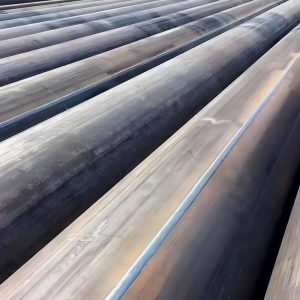
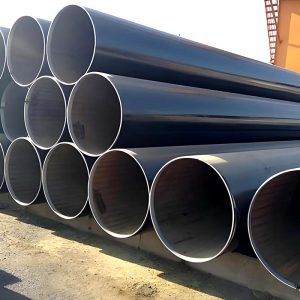
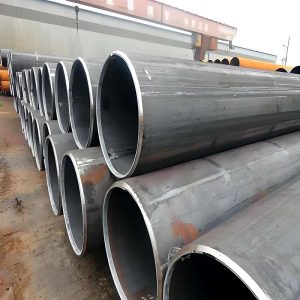
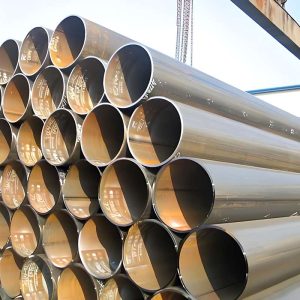
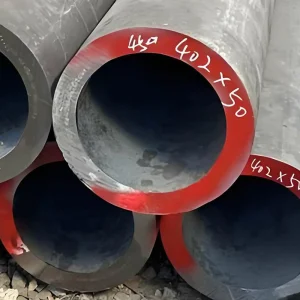
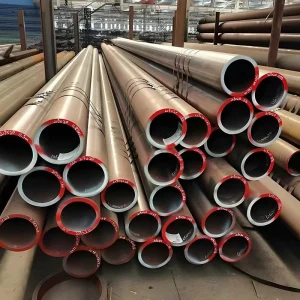
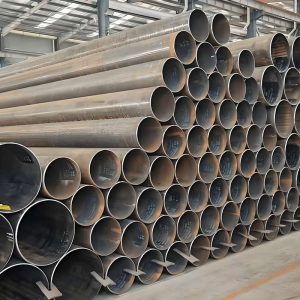
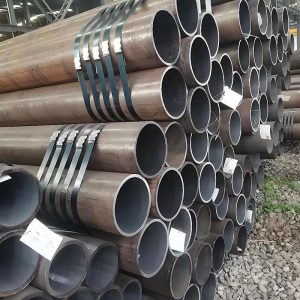
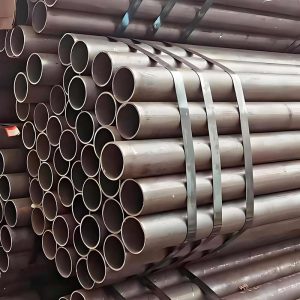
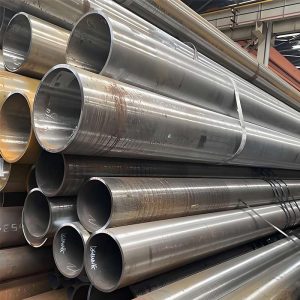
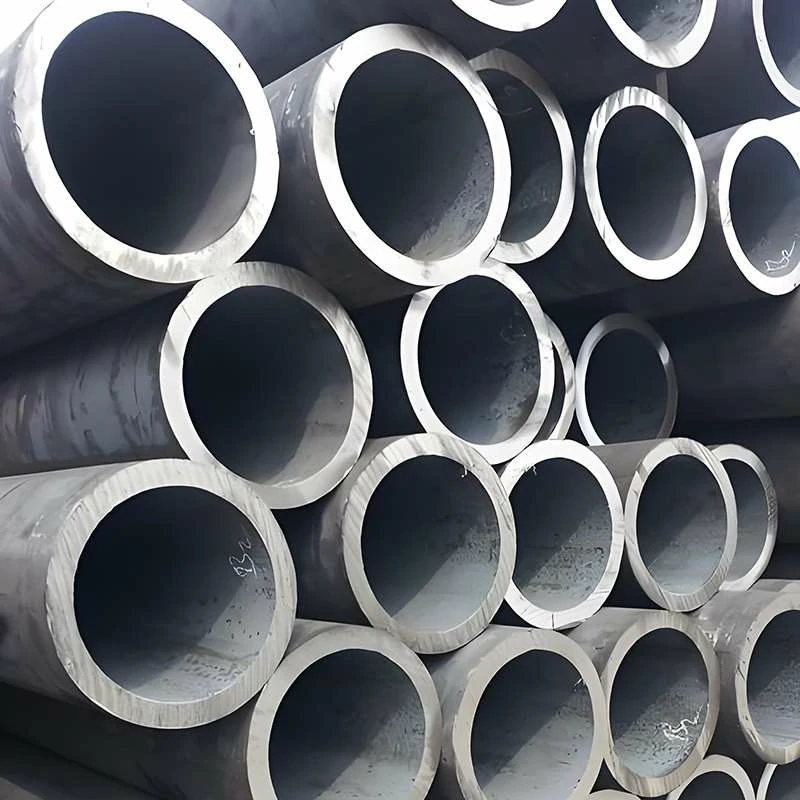
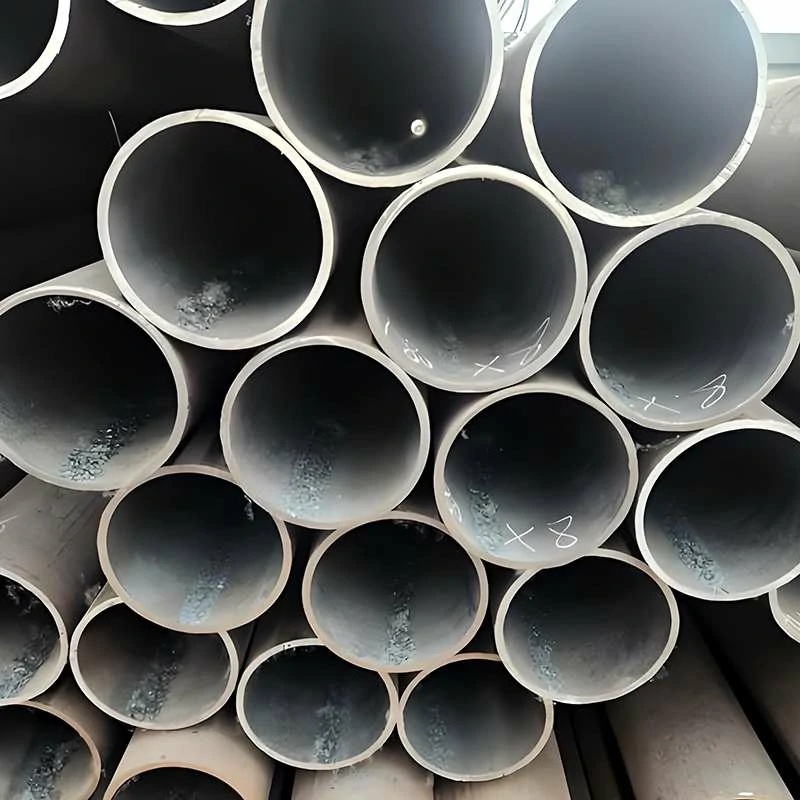
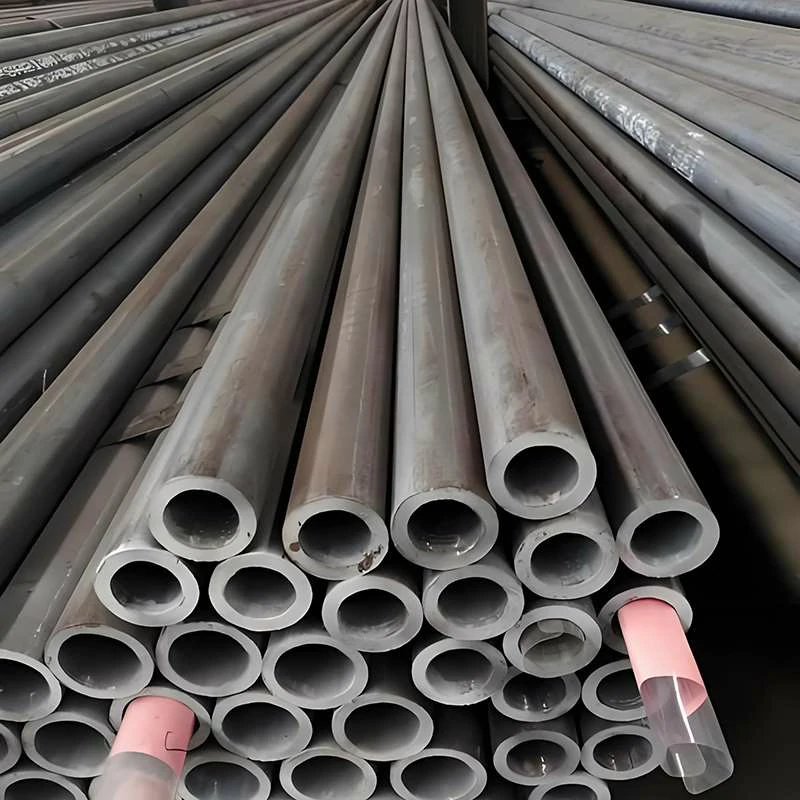
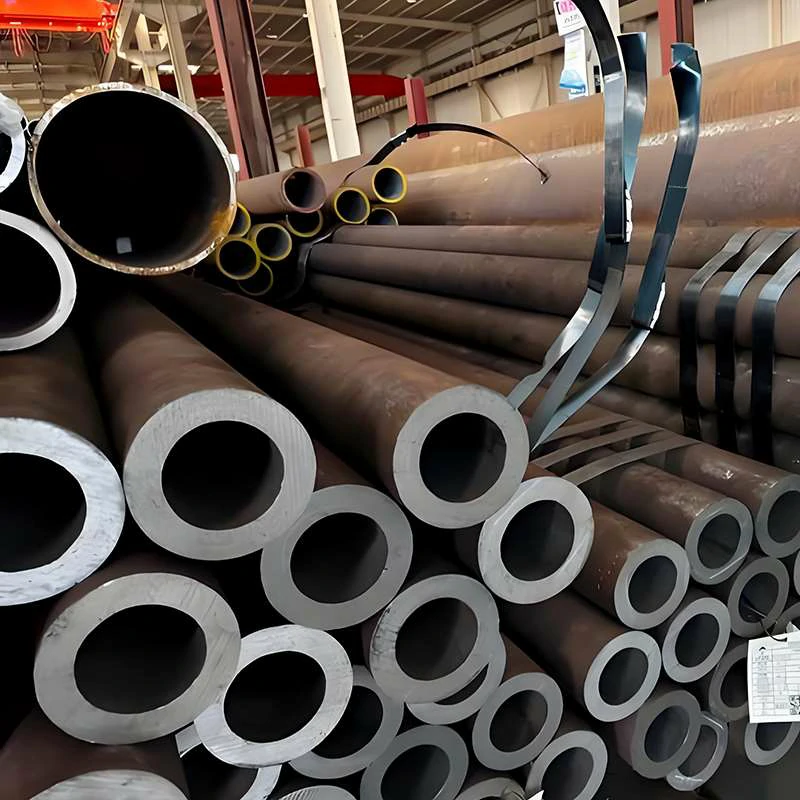
EN 10224 Boiler Steel Pipe

OD Range :

21.3 mm – 660 mm

WT Range :

2.6 mm – 60 mm

Length :

6 m、9 m、12 m

Tolerance :

Outer diameter tolerance: ±1% (minimum ±0.5 mm); wall thickness tolerance: ±12.5%; length tolerance: ±50 mm

Material :

L235、L275、L355

Standard :

EN 10224:2002

Surface :

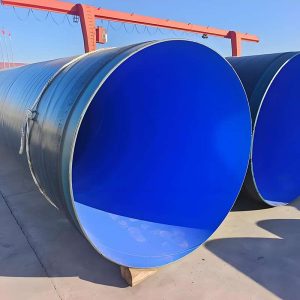
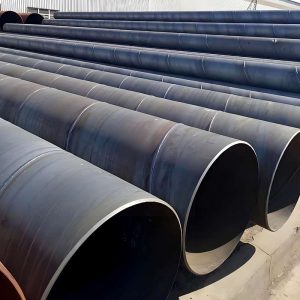
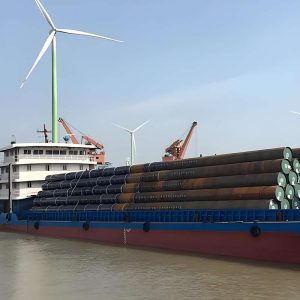
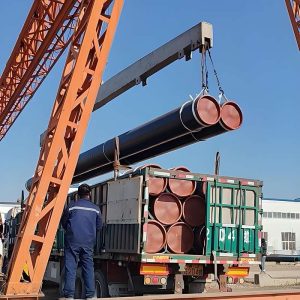
Black paint, rust-preventive oil, sandblasting, hot-dip galvanizing, 3PE anti-corrosion coating

Application :

Power plant boiler systems, industrial boilers, pressure piping systems, hot water and steam transmission pipelines, municipal water supply projects

I. Overview of EN 10224 Boiler Tubes

EN 10224 boiler tubes are high-performance steel tubes conforming to the European standard (EN 10224:2002), specifically designed for high-temperature and high-pressure boiler systems.

The main features of this steel pipe include:

  • High-temperature resistance: Suitable for high-temperature environments, enabling stable operation for extended periods in high-pressure boiler systems.
  • Good mechanical properties: Possesses high yield strength and tensile strength, ensuring the safety and long-term operational stability of the boiler system.
  • Excellent corrosion resistance: Surface treatments such as 3PE coating or hot-dip galvanizing can be applied to extend the pipe’s service life.
  • Wide applicability: Suitable for various applications including power plant boilers, industrial boilers, and hot water pipelines.

Applications of EN 10224 Boiler Steel Tubes:

  • Boiler systems in the power industry
  • Industrial boilers and heat exchange equipment
  • Steam and hot water transmission pipelines
  • High-temperature pipelines in the petroleum, chemical, and metallurgical industries

II. EN 10224 Common Material Chemical Compositions of Boiler Steel Tubes

ElementL235L275L355
Carbon (C)≤ 0.17%≤ 0.20%≤ 0.22%
Manganese (Mn)0.60% – 1.20%0.60% – 1.30%0.60% – 1.40%
Silicon (Si)≤ 0.40%≤ 0.40%≤ 0.40%
Phosphorus (P)≤ 0.035%≤ 0.035%≤ 0.035%
Sulfur (S)≤ 0.035%≤ 0.035%≤ 0.035%
Chromium (Cr)≤ 0.30%≤ 0.30%≤ 0.30%
Nickel (Ni)≤ 0.20%≤ 0.20%≤ 0.20%
Molybdenum (Mo)≤ 0.10%≤ 0.10%≤ 0.10%
Copper (Cu)≤ 0.20%≤ 0.20%≤ 0.20%
Titanium (Ti)≤ 0.10%≤ 0.10%≤ 0.10%
Aluminum (Al)≤ 0.05%≤ 0.05%≤ 0.05%

III. EN 10224 Mechanical Properties of Boiler Steel Tubes

PropertyL235L275L355
Yield Strength (Re)≥ 235 MPa≥ 275 MPa≥ 355 MPa
Tensile Strength (Rm)370 – 510 MPa410 – 550 MPa510 – 650 MPa
Elongation (A)≥ 22%≥ 22%≥ 20%
Impact Toughness (Charpy V-notch)≥ 27 J (0°C)≥ 27 J (0°C)≥ 27 J (0°C)

IV. EN 10224 Recommendations for the Selection of Boiler Steel Tubing

Operating ConditionSteel Grade SelectionRecommended Wall ThicknessSurface Treatment / Anti-CorrosionApplication ExamplesSelection Notes
Low-pressure steam boiler (≤1.6 MPa, ≤200°C)L235Standard wall thickness (2.6 – 10 mm)Black painting or anti-rust oilSmall industrial boilers, hot water boilersLow pressure and temperature; standard steel grades are sufficient and easy to fabricate
Medium-pressure steam boiler (1.6 – 4.0 MPa, 200 – 300°C)L2758 – 20 mmAnti-rust paint, sandblasting + coatingIndustrial boilers, medium-pressure power station boilersModerate pressure requires higher yield strength and pressure resistance
High-pressure steam boiler (>4.0 MPa, >300°C)L35512 – 60 mmHot-dip galvanizing or 3PE coatingHigh-pressure power plant boilers, industrial high-temperature steam pipelinesHigh temperature and pressure demand high strength and toughness; anti-corrosion ensures service life
Hot water boilers & circulating water systemsL235 / L2752.6 – 20 mmBlack painting or anti-corrosion coatingHot water boilers, domestic and industrial water supplyLower temperature and pressure; grade selection depends on pipe size and service life
Corrosive conditions (with chemicals, high humidity)L275 / L355≥8 mm3PE coating / FBE coatingChemical boilers, coastal boilersAnti-corrosion is essential; higher-grade steel improves pressure resistance and corrosion resistance
Special high-temperature & high-pressure steam boilers (ultra-high pressure)L355 / Advanced grades≥20 mmAdvanced anti-corrosion coatingsPower station boilers, special industrial boilersDesigned for extreme conditions; must consider toughness, high-temperature resistance, and corrosion protection

Core Selection Principles:

  1. Pressure and Temperature are Primary Factors:
    Higher pressure and temperature → Higher steel grade (L235 → L275 → L355)
  2. Match Pipe Diameter and Wall Thickness to Pressure Requirements:
    Large diameter or high-pressure conditions → Appropriately increase wall thickness to improve safety margin
  3. Medium and Environment Determine Corrosion Protection Treatment:
    High humidity, corrosive fluids → Choose coating or galvanizing treatment
  4. Construction and Service Life: Ensure the steel pipe length, diameter, and tolerances meet installation requirements, while guaranteeing service life.

Related Products

Outside Diameter (mm) Wall Thickness (mm)
21.3 2.6, 3, 3.25, 4, 4.5
26.9 2.6, 3, 3.25, 4, 4.5, 5
33.7 2.6, 3.25, 4, 4.5, 5, 6
42.4 3, 3.25, 4, 4.5, 5, 6, 7
48.3 3.25, 4, 4.5, 5, 6, 7
60.3 3.25, 4, 4.5, 5, 6, 7, 8
76.1 4, 4.5, 5, 6, 7, 8, 9
88.9 4.5, 5, 6, 7, 8, 9, 10
114.3 5, 6, 7, 8, 9, 10, 12
139.7 5, 6, 7, 8, 9, 10, 12, 14
168.3 6, 7, 8, 9, 10, 12, 14, 16
219.1 7, 8, 9, 10, 12, 14, 16, 18
273.0 8, 9, 10, 12, 14, 16, 18, 20
323.9 10, 12, 14, 16, 18, 20, 22
355.6 10, 12, 14, 16, 18, 20, 22, 25
406.4 12, 14, 16, 18, 20, 22, 25, 28
508.0 14, 16, 18, 20, 22, 25, 28, 30
610.0 16, 18, 20, 22, 25, 28, 30, 32
660.0 18, 20, 22, 25, 28, 30, 32, 35

EN 10224 boiler tubes conform to European standard EN 10224:2002 and are used in high-temperature, high-pressure boilers and pressure piping systems. The tubes are manufactured according to the standard requirements, covering the following:

Material grades: L235, L275, L355, meeting the requirements of different pressure and temperature conditions.

Chemical composition: Strictly controlled content of elements such as carbon, manganese, silicon, phosphorus, and sulfur to ensure the strength and toughness of the steel tubes.

Mechanical properties: Yield strength, tensile strength, elongation, and impact toughness all meet the requirements of EN 10224 standard.

Dimensional tolerances: Outer diameter, wall thickness, and length tolerances conform to the standard specifications to ensure installation and engineering accuracy.

Surface and inspection: The tube surface is smooth, free of cracks and defects; it passes dimensional inspection, mechanical testing, and chemical analysis.

This standard guarantees the long-term safe and reliable operation of EN 10224 boiler tubes in boiler and steam piping systems, meeting the needs of industrial and power boiler projects.

1. Raw material preparation → 2. Hot rolling/cold rolling → 3. Annealing/normalizing → 4. Straightening → 5. Cutting to length → 6. Heat treatment for strengthening → 7. Surface anti-corrosion treatment → 8. Inspection/quality control → 9. Finished product warehousing

Inspection Item Inspection Content Standard Technical Requirement / Acceptance Criteria
Chemical Composition Content of C, Mn, P, S, Si, etc. EN 10224 / EN 10027 Must comply with the specified steel grade chemical composition requirements
Tensile Test Yield strength, tensile strength, elongation EN 10002-1 Must meet the mechanical property requirements of the steel grade
Bending Test Cold bending or hot bending EN 10224 / EN ISO 8492 Bending angle must comply with standards, no cracks allowed
Flattening Test Flattening deformation test EN 10224 / EN ISO 8491 No cracks, lamination, or delamination allowed
Hardness Test Brinell or Vickers hardness EN ISO 6506 / EN ISO 6507 Must meet the specified hardness range of the steel grade
Ultrasonic Testing Internal defect inspection EN 10307 / EN 10160 No defects such as porosity, inclusions, or cracks that affect use
Liquid Penetrant / Magnetic Particle Testing Surface defect inspection EN 10228-1 / EN 10228-2 No surface defects such as cracks, folds, or porosity
Dimensional Inspection Outside diameter, wall thickness, length, tolerances EN 10224 Dimensions and tolerances must comply with standard requirements
Surface Quality Visual inspection EN 10224 Surface must be smooth, free from significant scratches or corrosion
Hydrostatic Test Pipe body strength test EN 10224 No leakage; must withstand 1.5 times the design working pressure

FAQ 1: How to select the appropriate steel pipe wall thickness based on the boiler’s operating pressure?

A:
The wall thickness of boiler pipes is mainly determined by the design pressure, pipe diameter, and safety factor. Generally, the higher the pressure, the thicker the pipe wall needs to be.
Engineering designs typically follow pressure vessel or boiler design specifications to ensure that the pipes will not deform or rupture under long-term high-pressure operation.

Recommended selection criteria:
Low-pressure boiler systems: Thinner-walled steel pipes can be selected.
Medium- and high-pressure boiler systems: Thicker-walled steel pipes are required.
Also, allowance should be made for corrosion tolerance to ensure long-term safety.

FAQ 2: What are the common size ranges for boiler steel tubes according to EN 10224?

Answer:
Common size ranges in engineering projects are generally as follows:
Outer Diameter (OD): 21.3 mm – 660 mm
Wall Thickness (WT): 2.5 mm – 60 mm
Length: 6 m, 9 m, 12 m or standard length

Small diameter steel tubes are typically used for boiler heating tubes or connecting pipes, while large diameter steel tubes are more commonly used for main steam pipelines or transmission pipelines. The actual size needs to be selected based on flow rate, pressure, and piping layout.

FAQ 3: What are the applicable operating conditions for EN 10224 boiler steel tubes?

A:

These steel tubes are mainly used in pressurized fluid transport systems. Typical applications include:
Boiler steam transport pipelines
Industrial hot water systems
Power plant boiler pipelines
Industrial heating systems
High-temperature and high-pressure fluid transport. If the operating condition is a high-temperature and high-pressure steam system, it is usually necessary to consider both the material’s temperature resistance and creep resistance, and ensure that the steel tubes undergo appropriate heat treatment.

FAQ 4: How to determine if boiler steel pipes meet standards?

A:
Qualified boiler steel pipes typically undergo multiple tests, including:
Chemical composition testing (ensuring material meets steel grade requirements)
Mechanical property testing (yield strength, tensile strength, elongation)
Non-destructive testing (ultrasonic or eddy current testing for internal defects)
Hydraulic pressure testing (testing pressure resistance)
Dimensional and visual inspection. When purchasing, suppliers should be required to provide material certificates and test reports.

FAQ 5: Should seamless or welded steel pipes be chosen for boiler projects?

A:
This depends on the pressure rating and safety requirements:
High-pressure boiler systems: Seamless steel pipes are generally preferred due to their uniform structure and stronger pressure resistance.
Medium and low-pressure piping systems: Welded steel pipes can meet the requirements while being less expensive.
For critical pressure piping or main steam piping, projects generally prefer seamless boiler steel pipes.

FAQ 6: What key parameters need to be confirmed when purchasing EN 10224 boiler steel pipes?

A:
To avoid purchasing errors, the following technical parameters usually need to be clarified:
Outer diameter (OD)
Wall thickness (WT)
Length or standard length requirements
Steel grade/material
Standard (EN 10224)
Heat treatment condition
Testing requirements (UT, Hydro Test, etc.)
Surface treatment or corrosion protection requirements
For large-scale projects, packaging methods, marking methods, and transportation requirements also need to be confirmed.