Products

Related News

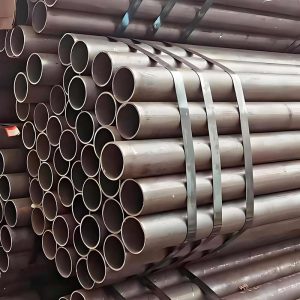
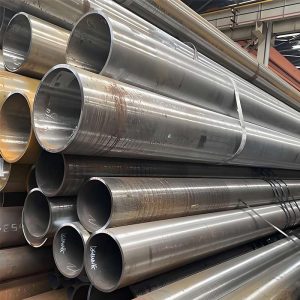
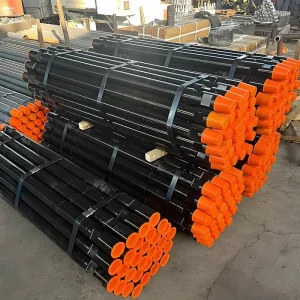
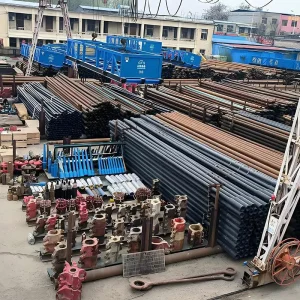
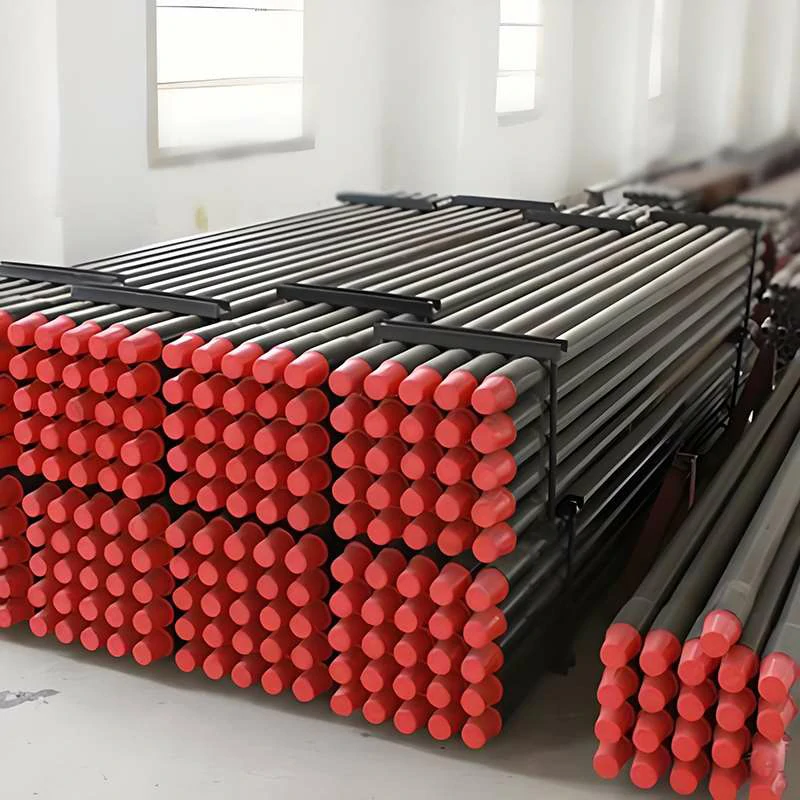
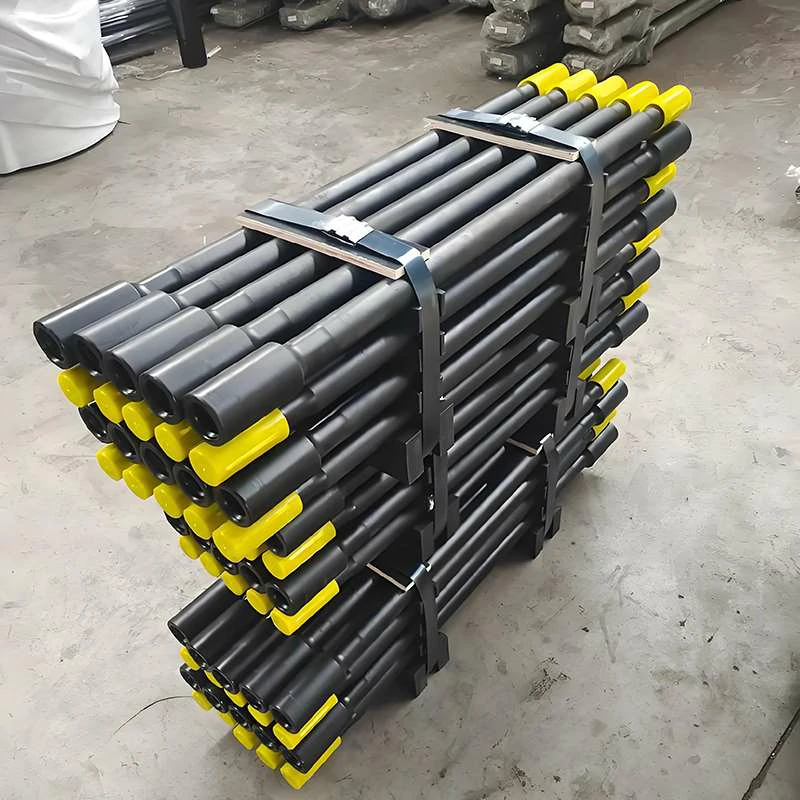
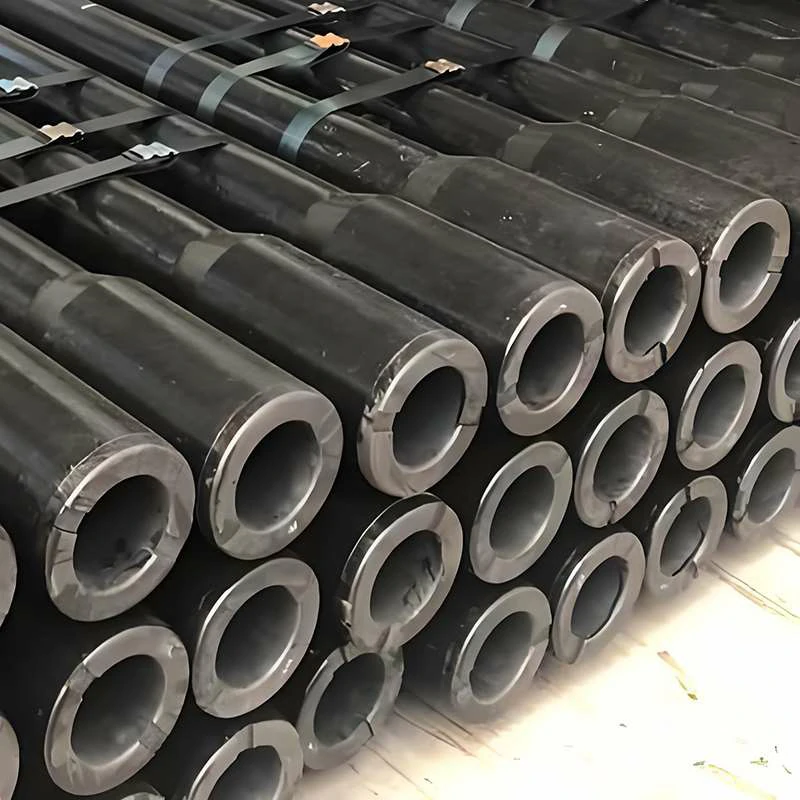
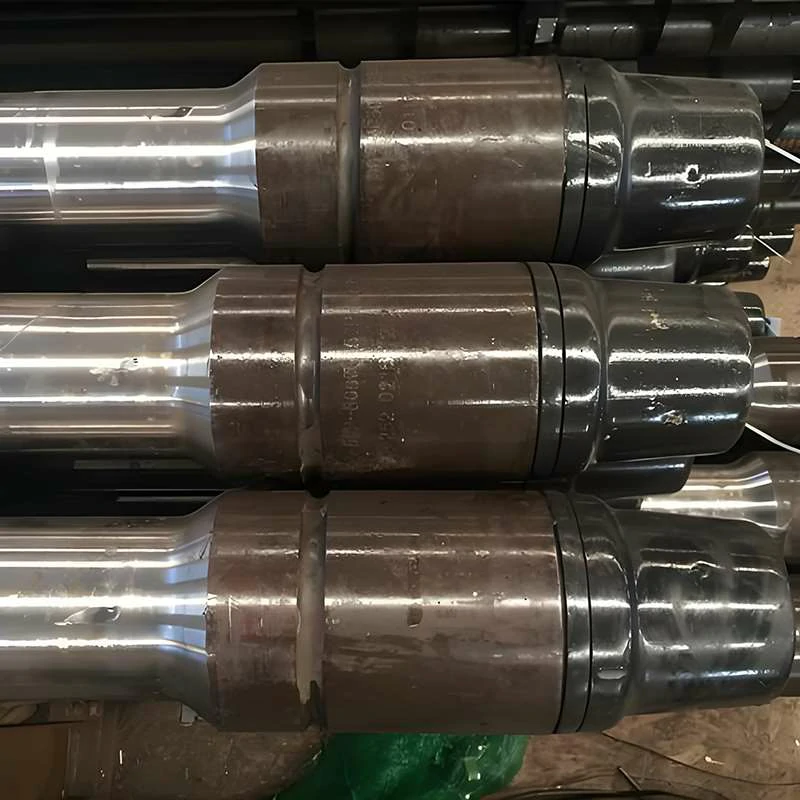
API 5DP Drill Pipe

OD Range :

2 3/8″ – 6 5/8″(60.3 mm – 168.3 mm)

WT Range :

0.28″ – 0.75″(7.1 mm – 19 mm)

Length :

R1 / R2 / R3:5 m – 13.7 m

Tolerance :

Outer diameter: ±1–2%, wall thickness: ±1–2%, length: ±50mm

Material :

Alloy steel, common grades include E75, X95, G105, and S135.

Standard :

API Spec 5DP / ISO 11960

Surface :

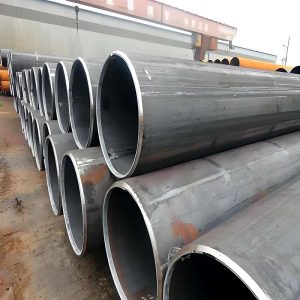
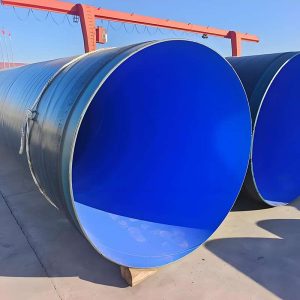
Rust-preventive oil, black paint, varnish, or as per customer requirements

Application :

Oil drilling, natural gas drilling, geothermal drilling and industrial drilling engineering

Introduction :

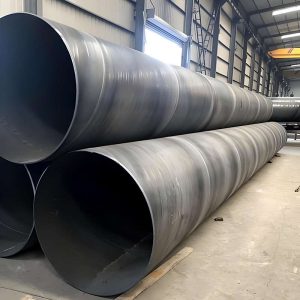
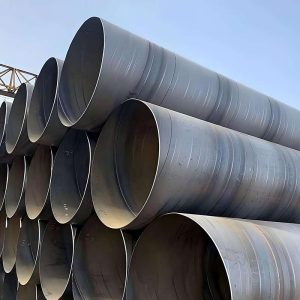
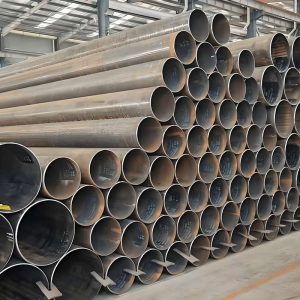
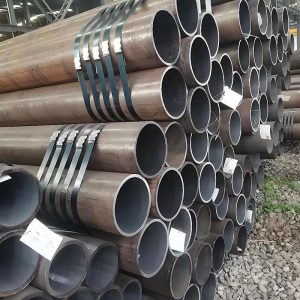
API 5DP Drill Pipe is a high-strength drill pipe that conforms to international standards and is used to connect the drilling rig and the drill bit.

I. API 5DP Drill Pipe Overview

API 5DP drill pipe is a high-strength alloy steel pipe conforming to the API Spec 5DP international standard, widely used in oil, gas, geothermal, and industrial drilling projects.

It is primarily used to connect the drilling rig to the drill bit, transmit torque during drilling, and circulate drilling fluid (MUD) to ensure efficient operation of downhole drilling tools.

Key Features

High-strength steel: Commonly used steel grades include E75, X95, G105, and S135, capable of withstanding high torque and high-pressure operating environments.

Precise dimensions and tolerances: Strict control over outer diameter, wall thickness, and length ensures stable drill pipe connections and safe drilling rig operation.

Multiple specifications available: Outer diameter 23/8″ – 65/8″ (approx. 60.3mm – 168.3mm), length 5m – 13.7m, customizable.

Durability and reliability: Through heat treatment, surface rust prevention treatment, and rigorous testing, long-term high-intensity operation is ensured.

Wide applications: Suitable for onshore drilling, offshore platform drilling, deep wells, high-pressure wells, and special industrial drilling projects.

Application Value

II. API 5DP Drill Pipe Steel Grade and Mechanical Properties

Steel GradeChemical Composition FeaturesYield Strength (min, MPa)Tensile Strength (min, MPa)Elongation (min, %)Applicable Scenarios
E75Low carbon alloy steel, with small amounts of Cr, Mo51765521Low torque, shallow well drilling
X95Medium carbon steel, contains Cr, Mo to improve strength and toughness65579318Moderate depth, standard pressure drilling
G105High strength alloy steel, strengthened by heat treatment72486215High torque, medium depth well drilling
S135High strength alloy steel, contains Cr, Mo, Ni, optimized by heat treatment82796512High torque, high pressure, deep well drilling

III. Application and Selection Guide

i. Application Scenarios

Oil drilling, natural gas drilling, geothermal drilling
Industrial drilling projects, such as mining and geological exploration

ii. Steel Grade Selection Guide

Steel GradeApplicable Well Depth / TorqueRecommended Working Conditions
E75Shallow well / Low torquePressure ≤ 15 MPa
X95Medium to deep well / Medium torquePressure ≤ 25 MPa
G105Medium to deep well / High torquePressure ≤ 35 MPa
S135Deep well / Ultra-high torquePressure ≤ 50 MPa

iii. Specifications and Selection

ParameterRecommended Selection
Outer Diameter2 3/8″ – 6 5/8″
Wall Thickness0.28″ – 0.75″
Length5 m – 13.7 m
Connection TypeAPI Drill Pipe Threads (e.g., NC38, NC50)

iv. Usage Recommendations

Purchase according to standardized specifications to avoid mixing steel grades.
Inspect threads and surface protection to ensure reliable connections.
Regularly inspect for wear and cracks.
Match specifications to mud flow rate and drilling rig torque.
Related Products

Outer Diameter (OD) Wall Thickness (WT) Standard Length Steel Grade Connection Type Applicable Well Depth / Torque
2 3/8″ (60.3 mm) 0.28″ – 0.40″ (7.1 – 10 mm) 5 m – 6 m E75 / X95 NC38 Shallow well / Low torque
2 7/8″ (73.0 mm) 0.31″ – 0.50″ (7.9 – 12.7 mm) 5 m – 6 m E75 / X95 NC38 Shallow well / Medium torque
3 1/2″ (88.9 mm) 0.40″ – 0.50″ (10 – 12.7 mm) 6 m – 9 m X95 / G105 NC50 Medium to deep well / Medium to high torque
4 1/2″ (114.3 mm) 0.50″ – 0.62″ (12.7 – 15.7 mm) 6 m – 9 m G105 / S135 NC50 Medium to deep well / High torque
5 1/2″ (139.7 mm) 0.62″ – 0.75″ (15.7 – 19 mm) 9 m – 13.7 m G105 / S135 NC50 / NC65 Deep well / High torque
6 5/8″ (168.3 mm) 0.75″ (19 mm) 9 m – 13.7 m S135 NC65 Deep well / Ultra-high torque
Standard Type Standard Name Description
International Standard API Spec 5DP American Petroleum Institute standard, specifying the requirements for drill pipe material, mechanical properties, dimensions, tolerances, and connection threads. It is the global standard for the oil and gas drilling industry.
International Standard ISO 11960 International standard for drill pipe, specifying material requirements, mechanical properties, dimensions, and testing methods. It is highly consistent with API 5DP and is suitable for export or international projects.
Material Standard ASTM / AISI Alloy steels for drill pipes are commonly produced according to ASTM A335, ASTM A182, etc., ensuring that the chemical composition and mechanical properties meet API 5DP requirements.
Thread Standard API Reg. Thread (NC38 / NC50 / NC65) Drill pipe connection thread standard, ensuring reliable connection and torque transmission between drill pipes.
Testing Standard ASTM A370 / API 5DP Testing standards for material mechanical properties, low-temperature impact, non-destructive testing (UT/RT), dimensional tolerances, etc., ensuring the safety and reliability of drill pipes.

Key Points of API 5DP Drill Pipe Standard

API Spec 5DP is the core standard, covering: steel grade, outer diameter, wall thickness, length, tolerances, thread type, and performance requirements.

ISO 11960 is primarily used for export and international projects, and its content is compatible with API 5DP.

Drill pipe production requires rigorous chemical composition, mechanical property, and non-destructive testing to ensure compliance with the standard before leaving the factory.

Thread standards ensure that the drill pipe can reliably transmit torque and withstand tensile and compressive forces downhole.

API 5DP Drill Pipe Manufacturing Process

Bill Preparation → Billet Forming → Heat Treatment → Dimensioning → Threading → Inspection → Surface Treatment → Packaging and Shipping

1. Billet Preparation
Select high-strength alloy steel billets (e.g., E75, X95, G105, S135).
Test chemical composition to ensure compliance with API 5DP standards.

2. Billet Forming
Seamless drill pipes: hot-rolled or cold-drawn.
Welded drill pipes: spiral-welded or longitudinally welded billets, ensuring weld quality.

3. Heat Treatment
Adjust internal structure to improve strength and toughness.
Select normalizing or quenching + tempering processes according to steel grade.

4. Dimensional Machining
Fine machining of outer diameter, wall thickness, and length.
Thread machining: Standard threads such as NC38, NC50, and NC65.

5. Inspection
Chemical composition analysis.
Mechanical property testing (yield strength, tensile strength, elongation).
Non-destructive testing (ultrasonic/radiological testing).
Appearance and dimensional inspection.

6. Surface Treatment
Rust-preventive oil coating
Black paint or varnish treatment
To ensure rust-free operation during transportation, storage, and construction

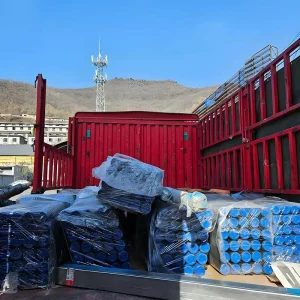
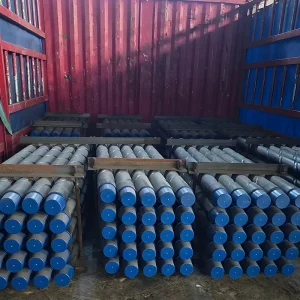
7. Packaging
Bundling or wooden crate packaging
Marking with steel grade, specifications, length, and serial number
Ready to be transported to customer or project site.

Test Item Test Content Standard Technical Requirements
Chemical Composition Analysis Detection of elements such as C, Mn, Cr, Mo, Ni API 5DP / Spectral Analysis Conform to grade standards to ensure mechanical properties
Visual Inspection Surface smooth, no cracks, scratches, rust stains Visual Inspection Ensure corrosion resistance and appearance quality
Dimensional Inspection Outer diameter, wall thickness, length, ovality, straightness API 5DP / ISO 11960 Outer diameter ±1-2%, wall thickness ±1-2%, length ±50 mm, ovality ≤1%
Mechanical Property Testing Yield strength, tensile strength, elongation API 5DP / ASTM A370 Meet minimum requirements for steel grade
Low-Temperature Impact Charpy V-notch impact test API 5DP Conform to low-temperature toughness requirements of steel grade
Non-Destructive Testing Ultrasonic (UT), Radiographic (RT) API 5DP No internal defects, ensuring safety
Pressure Test Hydrostatic or hydraulic test API 5DP Verify the pressure resistance of the drill pipe
Surface Protection Check Anti-rust oil, black paint, or varnish Company Standards Ensure safe transportation and storage

API 5DP Drill Pipe Selection FAQ

1. Q: What steel grades are available for API 5DP drill pipe? How to select them?

A: Commonly used steel grades include E75, X95, G105, and S135.
Selection criteria: Well depth, well diameter, working torque, and pressure.
Shallow wells, low pressure: E75
Medium-deep wells, standard pressure: X95
High-torque medium-deep wells: G105
Deep wells, high pressure, high torque: S135

2. Q: How to select drill pipe length and wall thickness?

A: Length: Selected according to drilling rig design and well depth, generally 5m – 13.7m, customizable.
Wall thickness: For high torque and deep wells, thick-walled drill pipe (0.28″ – 0.75″) is selected to ensure strength; thin-walled pipe is selected for shallow wells to reduce costs.
Outer diameter, wall thickness, and length must be matched with steel grade, well depth, and construction conditions.

3. Q: What drilling conditions are API 5DP drill pipe suitable for?

A: Suitable for oil drilling, natural gas drilling, geothermal drilling, and industrial drilling.
The selection of steel grade and specifications must consider well depth, well type, pressure, and torque to ensure the drill pipe’s safety and reliability downhole.
For high-torque, high-pressure deep wells, large-diameter, thick-walled drill pipe with a high steel grade (S135) is recommended.

4. Q: Can drill pipe be used at low or high temperatures?

A: Drill pipe steel undergoes heat treatment and low-temperature impact testing, making it suitable for use in certain low-temperature environments.
For high-temperature drilling (such as geothermal drilling), the steel grade and toughness data must be considered when selecting a grade to ensure it does not fracture brittlely downhole.
It is recommended to provide the operating temperature to the supplier for appropriate steel grade selection.

5. Q: How to choose the threaded connection type?

A: Commonly used API threads (NC38, NC50, NC65) ensure reliable drill pipe connection and torque transmission.
Thread selection depends on the drilling rig specifications, drill pipe outer diameter, and well depth.
It is recommended to use the same thread type for the entire drill pipe assembly to avoid mixing different interfaces.

6. Q: How to ensure the service life and safety of drill pipe downhole?

A: Select drill pipe steel grades and specifications that meet API 5DP / ISO 11960 standards.
Inspect the threads and surface protective coating before construction, and regularly check for wear and cracks.
Match the drill pipe specifications to the mud flow rate, drilling rig torque, and well depth.
Surface treatments (rust-preventive oil, black paint, varnish) ensure safe transportation, storage, and construction.