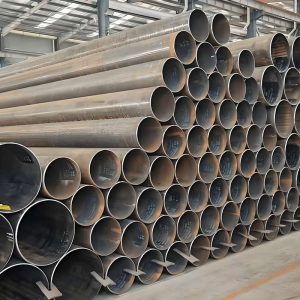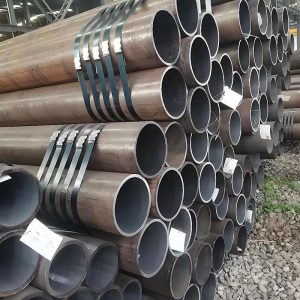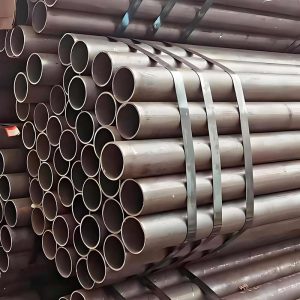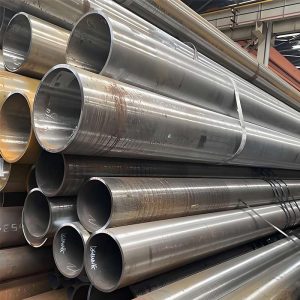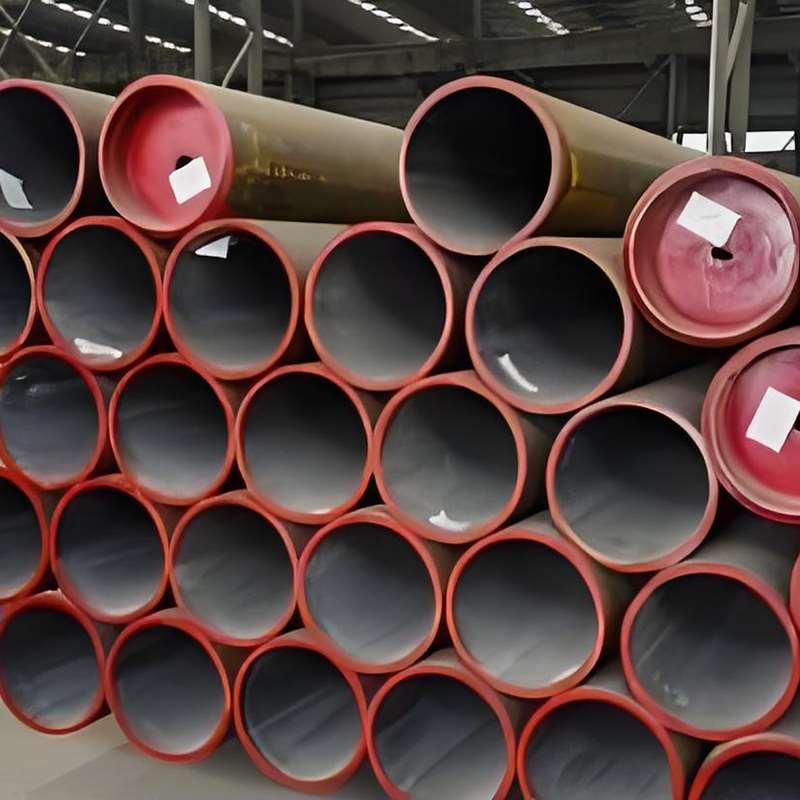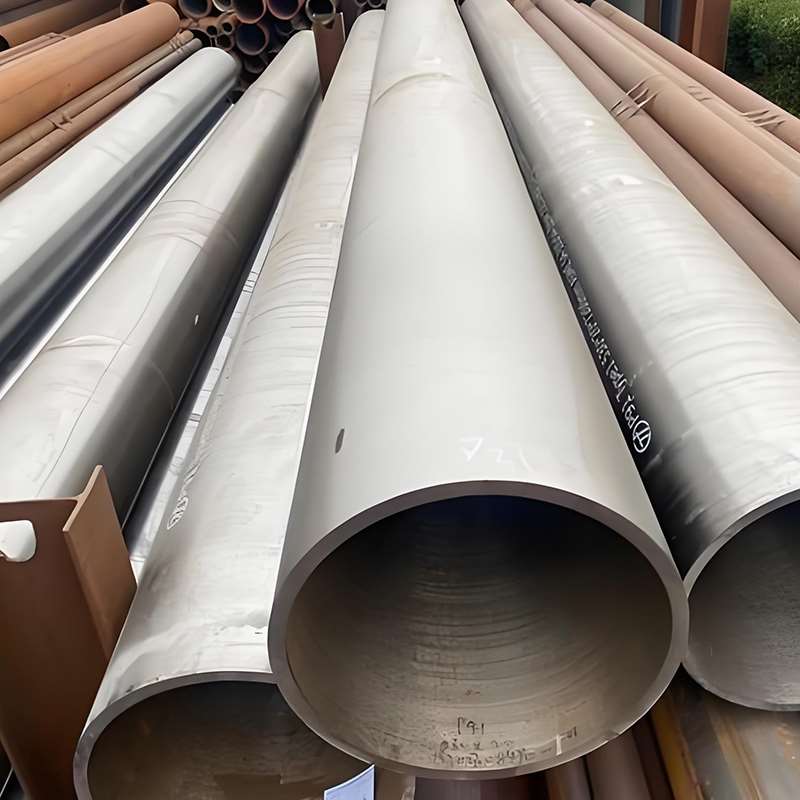
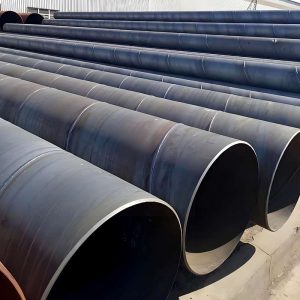
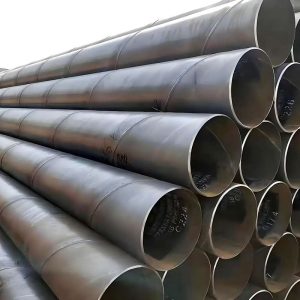
I. Overview of ASTM A335 Alloy Steel Pipe
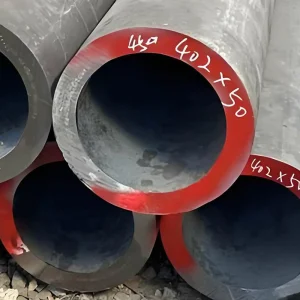
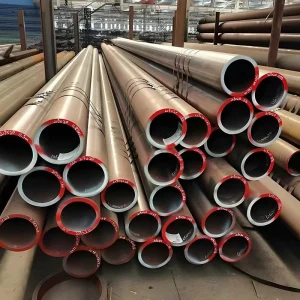
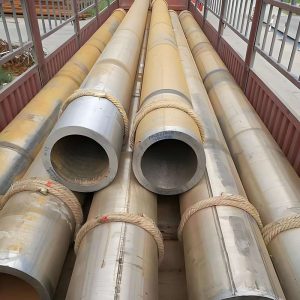
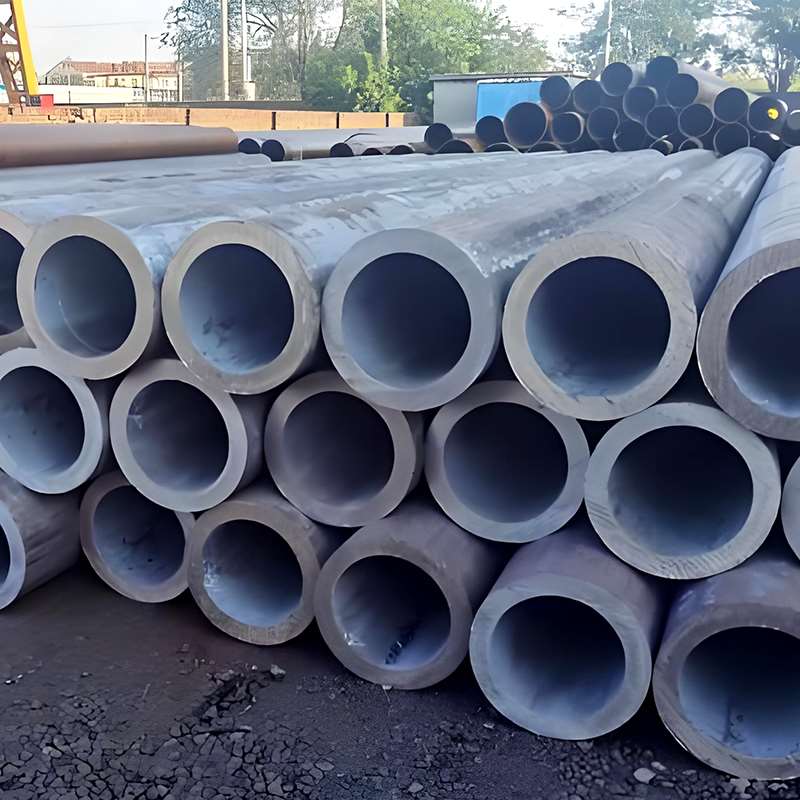
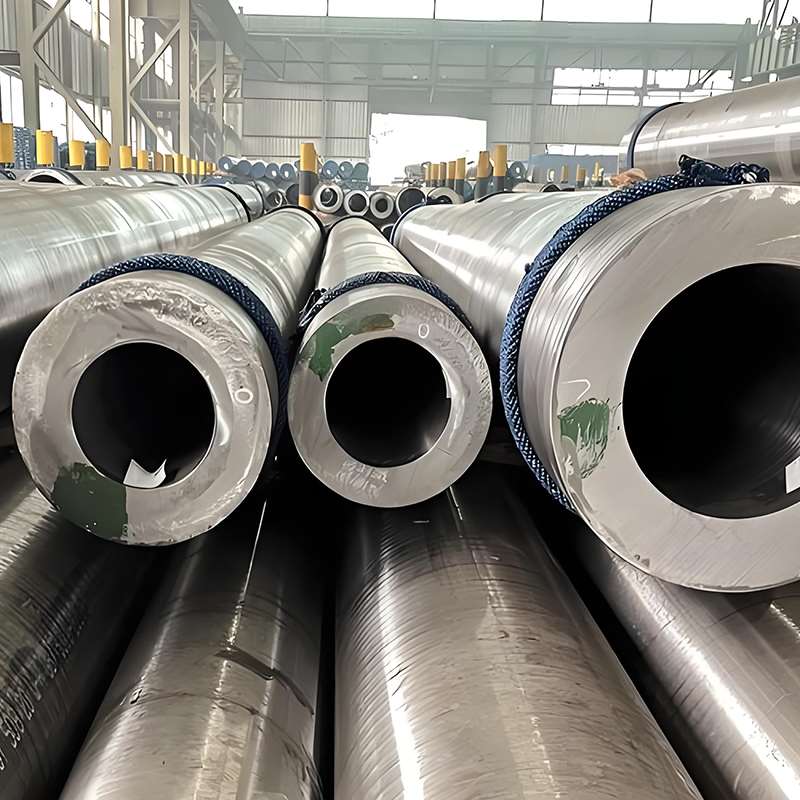
ASTM A335 Alloy Steel Pipe is a seamless alloy steel pipe designed for high-temperature, high-pressure applications, specifically for power generation, petrochemical, oil and gas, and industrial high-temperature pipelines.
This pipe conforms to ASTM A335 / ASME SA335 standards and undergoes rigorous chemical composition, mechanical property, and non-destructive testing to ensure safe and reliable use under long-term high-temperature and high-pressure conditions.
Key Features:
High Temperature and High Pressure Resistance: Suitable for long-term stable operation in boilers, steam pipelines, and industrial equipment.
Excellent Mechanical Properties: High yield strength and tensile strength, meeting the pressure requirements of various engineering projects.
Excellent Corrosion Resistance: Suitable for corrosive environments such as petrochemical and natural gas pipelines.
Multiple Steel Grades Available: P1, P5, P9, P11, P22, P91, selectable based on temperature and pressure.
Rigorous Testing: Chemical composition analysis, low-temperature impact testing (for some steel grades), ultrasonic or radiographic testing, pressure testing, etc.
Typical applications:
Boiler piping in thermal power plants.
High-temperature pipelines in petrochemical and chemical industries.
Oil and gas transmission pipelines.
High-temperature circulation pipelines in industrial equipment.
II. Table of Common Steel Grades, Chemical Compositions, and Mechanical Properties of ASTM A335 Alloy Steel Pipes
The commonly used steel grades for ASTM A335 alloy steel pipes in industry include: P1, P5, P9, P11, P22, and P91.
i. Chemical composition table
| Steel Grade | C (%) | Mn (%) | P (%) | S (%) | Si (%) | Cr (%) | Mo (%) | Ni (%) |
|---|---|---|---|---|---|---|---|---|
| P1 | 0.05–0.15 | 0.30–0.60 | ≤0.025 | ≤0.025 | 0.10–0.35 | — | — | — |
| P5 | 0.05–0.15 | 0.30–0.60 | ≤0.025 | ≤0.025 | 0.10–0.35 | 0.45–0.65 | 0.45–0.60 | — |
| P9 | 0.05–0.15 | 0.30–0.60 | ≤0.025 | ≤0.025 | 0.10–0.35 | 1.90–2.40 | 0.85–1.05 | — |
| P11 | 0.05–0.15 | 0.30–0.60 | ≤0.025 | ≤0.025 | 0.10–0.35 | 0.90–1.20 | 0.45–0.65 | — |
| P22 | 0.05–0.15 | 0.30–0.60 | ≤0.025 | ≤0.025 | 0.10–0.35 | 1.90–2.40 | 0.85–1.05 | — |
| P91 | 0.08–0.12 | 0.30–0.60 | ≤0.020 | ≤0.010 | 0.20–0.50 | 8.00–9.50 | 0.85–1.05 | 0.20–0.50 |
ii. Mechanical properties
| Steel Grade | Yield Strength σy (MPa) | Tensile Strength σb (MPa) | Elongation (%) | Typical Service Temperature Range |
|---|---|---|---|---|
| P1 | ≥205 | 330–480 | ≥20 | ≤ 400°C |
| P5 | ≥205 | 330–480 | ≥20 | ≤ 450°C |
| P9 | ≥205 | 415–550 | ≥20 | ≤ 540°C |
| P11 | ≥205 | 415–550 | ≥20 | ≤ 550°C |
| P22 | ≥205 | 415–550 | ≥20 | ≤ 580°C |
| P91 | ≥585 | 690–850 | ≥20 | ≤ 600°C |
III. ASTM A335 Alloy Steel Pipe Grade Selection Comparison Table
| Operating Temperature Range (°C) | Design Pressure Range (MPa) | Recommended Steel Grade | Chemical Composition Characteristics | Typical Application Scenarios |
|---|---|---|---|---|
| ≤400 | ≤20 | P1 | Low carbon, low alloy, medium-low pressure resistance | Low-temperature steam pipelines, general industrial pipelines |
| 350–450 | 10–25 | P5 | Medium-low alloy steel, medium temperature pressure resistance | Medium-temperature steam pipelines, boiler feedwater pipes |
| 400–540 | 15–30 | P9 | Medium alloy steel, Cr 1.9–2.4%, Mo 0.85–1.05% | Medium-temperature, high-pressure boiler pipes, chemical steam pipes |
| 450–550 | 15–35 | P11 | Cr 0.9–1.2%, Mo 0.45–0.65%, high temperature and high pressure resistance | High-temperature, high-pressure boilers, steam pipes |
| 480–580 | 20–40 | P22 | Cr 1.9–2.4%, Mo 0.85–1.05%, used for high-temperature industrial pipelines | High-temperature industrial boilers, petrochemical pipelines |
| 500–600 | 30–60 | P91 | Cr 8–9.5%, Mo 0.85–1.05%, Ni, V alloy steel, high strength | Thermal power plant boiler pipes, ultra-high-temperature and high-pressure pipelines, petrochemical heavy industry |
Instructions and Usage Recommendations
Steel Grade Selection Principle: Select the appropriate steel grade based on the highest temperature and working pressure of the project.
P1/P5 → Medium and low temperature, medium and low pressure projects; low cost, large supply.
P9/P11/P22 → Medium and high temperature, high pressure industrial pipelines; balances toughness and pressure resistance.
P91 → High temperature, high pressure, ultra-long service life pipelines; suitable for boilers in thermal power plants and heavy chemical industries.
Specific pipe models can be further confirmed by considering pipe diameter, wall thickness, and welding method.