Products

Related News

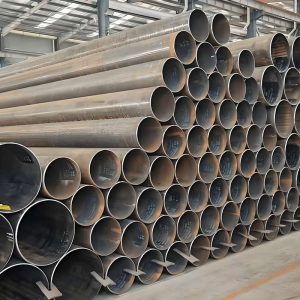
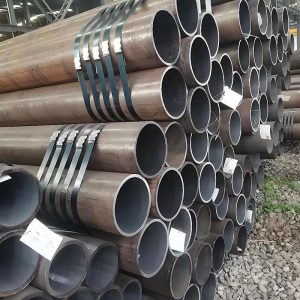
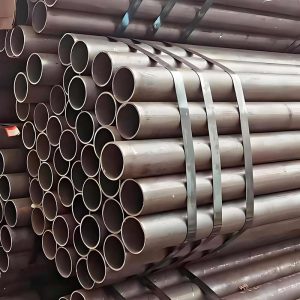
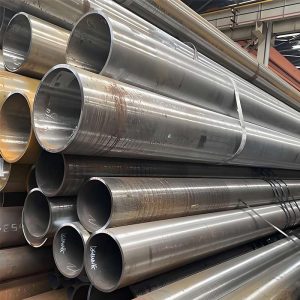
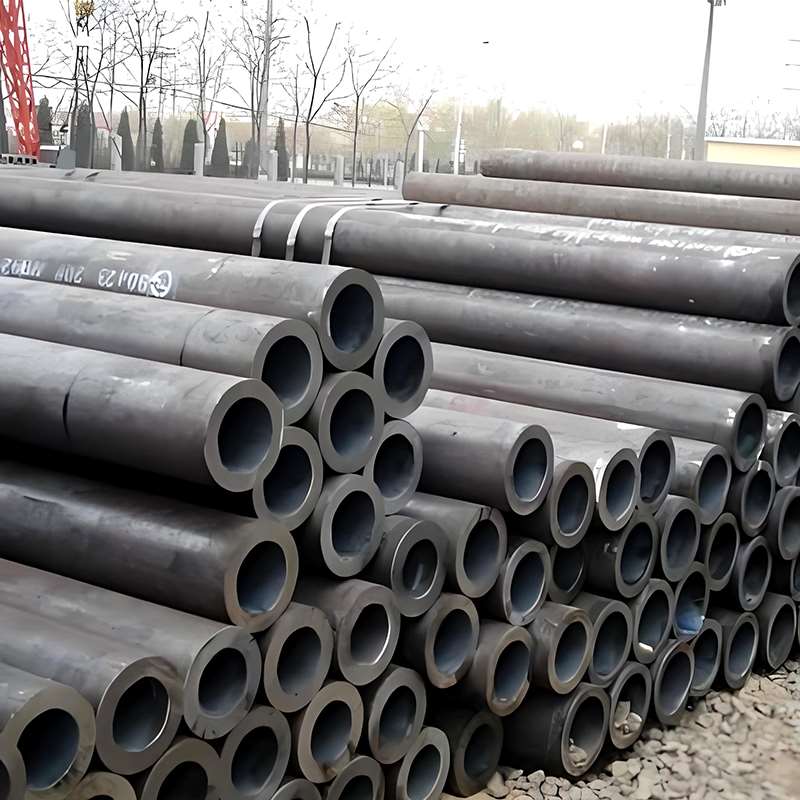
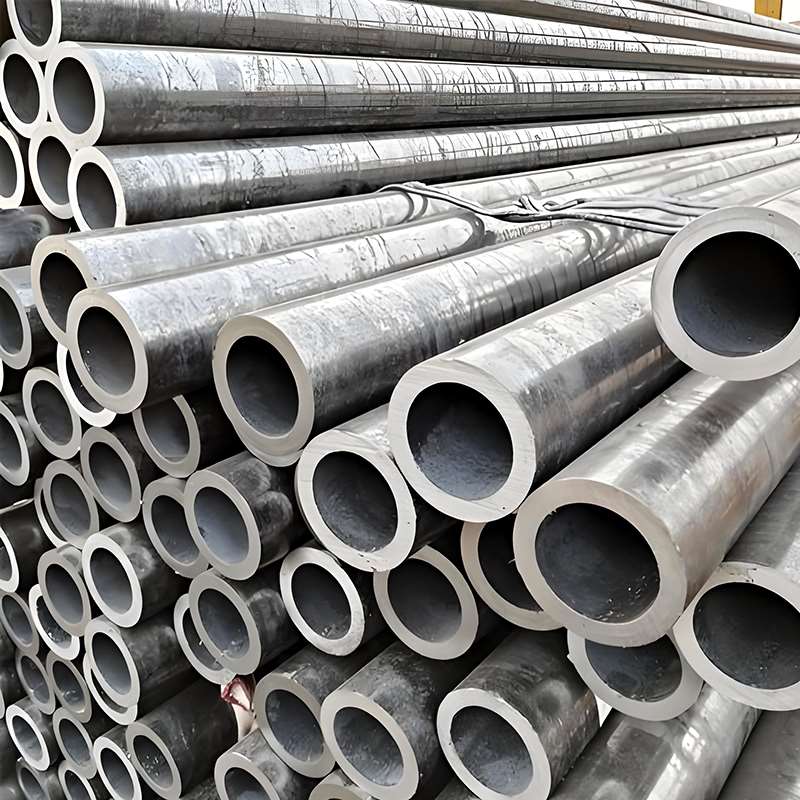
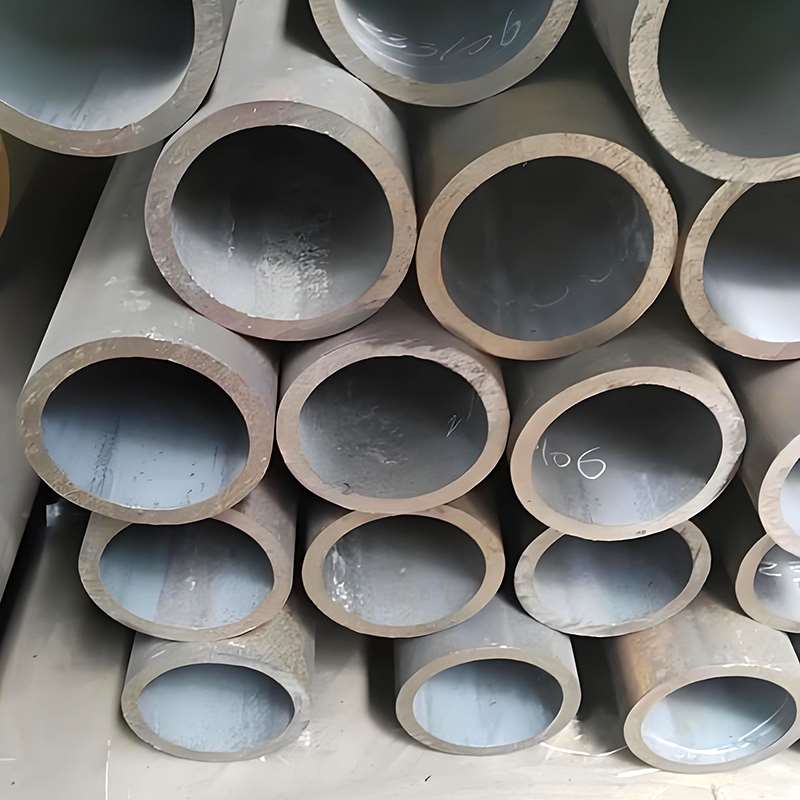
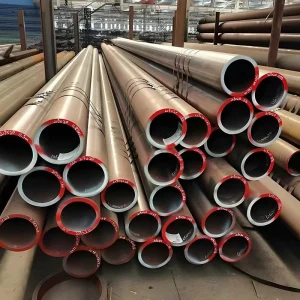
Seamless Carbon Steel Boiler Pipes

OD Range :

10.3 – 508 mm (21.3、26.9、33.7、48.3、60.3、76.1、89、114.3、168.3、219.1、273、323.9、355.6、406.4 mm)

WT Range :

1.5 – 60 mm

Length :

5.8 m、6 m、11.8 m、12 m

Tolerance :

Outer diameter: ±0.5% or ±0.5 mm; Wall thickness: ±10%; Length: +10 / −0 mm

Material :

ASTM A106 Gr.B / Gr.C、ASTM A179、20#、Q345、EN P235GH / P265GH

Standard :

ASTM A106 / A106M、ASTM A179、ASME SA106、ASME SA179、GB/T 5310、GB/T 3087、EN 10216-2

Surface :

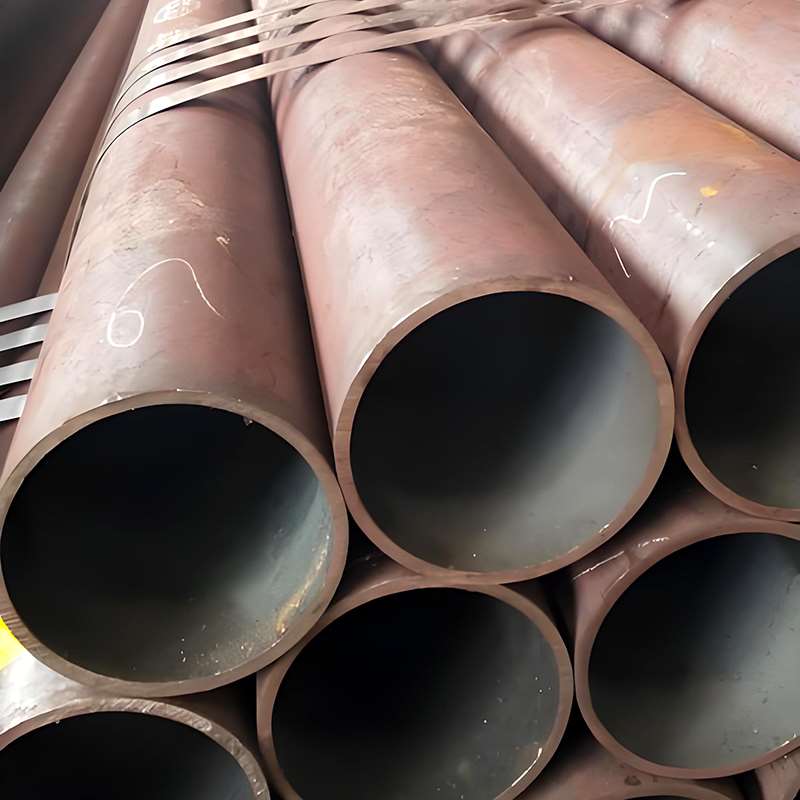
Black, pickled, shot blasted, with anti-rust oil coating.

Application :

Power plant boilers, industrial boilers, steam pipelines, heat exchangers, pressure vessels, petrochemical equipment

I. Overview of Seamless Carbon Steel Boiler Tubes

Seamless carbon steel boiler tubes are critical piping materials specifically designed for boilers and related pressure equipment. Manufactured using a seamless piercing process, these tubes have a weld-free structure, offering excellent pressure resistance and reliable safety.
This product is primarily used for transporting high-temperature, high-pressure steam or hot water and is widely used in power plant boilers, industrial boilers, and heat exchange systems.

Features of Seamless Carbon Steel Boiler Tubes:

  • Manufactured using a seamless process.
  • The tube body is integrally formed with no welded seams.
  • Provides uniform stress distribution and stable pressure resistance.
  • Excellent high-temperature resistance.
  • Suitable for long-term steam and hot water applications.
  • Stable structure in medium and high-temperature environments.
  • Wide range of specifications.
  • Available in various outer diameter and wall thickness combinations.
  • Adaptable to different boiler structural designs.
  • Good processing and welding performance.
  • Easy to cut, bend, and weld on-site.
  • High installation and maintenance efficiency.
  • Complies with multiple international standards.
  • Meets the requirements of different countries and industry specifications.
  • Strong engineering versatility.

II. Quick Overview of Seamless Carbon Steel Boiler Tube Classifications

Classification MethodCategory NameDescription (SEO + User Understanding)
By Pressure RatingLow Pressure Seamless Carbon Steel Boiler PipeSuitable for low-pressure steam and hot water boilers, commonly used in industrial and residential boiler systems
Medium Pressure Seamless Carbon Steel Boiler PipeFor medium-pressure and temperature applications, balancing strength and heat resistance
High Pressure Seamless Carbon Steel Boiler PipeSuitable for high-temperature, high-pressure steam systems, with strict requirements for pressure resistance and safety
By Manufacturing ProcessHot-Rolled Seamless Boiler PipeSuitable for medium to large diameters and thick-walled pipes; high output and cost-effective
Cold-Drawn Seamless Boiler PipeHigh dimensional accuracy, good surface quality, mostly used for small-diameter, thin-walled pipes
By StandardASTM / ASME Standard Boiler PipeCommonly ASTM A106, A179; suitable for export and international projects
GB Standard Boiler PipeCommonly GB/T 3087, GB/T 5310; widely used in domestic boilers
EN Standard Boiler PipeEN 10216-2 (P235GH / P265GH); for European standard engineering projects
By Material Grade20# / ASTM A179Good plasticity and weldability, suitable for low to medium pressure boilers
ASTM A106 Gr.B / Gr.CHigher strength, suitable for medium to high-pressure steam pipelines
By ApplicationBoiler Heat-Exposed PipesUsed for water walls, superheaters, economizers, and other critical boiler components
Steam Transmission PipesUsed in main and auxiliary steam systems
Heat Exchanger Boiler PipesUsed in heat exchange and energy recovery systems

III. Selection Guide for Seamless Carbon Steel Boiler Tubes

i. Power Plant Boiler Industry

Typical Operating Conditions

  • High temperature, high pressure, and long continuous operating time.
  • Extremely high requirements for safety and stability.

Selection Recommendations

  • Prioritize high-quality seamless carbon steel boiler tubes.
  • Common steel grades: ASTM A106 Gr.B / Gr.C, EN P265GH.
  • Applicable standards: ASTM A106, ASME SA106, EN 10216-2.
  • Applicable parts: Main steam pipelines, superheaters, economizers.

ii. Industrial Boilers (Chemical, Pulp and Paper, Food)

Typical Operating Conditions

  • Medium pressure and temperature.
  • Stable operating conditions, but long operating cycles.

Selection Recommendations

  • Choose seamless carbon steel boiler tubes with stable performance and high cost-effectiveness.
  • Common steel grades: 20#, ASTM A179, ASTM A106 Gr.B.
  • Applicable standards: GB/T 3087, ASTM A179.
  • Applicable parts: Steam pipes, heat exchanger tubes.

iii. Central Heating and Hot Water Boiler Systems

Typical Operating Conditions

  • Low pressure, medium to low temperature.
  • Emphasis on economy and ease of maintenance.

Selection Recommendations

  • Prioritize low-pressure seamless carbon steel boiler tubes.
  • Common steel grades: 20#, ASTM A179.
  • Applicable standard: GB/T 3087.
  • Applicable parts: Hot water circulation pipes, auxiliary steam pipelines.

iv. Petrochemical and related boiler systems

Typical Operating Conditions

  • Medium to high pressure, some media at high temperatures.
  • High demands on dimensional accuracy and welding performance.

Selection Recommendations

  • Select seamless carbon steel boiler tubes with high dimensional accuracy.
  • Common steel grades: ASTM A106 Gr.B, EN P265GH.
  • Applicable standards: ASTM A106, EN 10216-2.
  • Cold-drawn seamless process is recommended for ease of on-site welding.

v. Heat Exchangers and Waste Heat Recovery Systems

Typical Operating Conditions

  • Low pressure, but long-term high-temperature operation.
  • High requirements for uniformity and stability of pipe materials.

Selection Recommendations

  • Select seamless carbon steel boiler tubes with uniform wall thickness and good surface quality.
  • Common steel grades: ASTM A179, 20#.
  • Applicable standards: ASTM A179, GB/T 3087.

vi. Quick Selection Guide

  • Low-pressure / Hot water systems → 20# / ASTM A179 / GB/T 3087
  • Medium-pressure steam systems → ASTM A106 Gr.B / EN P265GH
  • High-pressure steam systems → ASTM A106 Gr.C / EN P265GH
  • Export or international projects → Prioritize ASTM / EN standards
  • High dimensional accuracy requirements → Cold-drawn seamless boiler tubes

vii. Selection Reminders

  • Do not only consider the outer diameter and wall thickness.
  • Always confirm the design pressure and long-term operating temperature.
  • When the standard is unclear, prioritize internationally recognized standards.
  • For high-pressure or critical parts, avoid using welded pipes as a substitute for seamless pipes.
Related Products

Seamless Carbon Steel Boiler Tube Specifications and Dimensions Table

Outer Diameter OD (mm) Common Wall Thickness WT (mm) Theoretical Weight Reference (kg/m) Suitable Pressure / Recommended Application
21.3 2.0, 2.5, 3.0 1.14 – 1.71 Low-pressure hot water, low-pressure steam systems
26.9 2.0, 2.5, 3.0, 3.5 1.43 – 2.48 Low-pressure industrial hot water, small to medium steam
33.7 2.5, 3.0, 3.5, 4.0 2.57 – 4.14 Medium-pressure boilers, heat exchanger pipelines
42.2 3.0, 3.5, 4.0, 4.5, 5.0 3.39 – 5.62 Medium-pressure steam pipes, industrial boilers
48.3 3.5, 4.0, 4.5, 5.0, 6.0 4.66 – 7.93 Medium to high-pressure steam pipelines
57.0 4.0, 5.0, 6.0, 7.0 6.03 – 10.5 Medium-pressure industrial steam, heat exchangers
60.3 4.0, 5.0, 6.0, 7.0, 8.0 6.65 – 12.2 Medium to high-pressure steam systems
76.1 5.0, 6.0, 7.0, 8.0, 9.0 10.5 – 18.0 High-pressure main steam pipes, industrial boilers
89.0 6.0, 7.0, 8.0, 9.0, 10.0 15.1 – 25.0 High-pressure steam pipes, heat exchange systems
101.6 7.0, 8.0, 9.0, 10.0, 12.0 21.0 – 32.0 High-pressure industrial boiler piping
114.3 8.0, 9.0, 10.0, 12.0, 14.0 25.4 – 41.5 Power plant boilers, main steam pipes
139.7 9.0, 10.0, 12.0, 14.0, 16.0 36.0 – 57.0 High-temperature, high-pressure main steam pipes
168.3 10.0, 12.0, 14.0, 16.0, 18.0 45.6 – 81.0 Power plant boilers, main steam pipes
193.7 12.0, 14.0, 16.0, 18.0, 20.0 64.0 – 108.0 High-pressure steam systems
219.1 12.0, 14.0, 16.0, 18.0, 20.0, 22.0 70.0 – 124.0 High-temperature, high-pressure steam pipelines
273.0 14.0, 16.0, 18.0, 20.0, 22.0, 25.0 110.0 – 165.0 Power plant main boilers
323.9 16.0, 18.0, 20.0, 22.0, 25.0, 28.0 150.0 – 220.0 Main steam pipes, large-diameter steam
355.6 16.0, 18.0, 20.0, 22.0, 25.0, 28.0, 30.0 180.0 – 260.0 High-pressure steam systems, industrial boilers
406.4 18.0, 20.0, 22.0, 25.0, 28.0, 30.0, 35.0 220.0 – 320.0 Power plant boilers, main steam pipes
457.0 20.0, 22.0, 25.0, 28.0, 30.0, 35.0 280.0 – 410.0 High-pressure main steam pipes
508.0 22.0, 25.0, 28.0, 30.0, 35.0, 40.0, 45.0 340.0 – 510.0 Power plant boilers, high-temperature high-pressure pipes


Seamless carbon steel boiler tubes standards

Standard System Standard Number Applicable Scope / Description
American Standards ASTM / ASME ASTM A106 / A106M Seamless carbon steel boiler pipes for high-temperature service, suitable for steam and hot water pipelines; covers Gr.B / Gr.C / Gr.Cr
ASTM A179 Cold-drawn or hot-rolled seamless pipes for low- and medium-temperature boilers, commonly used for small-diameter hot water or steam pipelines
ASME SA106 / SA106M High-temperature, high-pressure boiler and pressure vessel piping, compliant with U.S. boiler code
ASME SA179 Seamless steel pipes for low-pressure boilers, cold-drawn or hot-rolled; commonly used in export projects
European Standards EN EN 10216-2 Seamless carbon steel pipes for high-temperature service, grades P235GH, P265GH; suitable for boilers, pressure vessels, and steam pipelines
Chinese Standards GB GB/T 5310 Seamless steel pipes for low-pressure boilers; widely used in exports to Asia and developing countries; chemical composition and mechanical properties clearly specified
GB/T 3087 General specifications for seamless steel pipe dimensions, shapes, weights, and tolerances; suitable for various export projects
Other Common Standards API 5L (some projects) Commonly used in oil and gas pipeline projects; seamless carbon steel pipes can also serve as auxiliary boiler pipelines


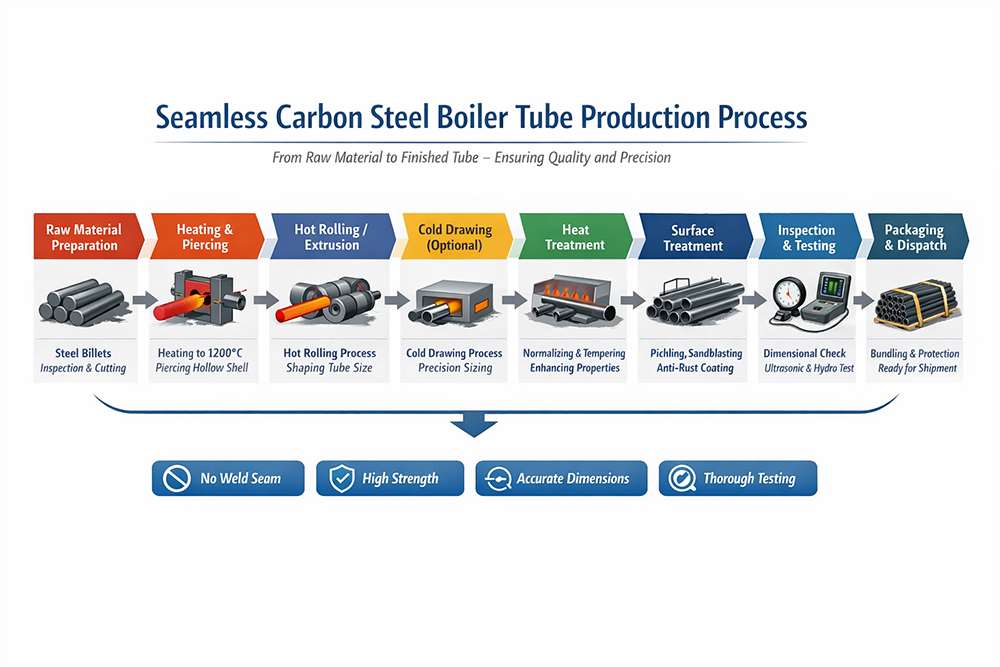
Seamless carbon steel boiler tube production process

Raw Material Selection → Heating → Piercing → Elongation / Mandrel Mill Rolling → Sizing / Finishing → Cooling → Heat Treatment (optional) → Straightening → Cutting to Length → Inspection & Testing → Surface Treatment → Packaging & Shipping

Seamless carbon steel boiler tube production process

Testing Standards for Seamless Carbon Steel Boiler Tubes

Inspection Item Purpose / Content Test Method Reference Standard
Chemical Composition Ensure the steel’s carbon content, alloy elements, and impurities meet boiler pipe requirements Spectral analysis, chemical analysis GB/T 5310, ASTM A106
Outer Diameter / Wall Thickness Check whether pipe dimensions meet design requirements Vernier caliper, ultrasonic thickness gauge GB/T 3087, ASTM A106
Length Confirm the cut length of the pipe meets specifications Tape measure, laser measurement GB/T 5310
Bend Performance Verify the pipe can withstand bending during construction Bending test machine GB/T 5310
Tensile Strength / Yield Strength Ensure mechanical properties meet design pressure Tensile test GB/T 5310, ASTM A106
Elongation / Post-Fracture Elongation Measure material plasticity and toughness Tensile test GB/T 5310, ASTM A106
Impact Toughness Confirm the pipe will not fracture under low temperature or impact Charpy impact test GB/T 229, ASTM A370
Hardness Measure material strength and wear resistance Brinell or Rockwell hardness tester GB/T 230.1, ASTM E10
Nondestructive Testing (NDT) Detect internal defects (cracks, porosity, slag inclusions) Ultrasonic testing (UT), radiographic testing (RT), magnetic particle testing (MT) GB/T 11345, ASTM A578
Hydrostatic Test Simulate boiler working pressure to ensure no leakage Hydraulic test machine GB/T 50259, ASTM A106
Visual Inspection Check surface defects (rust, scratches, dents) Visual inspection GB/T 5310


Q1. What materials are available for seamless carbon steel boiler tubes?

A:
Common materials include 20#, Q235, P11, P22, etc., suitable for different pressure ratings and temperature conditions. Material selection should be based on the boiler design pressure, operating temperature, and the conveyed medium to ensure safety and service life.

Q2. Can the pipe specifications be customized?

A:
Yes, the outer diameter, wall thickness, and length of the pipes can be customized according to customer requirements. Standard outer diameters range from 21.3–508 mm, wall thicknesses from 2.5–50 mm, and lengths from 6–12 meters. Non-standard sizes can be produced upon prior arrangement.

Q3. How is the quality of the pipe material guaranteed?

A:
Each pipe undergoes rigorous quality testing before leaving the factory, including chemical composition analysis, mechanical performance testing, non-destructive testing, and hydrostatic testing, to ensure that the pipes are free from cracks, pores, or inclusions. A complete test report is provided.

Q4. What working temperatures and pressures are the pipes suitable for?

A:
The pipes are suitable for low, medium, and high-pressure boiler systems. Common steel grades perform reliably at working temperatures below 450°C. For high-pressure boilers, high-strength alloy steel grades such as P11 and P22 are recommended to meet design requirements.

Q5. What are the transportation and packaging methods?

A:
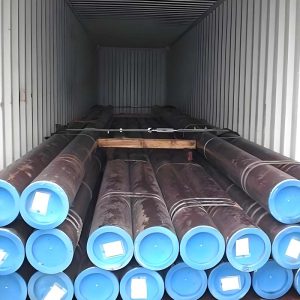
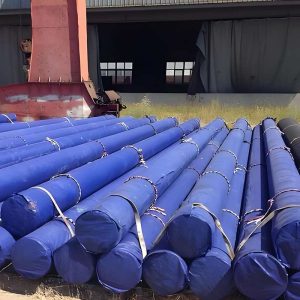
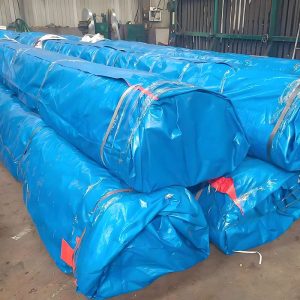
The pipes are generally bundled, film-wrapped, or packaged in wooden crates to prevent damage during transportation. Special packaging can be provided according to customer requirements to ensure safe long-distance transportation.

Q6. What is the minimum order quantity?

A:
The minimum order quantity usually depends on the pipe specifications and production requirements. Small quantities of standard specifications can be customized, but for cost reduction and production efficiency, large-volume purchases are more economical. Please contact the supplier for specific details.