Products

Related News

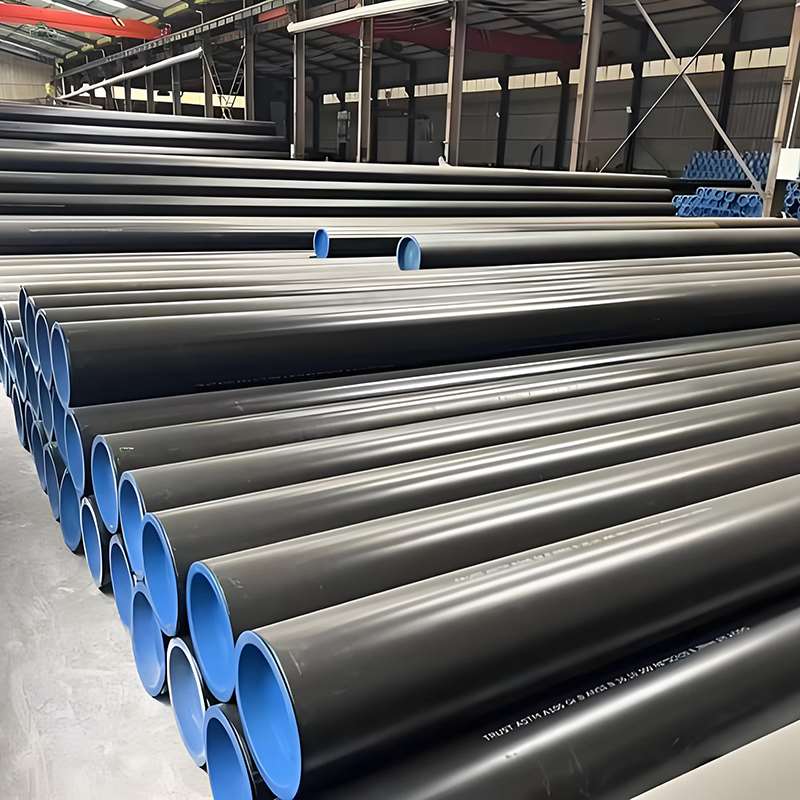
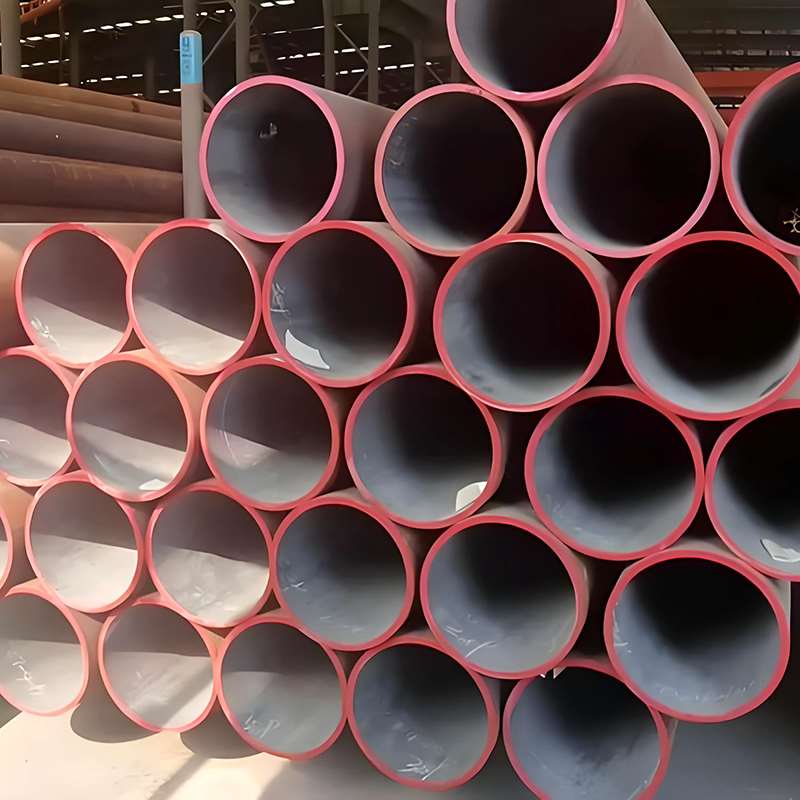
API 5L X60 Seamless Pipe

OD Range :

60 mm – 660 mm

WT Range :

4 mm – 40 mm

Length :

5.8 m – 12 m

Tolerance :

Outer diameter ±1% / Wall thickness ±12.5% ​​/ Length ±0.5%

Material :

API 5L X60 carbon steel or low alloy steel

Standard :

API 5L (PSL1 or PSL2)

Surface :

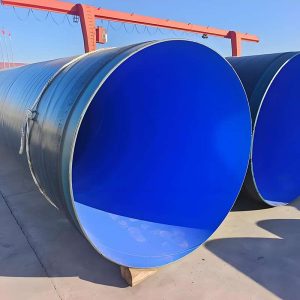
Black pipe, pickling, sandblasting, hot-dip galvanizing and anti-corrosion coating

Application :

API 5L X60 seamless pipe is mainly used in pipeline engineering for transporting fluids such as oil, natural gas and water, and is suitable for high-pressure and long-distance transportation applications.

I. Introduction to API 5L X60 Seamless Steel Pipe

API 5L X60 seamless steel pipe is a high-strength pipeline steel pipe manufactured according to the API 5L standard, suitable for transporting oil, natural gas, water, and other fluid media.

The “X60” indicates a minimum yield strength of 60,000 psi (approximately 415 MPa), exhibiting excellent tensile strength, toughness, and corrosion resistance.

This product is mostly manufactured using hot rolling or hot expansion processes, resulting in a dense internal structure, free of weld defects, and capable of long-term stable operation under high pressure, high temperature, and complex geological conditions. It is commonly used in onshore and offshore oil and gas pipeline projects, natural gas transmission systems, and energy storage and transportation projects.

II. What Grades or Classes Does the API 5L Standard Include?

i. API 5L Grade Classification

GradeFull NameDescription
PSL1Product Specification Level 1Standard grade, suitable for general pipeline transportation.
PSL2Product Specification Level 2Enhanced grade, with stricter requirements on chemical composition, impact performance, non-destructive testing, and traceability.

ii. Common grades in API 5L

TypeGradeMinimum Yield Strength (MPa)Minimum Tensile Strength (MPa)
Ordinary Carbon SteelA25172310
OrdinaryA / B241 / 290414 / 483
Line Pipe SteelX42290414
X46317434
X52359455
X56386490
X60415520
X65448535
X70483565
X80552625
X100690760

III. API 5L X60 Seamless Tube Performance Parameter Table

ParameterValue / Requirement
StandardAPI 5L (Specification for Line Pipe)
GradeX60 (corresponding to minimum yield strength 60,000 psi)
Product LevelPSL1 / PSL2
Manufacturing MethodSeamless (SMLS)
Yield Strength415 MPa (min) – 565 MPa (max)
Tensile Strength520 MPa (min) – 760 MPa (max)
Elongation≥ 21% (depending on OD and WT)
Charpy Impact TestPSL2: ≥ 27 J (0℃, full-size specimen)
Service Temperature Range-45℃ – +450℃ (depending on medium and design)
Dimension StandardsAPI 5L / ASTM A530 / ISO 3183
Outer Diameter (OD) Range21.3 mm – 660 mm (customizable)
Wall Thickness (WT) Range2.5 mm – 60 mm (customizable)
Length5.8 m / 6 m / 12 m / customized
OD Tolerance±0.75% (per API 5L)
WT Tolerance±12.5%
Hydrostatic Test Pressure≥ 5 MPa or per design requirement
Non-destructive Testing100% UT / ECT (per PSL2 requirement)
Heat TreatmentNormalized, Normalized + Tempered, or Controlled Rolling Delivery
Surface TreatmentBlack paint, clear coating, rust preventive oil, or galvanized

IV.API 5L X60 Seamless Tube Chemical Composition Table

ElementPSL1 Max / Range (%)PSL2 Max / Range (%)Description
C (Carbon)≤ 0.26≤ 0.24Controlling carbon content improves toughness and weldability
Mn (Manganese)≤ 1.40≤ 1.40 (or C+Mn ≤ 1.45)Increases strength and hardenability
P (Phosphorus)≤ 0.030≤ 0.025Excessive phosphorus reduces impact toughness
S (Sulfur)≤ 0.030≤ 0.015Low sulfur improves toughness and crack resistance
Si (Silicon)≤ 0.45≤ 0.45Improves steel deoxidation and strength
Nb (Niobium)≤ 0.05Microalloy element that enhances strength and toughness
V (Vanadium)≤ 0.10Improves grain refinement and strengthening effect
Ti (Titanium)≤ 0.04Controls grain growth and improves crack resistance
Cr (Chromium)≤ 0.50≤ 0.50Enhances corrosion resistance (added by some mills)
Cu (Copper)≤ 0.50≤ 0.50Improves weathering resistance and anti-rust performance
Ni (Nickel)≤ 0.50≤ 0.50Improves low-temperature toughness
Mo (Molybdenum)≤ 0.15≤ 0.15Increases high-temperature strength and corrosion resistance
Ceq (Carbon Equivalent)≤ 0.43Controls weldability and susceptibility to cracking

V. API 5L X60 Seamless Pipe Application Areas

(1) Oil Transportation Pipelines
Used for onshore and offshore crude oil transportation trunk lines and gathering pipelines.
High strength, good pressure resistance, adaptable to long-distance transportation and complex terrain.

(2) Natural Gas Transportation Pipelines
Used for urban gas supply and long-distance natural gas trunk lines.
Can withstand high pressure and low temperature environments, ensuring safe and stable transportation.

(3) Water and Other Liquid Transportation Pipelines
Industrial water supply, freshwater transportation, wastewater transportation, etc.
Suitable for medium and high pressure pipeline requirements.

(4) Offshore Oil and Gas Platforms and Deep-Sea Pipelines
High strength and toughness meet the requirements of corrosion resistance and stress concentration resistance in offshore engineering.
Can be used for underwater oil and natural gas transportation pipelines.

(5) Petrochemical and Chemical Plants
High-pressure transportation equipment pipelines, chemical fluid pipelines.
Resistant to high temperature and high pressure, suitable for use with chemically corrosive media.

(6) Energy and Power Engineering
Steam pipelines in thermal power plants and gas-fired power plants.
Stable operation under high temperature and high pressure conditions.
Related Products

Outer Diameter OD (mm) Wall Thickness WT (mm) Theoretical Weight kg/m Standard Typical Application
21.3 2.0 1.11 API 5L / ASTM A106 Water supply, gas, fire-fighting pipelines
26.9 2.6 1.97 API 5L / ASTM A106 Water supply, gas pipelines
33.7 3.2 3.01 API 5L / ASTM A106 Oil and gas pipelines
42.4 3.6 4.57 API 5L / ASTM A106 Oil and natural gas pipelines
48.3 4.0 5.76 API 5L / ASTM A106 Industrial pipelines, gas transportation
60.3 4.5 8.08 API 5L / ASTM A106 Oil and gas transportation
76.1 5.0 11.6 API 5L / ASTM A106 High-pressure pipelines
88.9 5.0 14.9 API 5L / ASTM A106 Oil and chemical pipelines
101.6 6.0 20.0 API 5L / ASTM A106 High-pressure fluid transportation
114.3 6.0 22.7 API 5L / ASTM A106 Oil pipelines, gas transportation
127.0 7.0 29.5 API 5L / ASTM A106 Long-distance pipelines
139.7 7.0 32.4 API 5L / ASTM A106 Industrial fluid transportation
168.3 8.0 45.3 API 5L / ASTM A106 High-pressure oil and gas pipelines
193.7 8.8 57.5 API 5L / ASTM A106 High-pressure pipeline projects
219.1 9.5 70.3 API 5L / ASTM A106 Long-distance oil pipelines
273.0 10.0 103.0 API 5L / ASTM A106 Gas transportation pipelines
323.9 12.7 155.0 API 5L / ASTM A106 Oil and gas industry pipelines
355.6 14.3 185.0 API 5L / ASTM A106 High-pressure transportation pipelines
406.4 16.0 227.0 API 5L / ASTM A106 Long-distance oil and gas pipelines
508.0 20.0 365.0 API 5L / ASTM A106 Extra-large pipelines
609.6 22.0 510.0 API 5L / ASTM A106 Super-large oil and gas pipelines
660.0 25.0 600.0 API 5L / ASTM A106 Extra-large industrial pipelines

Notes:
1. Wall thickness and theoretical weight are calculated based on API 5L standard and can be customized according to customer requirements.
2. Standard lengths are 5.8 m / 6 m / 12 m / fixed length.
3. Tolerances: Outer diameter ±0.75%, wall thickness ±12.5%.
4. The above are common industrial specifications; larger diameter or thicker wall pipes can be customized for some special projects.


API 5L Standard Core Requirements and Main Parameters

Item Requirement / Parameter
Standard API 5L – Specification for Line Pipe
Product Level PSL1 / PSL2
Grade X42, X46, X52, X56, X60, X65, X70, X80, X100
Manufacturing Method Seamless (SMLS) or Welded
Chemical Composition C, Mn, P, S, Si and microalloy elements (Nb, V, Ti, Cr, Cu, Ni, Mo) controlled according to PSL1 / PSL2
Yield Strength Varies by grade, approximately 290 – 690 MPa
Tensile Strength Varies by grade, approximately 414 – 760 MPa
Elongation ≥ 21% (depending on OD and WT)
Charpy Impact Test PSL2: ≥ 27 J (0℃, full-size specimen)
Dimension Standards OD: 21.3 – 660 mm; WT: 2.5 – 60 mm; Length: 5.8 / 6 / 12 m or customized
Tolerances OD ±0.75%, WT ±12.5%
Non-destructive Testing 100% UT / ECT (stricter requirements for PSL2)
Service Temperature Range -45℃ – +450℃ (depending on medium and design)
Surface Treatment Black paint, pickling, rust preventive oil, hot-dip galvanizing, or protective coating
Delivery Condition Normalized, Normalized + Tempered, or Controlled Rolling Delivery


V.API 5L X60 Seamless Tube Production Process

(1) Raw Material Preparation:
Select high-quality low-carbon pipeline steel billets or ingots.
Strictly control the chemical composition to ensure that elements such as C, Mn, P, S, Cr, and Mo meet the standards.

(2) Furnace Heating:
Heat the steel billet to 1150–1250℃ for uniform heating to facilitate subsequent piercing.

(3) Piercing and Forming:
Form a hollow shell tube by rotary piercing or drawing piercing.

(4) Hot Rolling/Hot Expansion:
Roll to the required outer diameter (OD) and wall thickness (WT) on a continuous rolling mill or tube expander.
During the process, the billet undergoes multiple stretching, diameter reduction, and straightening processes to ensure dimensional accuracy.

(5) Heat Treatment
Normalizing + tempering refines the grain size and improves strength and toughness.
Controlled rolling or quenching and tempering can be performed for specific pipe diameters or high-requirement projects.

(6) Straightening and Cutting
The pipes are straightened using a straightening machine and cut to the customer’s specified length.

(7) Non-Destructive Testing
Ultrasonic testing (UT) or eddy current testing (ECT) ensures the pipe body is free of cracks, porosity, or delamination.
Surface inspection and magnetic particle testing may be added according to PSL2 level requirements.

(8) Dimensional and Appearance Inspection
Inspect the outer diameter, wall thickness, length tolerance, and ovality.
Confirm that the surface is free of obvious scratches, folds, or rust.

(9) Packaging and Shipping
Rust prevention treatment (paint, rust-preventive oil, plastic film protection) is performed according to customer requirements.
Bundling or wooden crate packaging facilitates transportation and storage.


Inspection Item Test Method Applicable Parameters / Requirements Description
Chemical Composition Optical Emission Spectroscopy (OES) or Chemical Analysis C ≤ 0.24%, Mn ≤ 1.40%, P ≤ 0.025%, S ≤ 0.015%, Si ≤ 0.45%, Nb ≤ 0.05%, V ≤ 0.10%, Ti ≤ 0.04%, Cr ≤ 0.50%, Cu ≤ 0.50%, Ni ≤ 0.50%, Mo ≤ 0.15%, Ceq ≤ 0.43 Ensures material performance, weldability, and toughness
Yield Strength Tensile Test ≥ 415 MPa According to X60 grade requirements
Tensile Strength Tensile Test 520 – 760 MPa Ensures pipe meets design strength requirements
Elongation Tensile Test ≥ 21% Ensures plasticity and toughness
Charpy Impact Test Impact Test PSL2: ≥ 27 J (0℃, full-size specimen) Ensures low-temperature impact toughness
Dimension Check OD & WT Measurement OD: 21.3 – 660 mm; WT: 2.5 – 60 mm; Tolerance: OD ±0.75%, WT ±12.5% Ensures pipe dimensions meet design standards
Surface Quality Visual Inspection No visible cracks, dents, oxide scale, or mechanical damage Ensures surface quality suitable for coating or corrosion protection
Non-Destructive Testing (NDT) Ultrasonic Testing (UT), Eddy Current Testing (ECT) 100% inspection (stricter requirements for PSL2) Detects internal defects such as cracks, porosity, or inclusions
Hydrostatic Test Hydrostatic Pressure Test ≥ 5 MPa or per design requirement Checks pipe pressure-bearing capacity
Hardness Test Rockwell / Brinell Hardness HRB / HRC according to API 5L Checks processing and heat treatment quality
Heat Treatment Status Check Metallographic Analysis or Hardness Test Normalized / Normalized + Tempered / Controlled Rolling Confirms pipe heat treatment meets delivery requirements

Notes:
1. PSL1 is the standard level, with relatively lenient testing requirements.
2. PSL2 is the enhanced level, with stricter requirements for chemical composition, impact toughness, non-destructive testing, and traceability.
3. This testing checklist is applicable to oil and gas, industrial pipelines, and high-pressure pipelines, and can be used as a basis for factory inspection or third-party acceptance.


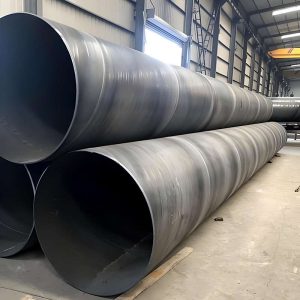
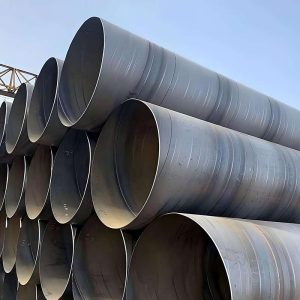
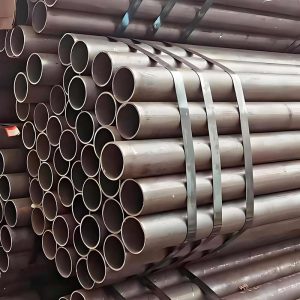
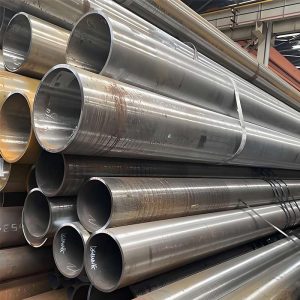
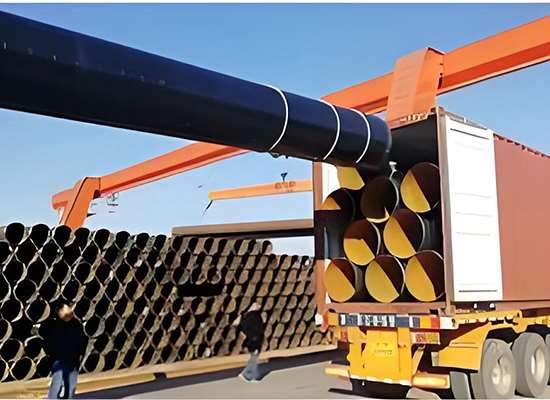
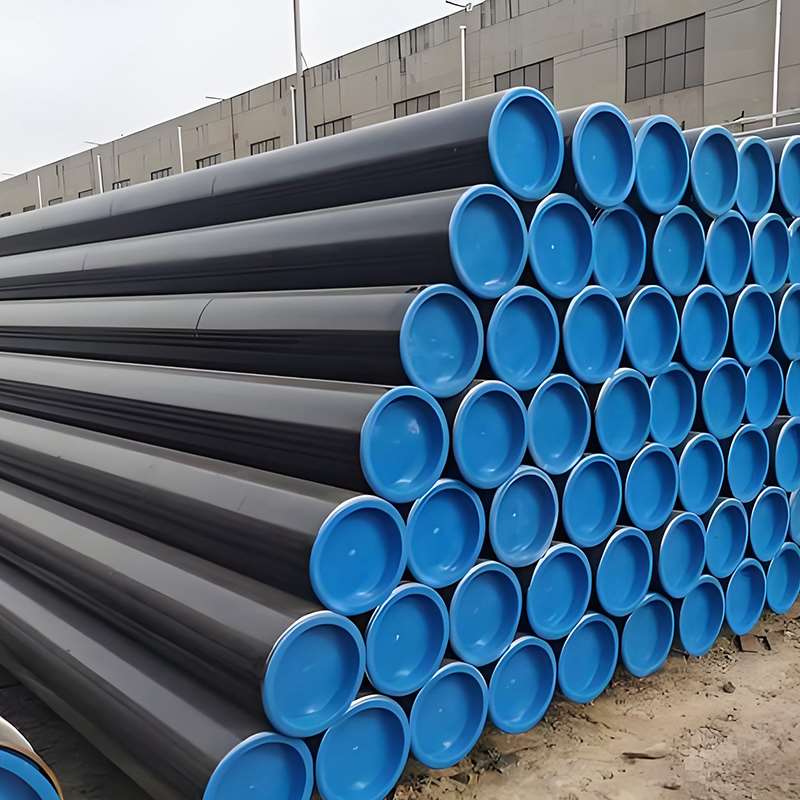
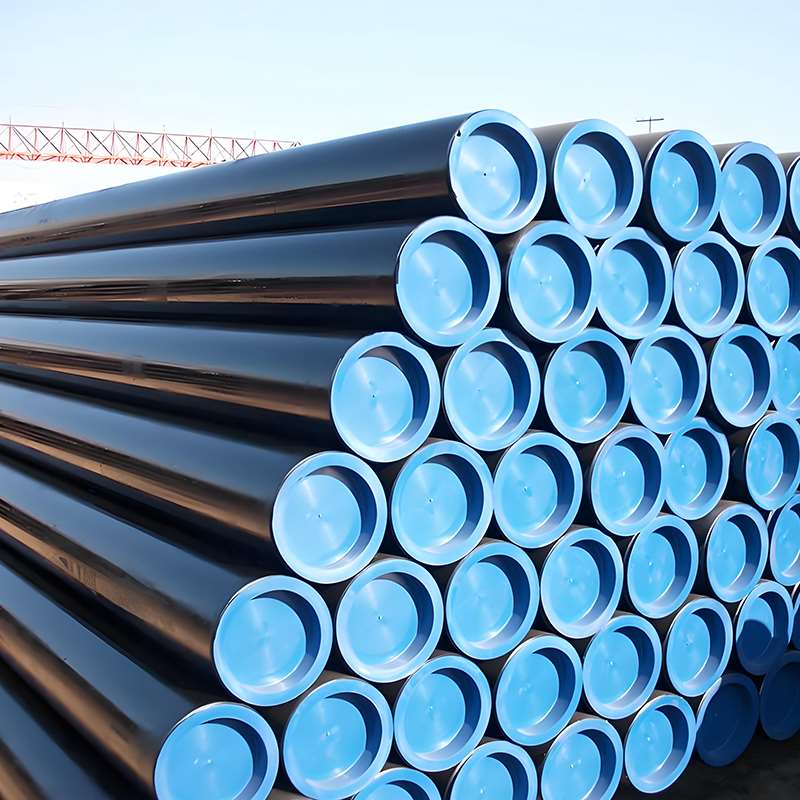
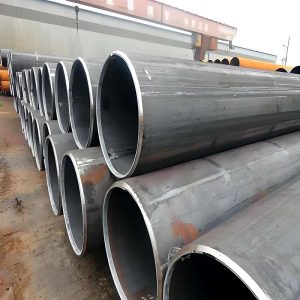
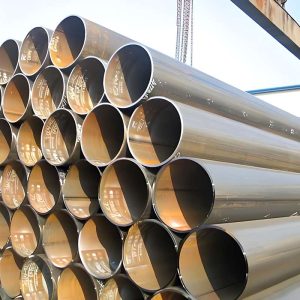
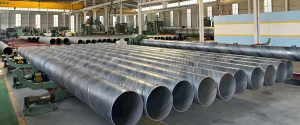
Large-diameter seamless carbon steel pipe   Seamless Carbon Steel Pipe Packing

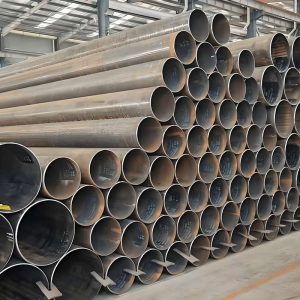
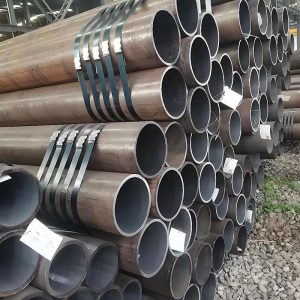
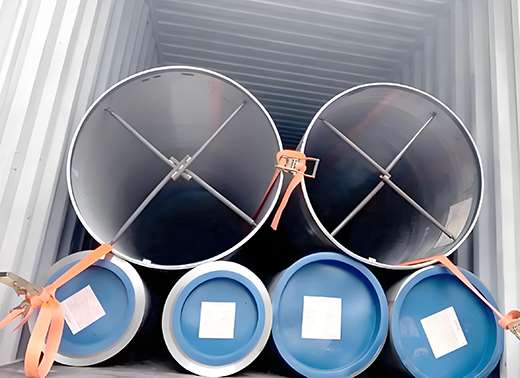
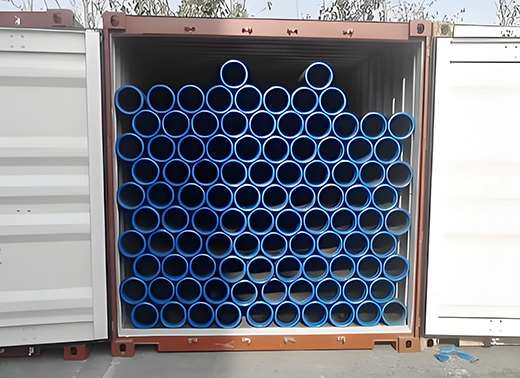
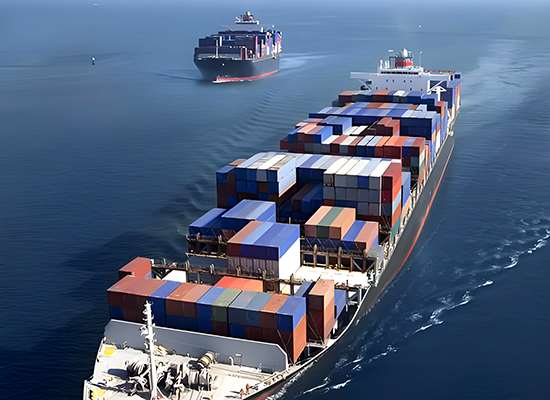
API 5L X52 Line Pipe Loading   API 5L X52 Line Pipe Transportation

API 5L X60 seamless tubing in pressure systems: common problems (FAQ)

Q1. Why do leaks or microcracks occur in API 5L X60 pipes?

A:
Leaks or microcracks are usually caused by the following reasons:
Poor welding quality: Incomplete weld fusion or excessive residual stress;
Overpressure operation: Actual pipeline pressure exceeds design pressure;
Material defects: Internal inclusions, porosity, or uneven heat treatment.
Solutions: Ensure welding processes comply with ASME/API standards, conduct regular ultrasonic testing (UT), and keep pressure tests within rated limits.

Q2. Are pipelines prone to brittle fracture at low temperatures?

A:
X60 is a high-strength low-alloy steel with good low-temperature toughness, but brittle fracture can still occur in extreme low-temperature environments.
Recommended measures:
Select PSL2 grade pipes with low-temperature impact toughness certification;
Regularly inspect pipeline supports and stress concentration points;
Avoid impact loads at low temperatures.

Q3. Why do pipelines experience localized corrosion or pitting?

A:
Common causes: Corrosion caused by moisture, acids, alkalis, or impurities in the pipe medium;
A humid external environment or the presence of chemical gases.
Protective measures:
Apply anti-corrosion paint or epoxy coating to both inner and outer surfaces;
Maintain the pH value and water quality of the fluid inside the pipe;
Dry and drain long-term unused pipe sections.

Q4. Will X60 pipes experience creep or deformation under long-term high pressure?

A:
Under normal pressure systems, the risk of creep in X60 pipes is low. However, if the pressure remains close to the pipe’s design limits for an extended period or the temperature is excessively high, minor plastic deformation may occur.
Recommended measures: The pipe design pressure should have a safety margin (generally ≥1.25 times the design pressure); Regularly monitor pipe displacement and wall thickness changes; Avoid prolonged operation above the rated temperature.

Q5. Why does stress concentration occur after pipe installation?

A:
Elbows, supports, welded joints, or uneven support can lead to stress concentration.
Solutions: Use appropriate support spacing and avoid rigid fixing; Use heat treatment or tempering to relieve stress at elbows and flange connections; Perform stress analysis before installation (FEA or design specification verification).

Q6. What quality documents and inspections should be given special attention when purchasing X60 seamless steel pipes?

A:
Mechanical Composition Report (MTC): Ensure that elements such as C, Mn, P, and S meet the standards;
Mechanical Property Report: Yield strength, tensile strength, elongation, etc.;
Non-destructive Testing Report: Ultrasonic or eddy current testing to confirm the absence of cracks and delamination;
Heat Treatment Record: Confirmation of normalizing/tempering condition;
Third-party testing certificates (such as SGS, BV, TUV) to ensure that the pipes meet the PSL2 advanced standard.