Products

Related News

ASTM A213 T22 Seamless Carbon Steel Pipe

OD Range :

6mm – 127mm

WT Range :

1mm – 12mm

Length :

5m – 12m

Tolerance :

OD ≤ 38.1mm: ±0.15mm; OD > 38.1mm: ±1%; WT: ±10%

Material :

T22 (2.25Cr–1Mo alloy steel)

Standard :

ASTM A213 / ASME SA213

Surface :

Black Surface、Oiling / Varnish Coating、Paint Coating、FBE Coating

Application :

Seamless carbon steel tubes, manufactured using ASTM A213 and T22 standards, are commonly used in heat transfer systems of high-temperature, high-pressure boilers, superheaters, and heat exchangers.

I. Introduction to ASTM A213 T22 Seamless Carbon Steel Pipes

ASTM A213 T22 is a high-temperature alloy carbon steel seamless pipe, primarily used in boilers, heat exchangers, and high-temperature steam pipelines. This tube contains 2.25% Cr and 1% Mo, offering superior high-temperature strength, creep resistance, and oxidation resistance compared to ordinary carbon steel, making it suitable for long-term use under high-temperature and high-pressure environments.
Material Characteristics: Good high-temperature toughness, high tensile and yield strength, and resistance to high-temperature corrosion.
Applications: Power plant boiler tubes, chemical heat exchangers, steam transmission pipelines.
Processing Performance: Can be hot-rolled, cold-drawn, and welded, facilitating the installation and layout of piping systems.

II. ASTM A213 T22 Seamless Carbon Steel Pipe Parameter Pipe

ParameterValue
StandardASTM A213 / ASME SA213
GradeT22 (2.25Cr–1Mo Alloy Steel)
Manufacturing ProcessSeamless
Outside Diameter (OD)6 mm – 127 mm (1/4″ – 5″)
Wall Thickness (WT)0.8 mm – 12 mm
Length3 m – 12 m (custom lengths available)
Length Tolerance±10 mm (fixed length ±0.5%)
OD Tolerance±0.4 mm (OD ≤ 38.1 mm); ±1% (OD > 38.1 mm)
Wall Thickness Tolerance±10%
Ovality ToleranceNot exceeding 1.5 times the OD tolerance
Surface ConditionBright, pickled, black, or anti-corrosion coating as required
Heat TreatmentNormalized and Tempered
Testing RequirementsHydrostatic test, eddy current testing, ultrasonic testing
Reference StandardASTM A450 (dimensions, appearance, and test requirements)
Delivery ConditionSupplied in heat-treated condition
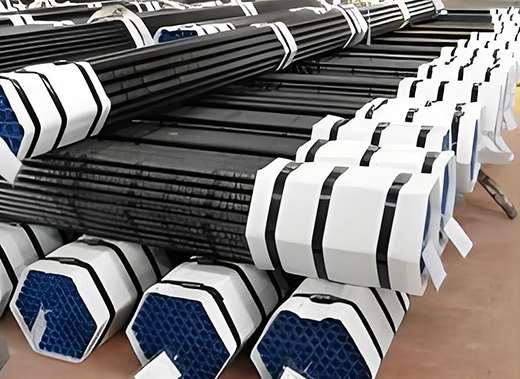
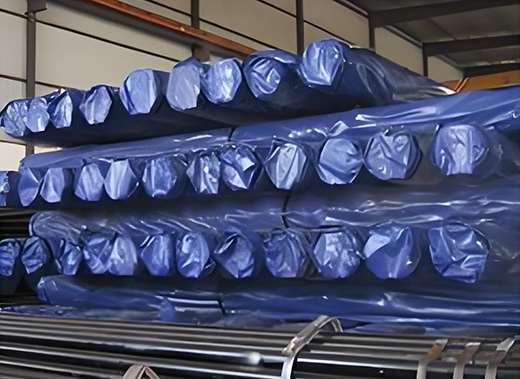
Packing MethodBundled, end-cap protection, plastic film + steel strip, wooden cases or waterproof wrapping

III. Chemical Composition and Mechanical Properties of ASTM A213 T22 Seamless Carbon Steel Pipes

i. Chemical Composition (%)

ElementContent RangeDescription
Carbon (C)0.05–0.15Ensures weldability and toughness
Manganese (Mn)0.30–0.60Enhances strength and toughness
Silicon (Si)0.20–0.50Improves high-temperature strength
Chromium (Cr)2.00–2.50Enhances high-temperature corrosion and creep resistance
Molybdenum (Mo)0.90–1.10Improves high-temperature strength and creep resistance
Phosphorus (P)≤0.03Reduces brittleness
Sulfur (S)≤0.03Improves machinability

ii. Mechanical properties

PropertyValueDescription
Yield Strength (ReH)≥ 205 MPaEnsures pipe can withstand pressure
Tensile Strength (Rm)415–585 MPaAbility to withstand tension or internal pressure
Elongation (A)≥ 30%Ensures toughness and machinability
Impact Toughness (Charpy V-notch)≥ 27 JImpact resistance at high temperatures

iii. Commonly Used Sizes and Specifications

Outer Diameter OD (mm)Wall Thickness WT (mm)Theoretical Weight (kg/m)Remarks
21.32.81.60Small-diameter steam pipe
26.93.22.30Small-to-medium diameter pipe
33.73.63.20Common boiler pipe
42.44.04.15Medium-diameter main pipe
48.34.55.30Medium-diameter steam pipe
60.35.07.50For industrial boilers
76.15.510.60For heat exchangers
88.96.013.20Medium-diameter high-temperature pipe
114.36.518.60Large-diameter boiler main pipe
168.37.532.60High-temperature, high-pressure pipeline

IV. ASTM A213 T22 Seamless High Temperature Tube Selection Checklist

ItemInspection ContentStandard / RequirementDescription / Practical Tips
Material GradeASTM A213 T22Cr 2.25%, Mo 1%, C 0.05–0.15%Ensures high-temperature strength, creep resistance, and oxidation resistance
Outer Diameter (OD)As per design±0.5%Ensures smooth connections and reduces rework
Wall Thickness (WT)As per design±10%Meets working pressure and safety factor requirements
Mechanical PropertiesYield Strength ≥ 205 MPa, Tensile Strength 415–585 MPa, Elongation ≥ 30%ASTM A213Ensures pressure-bearing capacity and toughness
Impact Toughness≥ 27 JASTM E23Ensures safety under high-temperature thermal cycles
Chemical Composition TestSpectral AnalysisASTM A213Ensures Cr, Mo, and C content meet standards
Non-Destructive TestingUltrasonic Testing or Hydrostatic TestASTM A376Ensures no cracks, porosity, or other defects in the pipe
Heat TreatmentNormalizing or AnnealingASTM A213Improves high-temperature toughness and reduces creep risk
Welding & Installation NotesPreheat 200–250℃, Post-weld stress-relief temperingProcess SpecificationsPrevents weld cracks and stress concentration
Corrosion ProtectionClean inner wall, apply coating if necessaryEngineering PracticePrevents scaling and oxidation, extends service life
Acceptance RecordsMaterial Test Certificate 3.1/3.2, Test ReportsASTM SA210 / A213Ensures traceability for procurement and installation

Related Products

Outer Diameter OD (mm) Wall Thickness WT (mm) Theoretical Weight (kg/m) Remarks / Application
6 0.8 0.15 Small-diameter steam pipe
8 1.0 0.20 Small-diameter steam pipe
10 1.2 0.30 Small-diameter steam pipe
12 1.5 0.40 Small-diameter steam pipe
16 2.0 0.60 Small-diameter steam pipe
21.3 2.8 1.60 Small-diameter steam pipe
26.9 3.2 2.30 Small-to-medium diameter pipe
33.7 3.6 3.20 Common boiler pipe
42.4 4.0 4.15 Medium-diameter main pipe
48.3 4.5 5.30 Medium-diameter steam pipe
60.3 5.0 7.50 For industrial boilers
76.1 5.5 10.60 For heat exchangers
88.9 6.0 13.20 Medium-diameter high-temperature pipe
114.3 6.5 18.60 Large-diameter boiler main pipe
139.7 7.0 25.00 High-temperature, high-pressure main pipe
168.3 7.5 32.60 High-temperature, high-pressure pipeline
193.7 8.0 40.00 Special high-temp, high-pressure pipe
219.1 9.0 50.00 Special high-temp, high-pressure pipe
273.0 10.0 70.00 Large-diameter high-temperature pipe
323.9 12.0 95.00 Large-diameter high-temperature pipe

Note: Standard lengths are 3 m – 12 m; OD and WT can be customized according to design requirements.


Standard Introduction

ASTM A213 T22 seamless carbon steel pipe conforms to the ASTM A213 / ASME SA213 standard and is primarily used in high-temperature boilers, heat exchangers, and industrial steam piping.
This standard specifies the material composition, mechanical properties, dimensional tolerances, surface condition, and testing methods for the pipe, ensuring excellent strength, toughness, and creep resistance under high temperature, high pressure, and thermal cycling environments.
Furthermore, the pipe must undergo normalizing and tempering treatment and pass quality inspections including chemical composition analysis, mechanical property testing, non-destructive testing, and hydrostatic testing to ensure safety and reliability.

Main standard parameters

Parameter Requirement
Material T22 (2.25Cr–1Mo Alloy Steel)
Chemical Composition Cr 2.25%, Mo 1%, C 0.05–0.15%
Outer Diameter (OD) 6–323.9 mm (customizable)
Wall Thickness (WT) 0.8–12 mm
Length 3–12 m (cut-to-length available)
Yield Strength (ReH) ≥ 205 MPa
Tensile Strength (Rm) 415–585 MPa
Elongation (A) ≥ 30%
Impact Toughness (Charpy V-notch) ≥ 27 J
Heat Treatment Normalized and Tempered
Surface Condition Bright, Pickled, Black, or Corrosion-Resistant Coating
Testing Requirements Hydrostatic Test, Ultrasonic Test, Eddy Current Test


Raw material preparation → Rolled billet → Heating → Piercing → Hot rolling → Sizing/straightening → Cooling → Heat treatment (normalizing + tempering) → Surface treatment (pickling/polishing/corrosion protection) → Testing (chemical composition, mechanical properties, non-destructive testing, hydrostatic testing) → Cutting to length → Packaging and warehousing

ASTM A213 T22 Seamless Carbon Steel Pipe Testing Standards

Test Item Test Standard / Basis Test Requirements & Description
Chemical Composition Analysis ASTM E415 / ASTM A213 Use spectrometer or chemical analysis to verify that the content of C, Mn, Si, Cr, Mo, etc., meets the standard range.
Mechanical Properties Test ASTM A213 / ASTM E8 Includes tensile strength, yield strength, and elongation tests. Samples are taken from finished pipes.
Hardness Test ASTM E18 Brinell or Rockwell hardness should not exceed standard requirements (typically ≤163 HB).
Hydrostatic Test ASTM A450 Each pipe is subjected to a hydrostatic test to ensure no leakage. Pressure should be maintained for at least 5 seconds.
Eddy Current Test ASTM E426 Used to detect surface cracks or near-surface defects.
Ultrasonic Test ASTM E213 Used to detect internal defects such as inclusions or porosity.
Dimensional & Appearance Inspection ASTM A450 Checks OD, WT, length tolerances, and surface quality; no cracks, folds, or delamination allowed.
Flattening / Flaring Test ASTM A450 Evaluates plastic deformation ability; no cracks or delamination allowed.
Metallographic Examination (Optional) ASTM E3 / E407 Checks uniformity of microstructure and for coarse grains or segregation.
Third-Party Inspection (Optional) SGS / BV / TUV Issue EN 10204 3.1 or 3.2 inspection certificates according to customer requirements.


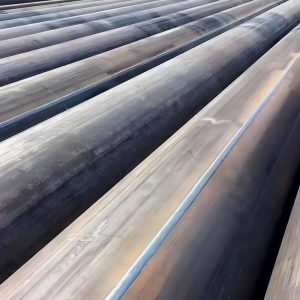
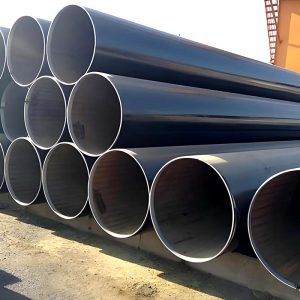
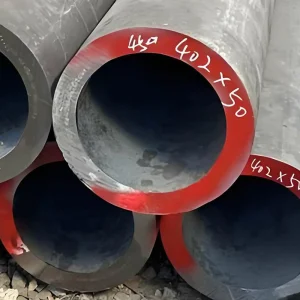
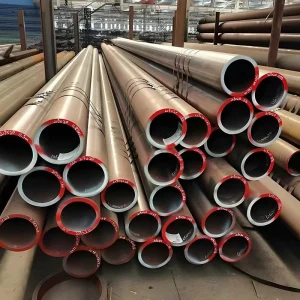
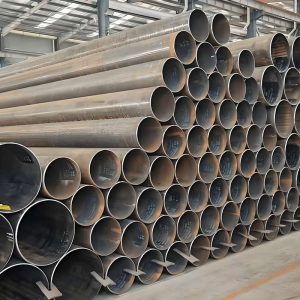
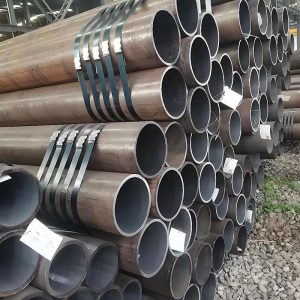
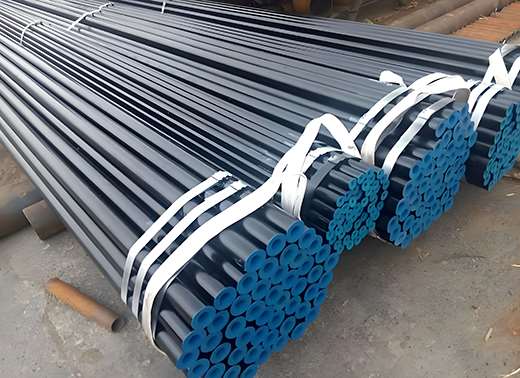
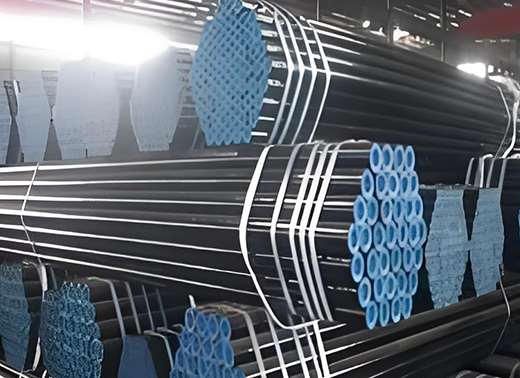
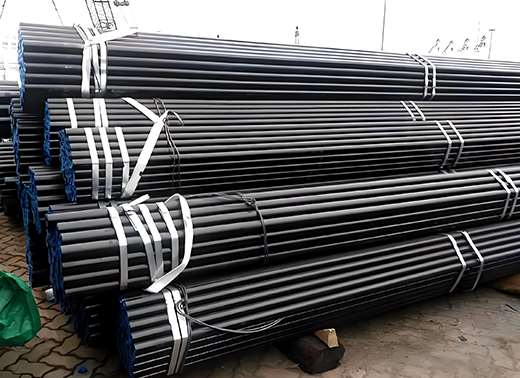
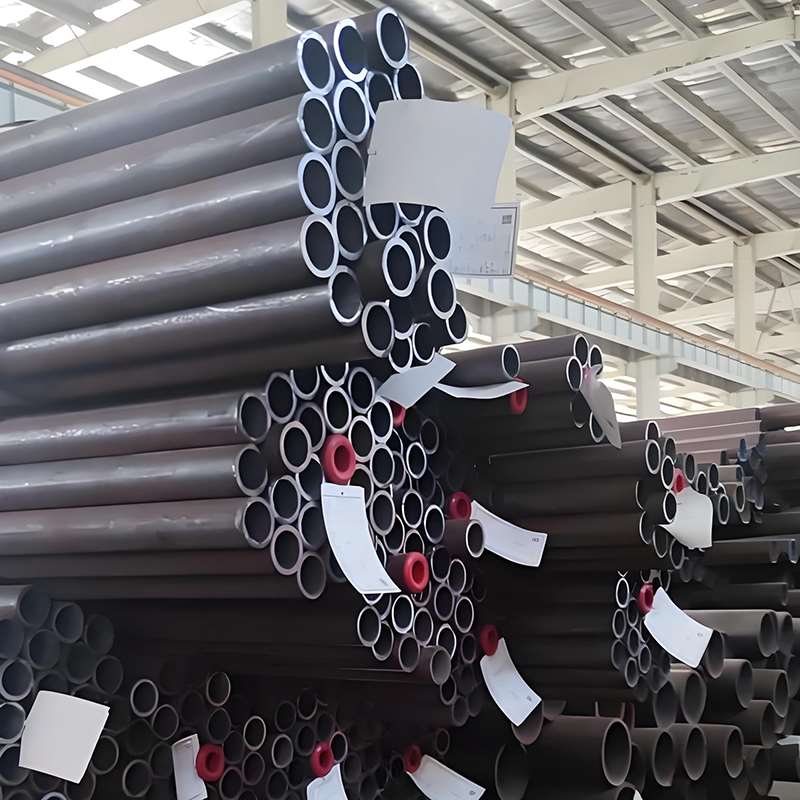
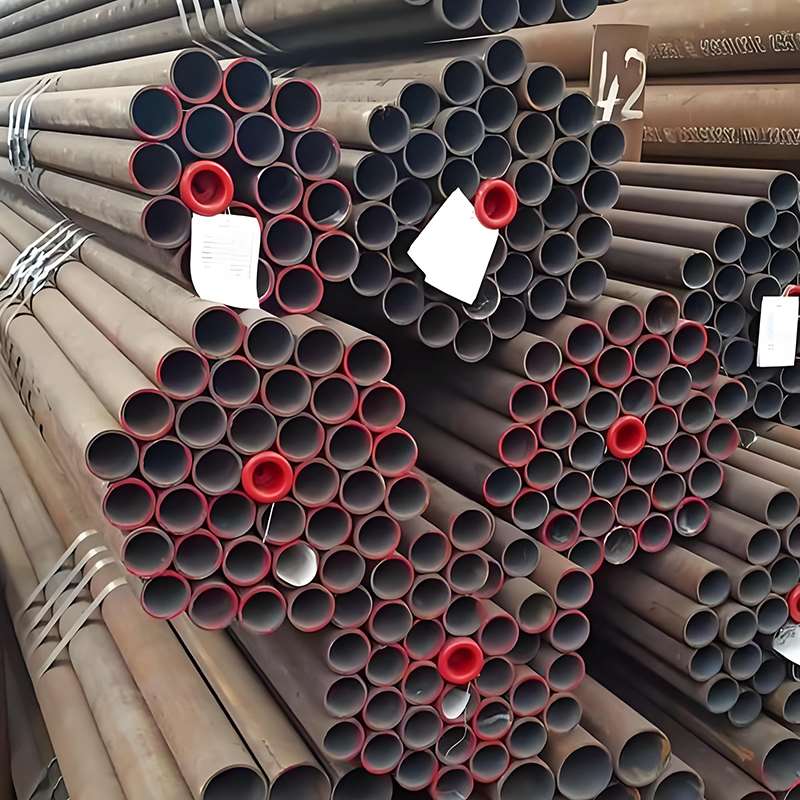
ASTM A213 T22 Seamless Carbon Steel Pipe   ASTM A213 T22 Seamless Carbon Steel Pipe Packaging

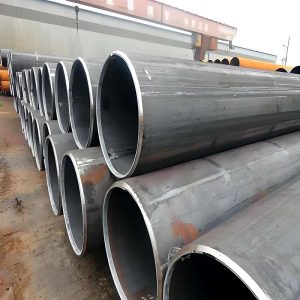
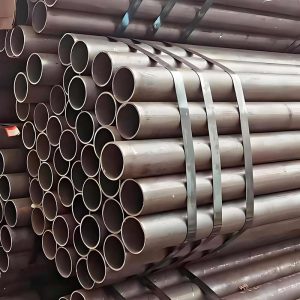
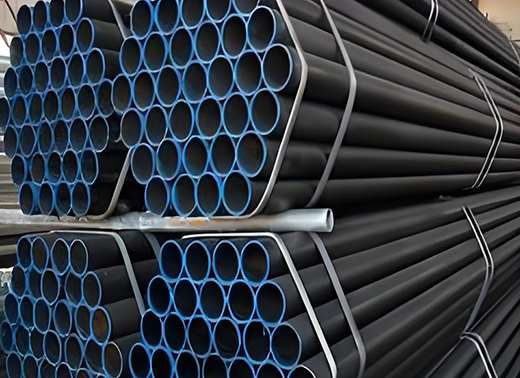
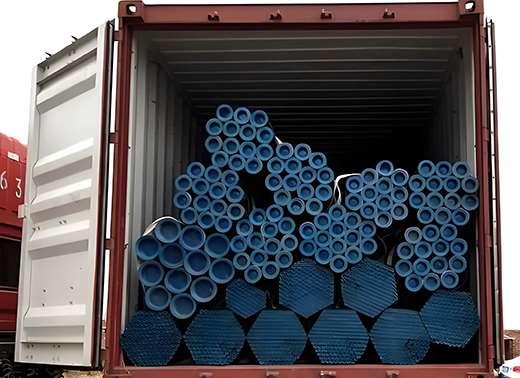
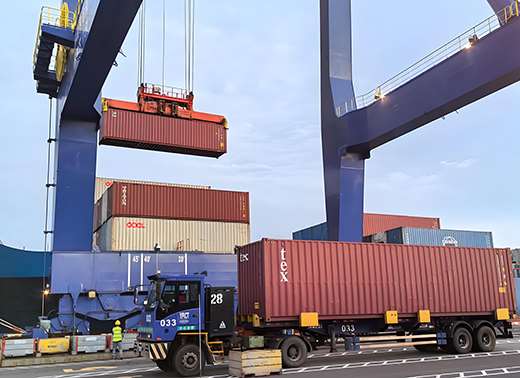
ASTM A213 T22 Seamless Carbon Steel Pipe Packaging   ASTM A213 T22 seamless carbon steel pipe loading

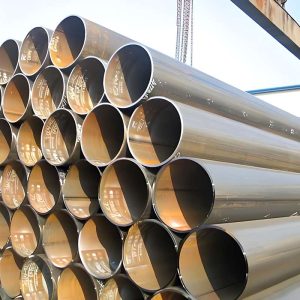
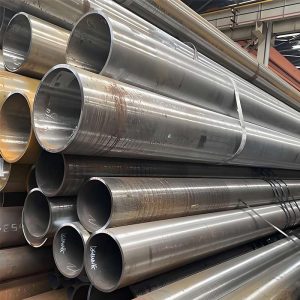
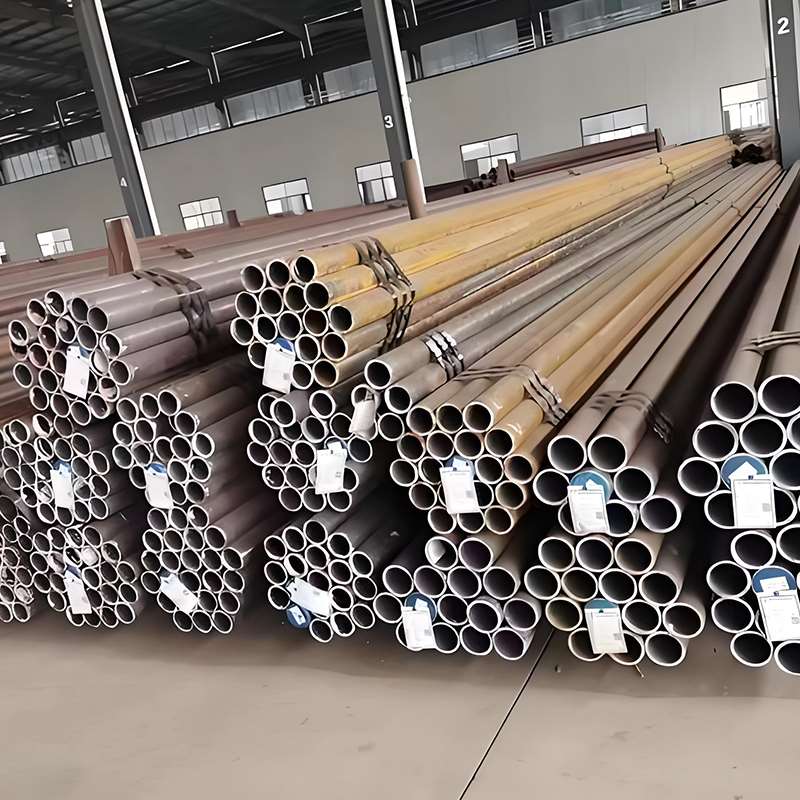
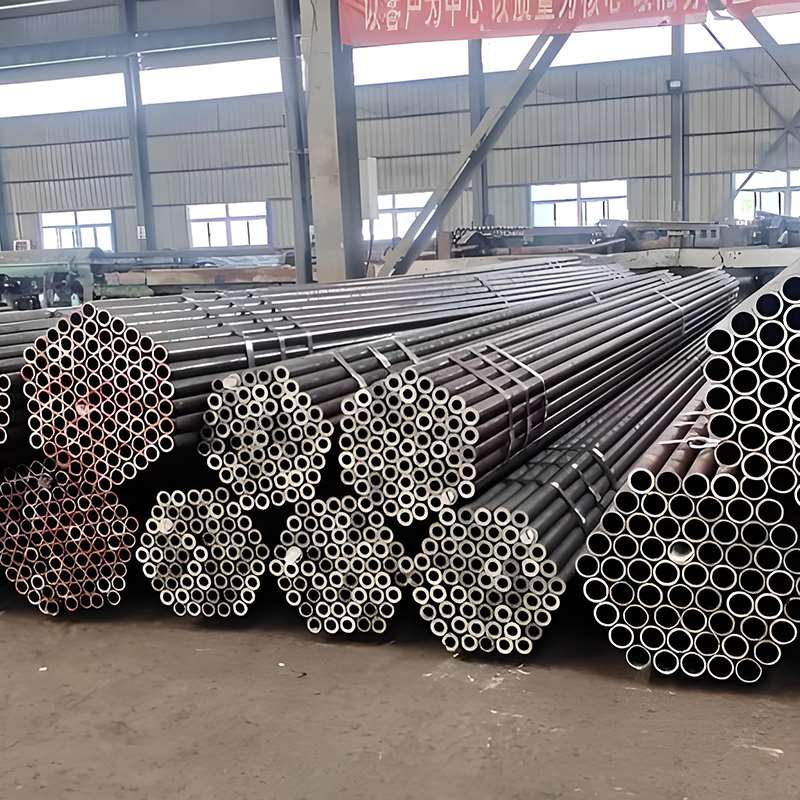
ASTM A213 T22 seamless carbon steel pipe shipment   ASTM A213 T22 Seamless Carbon Steel Pipe Transportation

ASTM A213 T22 Seamless Carbon Steel Pipe Packaging   ASTM A213 T22 Seamless Carbon Steel Pipe Packaging


Common Problems with ASTM A213 T22 Seamless Carbon Steel Tubes in Heat Exchanger Applications

(1) Why are ASTM A213 T22 tubes commonly used in heat exchangers?

Answer: T22 contains 2.25% chromium (Cr) and 1% molybdenum (Mo), possessing excellent high-temperature strength, oxidation resistance, and creep resistance.
In high-temperature steam, superheaters, or petrochemical heat exchangers, it is more heat-resistant and has a longer service life than ordinary carbon steel, making it an ideal high-temperature and pressure-resistant material.

(2) What are the common failure problems during use?

Answer: These mainly include: creep deformation caused by long-term high-temperature operation; oxidation corrosion or scaling caused by poor water quality inside the pipe; bulging or cracks caused by localized overheating; and microcracks caused by stress concentration at welded joints.
Solutions: Maintain water purity, control temperature gradient, and conduct regular non-destructive testing.

(3) What are the differences between T22 and carbon steel tubes (such as SA210 A1)?

Answer:
T22 is alloy steel (Cr-Mo series), with a temperature resistance of over 600℃; A1 is ordinary carbon steel, with lower temperature resistance, approximately 450℃.
Therefore, T22 is usually selected for heat exchangers operating in the medium-to-high temperature range to improve lifespan and safety.

(4) What quality items should be focused on when purchasing T22 heat exchanger tubes?

Answer:
It is recommended to focus on the following 5 points:
Whether the chemical composition report (MTC) meets the requirements of ASTM A213;
Heat treatment condition: must be normalized + tempered;
Non-destructive testing report: confirm 100% eddy current or ultrasonic testing;
Dimensional tolerances: OD, WT meet ASTM A450;
Third-party testing and certification: such as SGS / TUV / BV.

(5) What precautions should be taken when installing or welding T22 tubes?

Answer: Preheat to 200~300℃ before welding to prevent cold cracking;
Post-weld stress relief heat treatment (PWHT) should be performed;
Keep the inner wall clean to avoid weld slag or oil residue;
Strictly control alignment deviation to avoid stress concentration during installation.

(6) How to extend the life of T22 tubes during heat exchanger use?

Answer: Keep the fluid inside the tube clean and free of corrosive impurities;
Regular cleaning and non-destructive testing (UT or ECT);
Prevent overheating operation or frequent start-stop;
Replace severely oxidized or thinned tube sections promptly.