Products

Related News

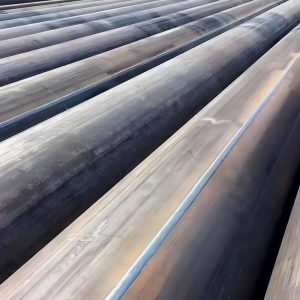
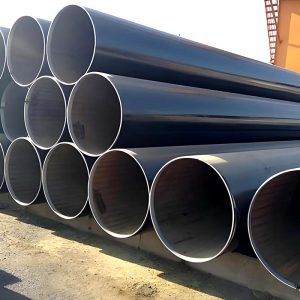
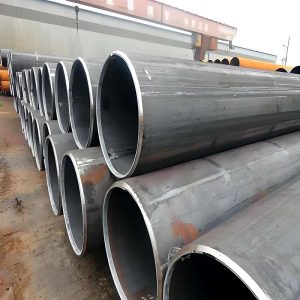
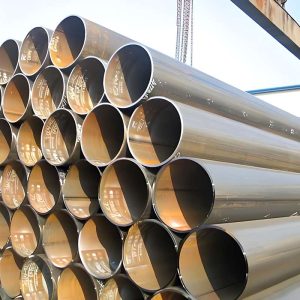
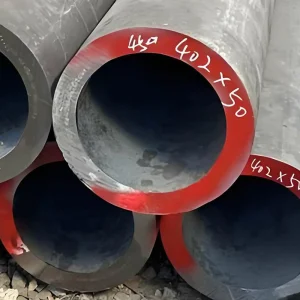
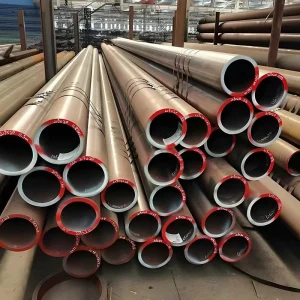
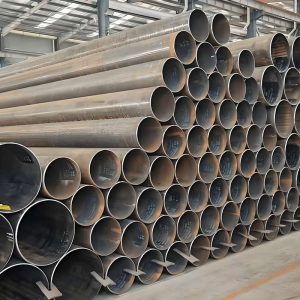
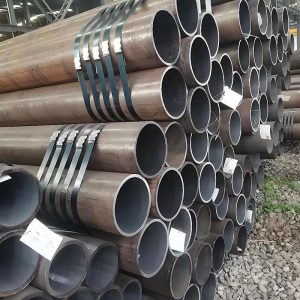
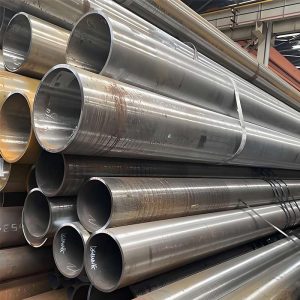
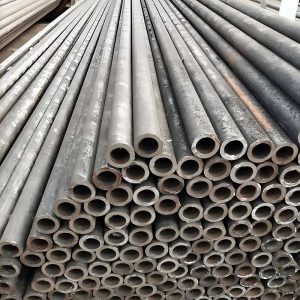
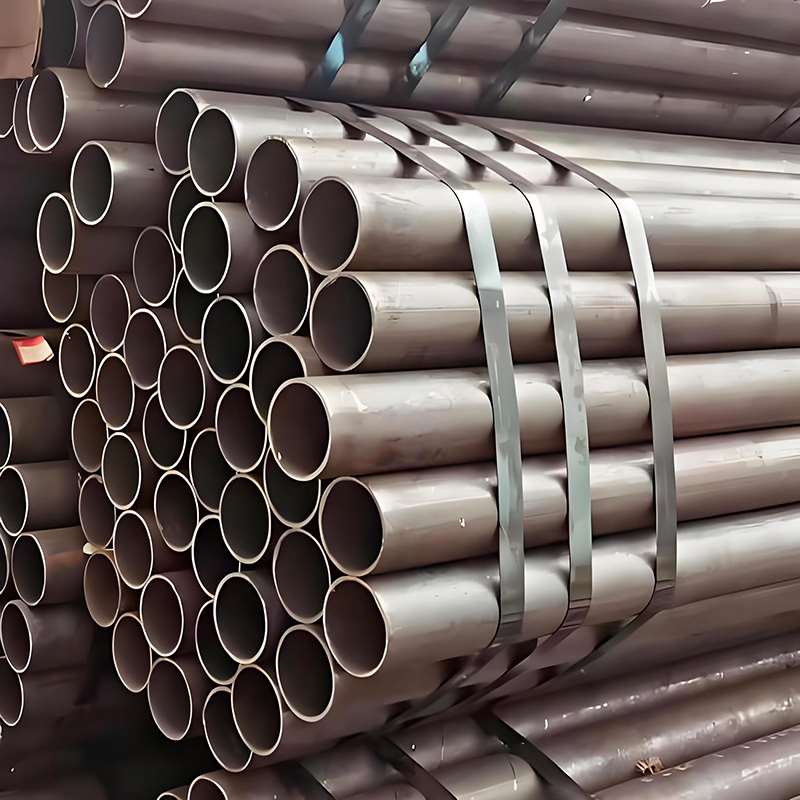
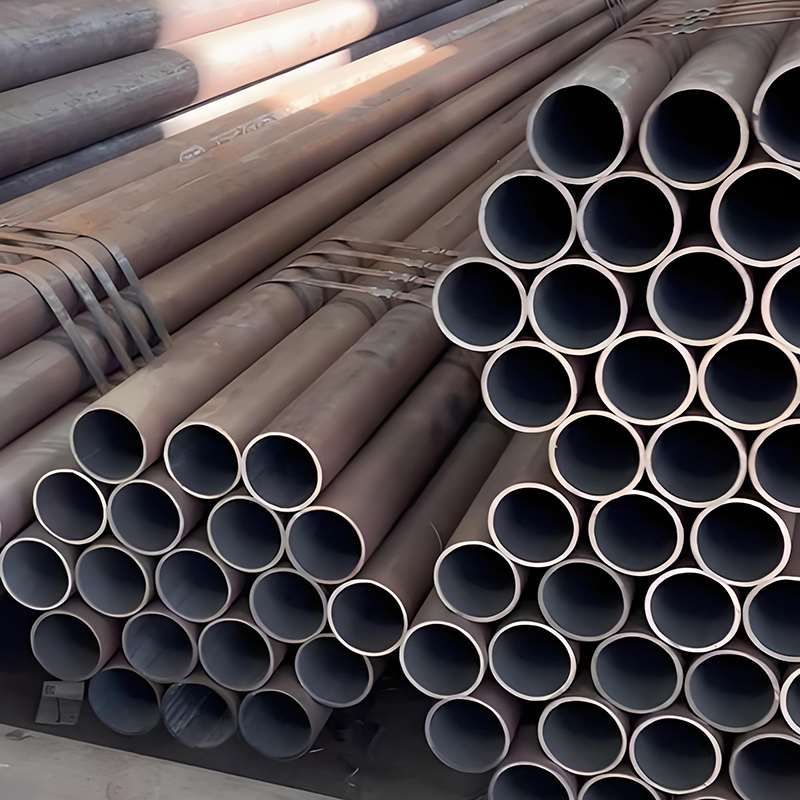
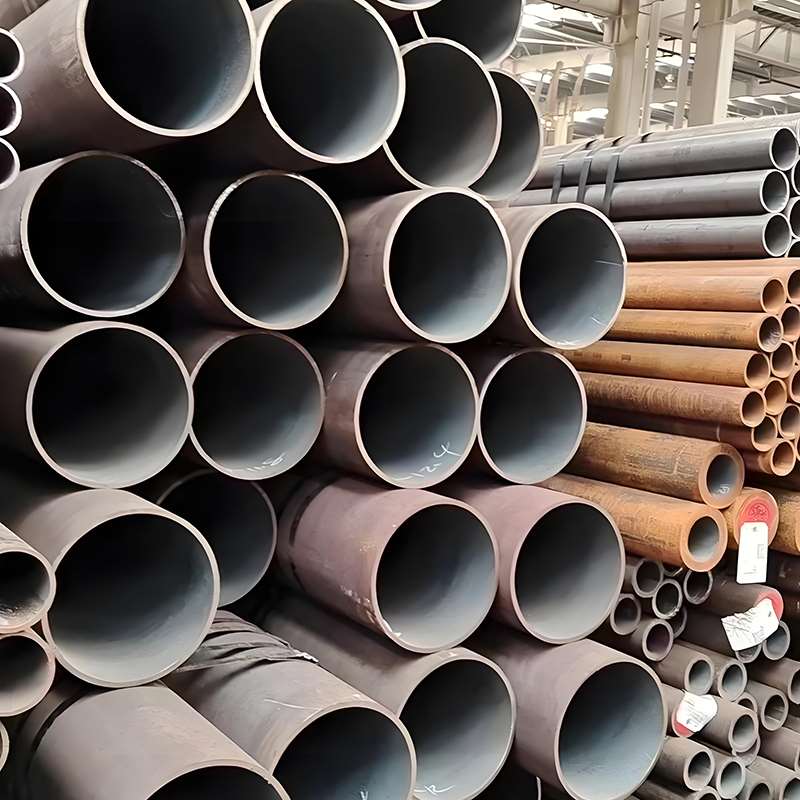
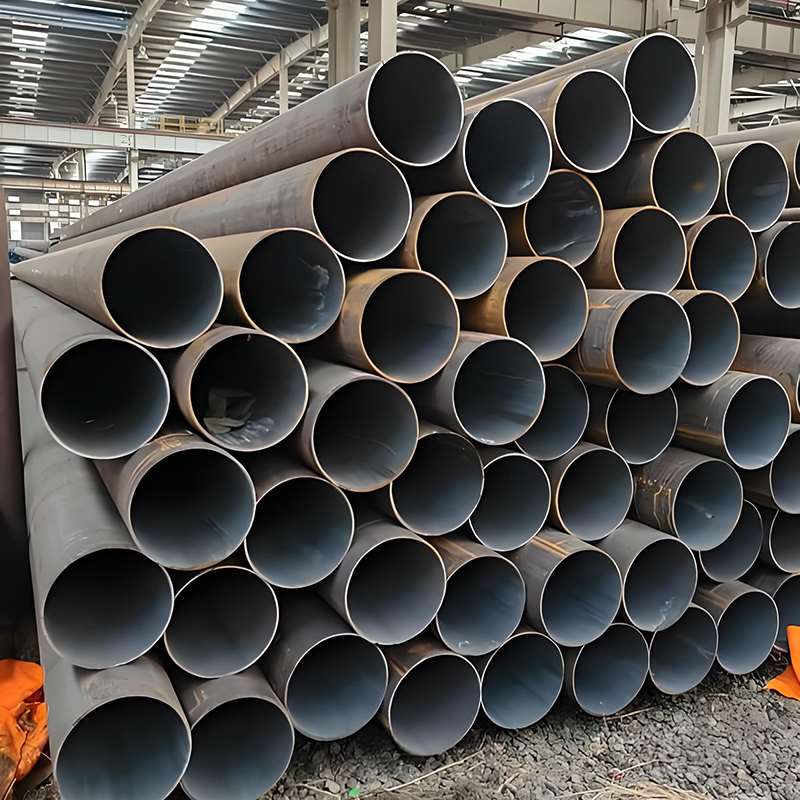
Alloy Steel Low Pressure Boiler Tube

OD Range :

19–219 mm

WT Range :

2.5–10 mm

Length :

5.8–12 m

Tolerance :

Outer Diameter ±0.5 mm, Wall Thickness ±0.3 mm, Length ±50 mm

Material :

12Cr1MoV、15CrMo、10CrMo9-10、P11、P22

Standard :

GB/T 5310-2017, ASTM A335

Surface :

Bright finish, acid-pickled, and rust-inhibiting oiled; can be sandblasted or zinc-plated.

Application :

Low-Pressure Boilers, Hot Water Boilers, Heating Boilers, Industrial Steam Systems

Introduction :

High-strength alloy steel boiler tubes, resistant to both high temperatures and high pressure, are suitable for low-pressure boiler systems, ensuring safe and efficient operation.

I. Introduction to Alloy Steel Low-Pressure Boiler Tubes

The Alloy Steel Low-Pressure Boiler Tube is a high-strength tubular material specifically designed for use in low-pressure boilers and hot water boiler systems. Possessing excellent resistance to high temperatures, pressure, and corrosion, it is capable of withstanding the sustained operating pressures inherent in steam and hot water circulation systems.

Compliant with both domestic GB/T 5310-2017 and international ASTM A335 standards, this product is widely utilized in industrial steam boilers, heating boilers, thermal energy equipment, and related fields, thereby ensuring the safe and efficient operation of boiler systems.

II. Common Materials and Grades for Alloy Steel Low-Pressure Boiler Tubes

Material / GradeFeaturesCommon StandardApplicable Conditions
12CrMoVGood high-temperature strength, resistant to steam corrosionGB/T 5310-2017Low-pressure steam boilers, hot water boilers
15CrMoGood toughness, moderate strengthGB/T 5310-2017Low-pressure hot water boilers
10CrMo9-10High-temperature compression resistance, corrosion-resistantGB/T 5310-2017 / EN 10216-2Medium- to low-pressure boilers, steam
P1International low-pressure carbon steel boiler pipeASTM A335 / EN 10216-2Low-pressure steam and hot water boilers
P5International low-pressure alloy steelASTM A335Low-pressure steam boilers
P11High-temperature, pressure-resistantASTM A335Low-pressure steam and hot water boilers
P22High-temperature, high-pressure, steam-resistantASTM A335High-temperature steam boilers

III.Alloy Steel Low Pressure Boiler Tube Chemical Composition

Material / GradeC (%)Mn (%)Si (%)Cr (%)Mo (%)V (%)P (%)S (%)
12Cr1MoV≤0.120.3–0.60.17–0.370.9–1.20.25–0.350.18–0.25≤0.025≤0.015
15CrMo≤0.150.3–0.60.17–0.370.9–1.20.20–0.30≤0.025≤0.015
10CrMo9-10≤0.100.40–0.700.20–0.358.0–10.00.90–1.20≤0.025≤0.015
P1≤0.20≤1.2≤0.350.3–0.6≤0.025≤0.015
P5≤0.150.3–0.6≤0.350.5–0.80.45–0.65≤0.025≤0.015
P110.10–0.150.30–0.60≤0.350.90–1.400.45–0.65≤0.025≤0.015
P220.10–0.150.30–0.60≤0.351.90–2.600.85–1.10≤0.025≤0.015

IV.Alloy Steel Low Pressure Boiler Tube mechanical properties

Material / GradeYield Strength σy (MPa)Tensile Strength σb (MPa)Elongation δ5 (%)Impact Toughness KV (J)
12Cr1MoV≥210380–510≥20≥35
15CrMo≥205380–510≥22≥35
10CrMo9-10≥205410–550≥20≥35
P1≥205360–510≥22
P5≥205380–510≥22
P11≥205410–550≥20≥35
P22≥205415–560≥18≥35

V. Application Fields of Alloy Steel Low-Pressure Boiler Tubes

  1. Low-Pressure Steam Boilers
    Used in piping systems for industrial and residential low-pressure steam boilers.
    Ensures a stable steam supply and withstands high-temperature, low-pressure operating conditions.
  2. Low-Pressure Hot Water Boilers
    Piping for hot water circulation systems.
    Boilers for industrial heating and residential heat supply.
  3. Industrial Heating Systems
    Hot water or steam piping for factory workshops and HVAC systems.
    Guarantees safe and reliable long-term operation.
  4. Thermal Energy Equipment and Heat Exchange Systems
    Small-scale thermal energy equipment and low-pressure hot water or steam heat exchangers.
    Provides piping solutions capable of withstanding specific pressure and temperature requirements.
  5. Boiler Maintenance and Replacement Piping
    Replacement piping for aging boilers or hot water systems.
    Complies with the original boiler’s standard requirements to ensure safe operation.
  6. Other Low-Pressure Pressure-Bearing Applications
    Conveyance of low-pressure hot water or steam in industrial production, chemical processing, or building heating systems.
    Suitable for non-corrosive media and low-pressure operating environments.

Related Products

Outer Diameter OD (mm) Wall Thickness WT (mm) Standard Length (m) Common Material / Grade
19 2.5–4 5.8 / 6 / 11.8 / 12 12Cr1MoV, P1
25 2.5–5 5.8 / 6 / 11.8 / 12 12Cr1MoV, 15CrMo
32 3–6 5.8 / 6 / 11.8 / 12 15CrMo, 10CrMo9-10
38 3–6 5.8 / 6 / 11.8 / 12 15CrMo, P11
50 3–8 5.8 / 6 / 11.8 / 12 15CrMo, P11
65 4–8 5.8 / 6 / 11.8 / 12 P11, P22
76 4–9 5.8 / 6 / 11.8 / 12 P11, P22
89 4–9 5.8 / 6 / 11.8 / 12 P11, P22
108 5–10 5.8 / 6 / 11.8 / 12 P11, P22
114 5–10 5.8 / 6 / 11.8 / 12 P22
133 5–10 5.8 / 6 / 11.8 / 12 P22
159 6–10 5.8 / 6 / 11.8 / 12 P22
168 6–10 5.8 / 6 / 11.8 / 12 P22
219 6–10 5.8 / 6 / 11.8 / 12 P22


Standard Number Description & Application Selection Reference
GB/T 5310-2017 “Alloy Steel Pipes for Low-Pressure Boilers”, specifies chemical composition, mechanical properties, dimensions, and inspection requirements for low-pressure and hot water boiler pipes Preferred for domestic low-pressure boiler projects, ensures pipe pressure and temperature resistance meet boiler design requirements
GB/T 6479-2018 “Steel Pipes for Hot Water Boilers”, specifically for hot water boiler piping systems Suitable for heating and hot water circulation systems, ensures pressure resistance and corrosion resistance
ASTM A335 Seamless Alloy Steel Pipe for High-Temperature Service, covering low- to medium-pressure boilers, hot water, and steam pipes Commonly used for export or international projects, selection can be based on material grades (P1 / P5 / P11 / P22)
ASME SA335 ASME-certified version of ASTM A335, ensuring pressure and temperature performance Preferred for international boiler engineering projects, facilitates certification and engineering design coordination
EN 10216-2 European standard for boiler and pressure vessel pipes, covering chemical composition, mechanical properties, dimensions, and tolerances For European or export customers, ensures pipe performance meets low-pressure boiler requirements
EN 10204 Inspection and certification standard Provides material certificates (3.1 / 3.2) for export or engineering projects, ensuring material quality and traceability

Production Process:

Steel Billet → Heating → Hot Rolling / Seamless Extrusion → Sizing / Wall Thickness Control → Heat Treatment → Surface Treatment → Inspection → Delivery

Detailed Description

1. Steel Billet
Select alloy steel or carbon steel billets that meet relevant standards to serve as raw materials.

2. Heating
Heat the steel billets to an appropriate temperature (typically 1100–1200°C) in preparation for hot rolling or seamless extrusion.

3. Hot Rolling / Seamless Extrusion
Form the billet into a rough tube shape through hot rolling or seamless extrusion, yielding a tube blank with an outer diameter and wall thickness close to the final product specifications.

4. Sizing / Wall Thickness Control
Employ processes such as piercing, elongating, cold rolling, or cold drawing to bring the tubing to the required design specifications for outer diameter and wall thickness.

5. Heat Treatment
Perform normalizing, tempering, or quenching followed by tempering to enhance the tubing’s strength, toughness, and high-temperature resistance.

6. Surface Treatment
Apply pickling, sandblasting, or anti-rust oil coating; optional galvanizing or polishing treatments are available for certain products to prevent corrosion and facilitate transportation.

7. Inspection
Visual Inspection: Check for a smooth surface free of cracks, pores, or internal looseness.
Dimensional Measurement: Verify outer diameter, wall thickness, length, and tolerances.
Chemical Composition Analysis: Ensure the material composition complies with relevant standards.
Mechanical Property Testing: Evaluate yield strength, tensile strength, elongation, etc.
Pressure or Hydrostatic Testing (Optional): Verify the tubing’s pressure-bearing capacity.

8. Dispatch
Package and label qualified products, then transport them to the customer or designated warehouse.

Inspection Item Inspection Content Technical Requirement / Acceptance Criteria
Visual Inspection Surface finish, free of cracks, pores, looseness, slag inclusions Surface should be smooth and even; minor scratches allowed if they do not affect performance
Dimensional Measurement Outer diameter, wall thickness, length, straightness OD ±0.5 mm, wall thickness ±0.3 mm, length ±50 mm, straightness deviation ≤1 mm/m
Chemical Composition Analysis C, Mn, Si, Cr, Mo, V, P, S, etc. Controlled according to material grade, e.g., 12Cr1MoV: C≤0.12%, Cr≈1%, Mo≈0.3%, V≈0.2%, P≤0.025%, S≤0.015%
Mechanical Properties Test Yield strength, tensile strength, elongation, impact toughness Controlled according to material grade, e.g., P11: Yield ≥205 MPa, Tensile 410–550 MPa, Elongation ≥20%, Impact toughness KV ≥35 J
Hydrostatic / Pneumatic Test Internal pressure resistance Conduct water or air pressure test at the design pressure specified by the standard; no leakage or rupture allowed
Magnetic Particle / Ultrasonic Testing Detection of internal and external defects No cracks, delamination, pores, or severe slag inclusions allowed
Surface Corrosion Protection Inspection Anti-rust oil coating, pickling effect Surface should be uniform, free of rust spots, and coating properly applied

Supplementary Notes:
The inspection procedures comply with standards GB/T 5310-2017, ASTM A335, and EN 10216-2.
Prior to shipment, all tubing undergoes comprehensive testing—covering chemical composition, mechanical properties, dimensional accuracy, and pressure resistance—to ensure safety and reliability.
Material Certificates (3.1/3.2) can be provided upon customer request to guarantee full material traceability.

Q1: How do I select the appropriate material based on boiler pressure and temperature?

Answer:
For small-diameter, low-pressure hot water boilers, 12Cr1MoV and 15CrMo are commonly used.
For medium-to-large-scale, low-pressure steam boilers, P11 and P22 are recommended.
Key reference parameters include: operating pressure, operating temperature, and the type of medium; these factors ensure that the material’s yield strength and thermal resistance meet the specific requirements of the boiler design.

Q2: Do the chemical compositions and mechanical properties of different materials vary significantly?

Answer:
The primary differences between various materials lie in their content of Carbon (C), Chromium (Cr), Molybdenum (Mo), and Vanadium (V), which directly influence their resistance to pressure, high temperatures, and corrosion.
Mechanical properties—such as yield strength, tensile strength, and elongation—also differ; for instance, the capacity of P22 to withstand high temperatures and high pressures is significantly superior to that of 12Cr1MoV.
When selecting materials, it is essential to take a comprehensive approach that considers the specific operating conditions, pipe diameter, and wall thickness.

Q3: Can the pipe length and wall thickness be customized?

Answer:
Yes. Standard lengths are typically 5.8–6 meters or 11.8–12 meters, but these can be customized to meet the specific installation requirements of the boiler project.
Wall thicknesses range from 2.5 mm to 10 mm, allowing for the selection of an appropriate thickness based on the required pressure rating and pipe diameter.
Customization ensures ease of installation during the engineering phase and helps minimize material waste caused by cutting.

Q4: How do you ensure the reliable quality of the boiler tubes?

Answer:
All tubes undergo comprehensive testing, including chemical composition analysis, mechanical property testing, dimensional inspection, and pressure testing.
Material certificates (EN 10204 3.1 / 3.2) are provided to guarantee full traceability.
Production strictly adheres to standards such as GB/T 5310-2017, ASTM A335, and EN 10216-2.

Q5: What are the suitable applications for low-pressure alloy steel boiler tubes?

Answer:
Low-pressure steam boilers, hot water boilers, heating systems, industrial thermal energy equipment, and boiler maintenance/replacement projects.
They are suitable for use in new construction, renovation, or repair projects, ensuring long-term safety, pressure resistance, and corrosion resistance.

Q6: What protective and packaging measures are implemented prior to shipment?

Answer:
The tube surfaces undergo pickling, anti-rust oil coating, or sandblasting treatments to prevent corrosion during transit.
Packaging options include steel strapping, wooden crates, or anti-rust film wrapping, all designed to withstand long-distance transportation.
During transport and storage, care is taken to avoid bending or impact damage, ensuring the tubes remain in pristine condition prior to installation.