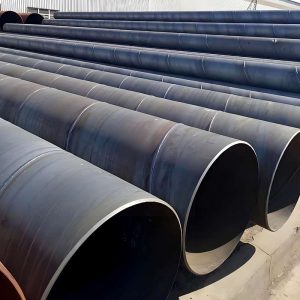
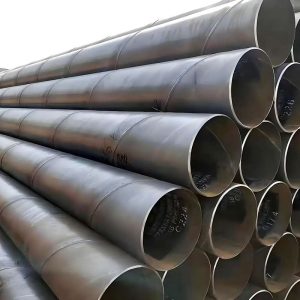
I. Overview of ASTM A178 Boiler Tubes
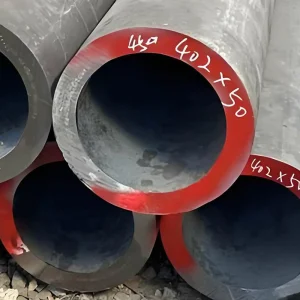
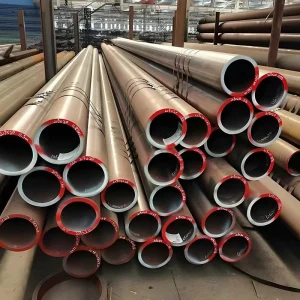
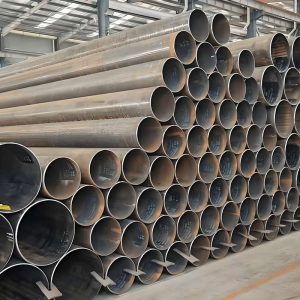
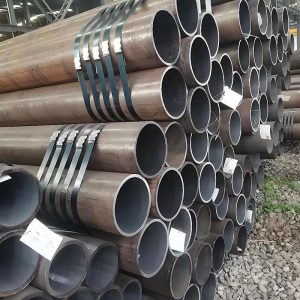
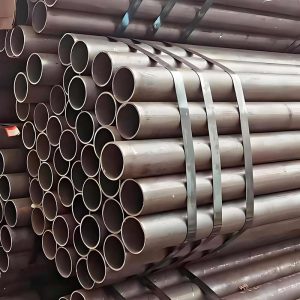
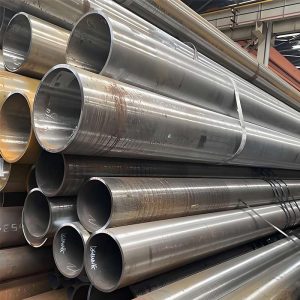
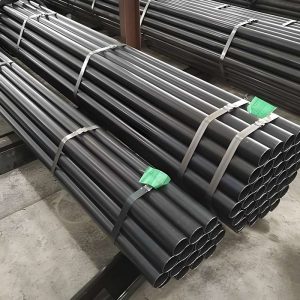
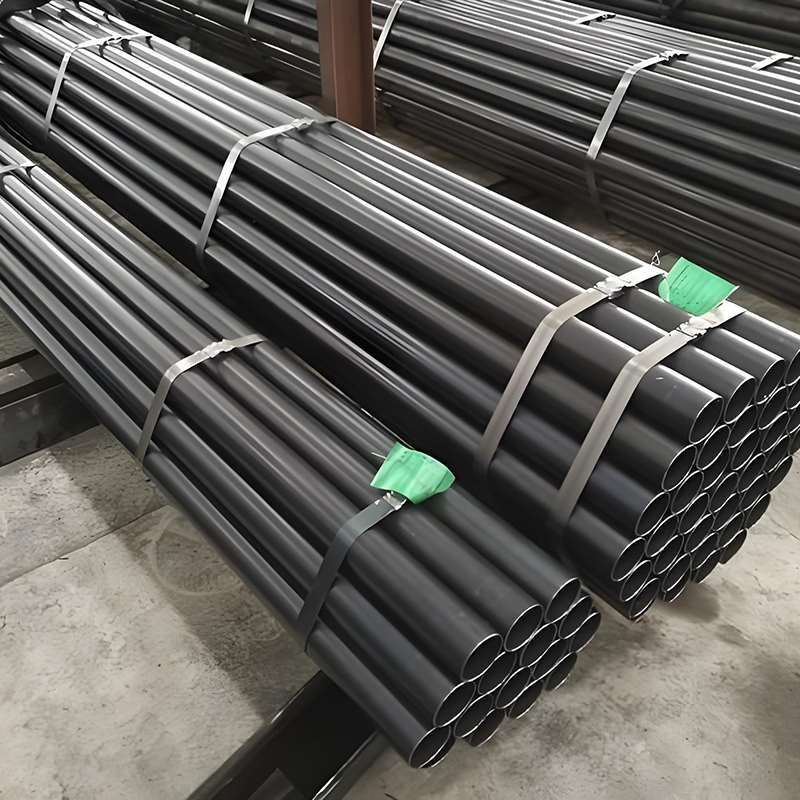
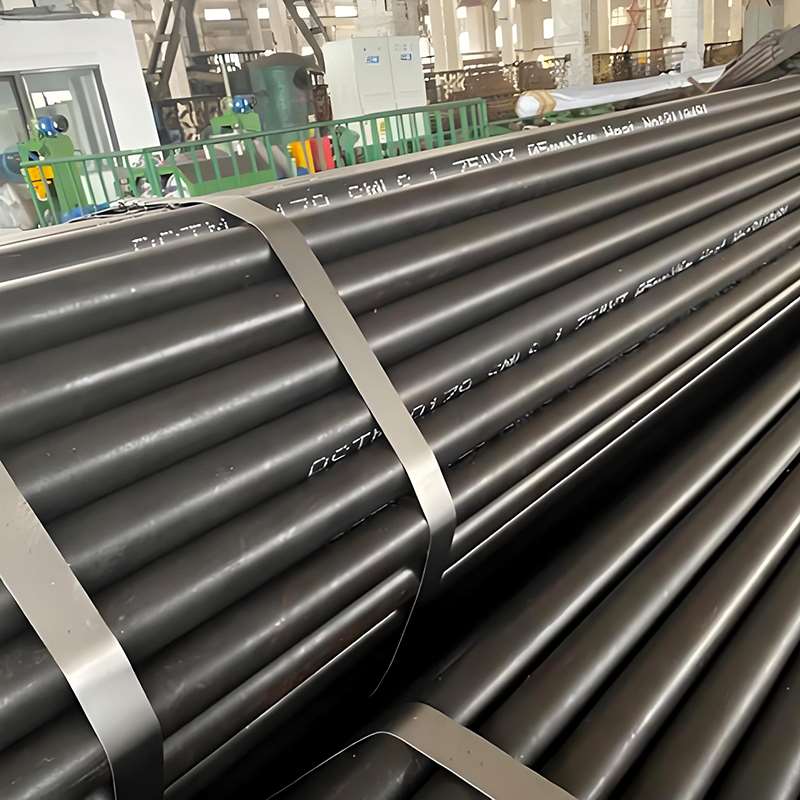
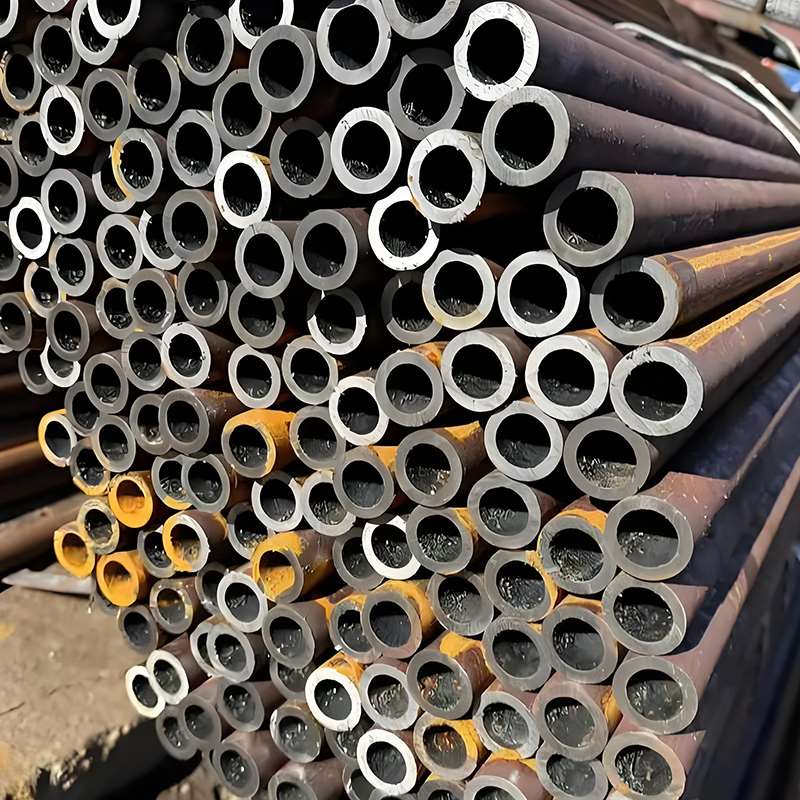
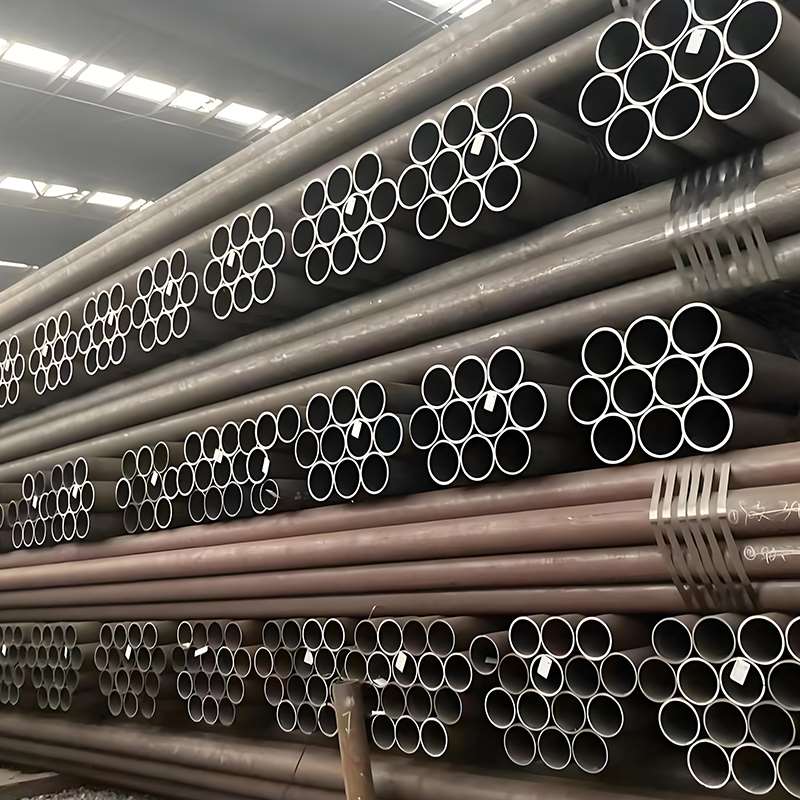
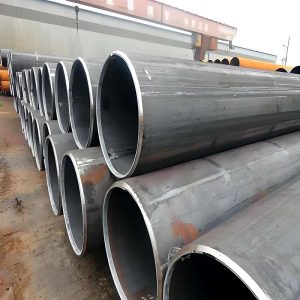
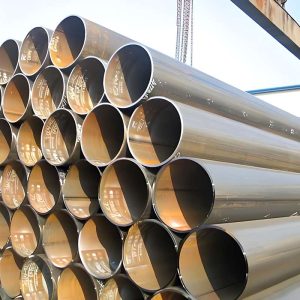
ASTM A178 boiler tubes are electric resistance welded (ERW) carbon steel boiler tubes manufactured according to ASTM A178/A178M (ASME SA178/SA178M) standards.
They are primarily used in low-pressure boilers and heat exchange equipment and are widely applied in the chemical, power generation, shipbuilding, and pressure vessel industries.
II. Grades and Differences of ASTM A178 Boiler Tubes
| Grade | Chemical Composition Characteristics | Mechanical Properties / Features | Typical Applications |
|---|---|---|---|
| Grade A | Low-carbon steel with low carbon content, offering good formability | Moderate strength, good ductility, and excellent weldability | Low-pressure boilers and general heat exchanger piping |
| Grade C | Medium-carbon steel with slightly higher carbon content, providing increased strength | Higher strength than Grade A with good pressure resistance | Medium- to low-pressure boilers, heat exchangers, and pressure equipment |
| Grade D | Carbon–manganese steel with higher carbon and manganese content, offering improved strength and wear resistance | Highest strength, excellent pressure resistance, and superior wear performance | High-temperature and high-pressure boilers, heated surface tubes, and critical pressure pipelines |
Description:
- Grade A: Suitable for general low-pressure boilers and heat exchange systems, offering good cost-effectiveness.
- Grade C: Higher strength than Grade A, suitable for medium-low pressure conditions and heat exchange equipment with slightly higher requirements.
- Grade D: The highest strength grade, suitable for more demanding pressure and temperature conditions, mainly used for boiler heating surfaces or critical pressure pipelines.
III. ASTM A178 Boiler Tube Chemical Composition and Mechanical Properties
i. Chemical Composition
| Grade | C (Carbon) | Mn (Manganese) | P (Phosphorus) | S (Sulfur) | Si (Silicon) |
|---|---|---|---|---|---|
| Grade A | 0.15–0.25 | 0.27–0.63 | ≤ 0.035 | ≤ 0.035 | ≤ 0.15 |
| Grade C | 0.27–0.34 | 0.27–0.63 | ≤ 0.035 | ≤ 0.035 | ≤ 0.15 |
| Grade D | 0.37–0.44 | 0.27–0.63 | ≤ 0.035 | ≤ 0.035 | ≤ 0.15 |
Note: The upper and lower limits for each element are based on the ASTM A178 standard and may vary slightly depending on the actual materials used by the manufacturer.
ii. Mechanical properties
| Grade | Yield Strength σy (MPa) | Tensile Strength σu (MPa) | Elongation δ (%) | Impact Toughness (Optional) |
|---|---|---|---|---|
| Grade A | ≥ 205 | 345–483 | ≥ 30 | Optional |
| Grade C | ≥ 235 | 415–550 | ≥ 25 | Optional |
| Grade D | ≥ 270 | 485–620 | ≥ 20 | Optional |
Note: Elongation and impact toughness are typical requirements and may be slightly adjusted depending on the pipe diameter and wall thickness.
IV. Selection Recommendations for ASTM A178 Boiler Tubes
| Selection Factor | Recommendation / Description |
|---|---|
| Boiler Operating Pressure | Low-pressure boilers (≤ 1.0 MPa): Grade A ERW carbon steel pipes are recommended Low to medium pressure boilers (1–2.5 MPa): Grade C is suitable High-pressure or critical heated pipelines (> 2.5 MPa): Grade D is recommended |
| Operating Temperature | General boilers and heat exchangers ≤ 200 °C: Grade A is sufficient Higher temperatures or continuous heating conditions: Grade C or Grade D is recommended |
| Pipe Diameter Selection | Available outside diameter range: 12.7–127 mm Small-diameter pipes (< 50 mm) are typically used for branch lines or heat exchangers Large-diameter pipes (> 50 mm) are used for main circulation pipes or heated surfaces |
| Wall Thickness Selection | Calculate required wall thickness based on operating pressure and pipe diameter Standard wall thickness range: 0.9–9.1 mm; custom thicknesses available upon engineering requirements |
| Material Grade | Grade A: Cost-effective, suitable for low-pressure boilers Grade C: Moderate strength, suitable for low to medium pressure piping Grade D: Highest strength, used for critical pressure pipelines or heated surface tubes |
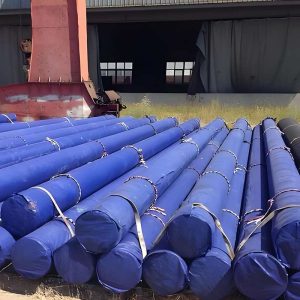
| Corrosive Service Conditions | For general water quality, standard carbon steel is acceptable For more corrosive media, protective coatings or galvanized treatment are recommended |
| Installation Method | ERW pipes are easy to weld and suitable for straight pipelines or elbow connections Lengths can be customized to facilitate on-site installation |
Selection Principles Summary
- Pressure Priority: Determine the grade (Grade A/C/D) based on the maximum working pressure of the boiler.
- Temperature Matching: Select the appropriate material grade based on the operating temperature.
- Size Matching: Determine the pipe diameter and wall thickness according to the design flow rate and pressure requirements.
- Economy and Fabricability: For low-pressure pipelines, choose Grade A whenever possible for lower cost and easier construction.
- Special Operating Conditions: For corrosive, abrasive, or high-temperature conditions, select a higher grade or apply protective treatment.