Products

Related News

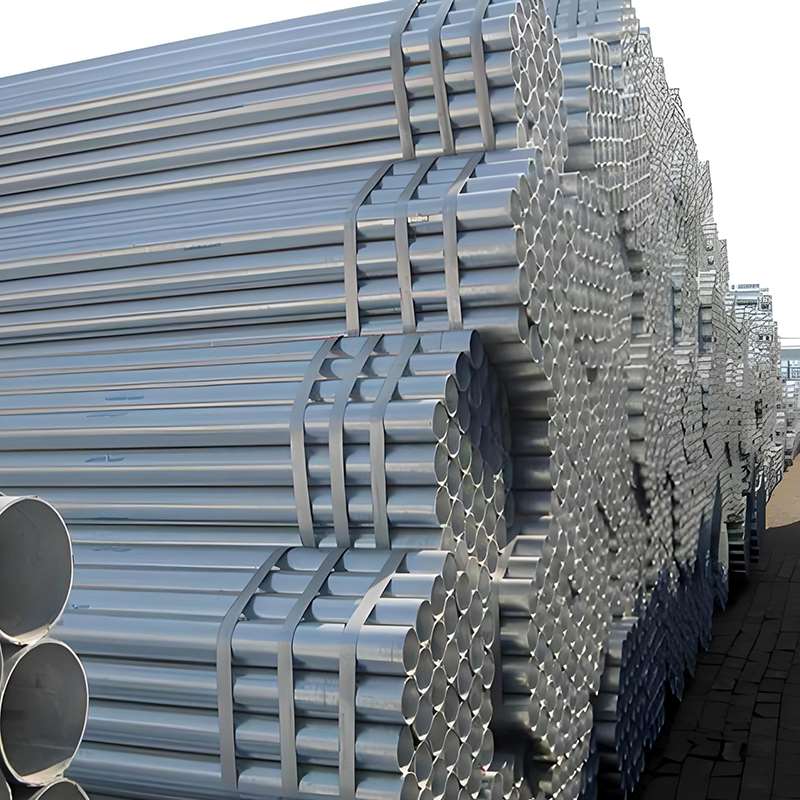
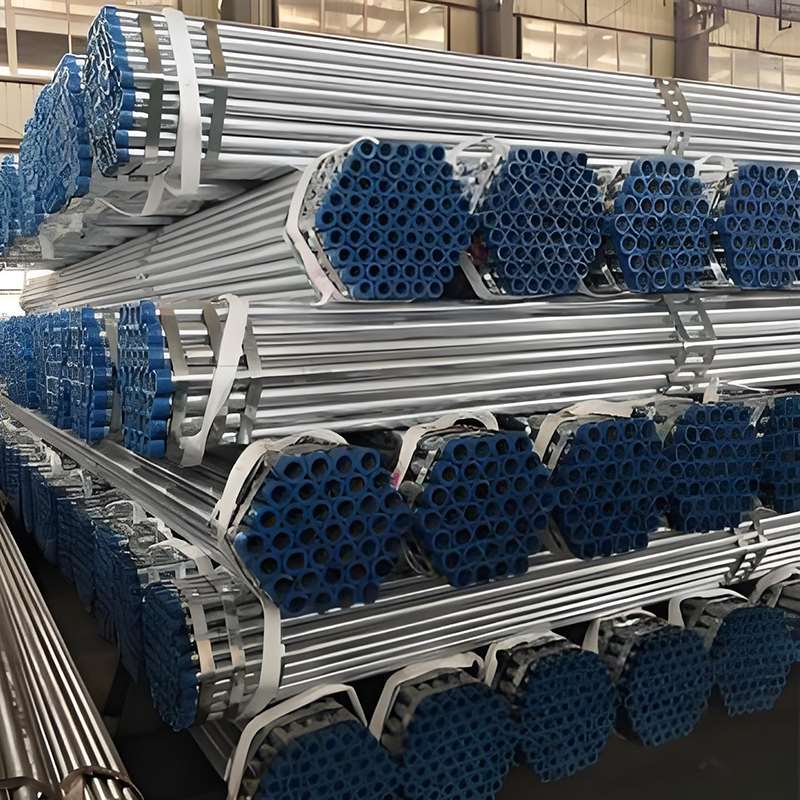
BS 1387 Galvanized Steel Pipe

OD Range :

15 – 219 mm

WT Range :

1.2 – 12.5 mm

Length :

6 m / 12 m

Tolerance :

Outside diameter ±0.8%, wall thickness ±12.5%, length ±10 mm

Material :

Carbon steel: ST37 / ST44 / ST52; Low-alloy steel: 16Mo3 / 13CrMo44

Standard :

BS 1387:1985(British Standard Pipe)

Surface :

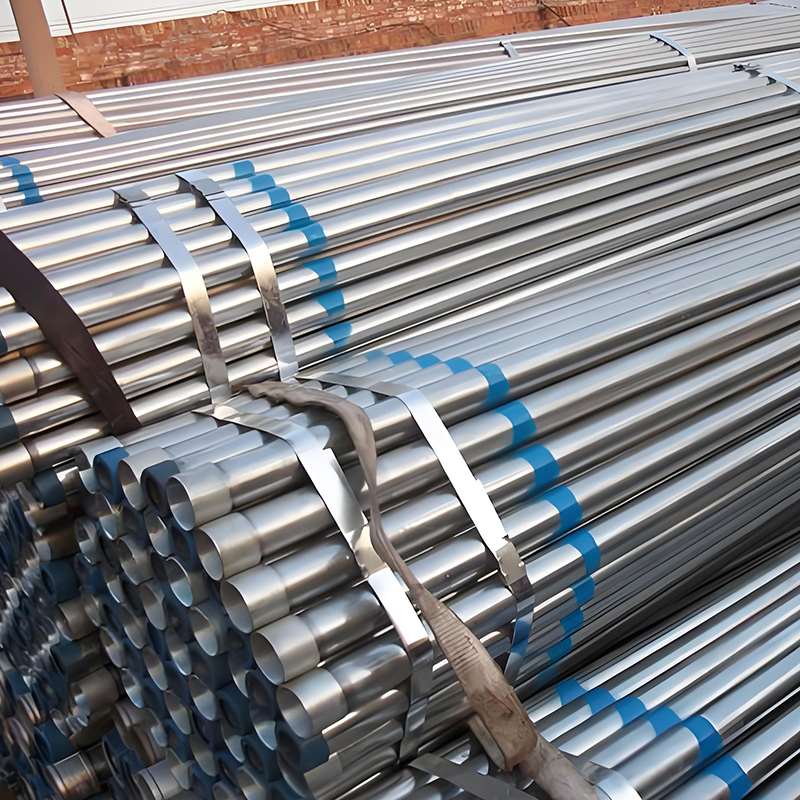
Hot-dip galvanizing (GI), with optional painting, rust-inhibiting oil, and anti-corrosion coating.

Application :

Water supply pipes, gas pipelines, compressed air systems, mechanical structures, building supports

I. Overview of BS 1387 Galvanized Steel Pipes

BS 1387 is a British standard specifically regulating the dimensions, wall thickness, tolerances, and mechanical properties of galvanized welded steel pipes. This standard is widely used in water supply pipelines, gas pipelines, compressed air systems, and building structural supports.

Main Features:

  • Manufacturing Process: Uses ERW high-frequency welding (small diameter) or SAW submerged arc welding (large diameter) to ensure weld quality.
  • Outer Diameter and Wall Thickness: Standard outer diameters of 15 – 219 mm, wall thickness of 1.2 – 12.5 mm (light/medium/heavy).
  • Surface Treatment: Hot-dip galvanizing (GI), with optional painting, rust-proof oil, or anti-corrosion coating to ensure long-term corrosion resistance.
  • Tolerances and Quality: Outer diameter ±0.8%, wall thickness ±12.5%, length ±10 mm; material certificates (MTC) are provided, meeting the mechanical performance requirements of the steel grade.
  • Application Areas: Industrial water supply, gas, air transportation, building supports, and mechanical structure installation; simple and reliable construction.

Advantages:

  • Corrosion resistant, long service life
  • Standardized dimensions, facilitating engineering design and installation
  • Multiple wall thicknesses and lengths available to meet different working conditions

II. Common Steel Grades and Materials for BS 1387 Galvanized Steel Pipes

Common Steel GradeMaterial DescriptionTypical Applications
ST37 / S235Ordinary carbon structural steel, low carbon, moderate strengthSuitable for general water, gas, and air pipelines, as well as light structural applications
ST44 / S275Medium carbon structural steel, higher strengthMedium-pressure pipelines, general machinery structures, and supports
ST52 / S355High-strength low-alloy steelHigh-pressure pipelines, building structures, and heavy machinery frameworks
16Mo3Low-alloy carbon steel with molybdenumHigh-temperature medium-pressure fluid transport, such as steam, water, and air
13CrMo44Low-alloy chromium-molybdenum steelHigh-temperature, high-pressure pipelines, chemical and industrial boiler systems

III. Chemical Composition and Mechanical Properties of BS 1387 Galvanized Steel Pipes

i. Chemical Composition (Common Steel Grades)

Steel GradeC Carbon (%)Mn Manganese (%)P Phosphorus (%)S Sulfur (%)Others
ST37≤ 0.170.30 – 0.60≤ 0.045≤ 0.045
ST44≤ 0.200.30 – 0.80≤ 0.045≤ 0.045
ST52≤ 0.220.70 – 1.20≤ 0.035≤ 0.035
16Mo3 (Low Alloy Steel)0.12 – 0.200.30 – 0.60≤ 0.035≤ 0.035Mo 0.25 – 0.35
13CrMo44 (Low Alloy Steel)0.08 – 0.150.40 – 0.70≤ 0.035≤ 0.035Cr 0.80 – 1.10, Mo 0.25 – 0.35

ii. Mechanical properties

Steel GradeYield Strength Re (MPa)Tensile Strength Rm (MPa)Elongation A (%)Impact Toughness KV (J)
ST37≥ 235360–500≥ 22≥ 27 (20℃)
ST44≥ 275410–560≥ 20≥ 27 (20℃)
ST52≥ 355490–630≥ 18≥ 27 (20℃)
16Mo3≥ 280360–500≥ 20≥ 40 (20℃)
13CrMo44≥ 300400–550≥ 20≥ 40 (20℃)

IV. BS 1387 Galvanized Steel Pipe Selection and Procurement Recommendations

  1. Determine Application and Operating Conditions
  • Water supply pipelines: Lightweight or medium-weight ST37/ST44 galvanized pipes are sufficient.
  • Gas pipelines, compressed air systems: Medium-weight or heavy-weight ST44/ST52 galvanized pipes are recommended.
  • High-temperature and high-pressure fluids: Choose low-alloy steel 16Mo3 or 13CrMo44.
  • Outdoor or corrosive environments: Hot-dip galvanized (GI) or additional anti-corrosion coating is mandatory.
  1. Select the Appropriate Specifications
  • Outer diameter: Choose 15–219 mm based on flow rate and installation requirements.
  • Wall thickness: Lightweight 1.2–3.2 mm, medium-weight 3.25–6.3 mm, heavy-weight 6.5–12.5 mm.
  • Small-diameter pipes are usually ERW welded, while large-diameter pipes can use SAW submerged arc welding.
  1. Material and Steel Grade Selection
  • Confirm pressure capacity and operating temperature, and select the appropriate steel grade.
  • Provide material certificates (MTC) to ensure that the steel pipes meet standard requirements.
  1. Surface Treatment
  • Indoor: Rust-preventive oil is sufficient.
  • Outdoor: Hot-dip galvanizing, painting, or anti-corrosion coating.
  • Surface treatment directly affects the service life of the pipes.
  1. Suppliers and Quality Assurance
  • Select qualified suppliers to ensure the steel pipes comply with BS 1387 standard.
  • Testing items include dimensions, wall thickness, mechanical properties, non-destructive testing of welds, and chemical composition.
  • Pressure testing or special anti-corrosion testing can be added according to project requirements.
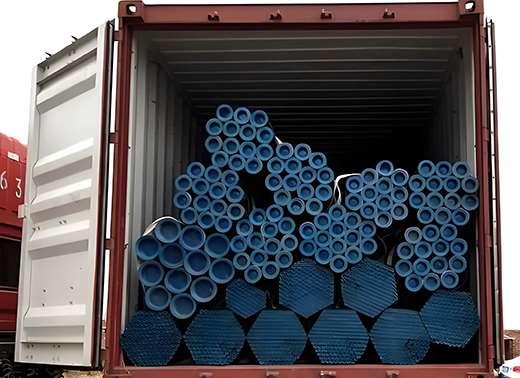
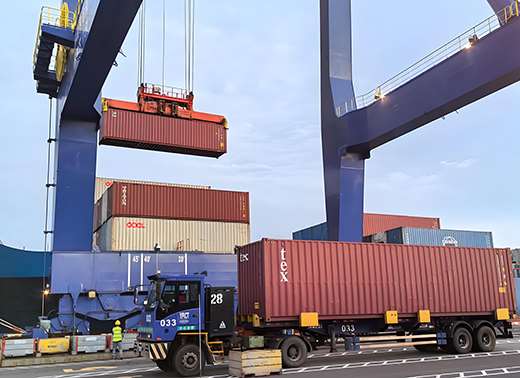
  1. Packaging and Transportation
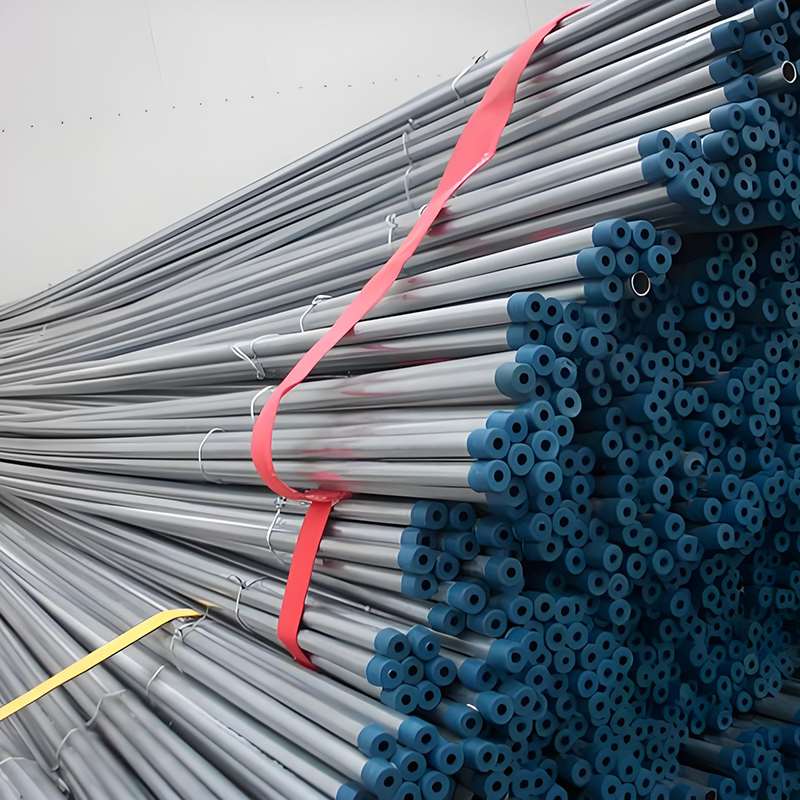
  • Bundling, palletizing, or protective corners to prevent damage.
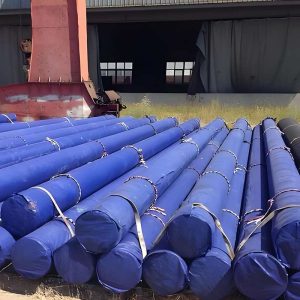
  • Waterproof and rustproof packaging; customized packaging or special transportation methods can be arranged if necessary.
Related Products

BS 1387 Galvanized Steel Pipe Specifications and Dimensions Table

Outside Diameter OD (mm) Wall Thickness WT (mm) Theoretical Weight (kg/m) Length (m) Tolerance
15 1.2 / 1.6 / 2.0 / 2.5 0.47 / 0.61 / 0.76 / 0.94 6 / 12 OD ±0.8%, WT ±12.5%, Length ±10 mm
20 1.5 / 2.0 / 2.5 / 3.0 0.79 / 1.04 / 1.29 / 1.55 6 / 12 Same as above
25 1.5 / 2.0 / 2.5 / 3.2 0.99 / 1.32 / 1.64 / 2.11 6 / 12 Same as above
32 1.5 / 2.0 / 2.5 / 3.2 1.27 / 1.70 / 2.12 / 2.71 6 / 12 Same as above
40 1.5 / 2.0 / 2.5 / 3.2 / 4.0 1.59 / 2.11 / 2.63 / 3.35 / 4.18 6 / 12 Same as above
50 2.0 / 2.5 / 3.0 / 4.0 / 5.0 2.06 / 2.57 / 3.09 / 4.11 / 5.13 6 / 12 Same as above
65 2.0 / 2.5 / 3.2 / 4.0 / 5.0 2.66 / 3.32 / 4.23 / 5.26 / 6.57 6 / 12 Same as above
80 2.5 / 3.2 / 4.0 / 5.0 / 6.0 3.64 / 4.58 / 5.72 / 7.14 / 8.55 6 / 12 Same as above
100 3.0 / 4.0 / 5.0 / 6.0 / 8.0 5.29 / 6.99 / 8.63 / 10.3 / 13.6 6 / 12 Same as above
125 3.2 / 4.0 / 5.0 / 6.0 / 8.0 6.73 / 8.43 / 10.6 / 12.8 / 17.0 6 / 12 Same as above
150 4.0 / 5.0 / 6.0 / 8.0 / 10.0 9.06 / 11.3 / 13.6 / 18.1 / 22.5 6 / 12 Same as above
200 4.0 / 5.0 / 6.0 / 8.0 / 10.0 12.1 / 15.0 / 18.0 / 23.7 / 29.4 6 / 12 Same as above
219 4.0 / 5.0 / 6.0 / 8.0 / 10.0 / 12.0 13.3 / 16.6 / 19.9 / 26.0 / 32.3 / 38.6 6 / 12 Same as above


BS 1387 Galvanized Steel Pipe Standard Introduction

BS 1387 is a British standard that primarily specifies the dimensions, wall thickness, mechanical properties, and surface quality of galvanized welded steel pipes. This standard is widely used in applications such as water supply, gas, air transportation, and building support structures.

Contents of the Standard

Item Description
Standard BS 1387:1985 (British Standard Specification for Steel Tubes)
Scope Hot-dip galvanized or black welded steel tubes, OD 15–219 mm, WT 1.2–12.5 mm
Manufacturing Process ERW (High-Frequency Welded) for small diameters, SAW (Submerged Arc Welded) for large diameters
Steel Grade / Material Carbon Steel: ST37 / ST44 / ST52; Low Alloy Steel: 16Mo3 / 13CrMo44
Dimensions & Tolerances OD ±0.8%, WT ±12.5%, Length ±10 mm
Surface Treatment Hot-dip galvanization (GI); optional anti-rust oil or protective coating
Inspection Requirements Visual inspection, dimensional check, weld NDT, mechanical testing, chemical composition analysis
Typical Applications Water supply pipelines, gas pipelines, air transport, structural supports, machinery installations

Standard Features:
Strong standardization ensures pipe dimensions, strength, and corrosion resistance.
Offers a variety of wall thicknesses and steel grades to meet different pressure and temperature conditions.
Hot-dip galvanized surface treatment extends service life.
Suitable for medium and low-pressure pipelines and general structural engineering.

BS 1387 Galvanized Steel Pipe Manufacturing Process Flow

Raw Material Inspection → Leveling and Uncoiling → Cold Bending and Forming → Welding (ERW/SAW) → Weld Seam Correction and Stress Relief → Straightening and Cutting to Length → Dimensional and Mechanical Testing → Surface Galvanizing/Corrosion Protection → Packaging and Shipping


BS 1387 Standard for Testing Galvanized Steel Pipes

Inspection Item Content & Requirements
Visual Inspection Tube surface should be smooth, free of obvious cracks, bumps, dents, weld spatter, or rust spots; galvanized layer should be uniform and well-adhered
Dimensions & Tolerances OD: ±0.8%, WT: ±12.5%, Length: ±10 mm; ensures tubes meet standard size range
Weld Inspection ERW/SAW welds must be free of cracks, lack of fusion, porosity, or other defects; can be checked using Ultrasonic Testing (UT) or Radiographic Testing (RT)
Chemical Composition Testing Analyze C, Mn, P, S, and alloying elements to ensure compliance with steel grades (ST37/ST44/ST52/16Mo3/13CrMo44)
Mechanical Properties Testing Yield strength, tensile strength, elongation, and impact toughness must meet steel grade standards; room temperature or low-temperature impact tests can be performed per customer requirements
Pressure Testing (Optional) For high-pressure or gas pipelines, hydrostatic or pneumatic tests can be conducted to ensure no leakage or rupture under working pressure
Galvanized Coating Testing Hot-dip galvanized layer thickness generally 45–70 μm (depending on wall thickness); uniformity and adhesion can be checked using thickness gauges or chemical testing


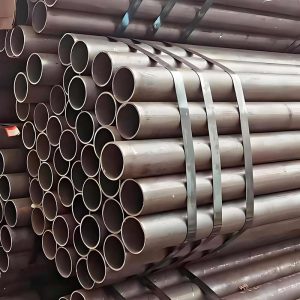
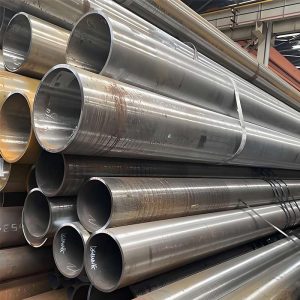
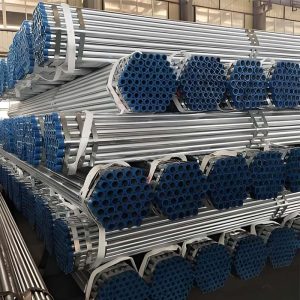
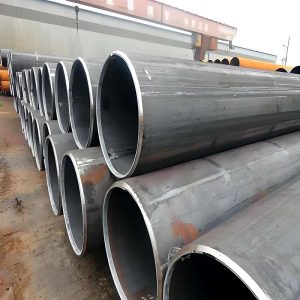
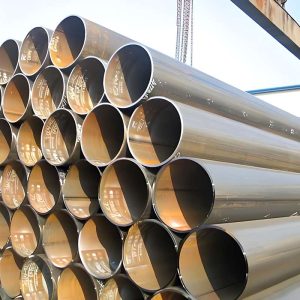
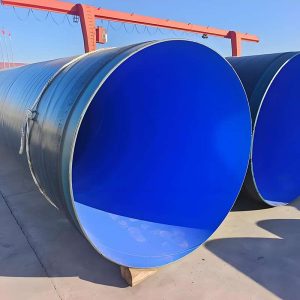
BS 1387 GI pipe in various diameters and wall thicknesses

BS 1387 Galvanized Steel Pipe Common FAQ

Q1: What are the standard outer diameter and wall thickness ranges for BS 1387 galvanized steel pipes?

A1:
The outer diameter ranges from 15–219 mm, and the wall thickness ranges from 1.2–12.5 mm (light type 1.2–3.2 mm, medium type 3.25–6.3 mm, heavy type 6.5–12.5 mm). The standard length is 6 meters or 12 meters, and custom lengths are available.

Q2: What are the common steel grades for BS 1387 galvanized pipes? How to choose?

A2:
Common steel grades include ST37/ST44/ST52 carbon steel, and low-alloy steel 16Mo3/13CrMo44. The choice should be based on working pressure, temperature, and fluid type: ST37 is suitable for indoor water supply, ST52 is suitable for medium and high pressure or structural support, and low-alloy steel is recommended for high-temperature and high-pressure fluids.

Q3: What is the difference between galvanized pipes and ordinary welded pipes?

A3:
Galvanized pipes have a hot-dip galvanized surface treatment, which provides strong corrosion resistance and can be used indoors and outdoors for a long time; ordinary black pipes are not galvanized, are prone to rust, and are more suitable for dry indoor environments or for subsequent application of anti-corrosion coatings.

Q4: What media are suitable for BS 1387 galvanized pipes?

A4:
They are widely used for water supply, gas, air, steam, hydraulic fluids, etc. Low-alloy steel pipes can transport high-temperature and high-pressure steam or chemical fluids; working conditions and parameters must be confirmed before selection.

Q5: How is the quality of BS 1387 galvanized pipes ensured? What are the testing standards?

A5:
Testing includes appearance, dimensions, wall thickness, non-destructive testing of welds (UT/RT), mechanical property testing (yield strength, tensile strength, elongation, impact toughness), and chemical composition analysis. Galvanized layer thickness and adhesion are also tested.

Q6: What precautions should be taken during the transportation and storage of BS 1387 galvanized pipes?

A6:
Pipes should be neatly bundled or placed on pallets, protected from bumps, water, and rust; when stored outdoors, it is recommended to cover them with waterproof tarpaulins; avoid heavy pressure or friction during transportation, and customized packaging can be used if necessary.