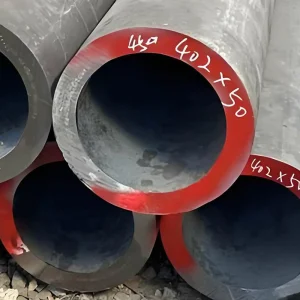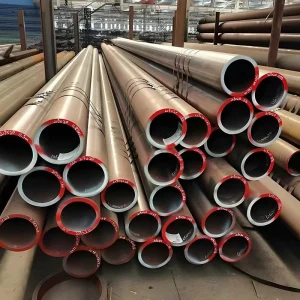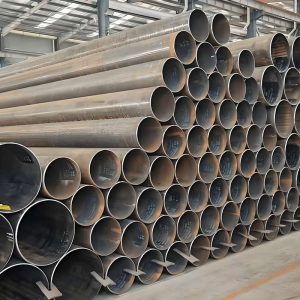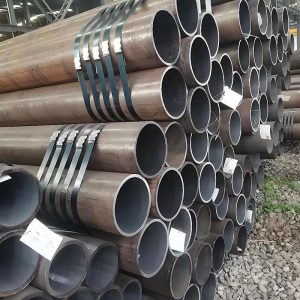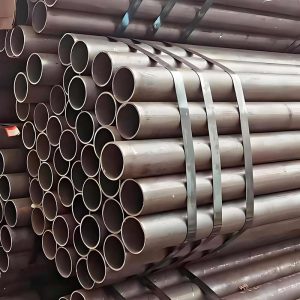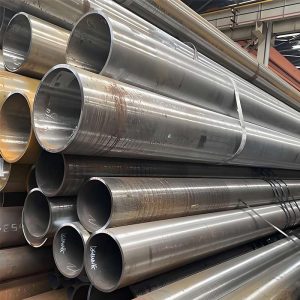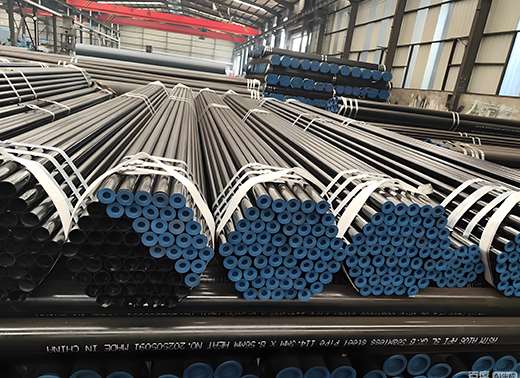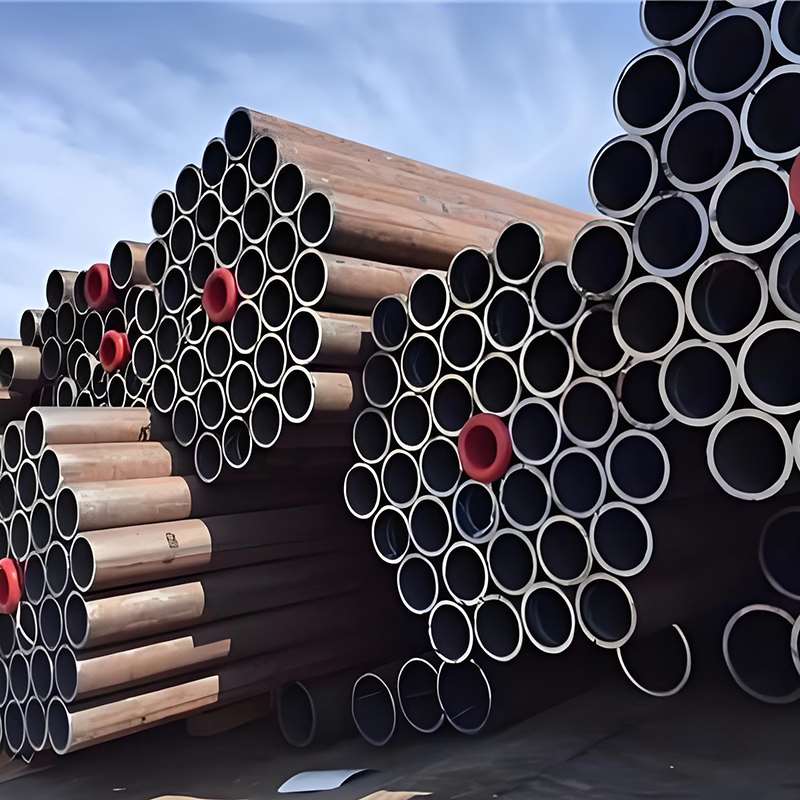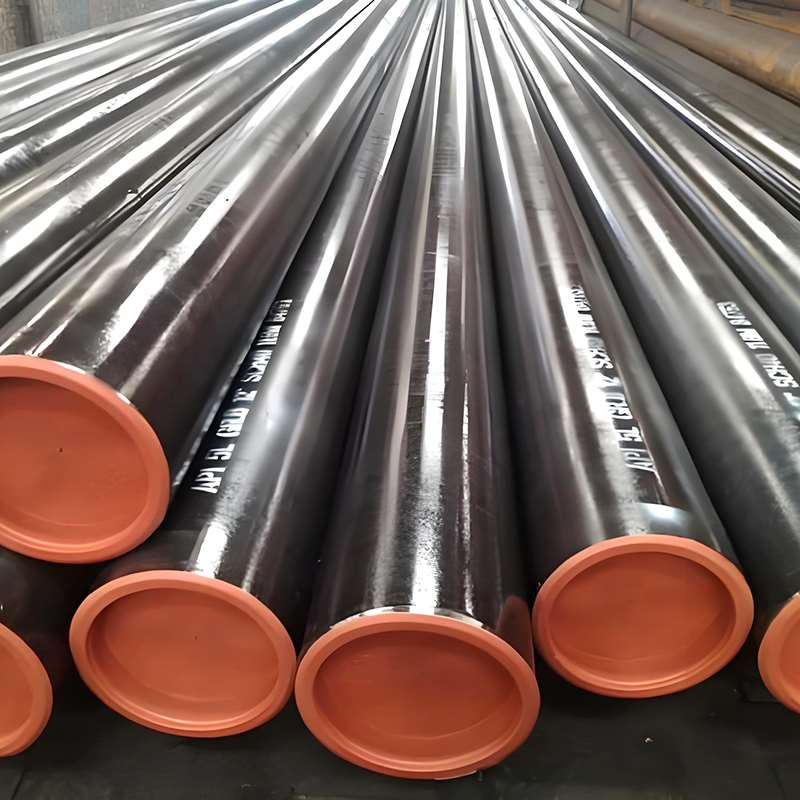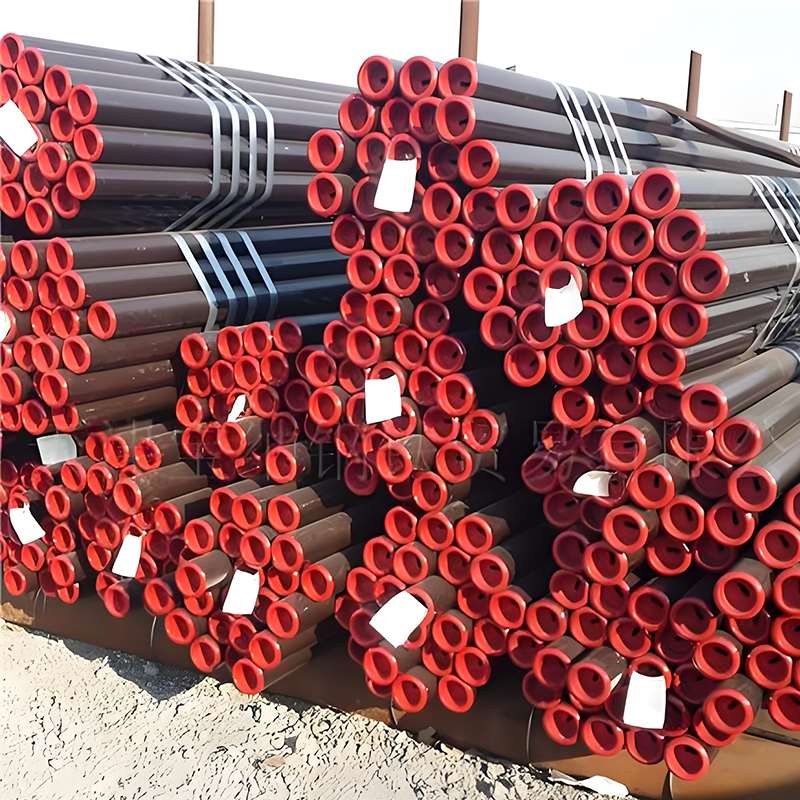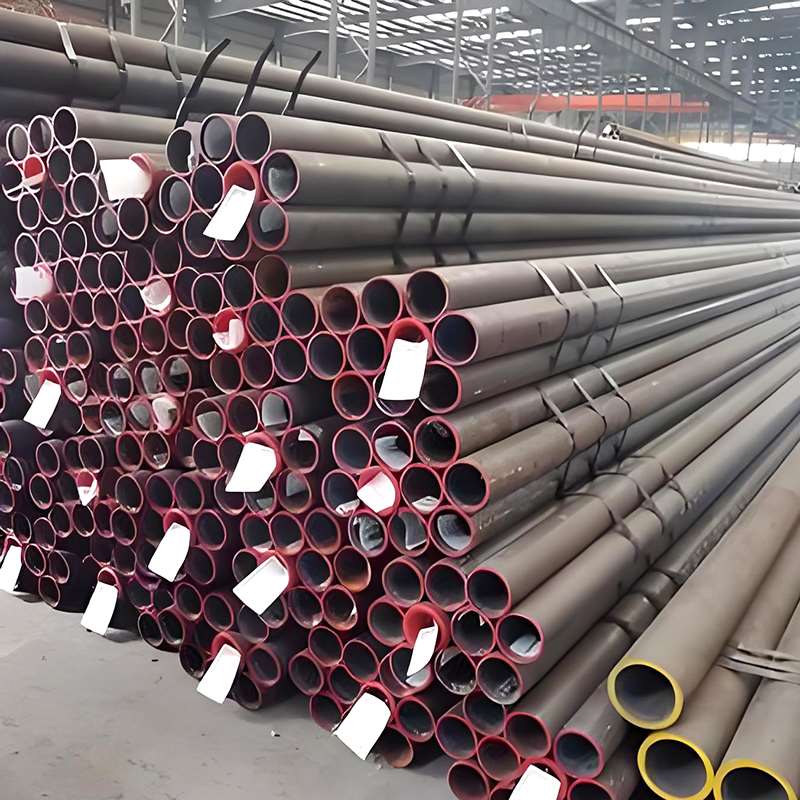
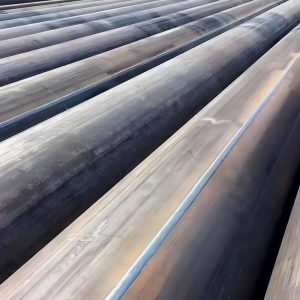
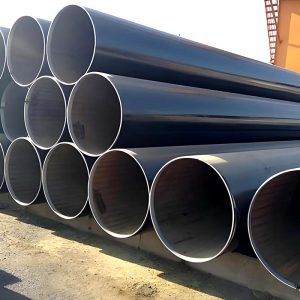
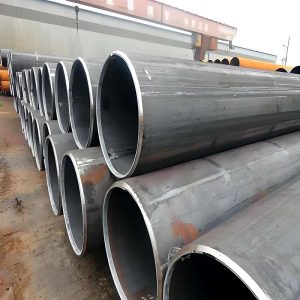
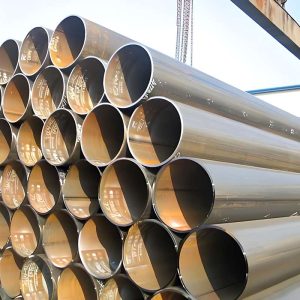
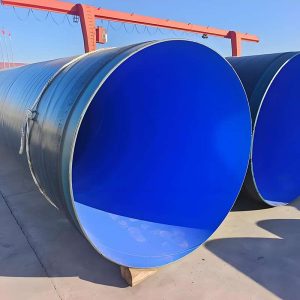
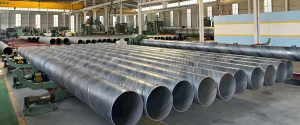
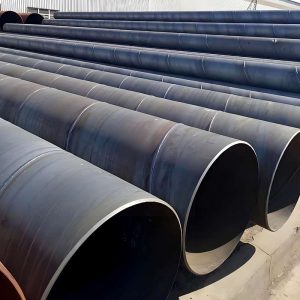
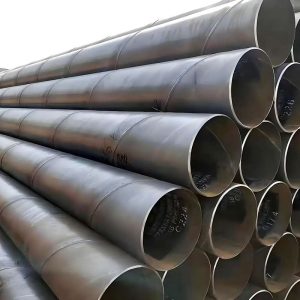
API 5L line pipe is one of the most commonly used steel pipes in oil, natural gas, and water transmission pipelines, widely applied in pipeline network construction due to its high strength, pressure resistance, and reliability.
This article will provide practical guidance on specifications, standards, application scenarios, and selection considerations to help you make the best decisions in your engineering or procurement projects.
I. Introduction to API 5L Line Pipe
API 5L line pipe is a steel pipe designed according to the American Petroleum Institute (API) standards for transporting fluid media such as oil, natural gas, and water.
Its main features include:
High-strength steel, capable of withstanding high pressure
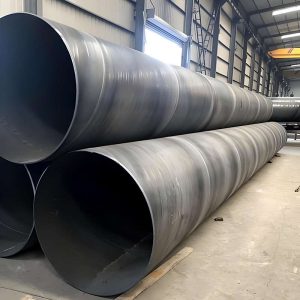
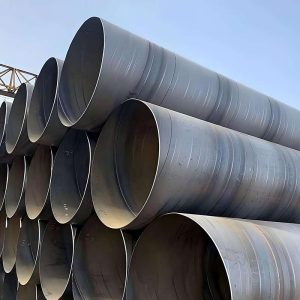
Available in both seamless and welded types (including LSAW and SSAW)
A full range of material grades to meet different pressure and environmental requirements
Combines corrosion resistance with long-term reliability
II. Differences in API 5L Pipeline Steel Grades
| Steel Grade | Yield Strength (MPa) | Tensile Strength (MPa) | Applicable Pressure Rating | Characteristics & Typical Applications |
|---|---|---|---|---|
| Gr.B | ≥ 205 | 330 – 415 | Low to medium pressure pipelines | Most commonly used grade; suitable for water transmission and low-pressure oil & gas pipelines; cost-effective |
| X42 | ≥ 290 | 415 – 535 | Medium to low pressure pipelines | Widely used for oil and gas pipelines; suitable for long-distance transmission; good cost performance |
| X46 | ≥ 315 | 455 – 585 | Medium to low pressure pipelines | Slightly higher strength than X42; suitable for medium-pressure pipelines and mildly corrosive environments |
| X52 | ≥ 355 | 490 – 620 | Medium to high pressure pipelines | Commonly used for medium- to high-pressure oil & gas pipelines and long-distance transmission lines |
| X60 | ≥ 414 | 520 – 660 | High-pressure pipelines | High-strength line pipe for high-pressure oil & gas pipelines and long-distance projects |
| X65 | ≥ 448 | 550 – 690 | High-pressure pipelines | Used for high-pressure oil & gas pipelines and special projects; suitable for large-diameter pipelines |
| X70 | ≥ 483 | 580 – 710 | High-pressure pipelines | High-strength steel pipe suitable for ultra-high-pressure pipelines or deeply buried lines |
III. Recommendations for Selecting API 5L Pipeline Steel Grades
| Application Scenario / Service Condition | Recommended Steel Grade | PSL Level | Remarks & Corrosion Protection Recommendation |
|---|---|---|---|
| Low-pressure water pipelines or low-pressure oil & gas pipelines | Gr.B, X42 | PSL1 | Economical choice, suitable for short-distance or low-pressure pipelines; black pipe or light corrosion protection optional |
| Medium-pressure oil / gas pipelines | X46, X52 | PSL1 / PSL2 | Moderate strength, suitable for long-distance pipelines; FBE or 3PE coating recommended to enhance corrosion resistance |
| High-pressure long-distance oil & gas pipelines | X60, X65 | PSL2 | High-strength grades to ensure pressure-bearing capacity; 3LPE / 3PP coating recommended for buried pipelines to ensure long service life |
| Ultra-high-pressure or special environment pipelines | X70 | PSL2 | High-strength and high-toughness material, suitable for deep burial, high pressure, or cold regions; 3PE / 3LPE coating mandatory, internal PE or epoxy lining may be considered if required |
| Structural piling or bridge engineering | Gr.B, X42 | PSL1 | Pipes used mainly for load-bearing or piling; corrosion protection not mandatory or light coating applied based on project requirements |
Selection Criteria
- Pressure rating is the primary consideration:
Low-pressure pipelines can use lower steel grades, while high-pressure long-distance pipelines must use steel grades of X60 and above. - Matching pipe diameter and wall thickness:
Large-diameter pipes require higher steel grades to ensure pipeline load-bearing capacity and long-term safety. - PSL grade selection:
PSL1 meets general transportation requirements, while PSL2 has stricter requirements for chemical composition and mechanical properties, making it suitable for long-distance and high-pressure pipelines. - Corrosion protection coating:
Underground or subsea pipelines must use 3PE/3LPE/3PP corrosion protection coatings, and high-grade steel pipelines especially require corresponding corrosion protection. - Construction and environmental considerations:
In harsh or corrosive environments, high-toughness, high-grade steel pipes should be selected, along with appropriate corrosion protection and coatings.