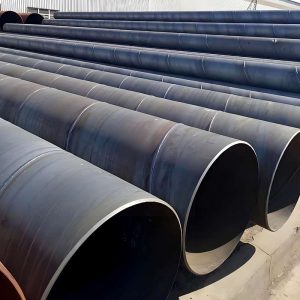
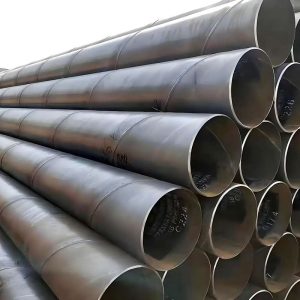
I. Introduction to ASTM A106 Grade C Seamless Boiler Pipe
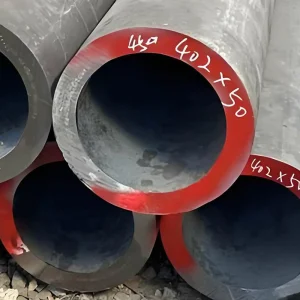
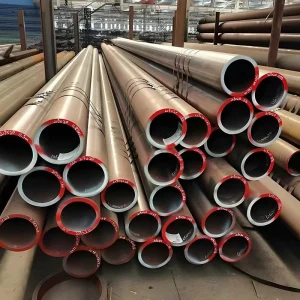
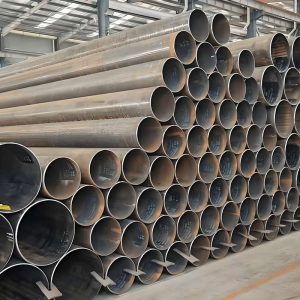
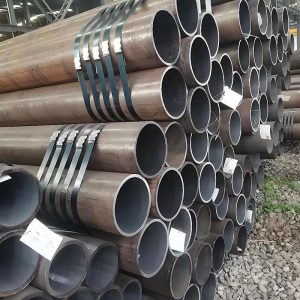
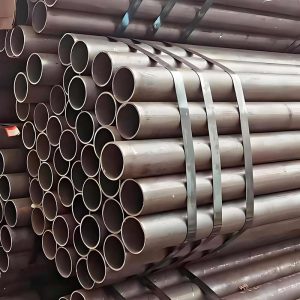
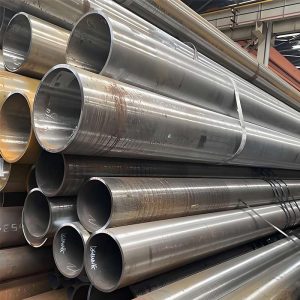
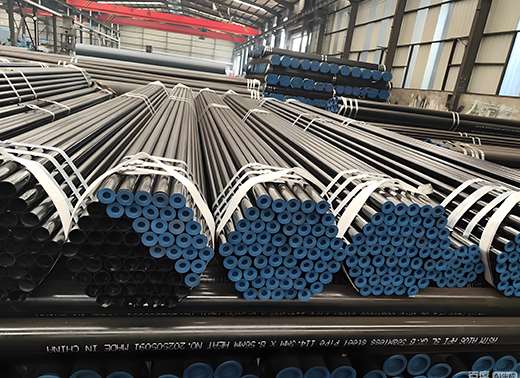
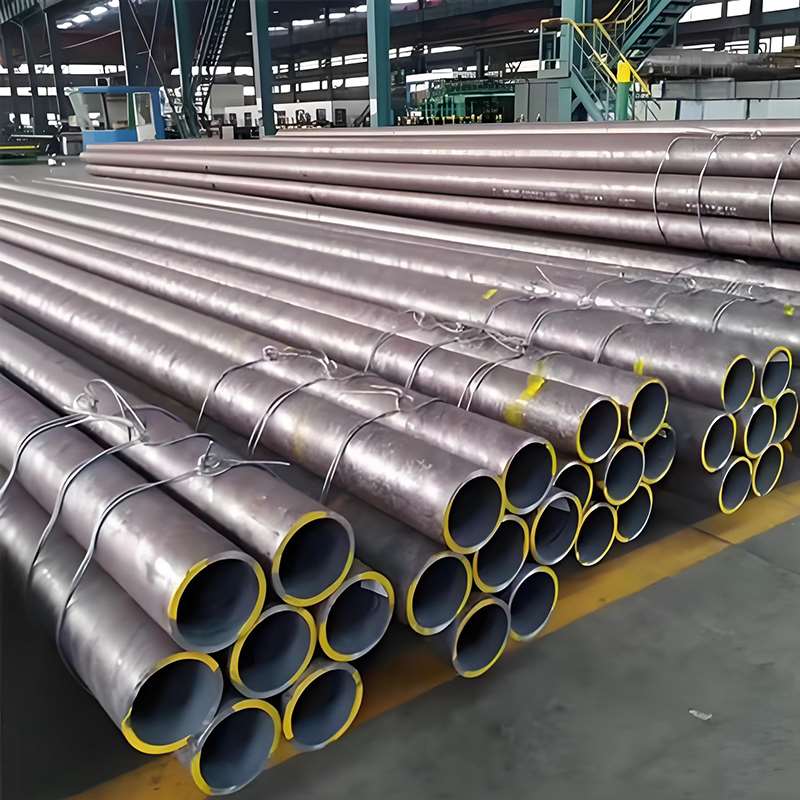
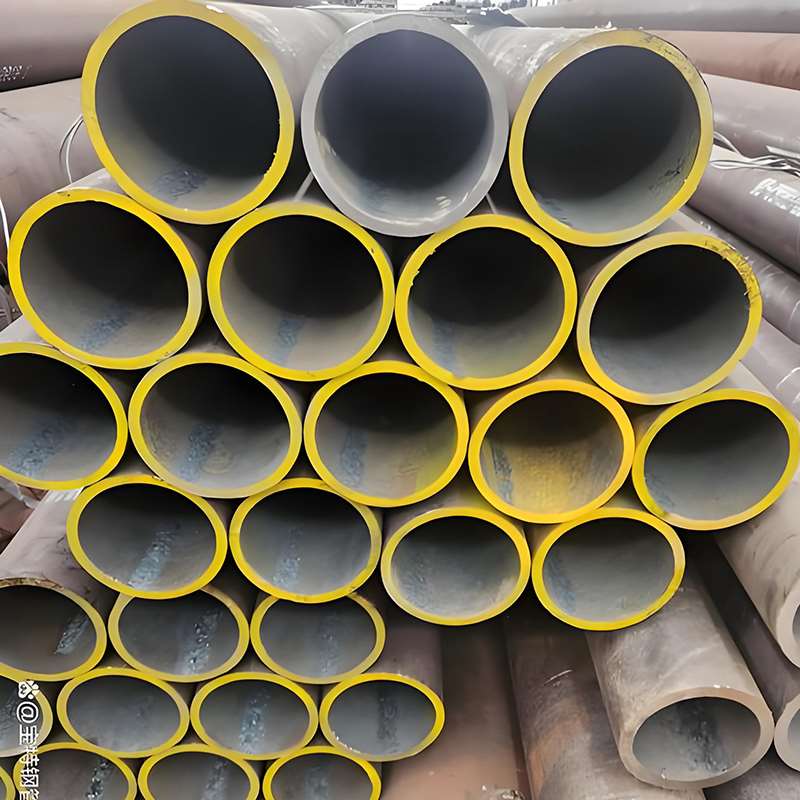
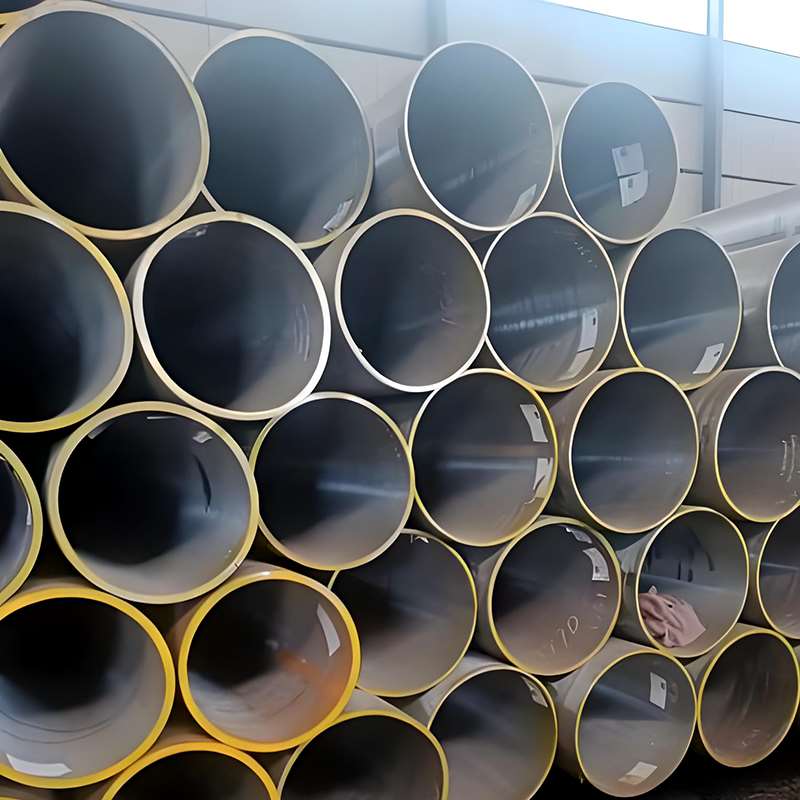
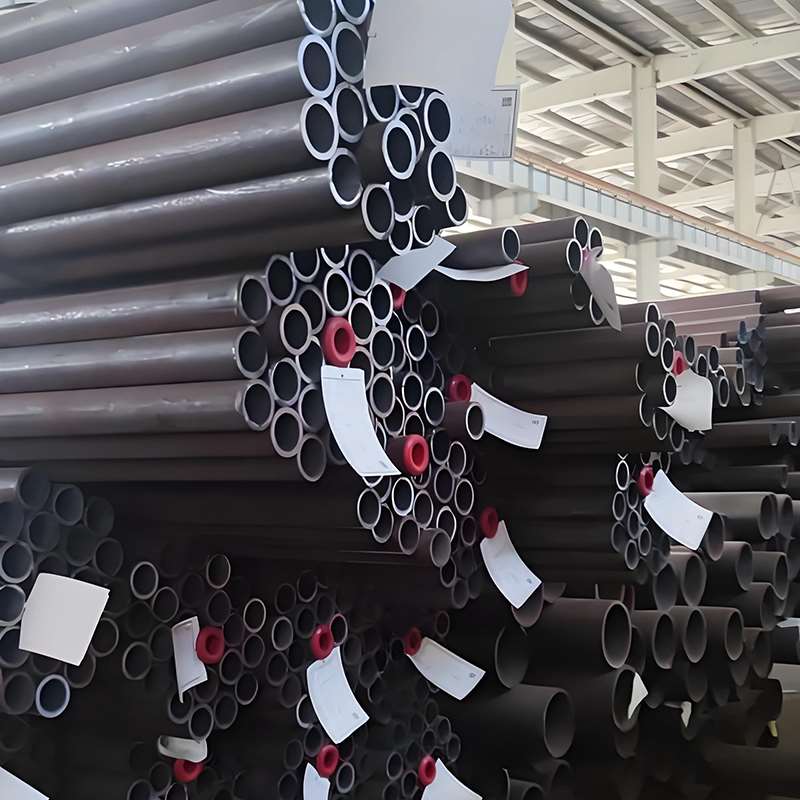
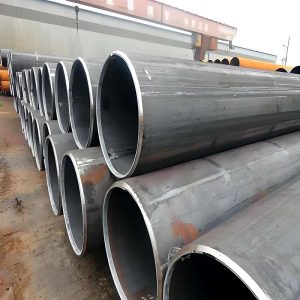
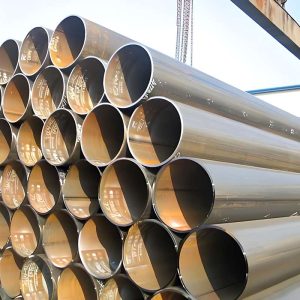
ASTM A106 Grade C seamless boiler pipe is a high-strength carbon steel pipe designed for high-temperature service. It is widely used in high-pressure boilers, steam piping, heat exchangers, and petrochemical equipment. Manufactured through seamless hot-rolling, this tubing offers excellent high-temperature resistance and pressure tolerance while ensuring good weldability and machinability.
Grade C pipes exhibit higher yield strength and tensile strength than Grade A and Grade B, enabling them to withstand elevated temperatures and pressures. They are suitable for demanding industrial boilers and thermal energy piping systems. Their chemical composition and mechanical properties are strictly controlled in accordance with ASTM A106 standards, ensuring safe and reliable engineering applications.
II. ASTM A106 Grade C Seamless Boiler Pipes Standard Specifications
| Parameter | Value / Range | Description |
|---|---|---|
| Standard | ASTM A106 | U.S. standard for seamless carbon steel pipes |
| Grade | Grade C | High-strength grade for high-temperature and high-pressure service |
| Type | Seamless | Produced by hot-rolled seamless process |
| Chemical Composition | C ≤ 0.35%, Mn 0.29–1.06%, P ≤ 0.035%, S ≤ 0.035%, Si 0.10–0.35% | Ensures high-temperature strength, weldability, and toughness |
| Yield Strength (ReH) | ≥ 275 MPa | Stress at which permanent deformation begins |
| Tensile Strength (Rm) | 415–585 MPa | Maximum load-bearing capacity of the pipe |
| Elongation (A%) | ≥ 20% | Indicates tensile ductility of the pipe |
| Impact Toughness | 20–27 J (Charpy V-notch, 20℃) | Ensures safety under both low and high temperatures |
| Service Temperature | ≤ 400℃ | Suitable for high-temperature steam or heat-transfer piping |
| Outer Diameter Range | 21.3–323.9 mm (1/2″–12″) | Common sizes, selectable per design requirement |
| Wall Thickness Range | 2.3–12.7 mm | Selectable according to pressure class and design |
| Inspection & Certification | EN 10204 3.1 / 3.2 | Ensures full material traceability and quality compliance |
III. ASTM A106 Seamless Boiler Pipes: Grades and Distinctions
i. ASTM A106 Seamless Boiler Pipe Grades
ASTM A106 seamless steel pipes are classified into three grades based on strength and chemical composition:
| Grade | Yield Strength ReH (MPa) | Tensile Strength Rm (MPa) | Elongation A (%) | Typical Applications |
|---|---|---|---|---|
| Grade A | ≥ 205 | 330–440 | ≥ 30 | General low-pressure steam and boiler piping, low-temperature pipelines, general fluid transportation |
| Grade B | ≥ 240 | 415–550 | ≥ 25 | Most commonly used grade; suitable for medium- and high-temperature steam lines, industrial boilers, and heat exchangers |
| Grade C | ≥ 275 | 415–585 | ≥ 20 | High-temperature and high-pressure piping, large industrial boilers; best performance under high temp & pressure |
ii. Key Differences Between Levels
| Comparison Item | Grade A | Grade B | Grade C |
|---|---|---|---|
| Yield Strength | Lowest | Medium | Highest |
| Tensile Strength | 330–440 MPa | 415–550 MPa | 415–585 MPa |
| Elongation | ≥30% | ≥25% | ≥20% |
| Applicable Temperature / Pressure | Low temperature & low pressure | Medium–high temperature, medium pressure | High temperature & high pressure |
| Cost | Lowest | Medium | Highest |
| Common Applications | Small steam pipelines, low-pressure boilers | Industrial boilers, steam lines, heat exchangers | Large boilers, high-temperature & high-pressure steam pipelines, petrochemical equipment |
iii. Practical Recommendations
Grade A: Suitable for low-pressure and low-temperature piping projects, offering low cost but limited applicability.
Grade B: The most commonly used grade, suitable for most industrial boilers and steam piping systems, providing high cost-effectiveness.
Grade C: Designed for high-temperature and high-pressure conditions, typically employed in large thermal power plants, chemical, and petrochemical facilities. While higher in cost, it offers a superior safety factor.
IV. ASTM A106 A/B/C Seamless Boiler Pipe Chemical Composition Comparison Table
| Element | Grade A | Grade B | Grade C | Description / Effect |
|---|---|---|---|---|
| Carbon (C) | ≤ 0.30% | ≤ 0.30% | ≤ 0.35% | Higher carbon increases strength but slightly reduces weldability |
| Manganese (Mn) | 0.29–1.06% | 0.29–1.06% | 0.29–1.06% | Enhances strength and toughness; same for all grades |
| Silicon (Si) | 0.10–0.30% | 0.10–0.30% | 0.10–0.35% | Affects weldability and high-temperature strength |
| Phosphorus (P) | ≤ 0.035% | ≤ 0.035% | ≤ 0.035% | Controls brittleness and ensures low-temperature toughness |
| Sulfur (S) | ≤ 0.035% | ≤ 0.035% | ≤ 0.035% | Ensures machinability and reduces risk of cracking |
| Copper (Cu) | ≤ 0.20% | ≤ 0.20% | ≤ 0.20% | Improves corrosion resistance (optional) |
| Nickel (Ni) | ≤ 0.20% | ≤ 0.20% | ≤ 0.20% | Enhances high-temperature toughness and heat resistance (optional) |
| Chromium (Cr) | ≤ 0.20% | ≤ 0.20% | ≤ 0.20% | Improves oxidation resistance (optional) |
| Molybdenum (Mo) | ≤ 0.15% | ≤ 0.15% | ≤ 0.15% | Improves high-temperature strength and corrosion resistance (optional) |
V. Precautions for Procurement and Use of ASTM A106 Grade C Seamless Boiler Pipes
i. Procurement Considerations
(1) Verify Grade and Standards
Prior to procurement, confirm the requirement for Grade C and ensure compliance with ASTM A106 standards.
Verify that suppliers provide complete material certificates (EN 10204 3.1/3.2) to ensure chemical composition and mechanical properties meet design specifications.
Practical Tip: Grade C offers highest strength, suitable for high-temperature/high-pressure boilers and industrial steam piping. Consider Grade B for low-temperature/low-pressure projects to avoid unnecessary cost overruns.
(2) Specification and Dimension Verification
Confirm O.D., wall thickness, and length per construction drawings.
Common tolerances: OD ±1%, wall thickness ±10%, straightness ≤2 mm/m.
Practical advice: For large-diameter or pressure-bearing pipes, conduct sample pipe tests beforehand to ensure dimensional compatibility with construction joints.
(3) Supply Capacity and Delivery Lead Time
Grade C pipes are high-strength materials with potentially limited inventory. Confirm supplier production capacity and delivery lead time before procurement.
Practical advice: Plan bulk purchases in advance to avoid construction delays.
(4) Cost and Budget
Grade C pipes are priced higher than Grade B. Evaluate necessity during procurement based on project safety requirements and budget constraints.
ii. Usage and Construction Precautions
(1) Welding and Fabrication
Grade C pipes contain slightly higher carbon content. Control heat input during welding to prevent cracking.
Verify pipe diameter and wall thickness before bending or cutting; perform preheating if necessary.
Practical recommendation: Conduct small-scale test welding or bending on-site to ensure construction feasibility.
(2) Installation and Stress Management
When installing in high-temperature/high-pressure pipelines, ensure adequate pipe support and expansion compensation design.
Prevent overload, distortion, or localized stress concentration during installation.
(3) Surface Treatment and Environmental Adaptation
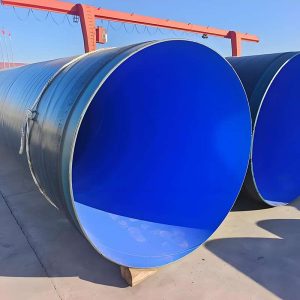
For outdoor or humid environments, use hot-dip galvanized or coated pipes to extend service life.
High-temperature pipelines require consideration of oxidation and corrosion factors; inspect protective coatings promptly after installation.
(4) Acceptance and Quality Control
Inspect upon receipt:
Visual quality (no cracks, pores)
Dimensions
Straightness
Verify material certificates match actual pipe batches. Conduct third-party testing when necessary.