Products

Related News

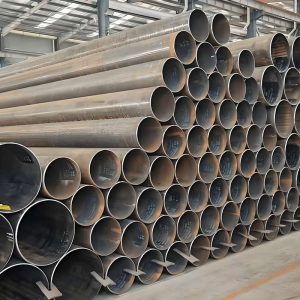
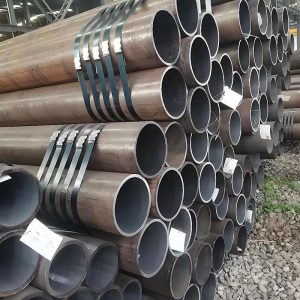
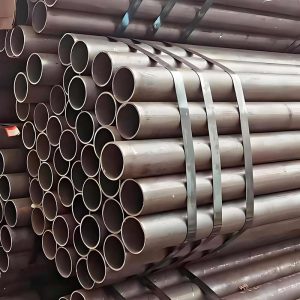
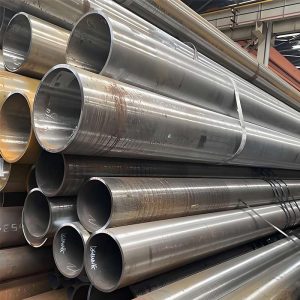
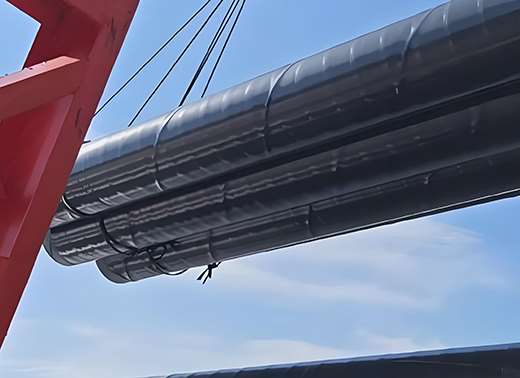
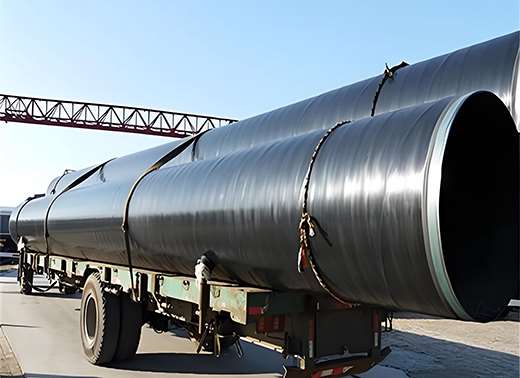
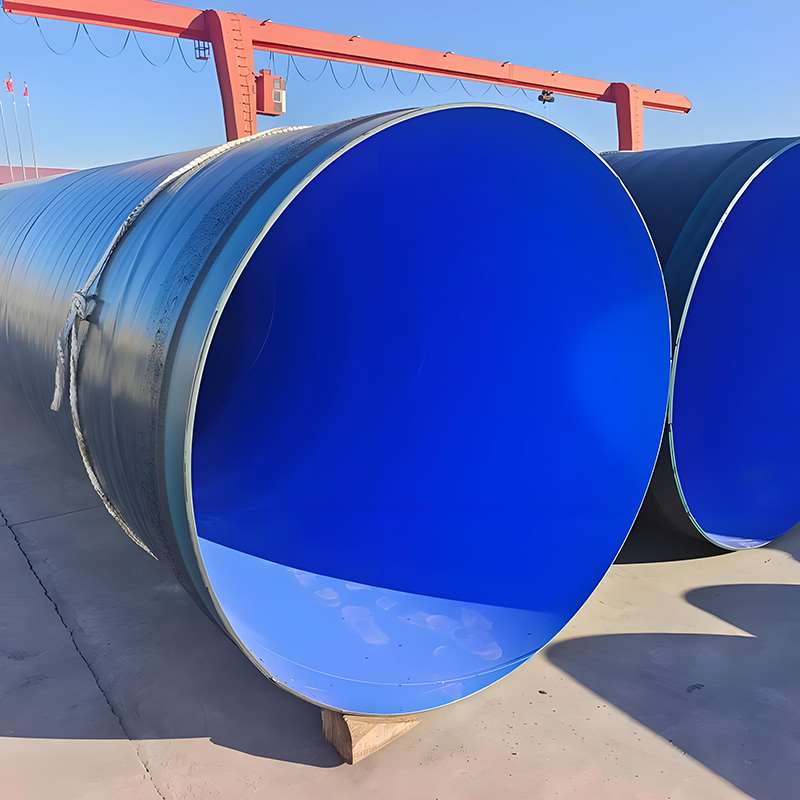
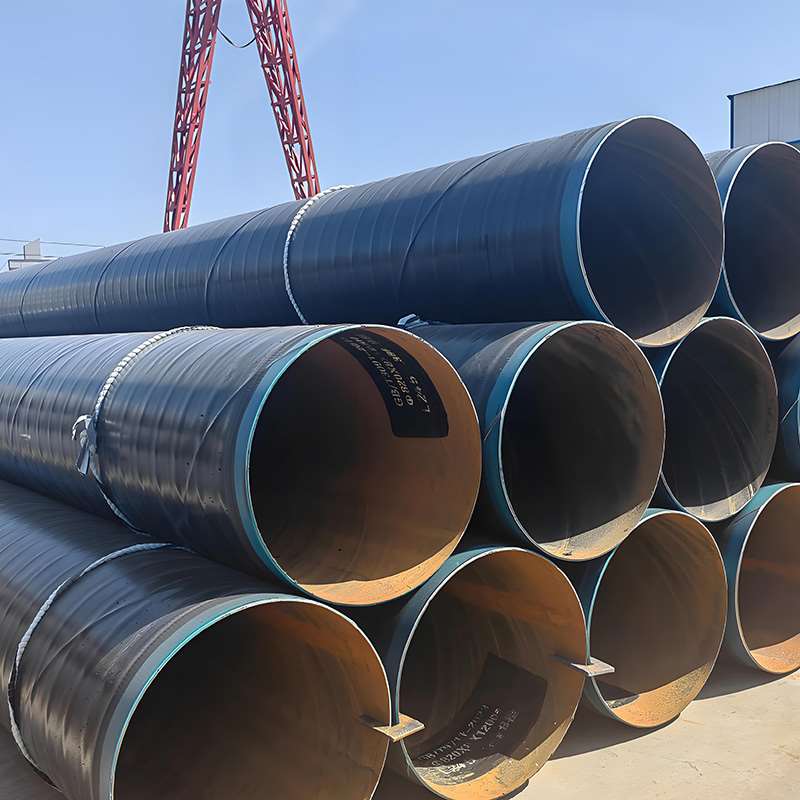
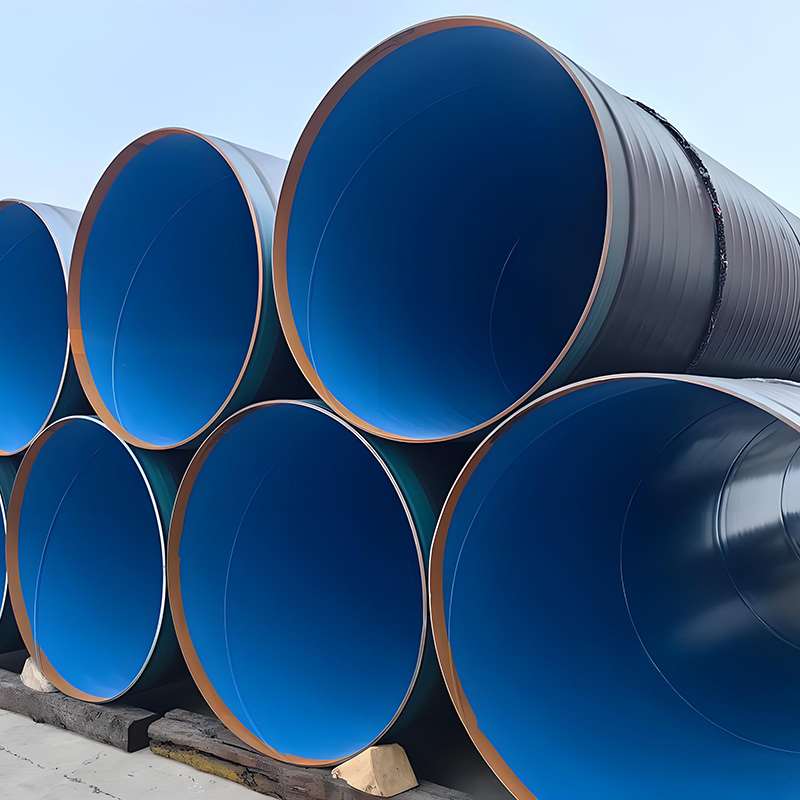
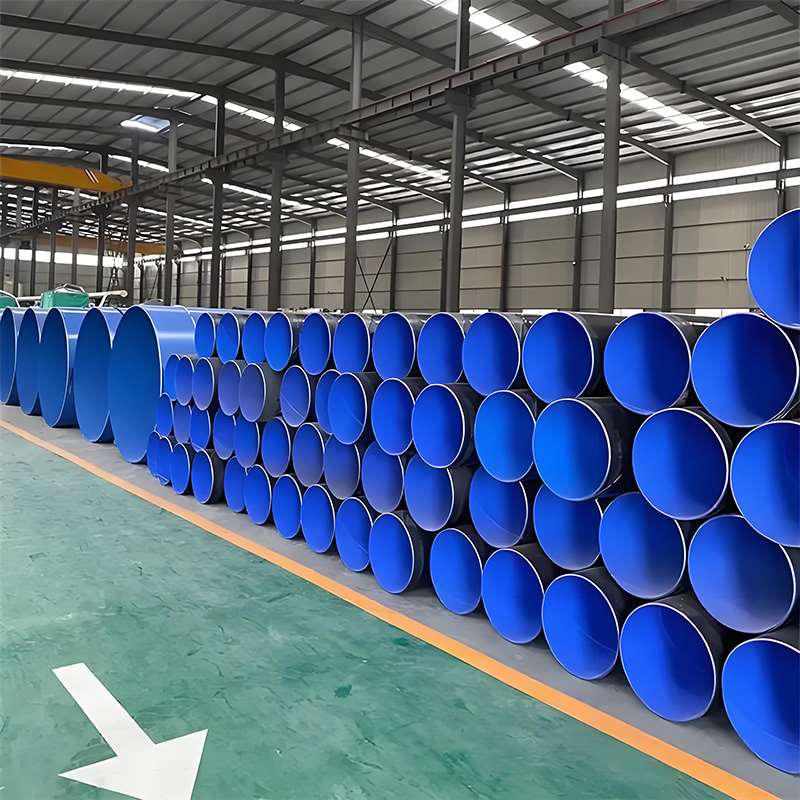
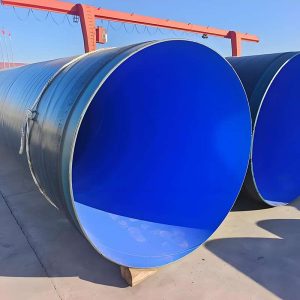
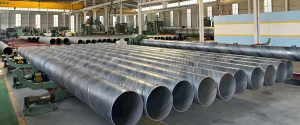
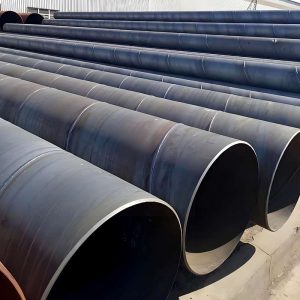
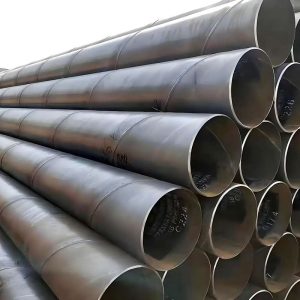
3LPE Coated Carbon Steel Pipe

OD Range :

60.3 mm – 1422 mm(2″ – 56″)

WT Range :

2.5 mm – 50 mm(SCH10 – SCH160)

Length :

3 m – 18 m (standard 6 m / 12 m, custom lengths available)

Tolerance :

Outer diameter ±0.75%; wall thickness –12.5% ​​/ +15%; length 0 – +50 mm

Material :

Q235、Q345、L245–L555、ASTM A53/A106 Gr.B、API 5L PSL1/PSL2

Standard :

Steel pipes: GB/T 3091, API 5L, ASTM A53, ASTM A106; Coatings: DIN 30670, ISO 21809-1, GB/T 23257

Surface :

Fusion-bonded epoxy powder (FBE) ≥ 300 µm + polyethylene (PE) overlay 1.0 – 1.5 mm

Application :

Buried long-distance oil, gas, and water pipelines; urban gas pipelines; marine and municipal water supply and drainage networks.

I. Overview of 3LPE Coated Steel Pipes

i. Introduction

3LPE coated carbon steel pipe is a steel pipeline product used for corrosion protection, widely applied in buried transportation systems for oil, natural gas, water, and municipal engineering projects.

It involves coating the outer surface of the carbon steel pipe with a “three-layer polyethylene anti-corrosion structure” (3LPE), significantly improving the steel pipe’s corrosion resistance in soil, groundwater, and chemical media environments.

ii. Structural composition

LayerNameMaterialFunction
First LayerFusion Bonded Epoxy (FBE)Epoxy powderProvides basic corrosion protection and strong adhesion to the steel pipe
Second LayerAdhesive LayerCopolymer adhesiveBonds the inner and outer layers and improves interlayer adhesion strength
Third LayerPolyethylene (PE) Top CoatPolyethyleneProvides impact resistance, abrasion resistance, and protects the pipe from external damage

II. 3LPE Coated Carbon Steel Pipe Selection Guide

i. Under what operating conditions should 3LPE be the preferred choice?

1.Highly Corrosive Buried Environments

Typical Operating Conditions:

  • High groundwater levels
  • Moist soils (clay, saline-alkali soils)
  • Coastal areas (high salt spray)
  • Industrially polluted soil areas

Problem Characteristics:

  • Strong electrochemical corrosion
  • Steel pipes rust quickly
  • High risk of corrosion resistance failure

Recommended Pipe:

  • 3LPE Coated Carbon Steel Pipe

Reason: The three-layer structure isolates water, oxygen, and corrosive soil media.

2. Long-Distance Oil and Gas Transmission Pipelines

Typical Operating Conditions:

  • Oilfield to Refinery Transportation
  • Long-Distance Natural Gas Pipelines
  • Inter-Regional Energy Pipelines

Problem Characteristics:

  • Long pipeline length, difficult maintenance
  • Extremely high repair costs in case of corrosion failure
  • Extremely high safety requirements

Recommended Pipeline:

  • 3LPE coated API 5L line pipe

Reason: Long service life (up to 30 years or more), reducing total life cycle cost

3. Urban Underground Pipeline System

Typical Operating Conditions:

  • Urban Water Supply Network
  • Drainage and Reclaimed Water System
  • Underground Integrated Utility Tunnel

Problem Characteristics:

  • Complex urban construction
  • Maintenance impacts traffic and daily life
  • Requirement for long-term maintenance-free operation

Recommended Pipeline:

  • 3LPE coated steel pipe for municipal pipeline

Reason: Reduces excavation and maintenance frequency, improves operational stability

4. Industrial Corrosive Media Transportation

Typical Operating Conditions:

  • Chemical plant cooling water systems
  • Industrial circulating water systems
  • Transportation of weakly corrosive media

Problem Characteristics:

  • The media contains chemically corrosive components.
  • Simultaneous risk of corrosion inside or outside the pipeline.

Recommended Pipeline:

  • 3LPE coated carbon steel pipe / or epoxy + PE system

Reason: Provides long-term external protection, reducing the risk of corrosion perforation.

5. High Humidity / Marine Environment Engineering

Typical Operating Conditions:

  • Coastal Engineering
  • Submarine Pipelines
  • Port Facilities
  • High Humidity and Heat Regions

Problem Characteristics:

  • Extremely strong salt spray corrosion
  • Easily fails anti-corrosion coating
  • High risk of mechanical impact

Recommended Pipeline:

  • 3LPE coated line pipe with heavy-duty coating

Reason: The PE outer layer provides excellent impact resistance and salt spray resistance.

III. Comparison of pipeline corrosion protection systems

Coating TypeStructureApplicable EnvironmentService LifeCost LevelRecommended Applications
FBE (Fusion Bonded Epoxy)Single-layer epoxy coatingMedium corrosive environment10–20 yearsMediumBuried pipelines, field joint coating, corrosion repair
2PE (Two-Layer Polyethylene)Adhesive layer + PE outer layerGeneral soil environment15–20 yearsLowMunicipal pipelines, low-cost projects
3LPE (Three-Layer Polyethylene)FBE + adhesive layer + PEHighly corrosive buried environment25–30+ yearsMedium–HighOil and gas pipelines, main municipal pipelines, long-distance transmission pipelines
3LPP (Three-Layer Polypropylene)FBE + adhesive layer + PPHigh temperature / marine environment25–30+ yearsHighOffshore pipelines, high-temperature transmission systems
Coal Tar EpoxyMulti-layer bitumen + epoxyLow requirement environment5–10 yearsLowTemporary projects, low-cost pipelines

Related Products

API Pipe Size Chart (DN / Inch / SCH40 / SCH80 / Weight)

Inch (NPS) DN (mm) SCH 40 Wall Thickness (mm) SCH 80 Wall Thickness (mm) Weight SCH 40 (kg/m) Weight SCH 80 (kg/m)
1/2″ DN15 2.77 3.73 1.27 1.64
3/4″ DN20 2.87 3.91 1.69 2.24
1″ DN25 3.38 4.55 2.50 3.24
1-1/4″ DN32 3.56 4.85 3.39 4.52
1-1/2″ DN40 3.68 5.08 4.05 5.46
2″ DN50 3.91 5.54 5.44 7.48
2-1/2″ DN65 5.16 7.01 9.15 12.30
3″ DN80 5.49 7.62 11.28 15.70
4″ DN100 6.02 8.56 16.10 22.30
5″ DN125 6.55 9.53 21.80 31.20
6″ DN150 7.11 10.97 28.30 42.50
8″ DN200 8.18 12.70 42.60 64.40
10″ DN250 9.27 12.70 60.30 81.90
12″ DN300 9.53 12.70 73.20 97.10
14″ DN350 9.53 12.70 85.10 113.00
16″ DN400 9.53 12.70 97.10 129.00
18″ DN450 9.53 12.70 109.00 145.00
20″ DN500 9.53 12.70 121.00 161.00
24″ DN600 9.53 12.70 146.00 194.00
28″ DN700 9.53 12.70 170.00 226.00
32″ DN800 9.53 12.70 194.00 258.00
36″ DN900 9.53 12.70 218.00 290.00
40″ DN1000 9.53 12.70 242.00 322.00

3LPE Coated Carbon Steel Pipe Standards

Category Standard Name Standard Number Applicable Content Main Application
Pipe Body Standard API Line Pipe Standard API 5L Carbon steel pipe grades (X42–X70 etc.), dimensions, mechanical properties Oil and natural gas long-distance pipelines
Pipe Body Standard ASTM Carbon Steel Pipe Standard ASTM A53 / A106 Carbon steel seamless and welded pipe specifications Industrial transportation, general piping systems
Pipe Body Standard EN Steel Pipe Standard EN 10216 / EN 10217 / EN 10219 Seamless pipes, welded pipes, and structural pipes European engineering projects
Coating Standard 3LPE Coating Standard DIN 30670 Technical requirements for three-layer polyethylene anti-corrosion coating Buried oil and gas pipelines
Coating Standard International Coating Standard ISO 21809-1 External anti-corrosion system for oil and gas pipelines International oil and gas projects
Coating Standard North America Pipeline Coating Standard CSA Z245.21 Performance requirements for coatings (adhesion, impact resistance, etc.) North American oil and gas projects
Industry Standard China Oil & Gas Standard SY/T 0413 Domestic technical specification for 3LPE anti-corrosion coating China long-distance pipeline projects


3LPE coated carbon steel pipe production process

Steel pipe arrival → Surface sandblasting and rust removal → Preheating treatment → FBE epoxy primer spraying → Adhesive layer extrusion → PE outer layer coating → Cooling and shaping → Quality inspection → Finished product warehousing

1. Surface Preparation Technology

  • The steel pipe surface is treated with sandblasting or shot blasting to remove oxide scale, rust, and impurities, achieving a high cleanliness level (typically Sa 2.5).
  • Its core function is to enhance the mechanical adhesion between the coating and the steel pipe.

2. Hot-Melt Epoxy Coating Technology

  • While the steel pipe is preheated, epoxy powder is sprayed onto its surface, forming a continuous molten coating.
  • This layer bonds chemically to the steel surface, providing the first line of defense against corrosion, exhibiting excellent adhesion and chemical resistance.

3. Hot Melt Adhesive Bonding Layer

  • While the FBE layer is not fully cooled, a copolymer adhesive layer is extruded, forming a dual chemical and physical bond with the epoxy layer and the outer polyethylene layer.
  • The core function of this layer is to solve the interfacial bonding problem between different materials and prevent delamination.

4. Melt Extrusion Polyethylene Coating

  • Under high-temperature conditions, polyethylene material is uniformly coated onto the outer surface of the pipe through extrusion, forming a dense outer protective layer.
  • This layer provides the main mechanical protection capabilities (impact resistance, abrasion resistance, and soil stress resistance).

5. Cooling & Curing Technology

  • Water or air cooling is used to rapidly and stably cure the three-layer structure, ensuring consistent overall coating performance.
  • Its key function is to lock in the stable bonding state of the three layers.

6. Quality Control Technology (Quality Inspection System)

After production, multiple tests are performed, including:

  • Coating thickness inspection
  • Adhesion test
  • Impact resistance test
  • Cathode peel test

Ensuring the coating meets the requirements of standards such as DIN 30670 / ISO 21809-1.


Inspection Item Acceptance Criteria Test Method Reference Standard
Coating Thickness 0.5–3.0 mm (depending on pipe diameter) Magnetic thickness gauge SY/T 0414, ISO 21809-1
Adhesion ≥ Grade 1 Pull-off adhesion tester SY/T 0414, ISO 21809-1
Holiday / Pinholes 0 defects High-voltage holiday detector ISO 21809-1
Impact Resistance No cracking at 1.5–3 J (depends on pipe diameter) Drop-weight impact tester ISO 21809-1
Bending / Flexibility No cracking at specified bending angle Cold bending test ISO 21809-1
Salt Spray / Corrosion Resistance No red rust after 720 h Neutral salt spray test ASTM B117
Dimensional Accuracy OD ±0.5%; WT ±10%; Length 0–+50 mm Caliper / Micrometer SY/T 0414, ISO 21809-1
Surface Quality Smooth, uniform, no bubbles, delamination, or cracks Visual inspection SY/T 0414, ISO 21809-1
Hydrostatic Test No leakage at working pressure ≤2.5 MPa Hydrostatic pressure testing SY/T 0414, ISO 21809-1
Hygienic / Potable Water Safety Compliant with drinking water requirements Immersion water test GB/T 17219


3PE Anti-Corrosion Steel Pipe for Oil and Gas Pipeline


Common FAQs for 3LPE Coated Carbon Steel Pipe Selection

Q1. When is it necessary to choose 3LPE coated carbon steel pipe?

A: When the pipeline is used for buried transportation in an environment with medium to high corrosiveness, 3LPE must be the preferred choice.

For example: damp soil, saline-alkali land, coastal areas, or long-distance oil and gas pipelines.

It can effectively isolate moisture, oxygen, and electrochemical corrosion, preventing rapid rusting and failure of the steel pipe.

Q2. What are the differences between 3LPE and FBE anti-corrosion pipes? How to choose?

A:
FBE: Single-layer anti-corrosion, suitable for moderately corrosive environments, lower cost.
3LPE: Three-layer structure, stronger anti-corrosion + mechanical protection.

Selection principles:
General buried/repair → FBE Long-distance pipelines/highly corrosive environments → 3LPE (safer)

Q3. What is the service life of 3LPE coated steel pipes?

A:
Under standard construction and normal buried conditions, the service life of 3LPE pipes can typically reach 25–30 years or more.
Key influencing factors: soil corrosivity, construction quality, and the availability of a cathodic protection system.

Q4. Will the 3LPE coating easily peel off or delaminate?

A:
Regularly manufactured 3LPE will not easily delaminate because it uses:
FBE chemical bonding (bottom layer)
Adhesive transition layer (middle layer)
PE hot melt coating (outer layer)

If delamination occurs, it is usually due to:
Inadequate surface treatment
Unstable temperature control
Production by non-standard manufacturers

Q5. Is 3LPE pipe suitable for high-temperature environments?

A:
No, it is not suitable for high-temperature conditions (generally, it is not recommended to exceed 60–80℃ for extended periods).
For high-temperature transportation (such as steam or high-temperature media), it is recommended to use 3LPP (polypropylene coating), which has better temperature resistance.

Q6. How to determine the reliability of a 3LPE steel pipe?

A:
You can judge from the following key points:
Does it meet the American Petroleum Institute API 5L pipeline steel standard?
Does it comply with DIN 30670 or ISO 21809-1 corrosion protection standards?
Is the coating thickness uniform (FBE + PE layer)?
Has it passed peel strength and impact tests?
Does it have a third-party testing report (NDT/holiday test)?
Conclusion: Standards + Testing + Process Control = High-Quality 3LPE Pipes