Products

Related News

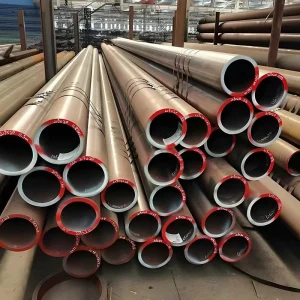
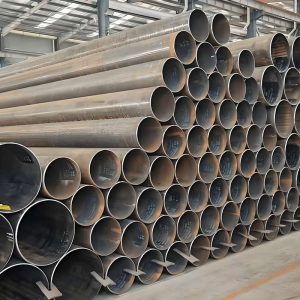
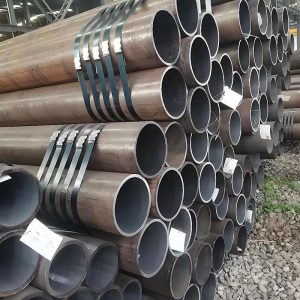
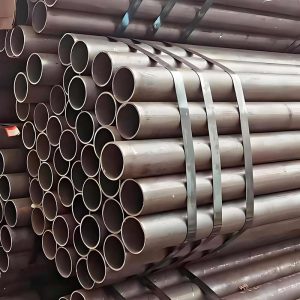
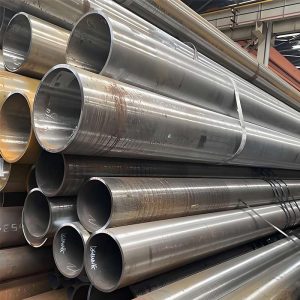
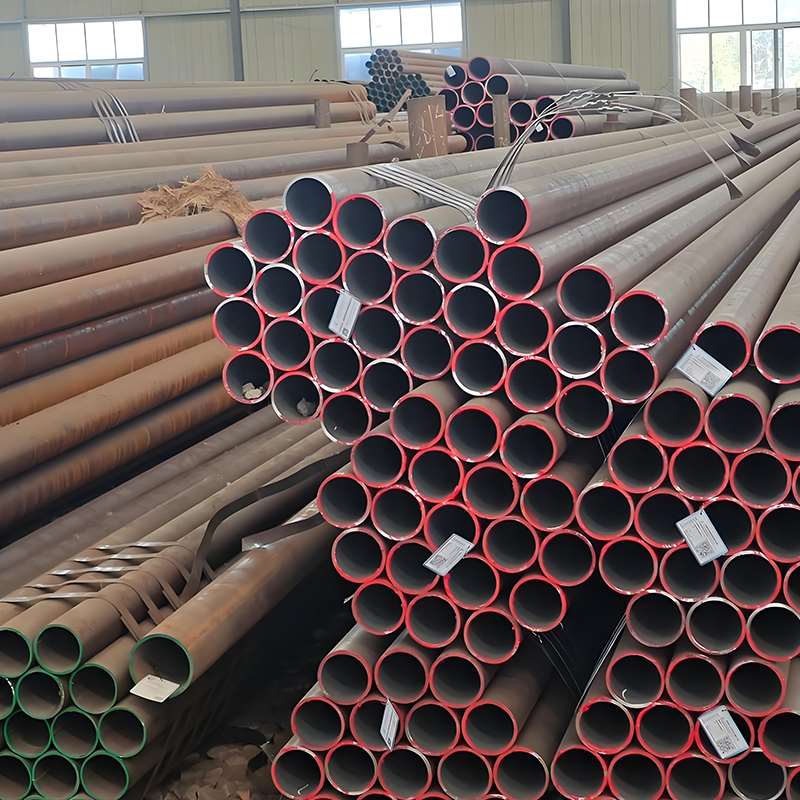
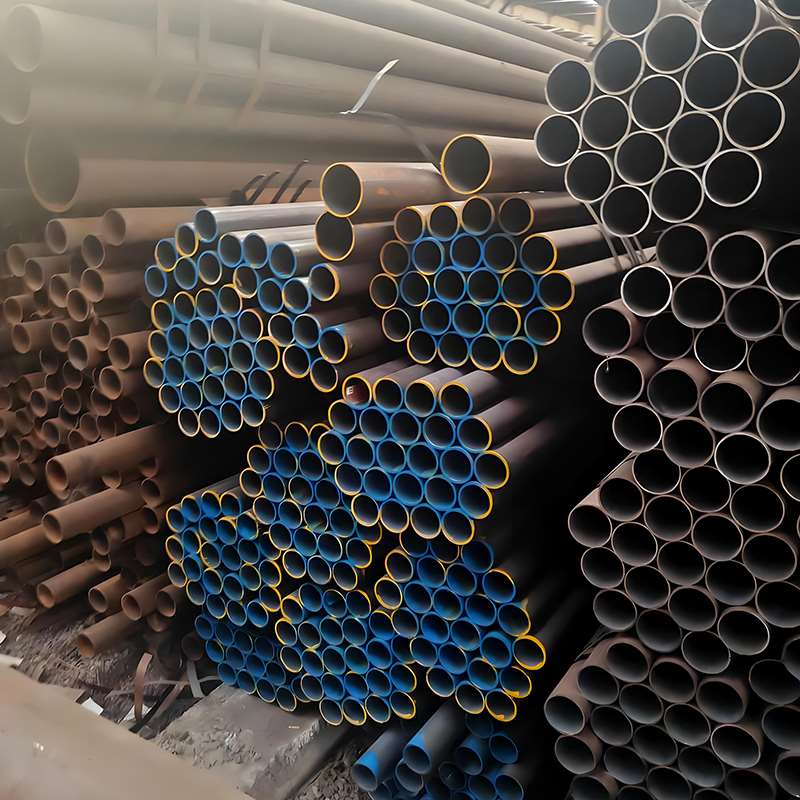
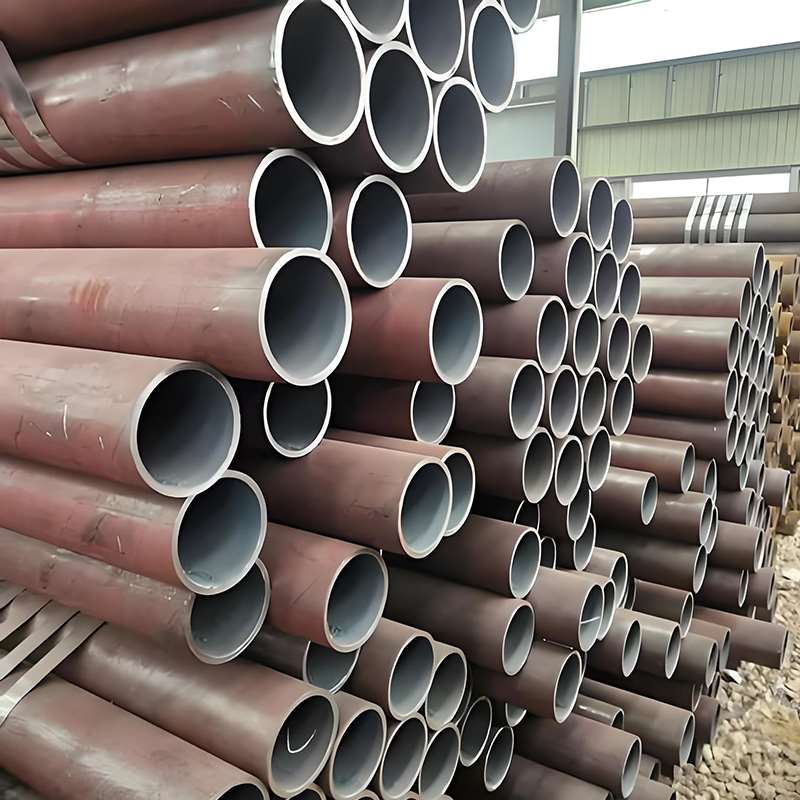
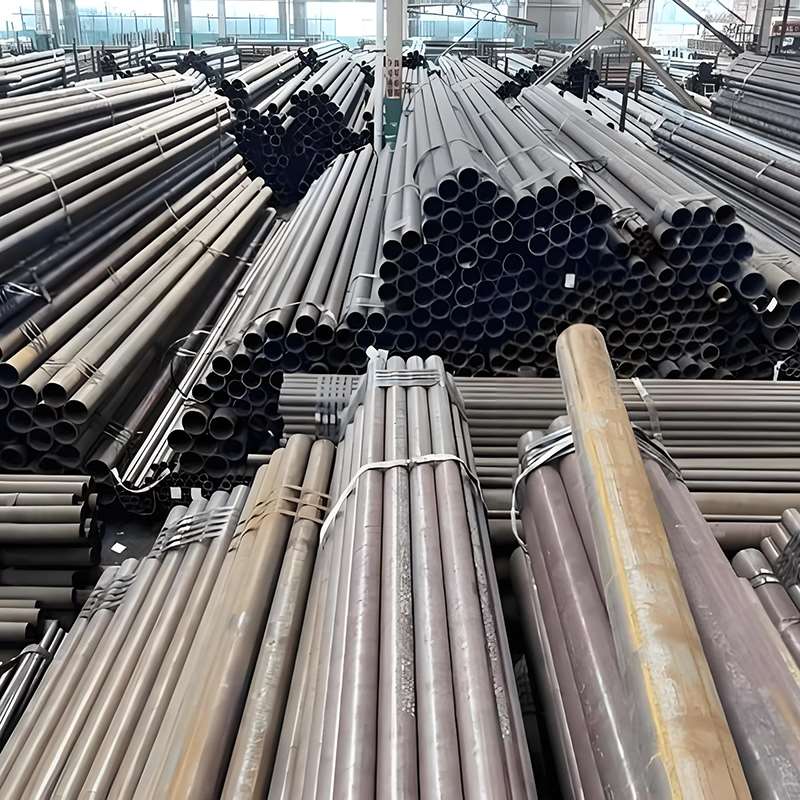
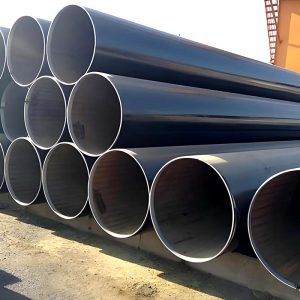
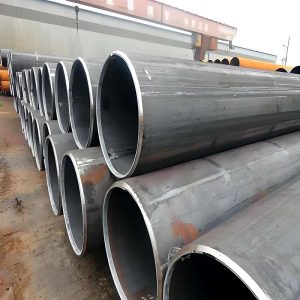
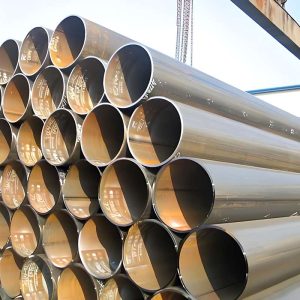
BS 6323 Hot Finished Steel Tube

OD Range :

21.3 mm – 323.9 mm

WT Range :

2.0 mm – 25.4 mm

Length :

5.8 m – 12 m

Tolerance :

Outer Diameter: ±1% or ±0.5 mm; Wall Thickness: ±10%; Length: ±5 mm

Material :

Carbon Steel: C22, C25, C30; Alloy Steel: BS 6323 S355, S275, etc.

Standard :

BS 6323 Part 1 / Part 2

Surface :

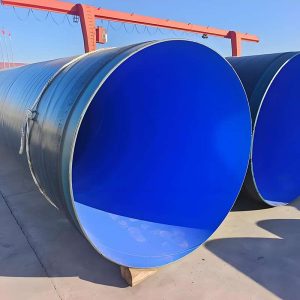
After heat treatment, it undergoes natural cooling; the surface may be painted, coated with rust-preventive oil, or hot-dip galvanized.

Application :

Boiler Tubes, Pressure Vessels, Oil and Gas Pipelines, Structural Tubing

Introduction :

BS 6323 hot-rolled steel tubes are high-quality steel tubes for structural and pressure applications, manufactured in accordance with British Standards.

I. Overview of BS 6323 Hot-Rolled Steel Tubes

BS 6323 hot-rolled steel tubes are high-quality carbon or low-alloy steel tubes manufactured in accordance with the British Standard BS 6323, specifically designed for pressure-bearing, structural, and boiler applications.
These tubes are formed through a hot-rolling process, featuring uniform wall thickness, robust mechanical properties, and excellent durability.
They are commonly utilized in applications such as high-pressure boiler piping, heat exchangers, oil and gas transmission pipelines, and structural supports in construction.

II. Material and Steel Grades of BS 6323 Hot Finished Steel Tubes

CategoryCommon Steel Grades / DesignationsChemical Composition CharacteristicsApplication Range
Carbon SteelC22, C25, C30Low to medium carbon content, suitable for general structures and low-pressure applicationsGeneral structural piping, non-high-pressure boiler tubes
Low Alloy SteelS275, S355Contains small amounts of alloying elements (such as Cr, Mo, Ni, V) to enhance strength and toughnessHigh-pressure boiler piping, oil & gas transmission, pressure vessels
Special Alloy SteelHeat-resistant or special steels specified in BS 6323Designed for high temperature, high pressure, and corrosion resistanceHigh-temperature steam boilers, chemical pressure pipelines

III. BS 6323 Mechanical Properties of Hot-Rolled Steel Tubes

Steel GradeYield Strength σy (MPa)Tensile Strength σu (MPa)Elongation A5 (%)Remarks
C22210 – 280340 – 430≥24Carbon steel, suitable for low-pressure structural pipes
C25240 – 300360 – 460≥22Carbon steel, suitable for general structural pipes
C30250 – 310400 – 500≥20Carbon steel, higher strength structural pipes
S275275 – 325430 – 560≥20Low alloy steel, suitable for medium-pressure pipelines
S355355 – 510470 – 630≥20Low alloy steel, for high-pressure boiler pipes and structural pipes
Other Heat-Resistant / Special SteelsAs specified by the relevant grade standardAs specified by the relevant grade standard≥16 – 20For high-temperature, high-pressure, and chemical application pipelines

IV. BS 6323 Chemical Composition of Hot-Rolled Steel Tubes

Steel GradeC (Carbon)Mn (Manganese)P (Phosphorus)S (Sulfur)Si (Silicon)Other Alloying Elements
C22≤0.22%≤1.40%≤0.035%≤0.035%≤0.40%
C25≤0.25%≤1.40%≤0.035%≤0.035%≤0.40%
C30≤0.30%≤1.40%≤0.035%≤0.035%≤0.40%
S275≤0.25%≤1.60%≤0.035%≤0.035%≤0.55%May contain small amounts of Ni, Cr, Mo
S355≤0.27%≤1.60%≤0.035%≤0.035%≤0.55%May contain small amounts of Ni, Cr, Mo
Special Heat-Resistant / Alloy SteelAs specified by the relevant grade standardCr, Ni, Mo, V, etc.

V. BS 6323 Hot Finished Steel Tube: Quick Selection Table + Flowchart

i. Quick Selection Table

Selection FactorsParameter Selection / RecommendationRemarks
Application EnvironmentLow-pressure structures / High-pressure boilers / Oil & gas pipelines / High-temperature steam pipelinesSelect steel grade based on pressure and temperature
Steel Grade / MaterialCarbon steel: C22, C25, C30Low alloy steel: S275, S355Special alloy steelFor high-pressure and high-temperature conditions, choose low alloy or heat-resistant steel
Outer Diameter21.3 mm – 323.9 mmSelect based on flow rate or design requirements
Wall Thickness2.0 mm – 25.4 mmCalculated according to working pressure; thicker walls provide higher pressure resistance
Length5.8 m – 12 mCustom cut lengths available; consider transportation and installation
Surface TreatmentAnti-rust oil / Painting / Hot-dip galvanizing / PolishingChoose based on storage conditions or project requirements
ToleranceOuter diameter: ±1% or ±0.5 mmWall thickness: ±10%Length: ±5 mmEnsures installation accuracy
Quality CertificationMill Test Certificate (MTC), inspection reportsEnsures compliance with BS 6323 standard
NotesConfirm grade matches pressure requirements; consider surface protection; ensure suitable cut length for transportAvoid safety risks and material loss

ii. Selection Process Flowchart

Application Environment → Steel Grade Selection → Dimension Selection → Wall Thickness Calculation → Surface Treatment → Tolerance Confirmation → Quality Certification → Order Placement

Step-by-Step Guide:

  1. Application Environment: Define the intended use, pressure, temperature, and corrosive conditions of the pipeline.
  2. Steel Grade Selection: Choose from C22/C25/C30, S275/S355, or special alloys.
  3. Outer Diameter Selection: Determine based on flow rate requirements or structural design specifications.
  4. Wall Thickness Calculation: Calculate the minimum required wall thickness based on the operating pressure and safety factor.
  5. Surface Treatment: Specify requirements for rust prevention, corrosion protection, or aesthetic finish.
  6. Tolerance Verification: Ensure that dimensions comply with design and installation requirements.
  7. Quality Certification: Confirm that the supplier provides Material Test Certificates (MTC) and inspection reports.
  8. Order Placement: Place the purchase order based on the specified grade, quantity, and length.
Related Products

BS 6323 Hot-Rolled Steel Tubes: Dimensions Table (Outside Diameter × Wall Thickness)

Outer Diameter (mm) Available Wall Thickness (mm)
21.3 2.0, 2.5, 3.0, 3.5, 4.0, 4.5, 5.0
26.9 2.5, 3.0, 3.5, 4.0, 4.5, 5.0, 5.5
33.7 3.0, 3.5, 4.0, 4.5, 5.0, 5.5, 6.0
42.4 3.5, 4.0, 4.5, 5.0, 5.5, 6.0, 6.5, 7.0
48.3 4.0, 4.5, 5.0, 5.5, 6.0, 6.5, 7.0
60.3 4.5, 5.0, 5.5, 6.0, 6.5, 7.0, 8.0
76.1 5.0, 5.5, 6.0, 6.5, 7.0, 8.0, 9.0
88.9 5.5, 6.0, 6.5, 7.0, 8.0, 9.0, 10.0
101.6 6.0, 6.5, 7.0, 8.0, 9.0, 10.0, 11.0, 12.0
114.3 6.5, 7.0, 8.0, 9.0, 10.0, 11.0, 12.0
139.7 7.0, 8.0, 9.0, 10.0, 11.0, 12.0, 13.0, 14.0
168.3 8.0, 9.0, 10.0, 11.0, 12.0, 13.0, 14.0, 15.0
193.7 9.0, 10.0, 11.0, 12.0, 13.0, 14.0, 15.0, 16.0
219.1 10.0, 11.0, 12.0, 13.0, 14.0, 15.0, 16.0, 17.0
244.5 11.0, 12.0, 13.0, 14.0, 15.0, 16.0, 17.0, 18.0
273.0 12.0, 13.0, 14.0, 15.0, 16.0, 17.0, 18.0, 19.0
304.8 14.0, 15.0, 16.0, 17.0, 18.0, 19.0, 20.0, 22.0, 25.4
323.9 14.0, 15.0, 16.0, 17.0, 18.0, 19.0, 20.0, 22.0, 25.4


Introduction to the BS 6323 Standard for Hot-Finished Steel Tubes

1. Standard Title

  • English Title: BS 6323 Hot Finished Steel Tube
  • Chinese Title: BS 6323 Standard for Hot-Finished Steel Tubes

2. Standard-Setting Body

  • British Standards Institution (BSI)

3. Scope of Application

  • Applicable to hot-finished carbon steel and low-alloy steel tubes intended for pressure applications, boilers, oil and gas transmission, and structural purposes.
  • Covers the chemical composition, mechanical properties, dimensions, tolerances, surface quality, testing methods, and marking requirements for the tubes.

4. Key Contents of the Standard

  • Dimensions and Tolerances: Outer diameter, wall thickness, length, and permissible deviations
  • Chemical Composition: C, Mn, P, S, Si, and low-alloy elements
  • Mechanical Properties: Yield strength, tensile strength, elongation, and bending properties
  • Manufacturing Process: Hot rolling, natural cooling, or heat treatment requirements
  • Surface Quality: Prevention of cracks, shrinkage cavities, pores, and other defects
  • Testing and Inspection: Visual appearance, dimensions, mechanical properties, and chemical composition
  • Marking and Packaging: Marking requirements for steel grade, dimensions, batch number, etc., ensuring product traceability

5. Key Features

  • Ensures the mechanical properties and durability of steel pipes, making them suitable for high-pressure, high-temperature, and structural applications.
  • Establishes specific requirements for the production and inspection of hot-rolled pipes, thereby ensuring consistent product quality.
  • Enjoys high international recognition, facilitating its use in export markets and engineering projects.

6. Reference Section

  • BS 6323 Part 1: General requirements for hot-rolled steel pipes.
  • BS 6323 Part 2: Detailed requirements for steel pipes intended for boilers and pressure vessels.
  • Can be cross-referenced with other international standards—such as EN and ASTM—for comparison and material selection purposes.

BS 6323 Hot-Rolled Steel Tube Production Process

Raw Material Preparation → Heating → Hot Rolling & Forming → Natural Cooling → Cut-to-Length → Surface Treatment → Inspection & Testing → Packaging & Warehousing

1. Raw Material Preparation
Select qualified carbon steel or low-alloy steel billets (ingots, square billets, or round billets).
Verify chemical composition and mechanical properties to ensure compliance with BS 6323 requirements.

2. Heating
Load the billets into a heating furnace and heat them to an appropriate temperature (typically 1150–1250°C).
Ensure uniform temperature distribution to prepare the material for hot rolling.

3. Hot Rolling and Forming
Continuously hot roll the material through a rolling mill to form round tubes or structural tubes.
Adjust the outer diameter and wall thickness to meet the specified design dimensions.
Ensure uniform wall thickness and a smooth surface finish on the finished tubes.

4. Natural Cooling
Subject the hot-rolled tubes to natural cooling or controlled cooling.
Relieve internal stresses and maintain stable mechanical properties.

5. Fixed-Length Cutting
Cut to specific lengths based on customer requirements or standard specifications (typically 5.8–12 meters).
Ends are cut cleanly and squarely to facilitate easy transport and installation.

6. Surface Treatment
Selected based on intended application: anti-rust oil, painting, hot-dip galvanizing, or polishing.
Enhances corrosion resistance and meets the specific environmental requirements of the engineering project.

7. Inspection and Testing
Visual Inspection: Examination for surface defects (cracks, pores, shrinkage cavities, etc.).
Dimensional Inspection: Measurement of outer diameter, wall thickness, and length.
Mechanical Property Testing: Evaluation of tensile strength and bending properties.
Chemical Composition Analysis: Verification to ensure compliance with specified steel grade requirements.

8. Packaging and Warehousing
Labeling: Identification of steel pipe specifications, steel grade, and batch number.
Packaging: Bundled or packaged in accordance with transport requirements to prevent damage during transit.


Inspection Category Inspection Content Test Method / Standard Acceptance Criteria / Technical Requirements
Visual Inspection Surface defects, cracks, shrinkage cavities, porosity Visual inspection / Comply with BS 6323 requirements Surface shall be smooth, free from serious cracks, shrinkage, or porosity; minor surface imperfections are acceptable
Dimensional Inspection Outer diameter, wall thickness, length Vernier caliper, micrometer, steel tape / BS 6323 OD tolerance: ±1% or ±0.5 mm (whichever is greater)Wall thickness tolerance: ±10%Length tolerance: ±5 mm
Mechanical Properties Test Yield strength, tensile strength, elongation Tensile testing machine / EN 10002-1 or BS 6323 Must meet the mechanical requirements of the corresponding grade, e.g., S355: σy ≥355 MPa, σu 470–630 MPa, A5 ≥20%
Bending Test Cold bending or hot bending Bending test / BS 6323 No cracks after bending; angle and diameter must comply with standard requirements
Chemical Composition Analysis C, Mn, P, S, Si and other alloying elements Spectral analysis / chemical analysis methods Element content must comply with the specified steel grade requirements
Compliance Standard International / British standards BS 6323 Part 1 / Part 2 Must comply with all requirements for dimensions, mechanical properties, and chemical composition specified in the standard


Q1: What common steel grades are available for BS 6323 hot-rolled steel tubes?

Answer:
Commonly available grades include carbon steels C22, C25, and C30, as well as low-alloy steels S275 and S355. Low-alloy steels are typically selected for high-pressure boilers, steam pipelines, or oil and gas pipelines to ensure sufficient strength and high-temperature resistance.

Q2: How should the wall thickness be selected based on working pressure?

Answer:
The selection of wall thickness should be determined through calculations that take into account the design pressure, pipe diameter, and safety factor. Higher pressures or larger diameters necessitate greater wall thickness to ensure the safety of the pipeline. When making a purchase, you may refer to standard formulas or request a recommended wall thickness chart from the supplier.

Q3: Can the outer diameter and length be customized?

Answer:
Yes. The BS 6323 standard specifies standard dimensions; however, manufacturers can typically cut the material to specific lengths according to customer requirements. Lengths generally range from 5.8 to 12 meters, and special outer diameter sizes within the standard range can also be produced.

Q4: How should steel pipes be selected for high-temperature or corrosive environments?

Answer:
For high-temperature environments, low-alloy steel or heat-resistant steel grades are recommended. For outdoor or humid environments, hot-dip galvanizing, rust-inhibiting oil treatment, or painting is advised to extend the service life.

Q5: Are mechanical properties and chemical composition important for material selection?

Answer:
They are extremely important. Yield strength, tensile strength, and elongation directly influence the pipe’s pressure-bearing capacity, while chemical composition determines the steel pipe’s toughness, corrosion resistance, and weldability. During the selection process, it is essential to ensure that the steel grade aligns with the specific engineering requirements.

Q6: How can the quality of steel pipes be ensured during procurement?

Answer:
Suppliers should be required to provide a complete Material Test Certificate (MTC) and inspection reports, covering chemical composition, mechanical properties, dimensional tolerances, and surface inspection. Verifying compliance with the BS 6323 standard helps prevent engineering risks associated with the use of non-conforming products.