Products

Related News

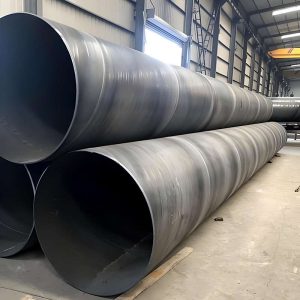
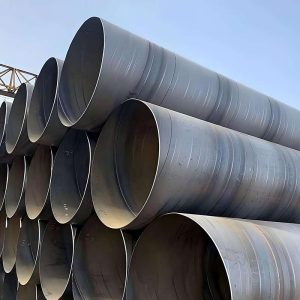
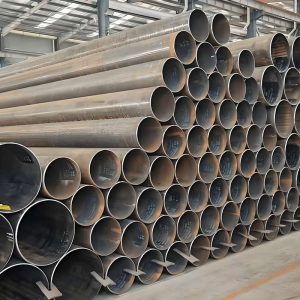
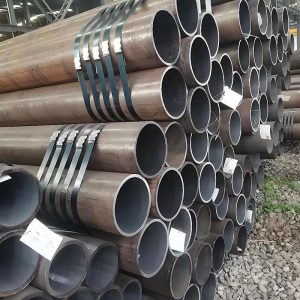
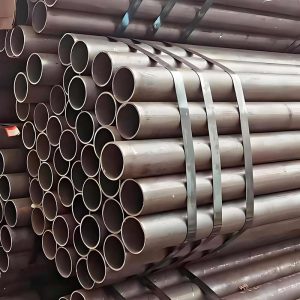
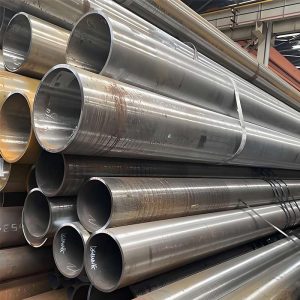
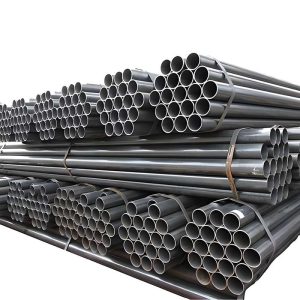
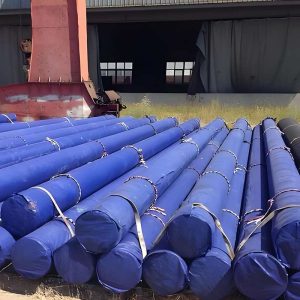
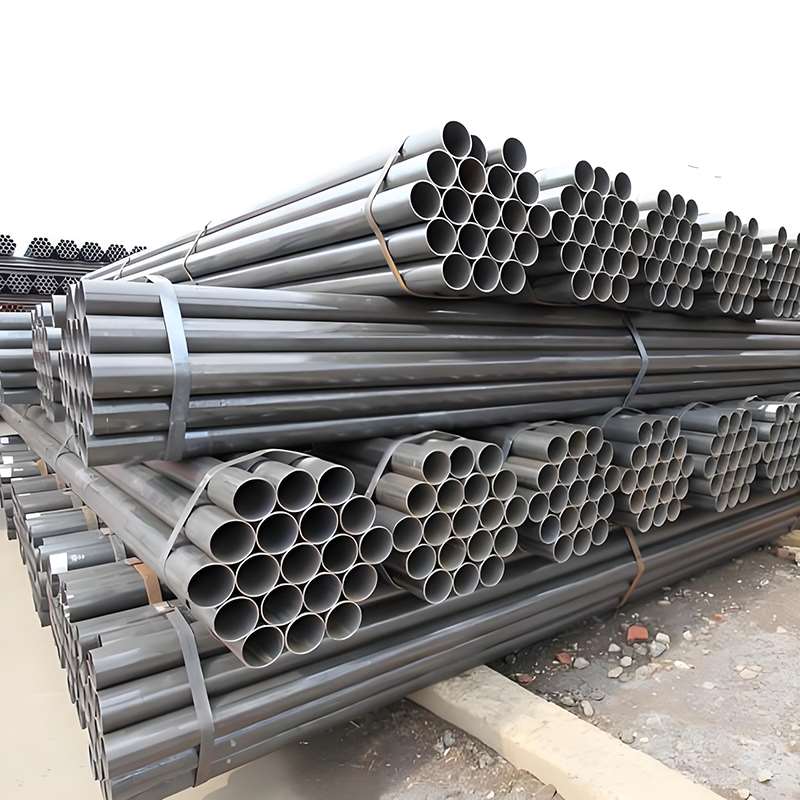
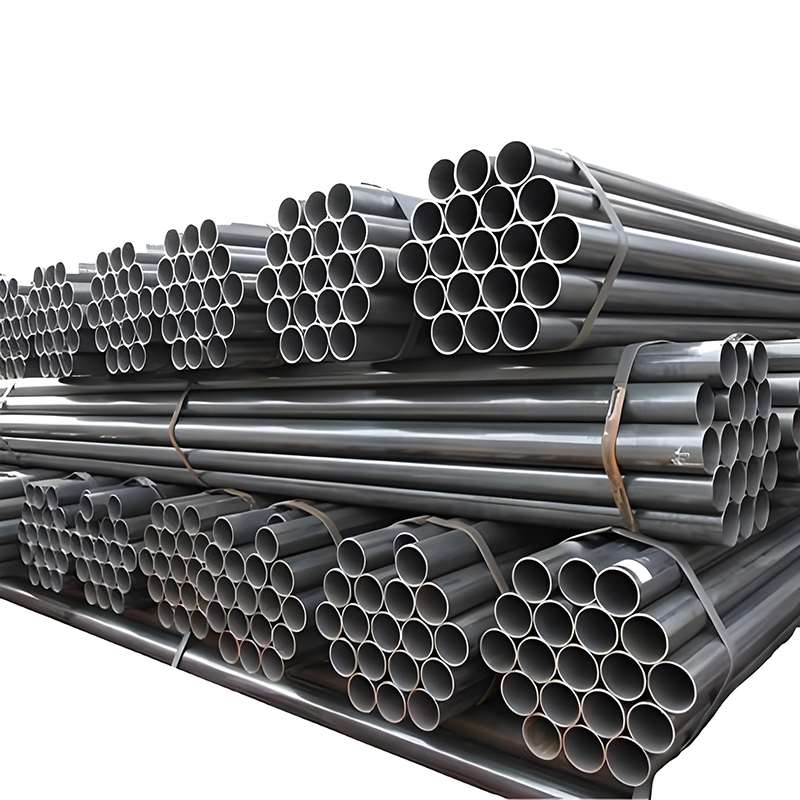
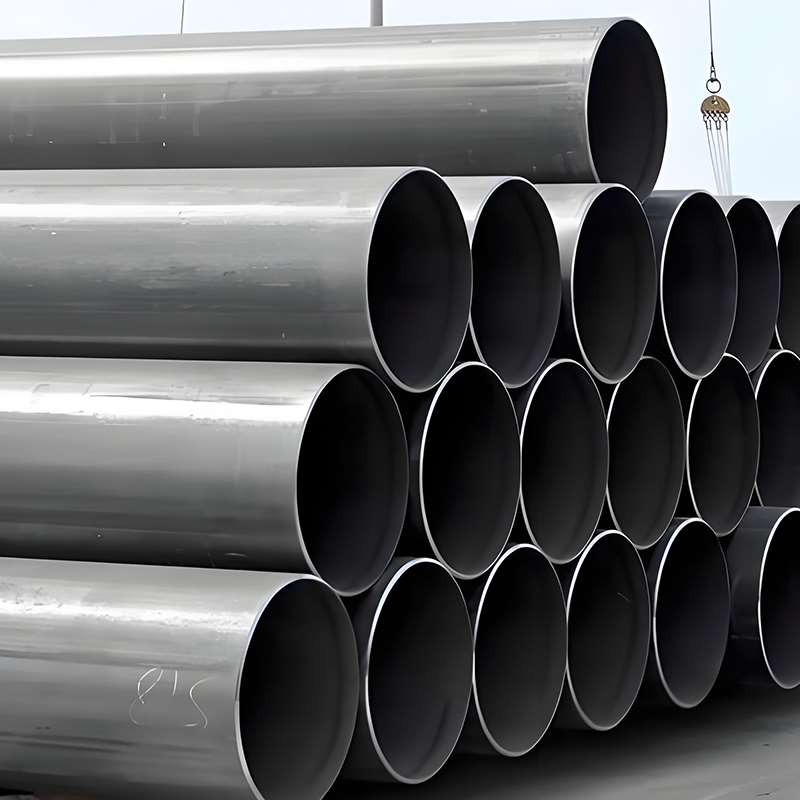
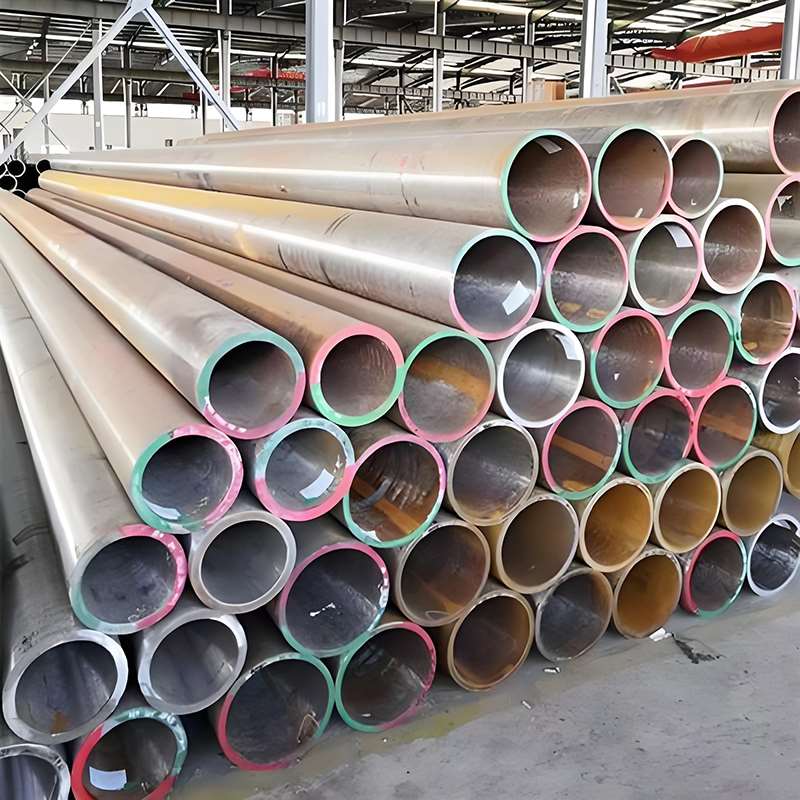
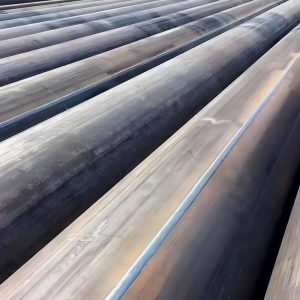
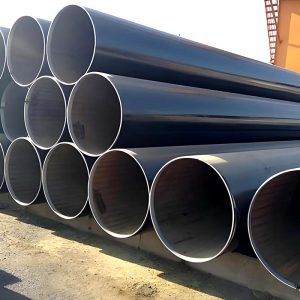
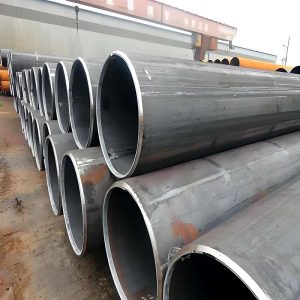
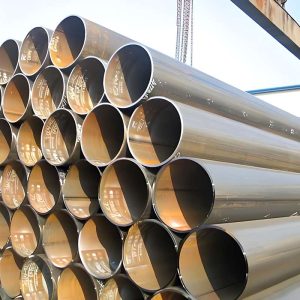
ERW Alloy Steel Structural Tube

OD Range :

21.3 – 508 mm

WT Range :

2 – 20 mm

Length :

6 – 12 m

Tolerance :

Outer diameter ±0.5 mm, wall thickness ±0.3 mm, length ±10 mm

Material :

16Mn, 20Cr, 40Cr, ASTM A500 Gr.B, ASTM A519

Standard :

ASTM A500, ASTM A513, GB/T 14976, EN 10219

Surface :

Hot-dip galvanizing, painting, pickling, black pipe

Application :

Building structural supports, mechanical frames, industrial pipe supports, equipment brackets, guardrails, furniture manufacturing.

Introduction :

Alloy steel pipes manufactured using the electric resistance welding (ERW) process have uniform welds, precise dimensions, and high strength.

I. Overview of ERW Alloy Steel Structural Pipes

ERW alloy steel structural pipes are a type of alloy steel pipe manufactured using a high-frequency resistance welding process. This process results in uniform welds, precise dimensions, and stable wall thickness, ensuring structural strength and safety.

II. Applications and Use Cases of ERW Alloy Steel Structural Tubes

  1. Building Structure Support
    Used for frame structures and load-bearing supports in factories, warehouses, office buildings, and other structures.
    High strength and precise dimensions ensure structural stability and safety.
  2. Mechanical Brackets and Equipment Frames
    Suitable for support frames, machine frames, and frame structures of mechanical equipment, automation devices, and industrial equipment.
    Good welding performance and easy processing, capable of withstanding heavy loads.
  3. Industrial Pipeline Support
    Used for supporting, fixing, and protecting pipeline systems.
    Suitable for medium and low-pressure liquid or gas pipelines, ensuring the safety and stability of the pipeline.
  4. Guardrails and Fencing Systems
    Can be used for road guardrails, factory fences, and safety protection facilities.
    Corrosion-resistant and aesthetically pleasing, suitable for long-term outdoor use.
  5. Furniture and Decorative Tubing
    Used for office furniture, outdoor furniture, and interior decorative tubing.
    The tube surface can be painted or galvanized, making it beautiful, durable, and easy to process.
  6. Temporary Engineering and Outdoor Structures
    Used for temporary structures such as billboard supports, exhibition facilities, and scaffolding.
    Easy to transport and install, suitable for quick construction and dismantling projects.

III. Load-Bearing Capacity of ERW Alloy Steel Structural Pipes

1. Factors Affecting Load-Bearing Capacity

  • Material Grade: Commonly used alloy steels such as 16Mn, 20Cr, and 40Cr offer high strength and good toughness.
  • Outer Diameter and Wall Thickness: Larger diameter and thicker wall result in higher load-bearing capacity.
  • Welding Process: ERW high-frequency resistance welding ensures uniform and continuous welds, improving overall strength.
  • Processing and Straightening: Straightened pipes should have good straightness to reduce localized stress concentrations.

2. Characteristics of Load-Bearing Capacity

Suitable for building structure support and mechanical frames, capable of withstanding medium to high axial loads.
When used for pipe supports and industrial equipment frames, it ensures structural stability and long-term reliability.
Compared to ordinary carbon steel structural pipes, alloy steel ERW pipes have higher load-bearing capacity while being relatively lighter, facilitating construction and installation.

IV. ERW Alloy Steel Structural Pipe Selection Guide

1. Building Structures and Load-Bearing Frames

Operating conditions: Heavy load-bearing, requiring long-term structural stability and a high safety factor.

Recommended specifications:

  • Outer diameter: 60–219 mm
  • Wall thickness: 5–12 mm
  • Material: 16Mn, ASTM A500 Gr.B

Surface treatment: Painting is acceptable for indoor use; hot-dip galvanizing is recommended for outdoor use.
Note: Select medium to large diameter, high-strength pipes with uniform welds and good straightness to ensure the load-bearing capacity of the frame.

2. Mechanical Supports and Equipment Frames

Operating Conditions: Medium load-bearing capacity, easy processing and welding, stable structure

Recommended Specifications:

  • Outer Diameter: 33.7–114.3 mm
  • Wall Thickness: 3–8 mm
  • Material: 20Cr, ASTM A519

Surface Treatment: Black pipe or painted
Note: Medium-diameter pipes are lightweight and have sufficient load-bearing capacity, making them easy to weld and cut, and offering flexible processing options.

3. Industrial Pipe Supports

Operating Conditions: Medium to heavy pipe weight, requiring long-term support for the piping system.

Recommended Specifications:

  • Outer Diameter: 48.3–168 mm
  • Wall Thickness: 4–10 mm
  • Material: 16Mn, 20Cr

Surface Treatment: Painted or galvanized, for corrosion resistance.
Note: The pipe material should ensure sufficient load-bearing capacity and rigidity. A wall thickness slightly greater than that of light-duty pipes should be selected to accommodate pipe vibration and temperature changes.

4. Guardrail and Fence Systems

Operating conditions: Light load-bearing, small to medium-sized structures, high corrosion resistance required

Recommended specifications:

  • Outer diameter: 21.3–60.3 mm
  • Wall thickness: 2–5 mm
  • Material: 16Mn, Q235

Surface treatment: Hot-dip galvanizing or powder coating
Note: Lightweight pipes facilitate construction, and galvanizing or powder coating improves outdoor weather resistance.

5. Furniture and Decorative Tubing

Operating Conditions: Light load, emphasis on aesthetics, capable of withstanding daily use loads

Recommended Specifications:

  • Outer Diameter: 21.3–48.3 mm
  • Wall Thickness: 2–4 mm
  • Material: Q235, 16Mn

Surface Treatment: Painting or galvanizing to enhance aesthetics and durability
Note: Lightweight tubing is easy to process, provides light load-bearing capacity, and ensures a decorative effect.

6. Temporary Structures and Outdoor Structures

Working Conditions: Temporary construction, requiring easy transportation and quick installation, with moderate load-bearing capacity.

Recommended Specifications:

  • Outer Diameter: 33.7–89 mm
  • Wall Thickness: 3–6 mm
  • Material: 16Mn

Surface Treatment: Painting or galvanizing for corrosion protection
Note: Selecting small to medium diameter pipes facilitates assembly and disassembly while meeting load-bearing requirements.
Related Products

ERW Alloy Steel Structural Pipe Specifications and Dimensions Table

Inch Outside Diameter (mm) Wall Thickness (mm) Theoretical Weight (kg/m) Tolerance
1/2″ 21.3 2, 2.5, 3, 3.5, 4, 5 1.3 – 3.2 OD ±0.5, WT ±0.3
3/4″ 26.9 2, 2.5, 3, 3.5, 4, 5, 6 1.7 – 4.2 OD ±0.5, WT ±0.3
1″ 33.7 2, 2.5, 3, 3.5, 4, 5, 6, 7 2.1 – 5.6 OD ±0.5, WT ±0.3
1 1/4″ 42.4 2, 2.5, 3, 3.5, 4, 5, 6, 7, 8 2.6 – 7.2 OD ±0.5, WT ±0.3
1 1/2″ 48.3 2, 2.5, 3, 3.5, 4, 5, 6, 7, 8, 9 3.0 – 8.1 OD ±0.5, WT ±0.3
2″ 60.3 2, 2.5, 3, 3.5, 4, 5, 6, 7, 8, 9, 10 3.8 – 11.0 OD ±0.5, WT ±0.3
2 1/2″ 76.1 3, 4, 5, 6, 7, 8, 9, 10, 11, 12 4.7 – 15.2 OD ±0.5, WT ±0.3
3″ 88.9 3, 4, 5, 6, 7, 8, 9, 10, 11, 12, 13 5.5 – 18.5 OD ±0.5, WT ±0.3
4″ 114.3 4, 5, 6, 7, 8, 9, 10, 11, 12, 13, 14, 15 7.5 – 25.0 OD ±0.5, WT ±0.3
5″ 141.3 5, 6, 7, 8, 9, 10, 11, 12, 13, 14, 15, 16 9.2 – 32.0 OD ±0.5, WT ±0.3
6″ 168.3 6, 7, 8, 9, 10, 11, 12, 13, 14, 15, 16, 18, 20 11.0 – 45.0 OD ±0.5, WT ±0.3
8″ 219.1 8, 9, 10, 11, 12, 13, 14, 15, 16, 18, 20 17.0 – 67.0 OD ±0.5, WT ±0.3
10″ 273.0 10, 12, 14, 15, 16, 18, 20 24.0 – 95.0 OD ±0.5, WT ±0.3
12″ 323.9 12, 14, 16, 18, 20 32.0 – 125.0 OD ±0.5, WT ±0.3
14″ 355.6 14, 16, 18, 20 38.0 – 150.0 OD ±0.5, WT ±0.3
16″ 406.4 16, 18, 20 48.0 – 185.0 OD ±0.5, WT ±0.3
18″ 457.0 18, 20 60.0 – 220.0 OD ±0.5, WT ±0.3
20″ 508.0 20 75.0 OD ±0.5, WT ±0.3


ERW alloy steel structural pipe standards

Standard Category Standard No. Scope / Description
International Standard / ASTM ASTM A500 Applicable to ERW alloy steel pipes for construction and general structural applications; specifies chemical composition, mechanical properties, and dimensional tolerances.
International Standard / ASTM ASTM A513 Used for mechanical structural applications and tube processing; emphasizes weld quality and mechanical performance.
National Standard / GB (China) GB/T 14976 Electric resistance welded alloy steel structural pipes for construction, machinery, and industrial structures; specifies dimensions, wall thickness, and mechanical properties.
National Standard / GB (China) GB/T 3091 Seamless and welded alloy steel pipes for high- and low-pressure fluid transportation; some sizes are also suitable for structural support and industrial applications.
European Standard / EN EN 10219 Cold-formed welded square, rectangular, and circular steel tubes for structural use; specifies dimensions, tolerances, mechanical properties, and weld quality.

Description:

1. Application-Oriented:
Building and Mechanical Structures: ASTM A500 / GB/T 14976 / EN 10219
Industrial Machinery Frames: ASTM A513 / GB/T 3091
2. Testing and Selection:
The standards specify not only dimensions and wall thickness, but also chemical composition, mechanical properties, weld quality, and tolerance requirements, serving as an important basis for procurement, design, and acceptance.
3. Internationally Applicable:
Combining ASTM, GB, and EN standards facilitates selection for domestic and international customers, ensuring that the pipes can be used in global construction and industrial projects.


ERW Alloy Steel Structural Pipe Production Process Flow

Coil Unwinding → Leveling → Roll Forming → Edge Preparation → High-Frequency Resistance Welding → Weld Seam Shaping → Straightening → Cutting → Dimensional Inspection → Surface Treatment → Packaging and Shipment

Brief Description of Each Step:

1. Uncoiling:
The steel coil is placed into the uncoiling machine and unrolled into a flat steel strip, preparing it for forming.

2. Leveling:
The steel strip is straightened using a leveling machine to remove any bends or waves, resulting in a flat and smooth strip.

3. Roll Forming:
The steel strip is rolled into a circular tube blank using forming rollers, creating the preliminary shape of the pipe.

4. Edge Preparation:
The edges of the steel strip are cut and beveled to ensure smooth welding and uniform welds.

5. High-Frequency Resistance Welding (ERW):
A high-frequency current is applied along the pipe seam to create a strong weld.

6. Weld Seam Shaping:
The weld seam is corrected using pressing or shaping equipment to ensure uniform pipe wall thickness and a smooth weld.

7. Straightening:
Bends and warps are removed from the pipe to ensure its straightness meets the standards.

8. Cutting:
The pipe is cut to the required length according to customer specifications, ensuring accurate length.

9. Dimensional Inspection:
The outer diameter, wall thickness, and weld quality are inspected to ensure compliance with standards.

10. Surface Treatment:
Hot-dip galvanizing, painting, or pickling can be performed to improve corrosion resistance and aesthetics.

11. Packaging and Shipping:
The finished products are bundled and packaged for convenient transportation and storage.


ERW Alloy Steel Structural Pipe Inspection Standards

Inspection Item Inspection Content / Method Purpose Applicable Standards
Visual & Surface Inspection Check surface for cracks, laps, porosity, dents, corrosion, scratches; inspect ERW weld seam for continuity and uniformity Ensure appearance quality and basic service safety ASTM A500 / A513, EN 10219, GB/T 6728
Dimensional & Tolerance Inspection Measure OD, wall thickness, length, ovality, straightness Ensure compliance with dimensional tolerances and installation requirements ASTM A500 Table 1, EN 10219-2, GB/T 3091
Chemical Composition Analysis Analyze C, Mn, Si, P, S, Cr, Mo, Ni (as required by grade) using OES Verify alloy composition and material stability ASTM A500 / A513, EN 10219, GB/T 14976
Mechanical Properties Testing Tensile strength, yield strength, elongation tests Confirm load-bearing capacity meets design requirements ASTM A370, EN ISO 6892-1, GB/T 228.1
Weld Seam Mechanical Testing Flattening, flaring, or bend tests (as applicable) Verify weld seam integrity and strength consistency ASTM A500 / A513, EN 10219, GB/T 244
Non-Destructive Testing (NDT) Ultrasonic testing (UT) or Eddy Current testing (ET) for weld and body Detect internal defects, enhance structural safety ASTM A999, EN ISO 10893, GB/T 7735
Impact Test (If Required) Charpy V-notch test at specified temperature Ensure toughness for low-temperature or critical structures EN 10219 (J2 / NH), ASTM supplementary requirements
Surface Treatment Inspection Check galvanizing thickness or coating uniformity Ensure corrosion protection and service life ASTM A123 / A153, EN ISO 1461

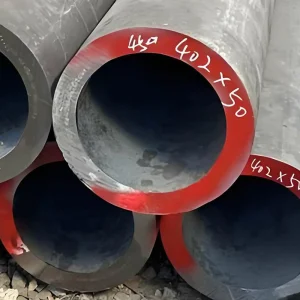
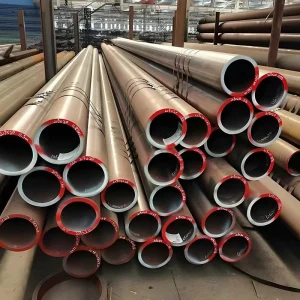
High-strength ERW alloy steel structural tube for construction and industry

ERW Alloy Steel Structural Pipe Procurement: Frequently Asked Questions and Considerations (FAQ)

Q1. How to select the appropriate ERW alloy steel structural pipe?

A:
The selection should be based on the application, load-bearing requirements, and installation environment to determine the pipe specifications, wall thickness, and material.
For example: Building structural support requires large-diameter, high-strength pipes; mechanical supports can use medium-diameter pipes that are easy to weld and process; outdoor environments require galvanized or coated anti-corrosion pipes.

Q2. How to determine the material grade of ERW pipes?

A:
Common materials include 16Mn, 20Cr, 40Cr, ASTM A500 Gr.B, and ASTM A519. During procurement, select the material based on design strength, welding requirements, and corrosion resistance needs. Request a material certificate (Mill Test Certificate) if necessary.

Q3. What are the requirements for pipe length and tolerances?

A:
Standard lengths are generally 6–12 meters, and custom lengths are available. Tolerances are typically ±0.5 mm for outer diameter, ±0.3 mm for wall thickness, and ±10 mm for length. Confirm the dimensions and tolerances during procurement to ensure smooth construction and installation.

Q4. How is the weld quality of ERW alloy steel pipes ensured?

A:
ERW pipes use high-frequency resistance welding technology, resulting in uniform and continuous welds. When purchasing, you can request weld inspection reports or ultrasonic/magnetic particle testing results to ensure the safety and reliability of the pipes.

Q5. What should be considered regarding surface treatment?

A:
For indoor dry environments, black pipes or painted pipes are suitable.
For outdoor or humid environments, hot-dip galvanizing or anti-corrosion coatings should be used.
Confirm the surface treatment method during procurement to ensure durability and aesthetics.

Q6. What are the precautions for transportation and acceptance?

A:
During transportation, pipes should be placed horizontally to avoid bending or collision.
Upon arrival, check the appearance, dimensions, welds, and surface treatment to ensure they meet the standards.
For critical load-bearing structures, it is recommended to conduct random mechanical property or chemical composition testing to ensure safety and reliability.