Products

Related News

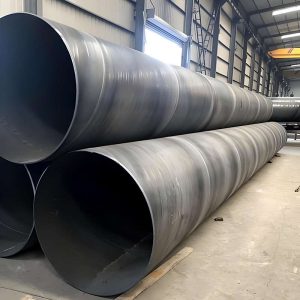
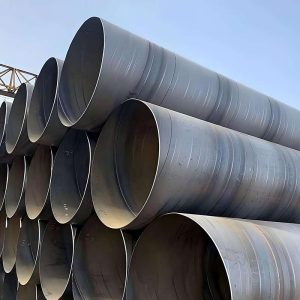
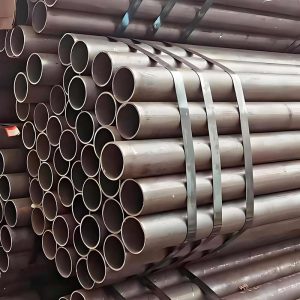
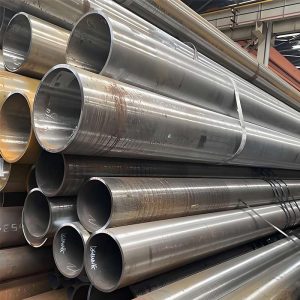
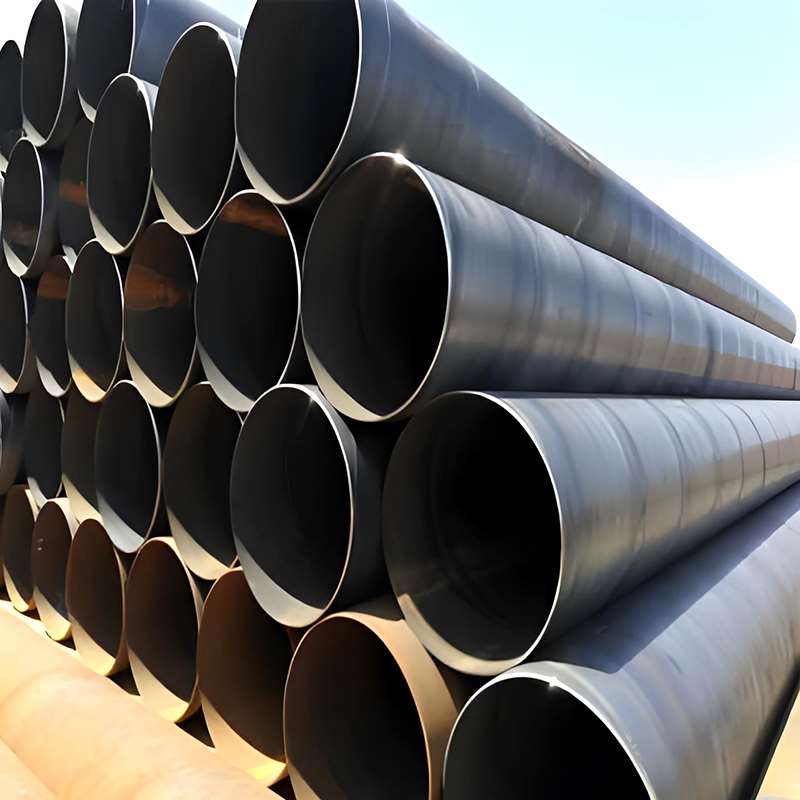
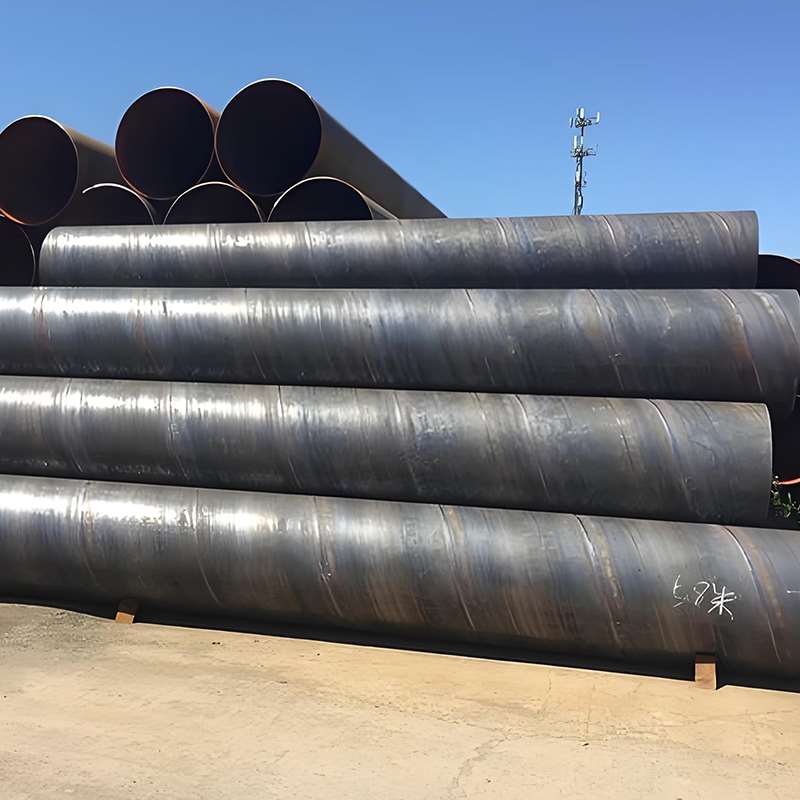
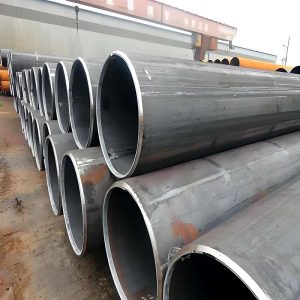
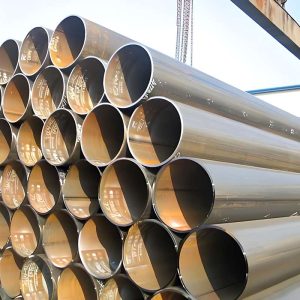
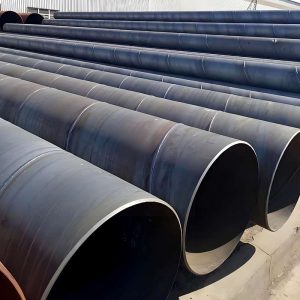
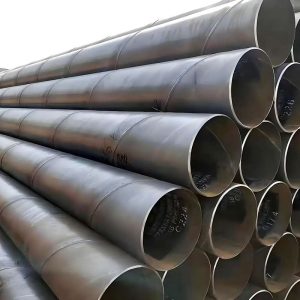
Large Diameter SSAW Pipe

OD Range :

Φ219 mm – Φ3520 mm

WT Range :

6.0 mm – 40.0 mm

Length :

6 m / 9 m / 12 m

Tolerance :

Outer diameter: ±1% or ±0.5 mm / Wall thickness: ±10% / Ovality: ≤ 1% of outer diameter / Straightness: ≤ 0.2% of length

Material :

Q235B、Q355B、API 5L Gr.B 、X42、X52 、X60

Standard :

GB/T 9711、API 5L、ASTM A252/A139、EN 10219、EN 10208

Surface :

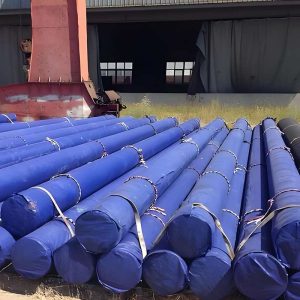
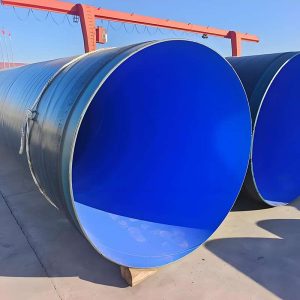
Black pipe / Anti-rust oil / Painting / FBE / 3LPE / 3PP

Application :

Water supply pipelines, municipal engineering, piling engineering, structural pipes, low to medium pressure oil and gas pipelines.

I. What are large-diameter SSAW pipes?

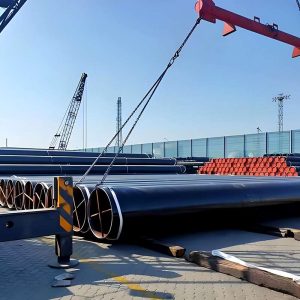
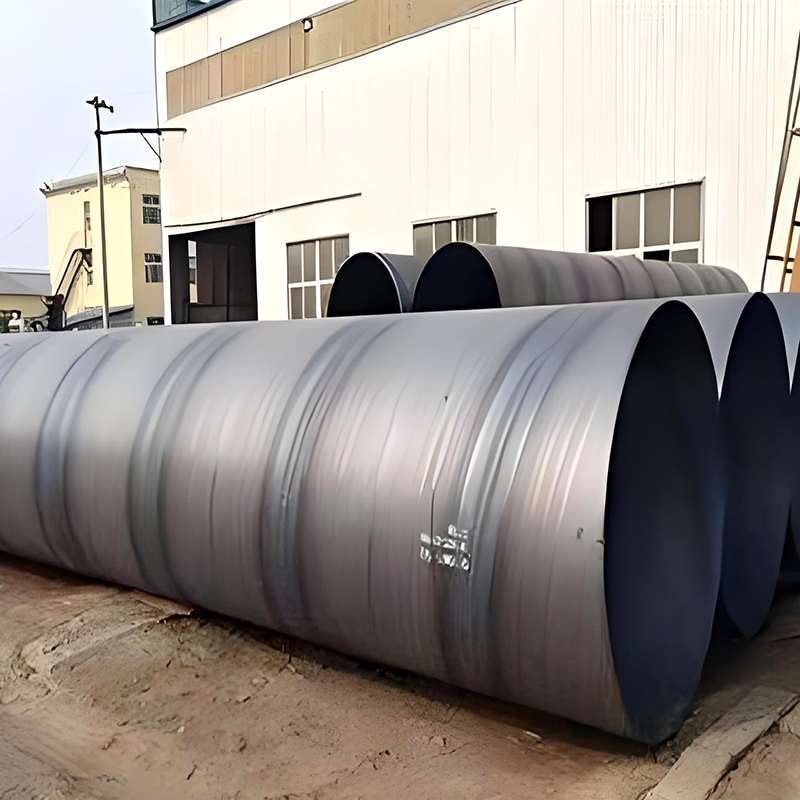
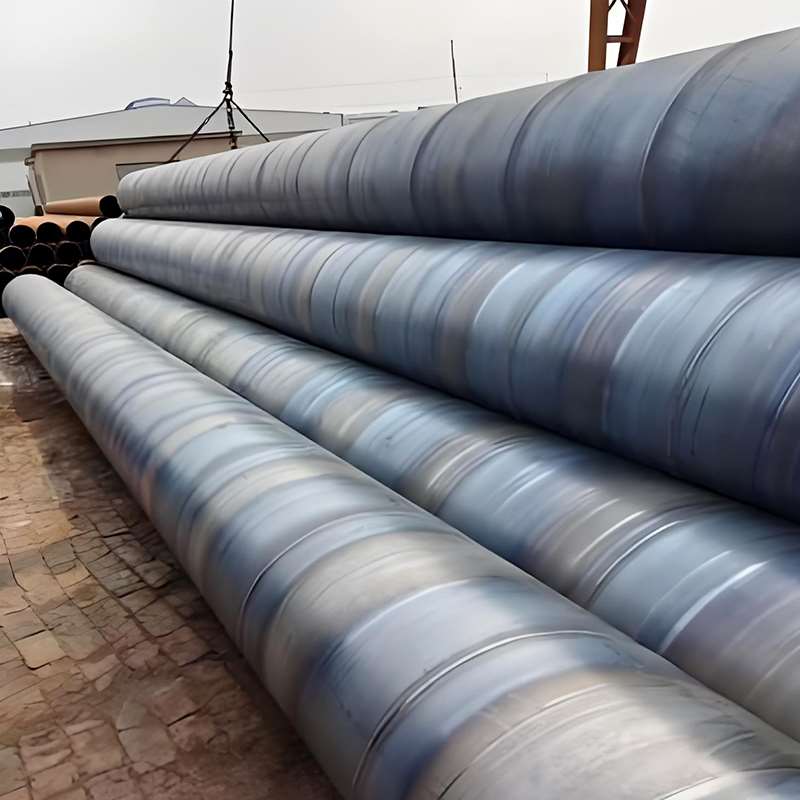
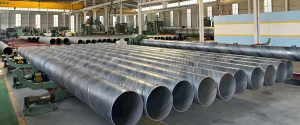
SSAW pipes are large-diameter welded steel pipes made from hot-rolled steel plates using a spiral coiling and double-sided submerged arc welding process. The spiral weld seam runs throughout the pipe body, ensuring even stress distribution when the pipe is under pressure, and making it suitable for producing ultra-large diameter steel pipes.

Key advantages:

  • Can produce ultra-large diameter steel pipes from Φ219 to Φ3520 mm
  • Flexible wall thickness, typically 6–40 mm
  • Lower cost and high raw material utilization
  • Short delivery time, meeting the needs of projects with tight deadlines.

II. Key Selection Points for Large Diameter SSAW Pipes

1. Confirm Engineering Standards and Materials

  • Domestic Standards: GB/T 9711 (for transportation), GB/T 6728 (for structural use)
  • International Standards: API 5L (oil and gas pipelines), ASTM A252/A139, EN 10219, EN 10208
  • Common Materials/Grades: Q235B, Q355B, X42, X52, X60, API 5L Gr.B
  • When selecting, choose the standard and material based on the engineering application, pressure rating, and type of medium.

2. Pipe Diameter and Wall Thickness Selection

  • Outer Diameter Range: Φ219 – Φ3520 mm
  • Wall Thickness Range: 6–40 mm
  • Wall Thickness Tolerance: ±10%, Outer Diameter Tolerance ±1% or ±0.5 mm
  • Thin-walled pipes can be selected for large-diameter low-pressure projects; thick-walled pipes are required for high-pressure or structurally demanding applications.

3. Weld Quality and Inspection Requirements

  • Welding Method: Double-sided spiral submerged arc welding (SAW)
  • Key Inspection: 100% ultrasonic testing (UT) of internal and external welds, and radiographic testing (RT) when necessary.
  • Precautions: Ensure smooth weld bevel processing and uniform gaps to avoid pores and cracks.

4. Corrosion Protection Options

  • Common methods: Black pipe, rust-inhibiting oil, painting, FBE, 3LPE, 3PP
  • For buried or humid environments: Multi-layer corrosion protection (3LPE/3PP) is recommended.
  • The anti-corrosion layer directly affects the service life of the pipeline; protection should be ensured during construction and transportation.

5. Pipe End Form and Length

  • Pipe end form: Plain end / Beveled end (according to ASME B16.25)
  • Length options: Standard 6 / 9 / 12 m, customizable up to 18 m
  • Select custom-length pipes according to construction requirements to reduce on-site welding and improve construction efficiency.

6. Applicable Engineering Scenarios

  • Water pipelines, municipal drainage pipes: Large diameter, low to medium pressure, emphasis on corrosion protection
  • Piling and structural pipes: High bending strength requirements, moderate wall thickness
  • Low to medium pressure oil and gas pipelines: Strict adherence to API 5L standards for material selection to ensure safety
  • When selecting, consider the project type, pressure rating, media characteristics, and cost factors.

III. Precautions During Use

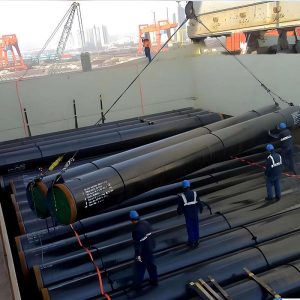
  • Construction and Bending Control: Large-diameter pipes are heavy; bending must be avoided during lifting and laying.
  • Welding Quality: The beveling of the pipe ends must be smooth, and welding parameters must be strictly controlled.
  • Corrosion Protection: The anti-corrosion coating must not be scratched at the construction site, and regular inspections are required.
  • Regular Maintenance: For long-term water or oil and gas pipelines, non-destructive testing is recommended every 5–10 years.
Related Products

Large Diameter SSAW Carbon Steel Pipe Specifications and Dimensions Table

Nominal Diameter DN / Inch Outer Diameter (mm) Wall Thickness (mm) Theoretical Weight (kg/m) Design Pressure Reference (MPa)
DN200 / 8″ 219 6.0 38.5 1.6–2.5
DN250 / 10″ 273 6.0 47.8 1.6–2.5
DN300 / 12″ 323 7.0 66.5 1.6–2.5
DN400 / 16″ 426 8.0 105.0 1.6–2.5
DN500 / 20″ 530 10.0 172.5 1.6–2.5
DN600 / 24″ 630 12.0 246.5 1.6–2.5
DN700 / 28″ 720 12.0 282.0 1.6–2.5
DN800 / 32″ 820 14.0 386.0 1.6–2.5
DN900 / 36″ 920 16.0 523.0 1.6–2.5
DN1000 / 40″ 1020 16.0 579.0 1.6–2.5
DN1200 / 48″ 1220 18.0 800.0 1.6–2.5
DN1400 / 56″ 1420 20.0 1100.0 1.6–2.5
DN1600 / 64″ 1620 22.0 1420.0 1.6–2.5
DN1800 / 72″ 1820 25.0 1850.0 1.6–2.5
DN2000 / 80″ 2020 28.0 2350.0 1.6–2.5
DN2200 / 88″ 2220 30.0 2850.0 1.6–2.5
DN2400 / 96″ 2420 32.0 3400.0 1.6–2.5
DN2600 / 104″ 2620 35.0 4100.0 1.6–2.5
DN2800 / 112″ 2820 38.0 4800.0 1.6–2.5
DN3000 / 120″ 3020 40.0 5550.0 1.6–2.5
DN3200 / 128″ 3220 40.0 6000.0 1.6–2.5
DN3500 / 138″ 3520 40.0 6500.0 1.6–2.5

International Standards Table for Large Diameter SSAW Carbon Steel Pipes

Standard No. Standard Name Application Scope Pipe Type
API 5L Specification for Line Pipe Transportation of oil, natural gas, and water pipelines SSAW / LSAW / PSL1 & PSL2
ASTM A252 Standard Specification for Welded and Seamless Steel Pipe Piles Welded or seamless piling pipes SSAW / HFW / Seamless
ASTM A139 / A139M Standard Specification for Electric-Fusion-Welded Steel Pipe (NPS 4 and Over) Electric-fusion welded steel pipes (including spiral and longitudinal welded) SSAW / LSAW
ASTM A252 / A53 / A135 (related) Standards for welded steel pipes for piling and structural use Structural steel pipes, welded or seamless SSAW / HFW / Seamless
EN 10219 Cold Formed Welded Structural Hollow Sections of Non-Alloy and Fine Grain Steels Cold-formed welded structural steel pipes SSAW / Structural welded pipes
EN 10208-1 / 10208-2 Steel Pipes for Pipelines for Combustible Fluids Transportation of gas, oil & petrochemical products SSAW / LSAW
ISO 3183 Petroleum and Natural Gas Industries — Steel Pipe for Pipeline Transportation Systems Steel pipes for oil and gas pipeline transportation SSAW / LSAW
MSS SP-44 / SP-75 (American Valve & Fitting Standards) Steel Pipe Specification for High Pressure Pipeline Steel pipes for high-pressure oil pipelines SSAW / HFW / LSAW


Large Diameter SSAW Carbon Steel Pipe Production Process Flow

Hot-rolled steel plate preparation → Uncoiling → Edge processing → Spiral pipe forming → Submerged arc welding → Weld inspection → Straightening → Cutting to length → Beveling → Surface treatment → Finished product inspection → Packaging and shipment

1. Hot-rolled steel plate preparation
Select qualified hot-rolled steel plate raw materials with chemical composition and mechanical properties meeting standard requirements.

2. Uncoiling
Uncoil the hot-rolled steel coil into sheets, ensuring the sheets are flat and free from curled edges or cracks.

3. Edge processing
Bevel or chamfer the edges of the steel plate to facilitate subsequent spiral welding.

4. Spiral pipe forming
The steel plate is spirally rolled into a circular pipe shape on a pipe forming machine, controlling the outer diameter and straightness.

5. Submerged arc welding
Double-sided submerged arc welding is performed to form a weld seam, ensuring the strength and sealing of the pipe body.

6. Weld seam inspection
The weld seam is fully inspected using ultrasonic testing (UT) or radiographic testing (RT), and any defects are repaired promptly.

7. Straightening
The welded pipe is straightened to ensure that the straightness and ovality meet standard requirements.

8. Cutting to length
The pipe is cut to the specified length according to customer requirements, generally 6/9/12 m, and can be customized up to 18 m.

9. Beveling
The pipe ends are beveled or end-faced to facilitate on-site welding and installation.

10. Surface treatment
Depending on the application, anti-rust treatment or anti-corrosion coating (FBE, 3LPE, 3PP, etc.) is applied to enhance the durability of the pipe.

11. Finished product inspection
A comprehensive inspection of appearance, dimensions, wall thickness, anti-corrosion coating, and markings is performed to ensure outgoing quality.

12. Packaging and shipping
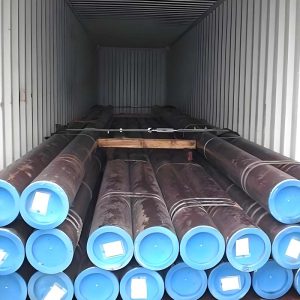
The pipes are secured with brackets or steel straps to prevent scratching or deformation during transportation, and then prepared for shipment.


Inspection Standards for Large-Diameter SSAW Carbon Steel Pipes

Inspection Item Test Method Purpose / Requirement
Visual Inspection Visual check, coil inspection Check the pipe surface for cracks, dents, porosity, edge curling, or scratches
Dimensional Inspection OD, wall thickness, and length measurement Ensure outside diameter, wall thickness, and length meet design requirements and standard tolerances
Ovality & Straightness Gauge measurement, bend measurement OD ovality ≤ 1% of OD; pipe straightness ≤ 0.2% of length
Weld Seam NDT Ultrasonic Testing (UT), Radiographic Testing (RT) Detect internal weld defects such as porosity, slag inclusions, cracks; ensure weld quality
Hydrostatic / Pneumatic Test Hydrostatic or pneumatic pressure test Verify pipe pressure resistance and ensure sealing and strength performance
Chemical Composition Analysis Spectrometer, chemical analysis Confirm chemical composition meets standard requirements to guarantee mechanical properties and corrosion resistance
Mechanical Properties Test Tensile test, yield strength, tensile strength measurement Confirm yield strength, tensile strength, and elongation meet standard requirements
Surface Coating Inspection Thickness gauge, adhesion test Check coating thickness uniformity and adhesion to ensure corrosion protection effectiveness
Bevel Inspection Visual check, gauge, bevel angle measurement Ensure bevel angle and end-face flatness meet welding requirements for on-site welding
Other Special Inspections Magnetic Particle Testing (MT), Liquid Penetrant Testing (PT) For special project requirements, detect surface micro-cracks or defects


Large Diameter SSAW Carbon Steel Pipe FAQ

Q1: What engineering applications are large-diameter SSAW pipes suitable for?

A1: They are mainly used in water pipelines, municipal drainage, piling projects, structural pipes, and low-to-medium pressure oil and gas transportation. They feature large diameter and thick walls, resulting in high construction efficiency and cost-effectiveness.

Q2: What are the differences between SSAW pipes and LSAW or seamless pipes?

A2: SSAW pipes are suitable for large-diameter, low-to-medium pressure applications, offering lower cost and shorter delivery times; LSAW pipes have higher pressure bearing capacity and are suitable for medium-to-high pressure or long-distance pipelines; seamless pipes are suitable for high-pressure, high-temperature conditions.

Q3: What are the common standards for SSAW pipes?

A3: Domestic standards: GB/T 9711, GB/T 6728; International standards: API 5L, ASTM A252/A139, EN 10219, EN 10208. The choice of standard should be based on the project type, pressure rating, and medium.

Q4: How is weld quality ensured?

A4: The inner and outer welds use double-sided spiral submerged arc welding, and 100% ultrasonic testing (UT) is performed, with radiographic testing (RT) as needed, to ensure that the welds are free of pores and cracks.

Q5: What are the options for corrosion protection coatings?

A5: Options include bare pipe, rust-preventive oil, paint, FBE, 3LPE, 3PP, etc. For buried or humid environments, multi-layer corrosion protection (3LPE/3PP) is recommended to extend service life.

Q6: What precautions should be taken during transportation and installation?

A6: Large-diameter pipes are heavy, so they should be evenly supported during transportation to avoid bending or collision. Soft slings or clamps should be used for lifting, and the anti-corrosion coating should not be scratched at the construction site.