Products

Related News

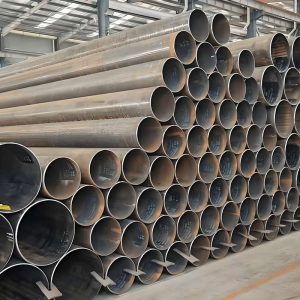
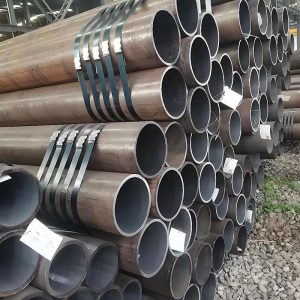
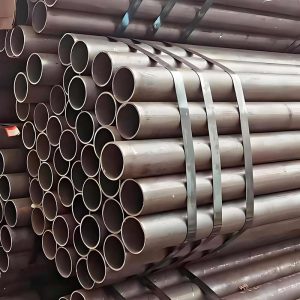
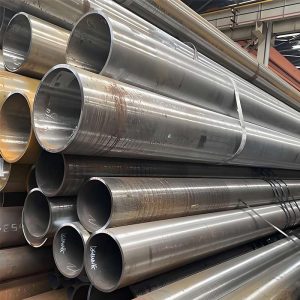
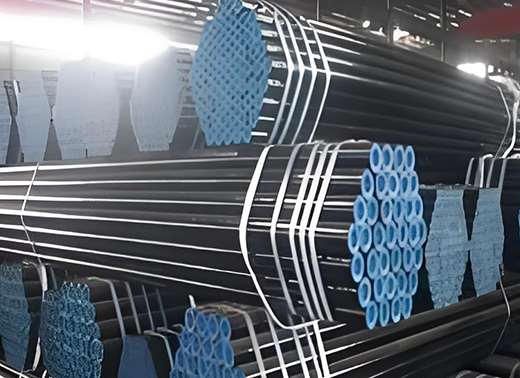
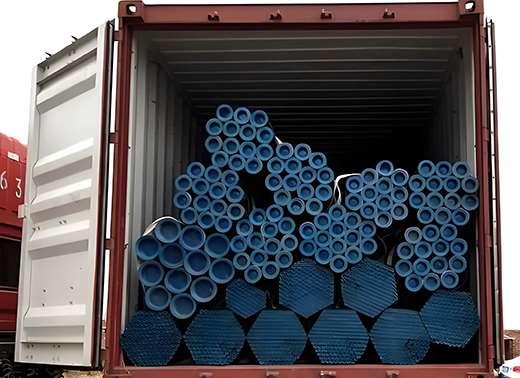
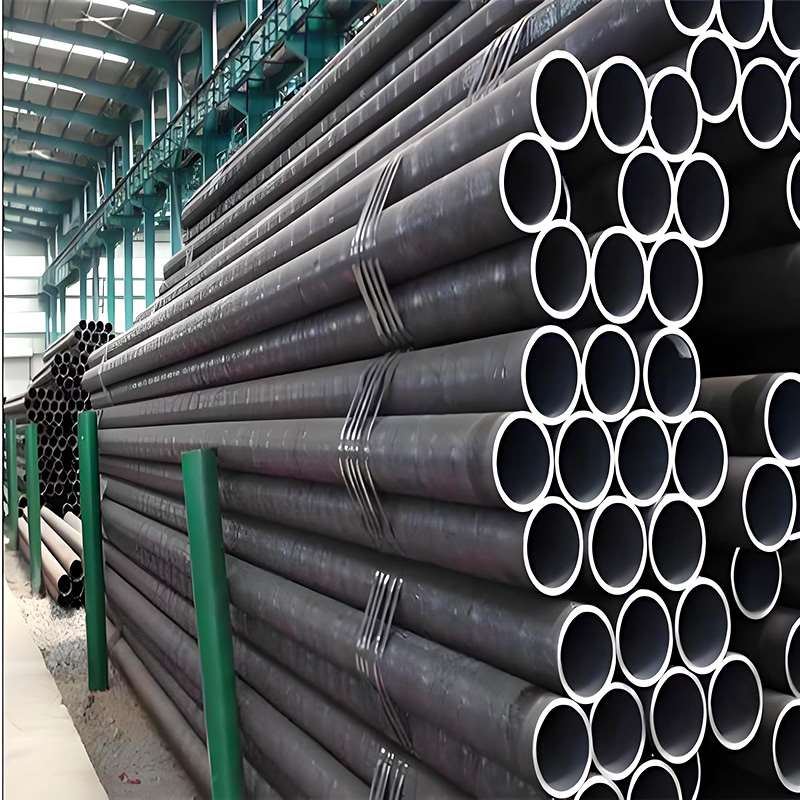
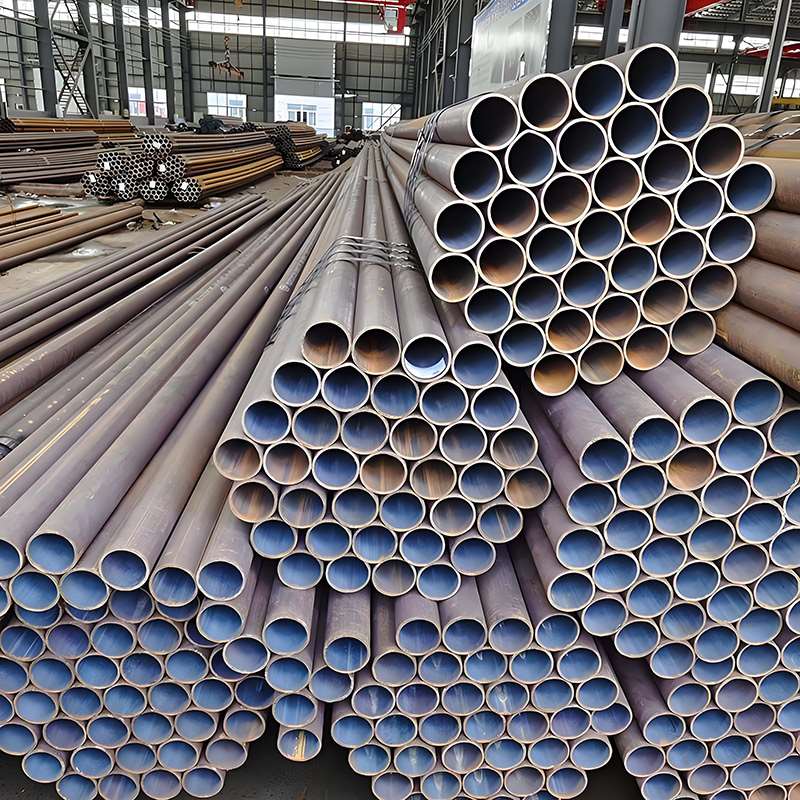
ASTM A106 Grade C Seamless Steel Pipe

OD Range :

21.3 mm ~ 610 mm

WT Range :

2.0 mm ~ 25 mm

Length :

6 m、12 m

Tolerance :

Outer diameter ±1%~±2%; wall thickness ±10%

Material :

Carbon steel

Standard :

ASTM A106 / ASME SA106

Application :

ASTM A106 Grade C seamless steel pipes are widely used in pipelines for conveying oil, natural gas, chemical and high-temperature and high-pressure boiler systems.

Introduction :

ASTM A106 Grade C Seamless Steel Pipe is a high-quality carbon steel pipe designed for high-temperature and high-pressure applications in oil, gas, chemical, and power industries.

I. Introduction to ASTM A106 Grade C Seamless Steel Pipe

ASTM A106 Grade C seamless carbon steel pipe is a high-strength seamless steel pipe conforming to the ASTM A106 standard, specifically designed for high-temperature and high-pressure fluid transportation, steam piping, and boiler piping.

Its seamless structure ensures excellent pressure resistance and long-term stability. This pipe is resistant to high temperatures and pressures, and boasts high reliability, making it an ideal choice for industrial high-temperature and high-pressure engineering projects.

II. Chemical Composition and Mechanical Properties of ASTM A106 Grade C Seamless Carbon Steel Pipe

i. Chemical Composition and Function

ElementContent RangeFunction and Description
Carbon (C)≤0.35%Increases pipe strength and hardness, allowing the pipe to withstand high temperature and pressure; slightly higher carbon improves high-temperature resistance, but excessive carbon reduces weldability.
Manganese (Mn)0.29–1.06%Enhances yield and tensile strength, improves high-temperature strength and toughness; helps deoxidation and reduces inclusions in steel.
Silicon (Si)0.10–0.35%Improves high-temperature oxidation resistance and strength, enhances heat resistance, and improves elasticity and thermal stability.
Phosphorus (P)≤0.045%Excess phosphorus reduces toughness; controlling low content maintains high-temperature toughness and prevents brittleness.
Sulfur (S)≤0.05%Sulfur forms sulfides, which can reduce high-temperature toughness and weldability; controlling content ensures stability at high temperatures.

Summary:

Grade C has a higher carbon content than Grades A and B, improving its high-temperature yield strength and enabling the pipes to withstand pressure during high-temperature fluid transport.

Mn and Si enhance the steel’s high-temperature strength and oxidation resistance, ensuring high-temperature performance.

Low P and S content ensures good toughness at high temperatures and reduces brittleness.

ii. Mechanical properties

Performance IndicatorValue / RequirementDescription
Yield Strength σy≥ 276 MPaEnsures the pipe maintains sufficient pressure-bearing capacity at high temperatures and resists permanent deformation.
Tensile Strength σb415–550 MPaEnsures the pipe will not fracture under high-temperature and high-pressure conditions.
Elongation A≥ 18%Guarantees the steel pipe has adequate plasticity and toughness, allowing it to absorb stress at high temperatures without brittle failure.

iii. Why is ASTM A106 Grade C High Temperature Resistant?

Optimized Chemical Composition: High carbon, moderate amounts of manganese and silicon enhance high-temperature yield strength and oxidation resistance.

Seamless Manufacturing Process: No welds or heat-affected zones reduce high-temperature weaknesses and ensure more uniform pressure resistance.

Controlled Impurities: Low phosphorus and low sulfur ensure toughness and reduce the risk of high-temperature embrittlement.

Adaptable Mechanical Properties: High yield strength and tensile strength ensure safe operation even at temperatures around 400°C.

III. Applications of ASTM A106 C-grade seamless steel pipes

Application ScenarioOperating ConditionsRecommended ReasonAlternative Material Comparison
Steam pipelines in petroleum refining unitsLong-term operating temperature 450–550℃, pressure 4–10 MPaASTM A106 Grade C can withstand high-temperature stress relaxation and oxidation, with excellent thermal stabilityStainless steel is corrosion-resistant but costly and difficult to process
Main steam pipes in high-pressure boiler systemsTemperature 500–540℃, steam pressure 9–16 MPaGrade C has high yield strength and creep resistance, suitable for high-pressure steam environmentsAlloy steels (e.g., T11, T22) perform better at higher temperatures but are more expensive
Heat exchange tubes in chemical reaction unitsFrequent temperature cycles (200–550℃), subject to thermal fatigueSeamless structure reduces leakage risk and provides strong thermal fatigue resistanceWelded steel pipes are prone to weld cracks under frequent temperature changes
Power plant piping and high-temperature condensate return loopsLong-term exposure to hot water and high-pressure steamGrade C steel is dimensionally stable in high-temperature water environments with low thermal expansionOrdinary carbon steel (Q235) softens and deforms at these temperatures
High-pressure sections within oil & gas pipeline stationsPressure 5–12 MPa, temperature 300–400℃Maintaining sufficient wall thickness balances strength and economyFor temperatures above 550℃, ASTM A335 P-series alloy steel can be used

IV. Logic Analysis of Material Selection for ASTM A106 Seamless Steel Pipes

(1) Select Yield Strength Grade Based on Operating Pressure

When the design pressure > 5 MPa, Grade C should be selected.
The higher the yield strength, the smaller the required wall thickness, which can reduce the overall weight and cost.

(2) Select Thermal Stability Based on Medium Temperature

Below 400℃: Grade B is sufficient;
400–550℃: Grade C offers the best cost-performance ratio;
Above 550℃: Alloy steel (P11, P22) should be considered.

(3) Adjust Protection Method Based on Medium Corrosivity

If the medium contains sulfur or water vapor, external zinc coating, internal epoxy coating, FBE coating, etc., can be used for protection;
For non-corrosive media (such as superheated steam), the bare pipe can be maintained.

(4) Optimize Material Selection Based on Service Life and Maintenance Cycle

Under high temperature and high pressure, Grade C pipes with normalizing and tempering treatment should be given priority, as they have uniform structure and strong fatigue resistance;
For systems used temporarily or in the short to medium term, Grade B can be used as an alternative to reduce procurement costs.
Related Products

Nominal size DN Inches Outer diameter(mm) SCH10 SCH20 SCH40 SCH80 SCH160 XXS
15 1/2″ 21.3 2.11 2.77 2.77 3.73
20 3/4″ 26.7 2.11 2.87 2.87 3.91
25 1″ 33.4 2.77 3.38 3.38 4.55
32 1¼” 42.2 2.77 3.56 3.56 4.85
40 1½” 48.3 2.77 3.68 3.68 5.08
50 2″ 60.3 2.77 3.91 3.91 5.54
65 2½” 73.0 3.05 5.16 5.16 7.01
80 3″ 88.9 3.05 5.49 5.49 7.62
100 4″ 114.3 3.05 6.02 6.02 8.56
125 5″ 141.3 3.40 6.55 6.55 9.53
150 6″ 168.3 3.40 7.11 7.11 10.97
200 8″ 219.1 3.76 8.18 8.18 12.70
250 10″ 273.1 9.27 12.70 18.26 25.40
300 12″ 323.9 9.53 12.70 21.44 25.40
350 14″ 355.6 9.53 12.70
400 16″ 406.4 9.53 12.70
450 18″ 457.2 9.53 12.70
500 20″ 508.0 9.53 12.70
600 24″ 610.0 9.53 12.70


ASTM A106 (ASME SA106) is a standard for seamless carbon steel tubing for high-temperature applications, developed by ASTM International in the United States. It is primarily used in high-temperature and high-pressure environments, including boilers, heat exchangers, oil and gas pipelines, chemical equipment, and power systems.

This standard classifies materials into three strength grades: A, B, and C. Grade C has the highest strength and is suitable for higher temperatures, higher pressures, and more demanding operating conditions.

1. Product Scope

ASTM A106 applies to seamless carbon steel tubing used for transporting fluids under high-temperature conditions, including:

Boiler systems
Oil and gas pipelines
Steam lines
Chemical and refining plants
High-temperature process piping

It is manufactured as hot-rolled or cold-drawn (hot-expanded) seamless steel tubing.

2. Main characteristics of Grade C

Grade Yield Strength (min) Tensile Strength (min) Description
Grade A ~205 MPa ~330 MPa Lowest strength; used for general pressure systems
Grade B ~240 MPa ~415 MPa Most commonly used grade
Grade C ~275 MPa ~485 MPa Highest strength; suitable for high-temperature and high-pressure service

Grade C has higher strength and is generally used in more demanding applications such as steam, high-temperature oil, natural gas, refining, and boiler systems.

3. Chemical composition requirements (ASTM A106 Grade C)

Element Content (%)
Carbon (C) Max 0.35
Manganese (Mn) 0.29–1.06 (may increase depending on wall thickness)
Phosphorus (P) ≤ 0.035
Sulfur (S) ≤ 0.035
Silicon (Si) ≥ 0.10
Cu, Ni, Cr, Mo, V Trace amounts (≤ 0.40 / 0.40 / 0.40 / 0.15 / 0.08)

4. Dimensional Range

Standard supports a wide range of pipe diameters and wall thicknesses:
Outer Diameter Range: 10.3 mm – 1219 mm (1/8″ – 48″)
Wall Thickness: SCH10 ~ SCH160 / XXS / Special Thicknesses

Length:
Standard Length: 5–12 m
Fixed/Unfixed Length Available

5. Manufacturing Requirements

ASTM A106 Requirements:
Must be seamless steel tubing.
Hot rolling, hot expansion, and cold drawing are permitted.
Surface free of cracks, folds, delamination, inclusions, and other defects.

Ends available:
Flat (PE)
Bevel (BE)
Threaded (NPT, API)

6. Testing Requirements

Main tests required by the standard include:
Hydrostatic Test
Non-destructive Testing (NDT): UT, ET
Tensile Test
Bending/Flattening Test
Spectrometer

7. Applications

Common applications of ASTM A106 Grade C include:
High-temperature steam transmission pipelines
High-temperature oil and natural gas transmission
Coal-fired and gas-fired boiler systems
Chemical heat treatment systems
Steam manifolds and superheater tubes
High-pressure power lines
Suitable for operating conditions with temperatures up to 425°C or higher.


i. Production Flowchart

Raw material round steel → Heating → Piercing → Rolling → Sizing/Reduction → Heat Treatment → Straightening → Cutting → Inspection → Rust-proof Packaging → Finished Product Warehousing

ii. Main Production Process Description

Process Process Description Purpose
Heating Heat the round steel to 1150–1200℃ Ensure sufficient plasticity of the steel, preparing for piercing
Piercing Use an inclined-roll piercing machine to create a hollow shell Form the initial billet pipe
Pipe Rolling Extend to the required diameter and wall thickness using a three-roll or continuous mill Control outer diameter and wall thickness accuracy
Sizing / Reducing Fine-tune dimensions Ensure tolerance accuracy and improve surface quality
Heat Treatment Normalizing, annealing, quenching + tempering, etc. Improve microstructure, increase tensile strength and impact toughness
Straightening & Cutting Straighten, cut to length, remove burrs Improve appearance and dimensional accuracy
Non-Destructive Testing Ultrasonic, eddy current, magnetic particle inspection Ensure no internal defects
Surface Treatment Apply anti-rust oil coating or sandblasting Prevent corrosion and rust, facilitate storage and transportation

iii. Comparison of the effects of different processes on mechanical properties

Process Type Process Characteristics Tensile Strength (MPa) Yield Strength (MPa) Elongation (%) Impact Toughness Application Scenarios
Hot Rolling Formed in a single heating, coarse grains 485–620 ≥250 20–25 General Pressure pipes, structural pipes
Cold Drawing / Cold Rolling Multiple deformation passes, high dimensional accuracy 500–650 ≥275 15–20 Lower High-precision, thin-walled pipes
Normalizing Reheated above critical point and air-cooled 510–655 ≥275 22–25 Good High-temperature and high-pressure environments
Quenching + Tempering Balances high strength and toughness 550–690 ≥345 20–23 Excellent High-pressure steam pipes, boiler pipes
Annealing Reduces hardness, improves machinability 450–580 ≥240 25–30 Fairly good Pipe bending, pre-machining treatment


Inspection Item Requirements / Parameters
Yield Strength (min) 275 MPa (40 ksi)
Tensile Strength (min) 485 MPa (70 ksi)
Elongation ≥ 30% (adjusted based on wall thickness factor)
Hardness ≤ 79 HRB or HB ≤ 143
Chemical Composition C ≤ 0.35%, Mn 0.29–1.06%, P ≤ 0.035%, S ≤ 0.035%, Si ≥ 0.10%
Hydrostatic Test Formula: P = 2St/D, pressure ≤ 60% of SMYS, holding time ≥ 5 seconds
NDT (Non-Destructive Testing) UT Ultrasonic (ASTM E213) or ET Eddy Current (ASTM E309)
Flattening Test No cracks or laminations after flattening
Flaring Test Flaring angle 37.5°, no cracks after flaring (for small sizes)
Outside Diameter Tolerance ± 0.5%
Wall Thickness Tolerance +20% / –12.5% (hot rolled)
Straightness Max deviation ≤ 1.5 mm per 1000 mm
Appearance Requirements No cracks, folds, laminations, scabs, or other defects
End Finish PE (Plain End), BE (Beveled End 30°–35°), or Threaded (NPT/API)


Frequently Asked Questions about ASTM A106 C-grade seamless steel pipes for high-temperature environments

(1) What is the maximum temperature that ASTM A106 Grade C seamless steel pipe can withstand?

ASTM A106 Grade C seamless steel pipe is generally suitable for operating temperatures up to approximately 450°C. Within this temperature range, the pipe maintains good yield strength (≥241 MPa) and tensile strength (415–550 MPa).
Exceeding this temperature, the steel may exhibit creep, leading to structural deformation or shortened lifespan. Therefore, a safety margin should be included in the design, and the wall thickness should be selected based on the actual operating temperature.


(2) Why is Grade C preferred over Grade B for high-temperature systems?

Compared to ASTM A106 Grade B, Grade C has a higher carbon content, resulting in higher tensile and yield strengths, making it more suitable for use in high-temperature and high-pressure environments.
Grade B yield strength: approximately 205 MPa
Grade C yield strength: approximately 241 MPa
However, Grade C has slightly lower low-temperature toughness and is not recommended for use in low-temperature or impact load environments.


(3) How to prevent pipeline creep or deformation during high-temperature operation?

Creep is a common problem for steel at high temperatures. Preventive measures include:
Selecting an appropriate wall thickness to ensure stress does not exceed allowable values;
Considering thermal expansion compensation in the design (e.g., installing expansion joints);
Controlling the operating temperature within the standard range;
Using installation processes conforming to ASTM A530 or ASME B31.1 standards to avoid stress concentration.


(4) Does ASTM A106 C seamless pipe require anti-corrosion treatment in high-temperature environments?

Although ASTM A106 C steel pipes have excellent high-temperature resistance, high-temperature environments are often accompanied by corrosive media (such as steam, sulfides, and oxidizing gases).
Recommendations:
For pipelines used in steam or high-humidity environments, high-temperature anti-corrosion coatings (FBE, epoxy resin, aluminum-based coatings, etc.) can be used;
For environments containing sulfur or acidic gases, it is recommended to add an inner lining or use aluminum plating;
Regularly inspect the corrosion of the inner and outer walls of the pipeline.


(5) Can ASTM A106 C grade pipe be used long-term in high-temperature steam systems exceeding 400℃?

Yes, but conditions must be strictly controlled.
During continuous operation at 400–450℃, the following should be observed:
Use high-quality seamless pipe to ensure stable metallographic structure;
Avoid unreleased welding stress; stress annealing treatment can be performed;
Regularly monitor creep elongation and wall thickness changes.
If the temperature exceeds 450℃, it is recommended to use ASTM A335 P11 or P22 alloy steel pipe instead.


(6) What are the precautions for installation and operation when using ASTM A106 C grade steel pipe in high-temperature systems?

Installation stage:
Avoid forced alignment or excessive bending;
Use preheated welding, and perform stress relief treatment after welding;
Operation stage:
Regularly check for leaks in flanges and weld areas;
Maintain stable system temperature and pressure, and prevent temperature shocks;
If the downtime is long, take precautions against moisture and rust to prevent surface oxidation.