Products

Related News

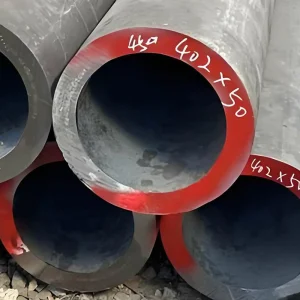
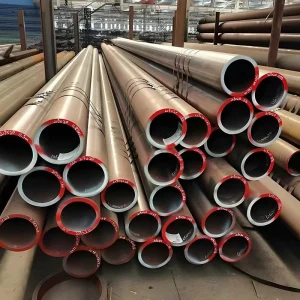
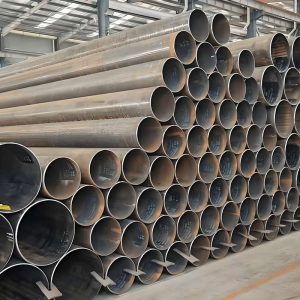
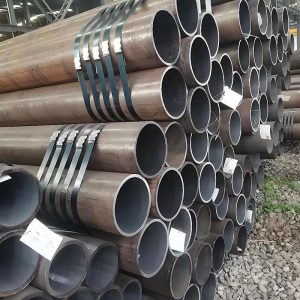
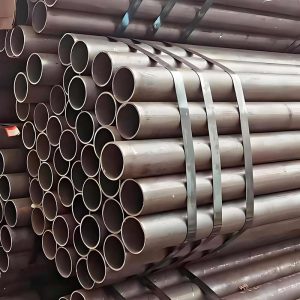
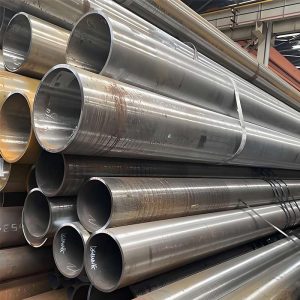
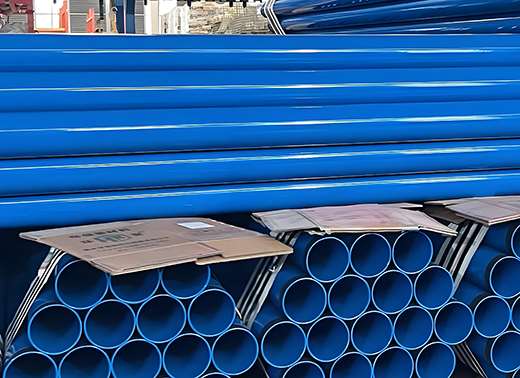
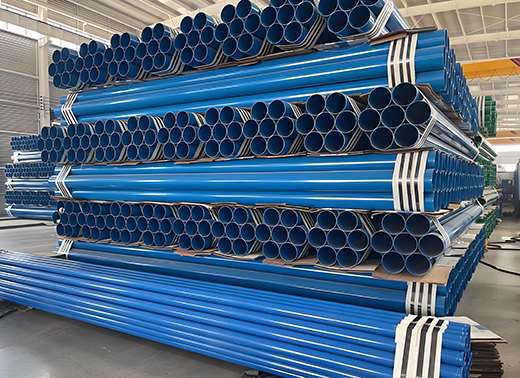
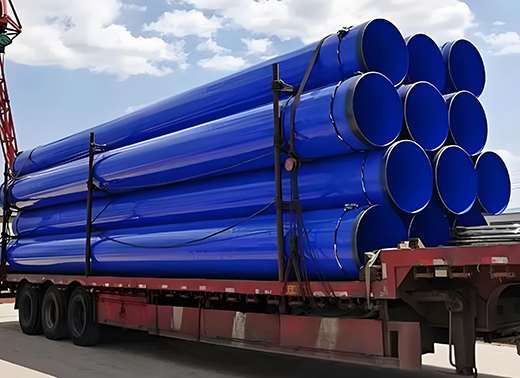
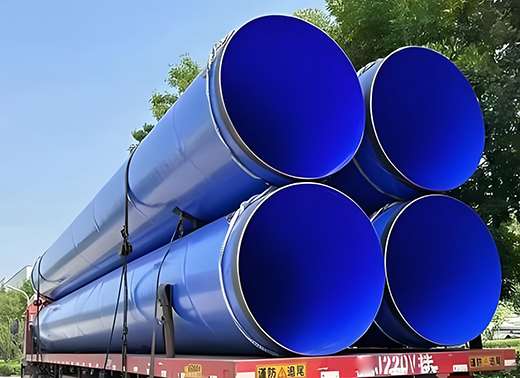
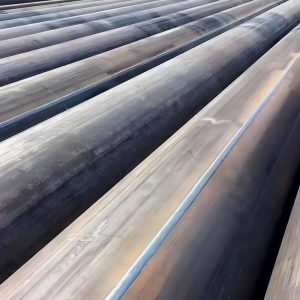
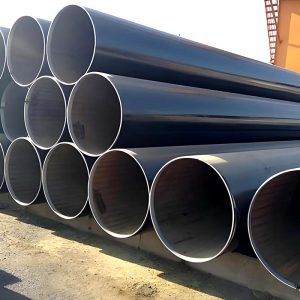
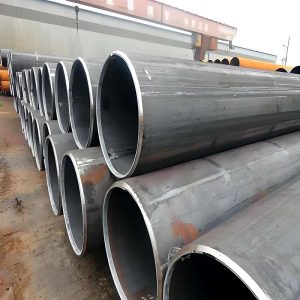
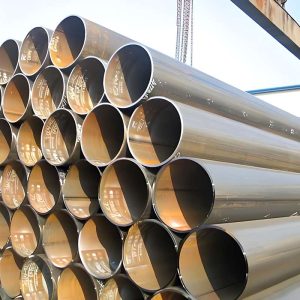
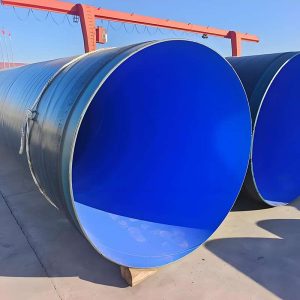
FBE Coated Carbon Steel Pipe

OD Range :

20 mm ~ 1219 mm

WT Range :

2.0 mm ~ 25 mm

Length :

6 m、12 m

Tolerance :

Outer diameter ±1%~±2%; wall thickness ±10% (depending on pipe diameter and standard).

Material :

Carbon steels such as Q195, Q215, Q235, Q345, or ASTM A53, A106, etc.

Standard :

SY/T 0414、ISO 21809-1、GB/T 12771

Surface :

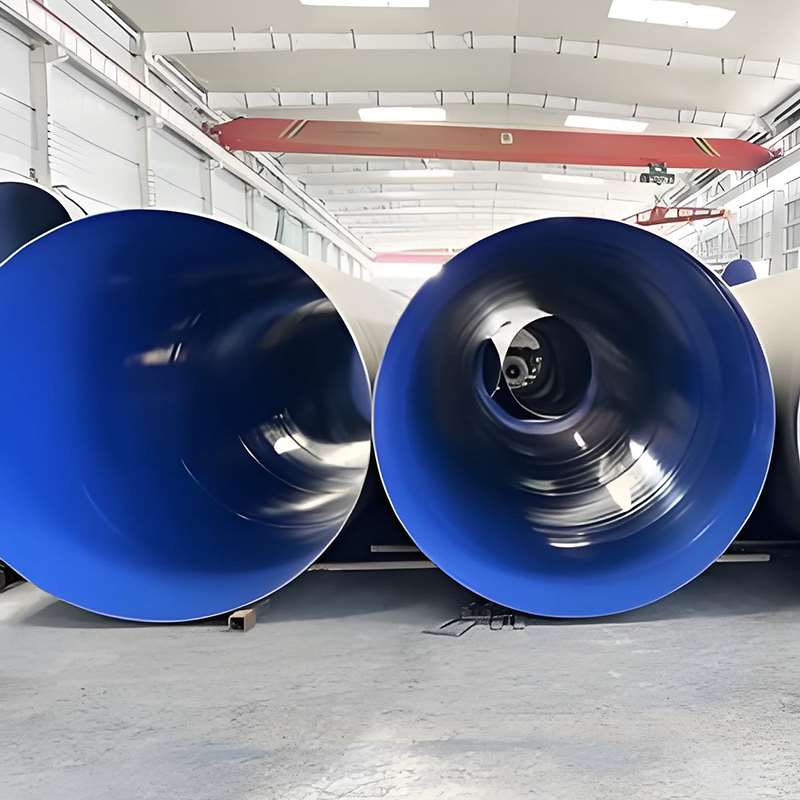
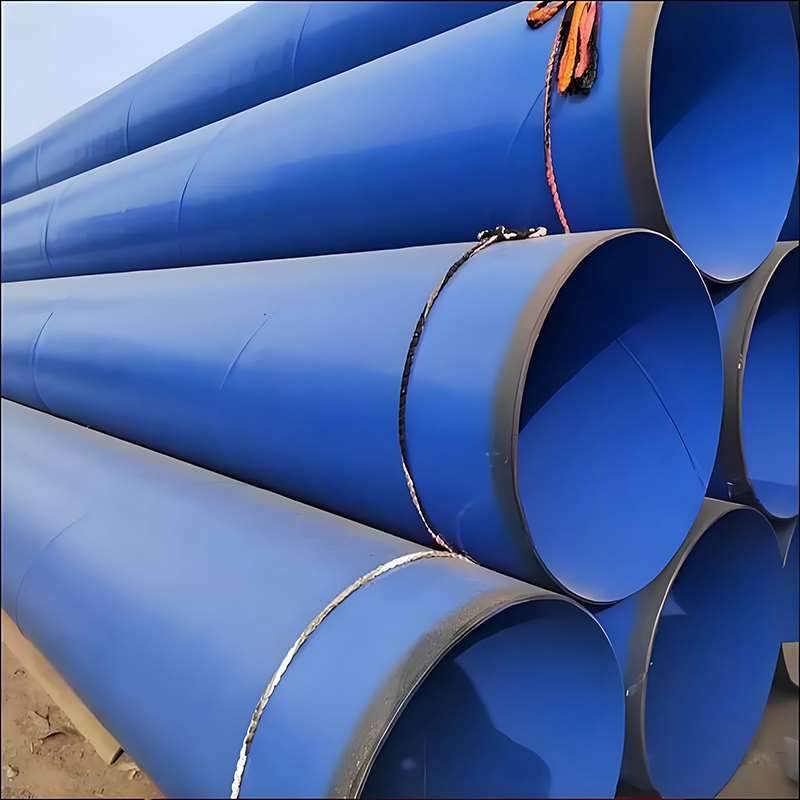
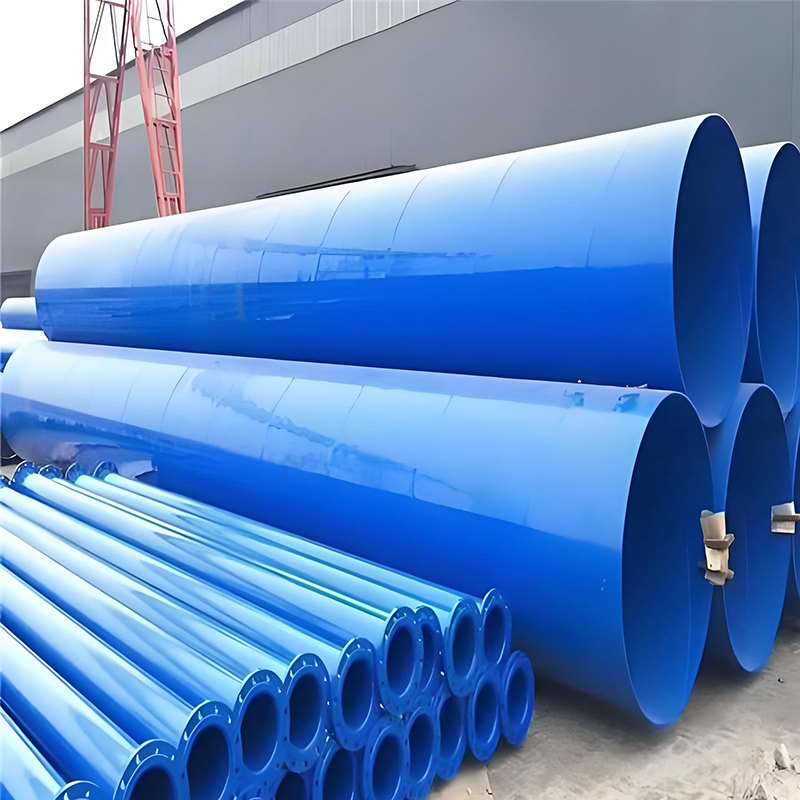
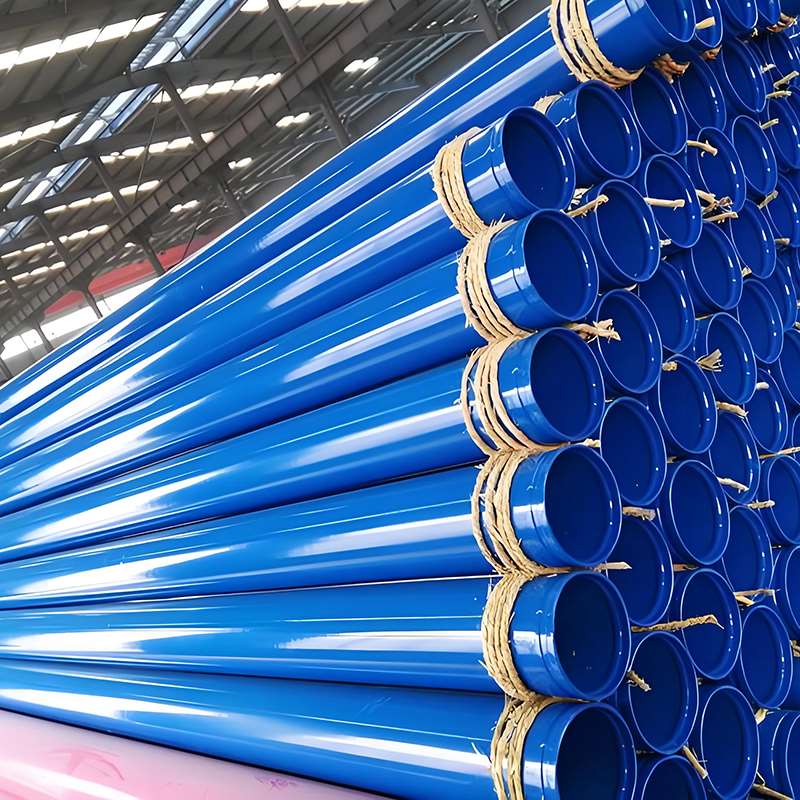
Fusion bonded epoxy (FBE) coating

Application :

Underground water supply, gas, petroleum, chemical and industrial circulating water pipelines

I. Introduction to FBE-Coated Carbon Steel Pipes

FBE-coated carbon steel pipes are anti-corrosion pipes with a molten epoxy powder coating on the surface of carbon steel pipes. The FBE coating forms a strong bond with the metal surface of the steel pipe, effectively isolating moisture, oxygen, and corrosive media in the soil, thereby extending the service life of the pipeline.

Main features include:
High corrosion resistance, preventing corrosion from soil, groundwater, and chemical media
Smooth inner wall, reducing fluid friction and ensuring water delivery efficiency
High pressure resistance, suitable for medium and high pressure water supply systems
Long service life, reducing maintenance and replacement costs

Common application scenarios:
Urban water supply pipelines and domestic water supply systems
Buried water transmission pipelines and heating networks
Industrial circulating water systems and petrochemical pipelines
Fire protection and large-diameter buried pipeline networks

II. Main Parameters of FBE-Coated Carbon Steel Pipes

ItemDescription
Product NameFBE Coated Carbon Steel Pipe
MaterialQ195, Q215, Q235, Q345 or carbon steel such as ASTM A53, A106
Pipe Diameter (OD)20 mm – 1219 mm (commonly DN20–DN1200)
Wall Thickness (WT)2.0 mm – 25 mm (customizable according to design)
Length (L)Standard 6 m, 12 m; customizable length
Coating TypeFBE (Fusion Bonded Epoxy) Powder Coating
Coating Thickness0.2–0.5 mm (standard)
Adhesion≥ Grade 1 (in accordance with SY/T 0414 or ISO 21809-1)
Surface ConditionSmooth and uniform, free of bubbles, peeling, or cracks
End TypePlain End, Threaded End, Flanged End
StandardsSY/T 0414, ISO 21809-1, GB/T 12771
Working Pressure≤2.5 MPa (depending on pipe diameter and wall thickness)
Main ApplicationsUnderground water supply, gas, oil, chemical, and industrial circulation pipelines
Service Life20–30 years (depending on corrosion environment and construction quality)

III. Coating Structure and Grades of FBE-Coated Carbon Steel Pipes

i. Coating Structure

Single-Layer Protection: The FBE epoxy powder coating is directly adhered to the surface of the carbon steel pipe.

Thickness: Generally 0.2–0.5 mm, forming a uniform and smooth anti-corrosion layer.

Function: Isolates moisture, oxygen, and corrosive soil media, preventing the steel pipe from rusting.

ii. Coating grade

GradeCoating ThicknessApplicable Environment
Standard Grade (Class A)0.2–0.3 mmGeneral municipal water supply, industrial circulation water
Enhanced Grade (Class B)0.3–0.5 mmModerate corrosive environments, gas pipelines, low-pressure oil pipelines
Premium Grade (Class C / Custom)>0.5 mmHighly corrosive environments, such as acidic/alkaline soils, coastal areas, chemical pipelines

IV. Application areas of FBE coated carbon steel pipes

Application AreaTypical Projects / ScenariosSelection Reference
Municipal Water SupplyUrban underground water mains, residential water distribution networksSmall to medium diameters DN20–DN150, standard grade FBE coating is sufficient
Industrial Circulation WaterIndustrial park cooling water pipelines, factory wastewater dischargeMedium diameters DN50–DN300, enhanced grade FBE coating for better corrosion resistance
Gas TransmissionLow-pressure natural gas and liquefied gas pipelinesMedium to low-pressure pipelines can use enhanced grade coating for long-term durability
Oil PipelinesCrude oil and refined oil transportationMedium to high-pressure pipelines are recommended to use enhanced or premium grade coating, combined with cathodic protection
Chemical PipelinesAcid, alkali, saline, and chemical liquid transport pipelinesHighly corrosive environments may require premium grade coating or multilayer composite anti-corrosion
Buried PipelinesUnderground water, gas, and industrial water mainsPay attention to coating thickness and construction protection to prevent underground corrosion
Thermal TransmissionIndustrial hot water, steam, heating pipelinesFor high-temperature media, check FBE heat resistance and select the appropriate coating grade

Related Products

Nominal Diameter DN (mm) Outer Diameter OD (mm) Wall Thickness WT (mm) Design Pressure (MPa) Theoretical Weight (kg/m) Allowable Working Temperature (℃) Applicable Medium
50 60.3 3.6 1.0 5.10 -20 ~ 60 Buried drinking water / industrial water
65 76.1 3.6 1.0 6.44 -20 ~ 60 Buried drinking water / industrial water
80 88.9 4.0 1.6 8.63 -20 ~ 60 Buried drinking water / industrial water
100 114.3 4.0 1.6 11.18 -20 ~ 60 Buried water supply / industrial circulation water
125 139.7 4.5 2.0 15.06 -20 ~ 60 Industrial water / hot water
150 168.3 4.5 2.0 18.18 -20 ~ 60 Industrial circulation water / buried water supply
200 219.1 5.0 2.5 27.42 -20 ~ 60 High-pressure water supply / industrial water transport
250 273.0 5.5 2.5 37.70 -20 ~ 60 High-pressure buried pipe / industrial circulation water
300 323.9 6.0 2.5 50.07 -20 ~ 60 High-pressure water supply / buried pipelines
350 355.6 6.5 3.0 61.55 -20 ~ 60 Industrial water transport / chemical pipelines
400 406.4 7.0 3.0 75.11 -20 ~ 60 Petrochemical / industrial circulation water
450 457.0 7.5 3.0 90.29 -20 ~ 60 High-pressure buried pipelines
500 508.0 8.0 3.5 108.22 -20 ~ 60 Seawater / highly corrosive environments
600 610.0 9.0 4.0 139.56 -20 ~ 60 Petrochemical pipelines / large industrial pipelines


International Standards for FBE Coated Carbon Steel Pipes

i. ISO Standards

Standard No. Standard Name Applicable Content
ISO 21809-1:2007 External Anti-Corrosion Steel Pipes – Polyethylene and FBE Coated Pipes Design of pipe anti-corrosion layer, coating thickness, adhesion, corrosion resistance performance
ISO 21809-2 External Anti-Corrosion Steel Pipes – Polyolefin Coating (PE/PP) For reference and comparison; some items can be used in combination

ii. API Standards

Standard No. Standard Name Applicable Content
API 5L Pipeline Steel Pipe Standard Steel material, dimensional tolerances, mechanical properties (tensile strength, yield strength), weldability, etc.

iii. ASTM Standards

Standard No. Standard Name Applicable Content
ASTM A53 / A106 / A252 Carbon Steel Pipe Standards Basic mechanical properties and dimensional requirements of steel pipes; can serve as the base pipe standard for FBE coated pipes
ASTM D3359 Coating Adhesion Test Standard Methods for testing coating adhesion to ensure the reliability of the anti-corrosion layer

iv. Standards to be Met

Pipe Requirements → API 5L or ASTM series ensures the mechanical properties of the steel pipe meet the design pressure.

Coating Requirements → ISO 21809-1 specifies clear requirements for FBE coating thickness, uniformity, adhesion, and corrosion resistance.

International Project Selection → For export pipelines or multinational projects, the combination of ISO 21809-1 + API 5L / ASTM standards is preferred to ensure that materials and corrosion resistance meet international standards.

Inspection and Acceptance → Coating thickness, adhesion, and impact resistance are tested according to ISO 21809-1; API/ASTM tests are used to inspect the mechanical properties and dimensional tolerances of the steel pipe.


Pipe Surface Treatment → Sandblasting or pickling to remove scale and oil.

Preheating → Heating the steel pipe to the FBE powder melting temperature (approximately 200°C).

FBE Powder Coating → The powder melts and adheres uniformly to the pipe surface.

Cooling and Curing → The coating cures rapidly, forming a tight anti-corrosion layer.

Inspection and Finishing → Thickness measurement, adhesion and appearance inspection; repair defects if necessary.

Test Item Test Method Standard Reference Acceptance Criteria / Values
Pipe Outer Diameter / Wall Thickness Vernier caliper, ultrasonic thickness gauge API 5L / ISO 3183 Outer diameter tolerance ±1%–±2%; wall thickness tolerance ±10% (depending on pipe diameter and standard)
Yield Strength Tensile test API 5L / ASTM A106 ≥ steel grade standard value (e.g., X52 ≥ 359 MPa, X60 ≥ 414 MPa)
Tensile Strength Tensile test API 5L / ASTM A106 470–620 MPa (depending on steel grade)
Elongation (A) Tensile test API 5L / ASTM A106 ≥20% (small diameter) / ≥17% (large diameter)
Coating Thickness (FBE) Ultrasonic thickness gauge ISO 21809-1 Standard grade: 200–300 μm; Enhanced grade: 300–500 μm; Premium grade: ≥500 μm
Coating Adhesion Pull-off or cross-cut test ISO 21809-1 / ASTM D3359 ≥ Grade 1 (no peeling in cross-cut test; pull-off strength ≥5 MPa)
Impact Resistance Impact test ISO 21809-1 Coating shall not crack or peel; typical impact energy 10–20 J (varies with pipe diameter and grade)
Hot Water Aging Resistance 80°C water immersion for 168 hours ISO 21809-1 No blistering, cracking, or peeling of coating
Corrosion Resistance 500 h salt spray test or soil burial simulation ISO 21809-1 Coating shall not be damaged, blister, or peel; edge corrosion ≤1 mm

Instructions and Application Reference

(1) Coating Thickness and Grade Correspondence
Standard Grade: 200–300 μm → General municipal water supply pipelines
Reinforced Grade: 300–500 μm → Medium-pressure gas or oil pipelines
Special Grade: ≥500 μm → Highly corrosive environments or chemical pipelines

(2) Adhesion and Impact Resistance
Adhesion ≥5 MPa or no peeling by cross-cut test
No cracking or delamination upon impact, can withstand construction handling and backfilling pressure

(3) Corrosion Resistance
Salt spray 500 h or soil burial simulation → Ensure long-term service life of pipeline ≥20 years

(4) Mechanical Properties of Steel Pipe
Yield strength, tensile strength and elongation must meet the pipe grade (X52, X60, X70, etc.) to ensure pipeline pressure safety.


Common FAQs about Carbon Steel Pipes with Molten Polyethylene Coating on the Inner Wall

Q1. Question: What chemical media can the inner wall coating of the pipe withstand?

Answer:
The molten polyethylene coating on the inner wall is resistant to most alkalis, acids, salts, and organic solvents, but its resistance to strong oxidizers (such as concentrated nitric acid and chlorine) is limited.

Solution:
Before purchasing, confirm the concentration, temperature, and pressure of the transported medium, refer to the chemical corrosion resistance table provided by the supplier, and conduct small-scale pipeline corrosion resistance tests if necessary.
For special media, consider increasing the inner lining thickness or using a double-layer composite coating to improve corrosion resistance.


Q2. Question: Will high-temperature chemical media transportation in pipelines affect the PE coating?

Answer:
The temperature resistance of polyethylene coatings is generally -20℃ to 80℃. Prolonged exposure to high temperatures (>80℃) will reduce coating adhesion and corrosion resistance.
Solution:
Under high-temperature conditions, high-temperature resistant PE or FBE+PE composite coatings can be used, or high-temperature resistant epoxy or PTFE lined pipes can be selected.
When purchasing, the medium temperature should be clearly defined to ensure the coating grade is suitable for long-term use.


Q3. Question: How should the inner wall coating thickness be selected to guarantee service life?

Answer:
The inner wall coating thickness directly affects corrosion resistance and service life. Generally, it is 0.5–1.0 mm; a thicker thickness can be appropriately applied in the chemical industry.
Solution:
Select an appropriate thickness based on the corrosiveness of the medium, pipe diameter, and operating pressure, and request the supplier to provide a coating thickness test report.
Special protective sleeves or thicker coatings can be used at edges or bends to avoid localized corrosion.


Q4. Question: What should I do if the inner coating of a pipe is damaged after welding?

Answer:
The heat during welding can damage the coating, creating a potential corrosion hazard.

Solution:
After welding, use a special repair sleeve to treat the weld joint.
Ensure the repair thickness is consistent with the original coating and perform adhesion and corrosion resistance tests.
For highly corrosive media, local cathodic protection can be added to the weld joint.


Q5. Question: How to solve the problem of scaling or blockage on the inner wall of chemical pipelines?

Answer:
Although the inner coating is smooth and has a low coefficient of friction, scaling or blockage can still occur when transporting suspended particles or high-salt liquids.

Solution:
Select PE-coated pipes with high smoothness and uniform coating.
Perform regular online cleaning or flushing, using chemical cleaning agents if necessary.
Select a pipe diameter slightly larger than the flow design requirements to reduce the risk of deposition.


Q6. Question: How to ensure reliable quality of the inner wall coating during procurement?

Answer:

Substandard inner wall coating quality can lead to accelerated corrosion or leaks.

Solution:

Require suppliers to provide test reports on coating thickness, adhesion, corrosion resistance, and temperature resistance.

Select manufacturers with mature FBE/PE coating technology and international certification (ISO 21809-1).

For critical pipe sections, third-party testing or sampling re-inspection can be conducted to ensure long-term reliable pipeline operation.