Products

Related News

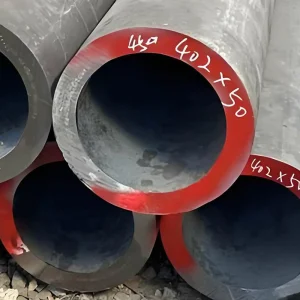
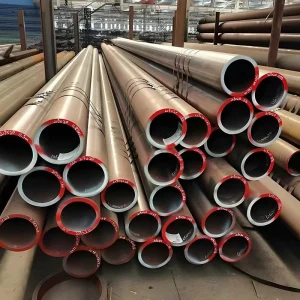
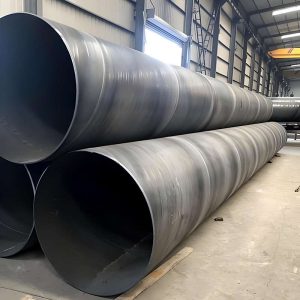
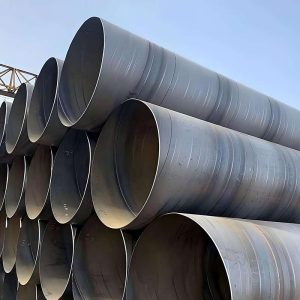
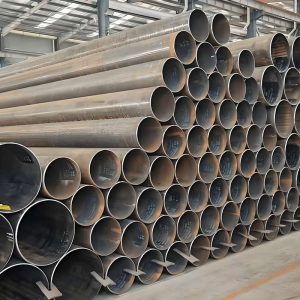
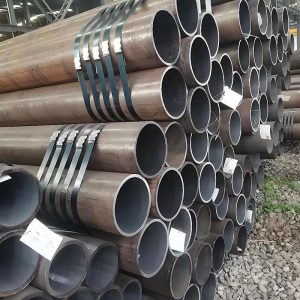
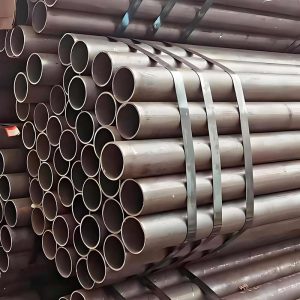
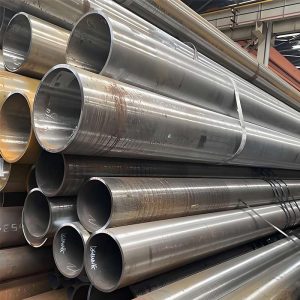
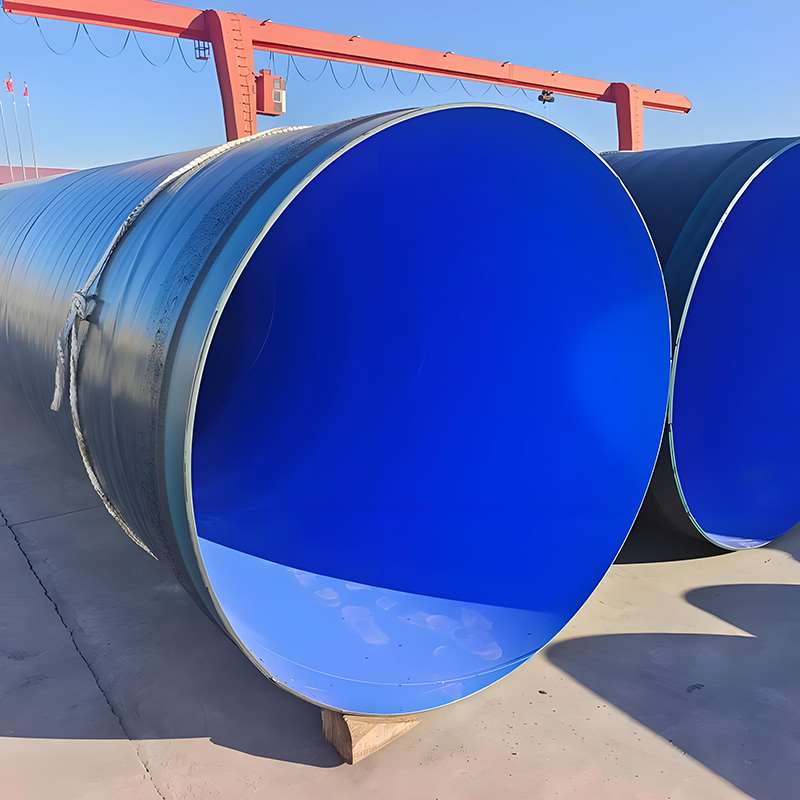
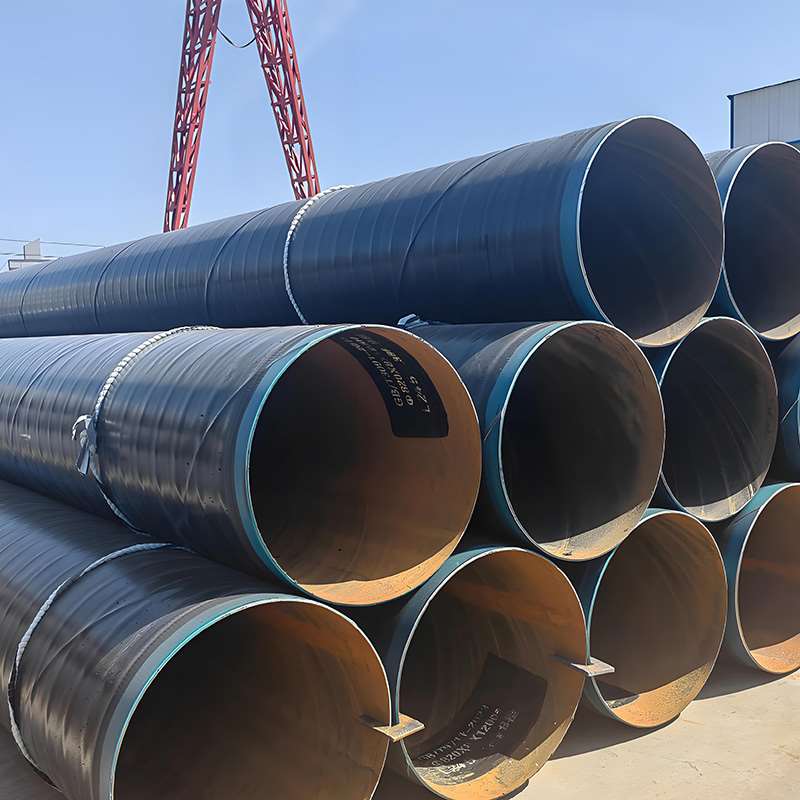
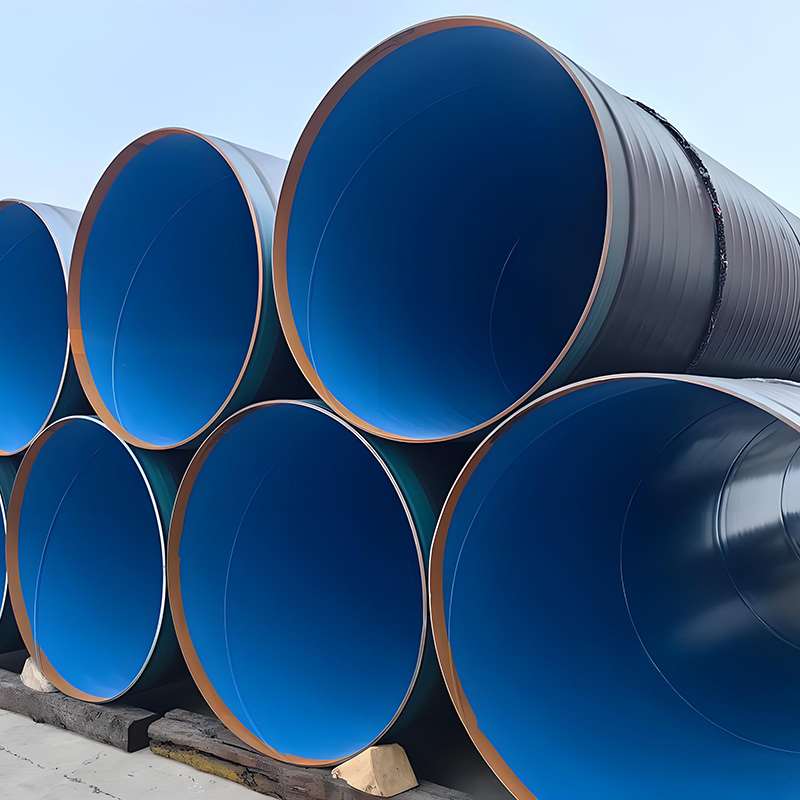
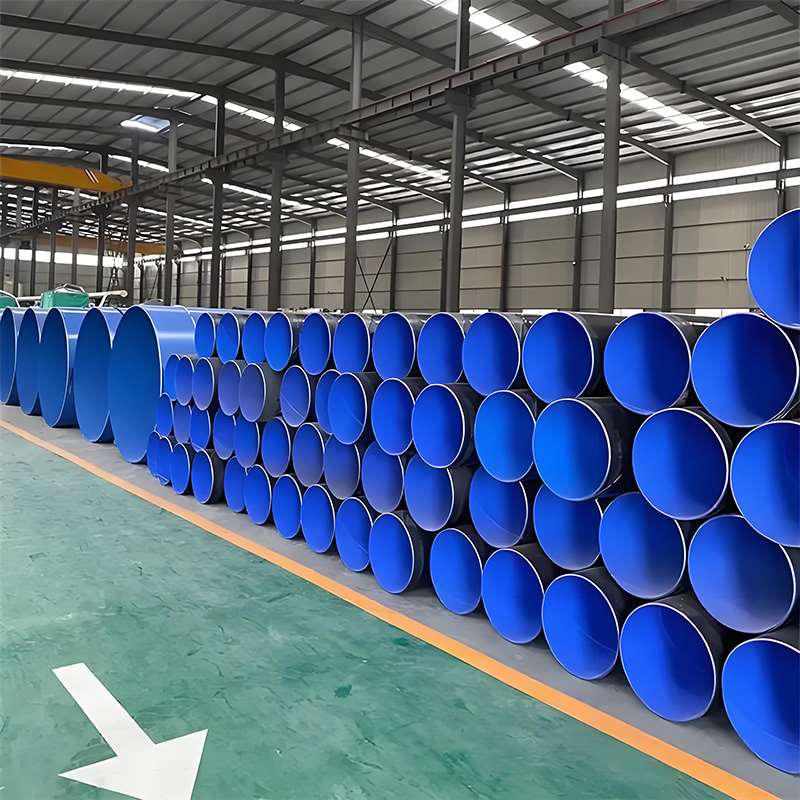
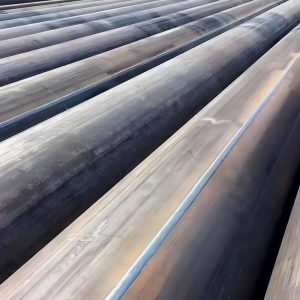
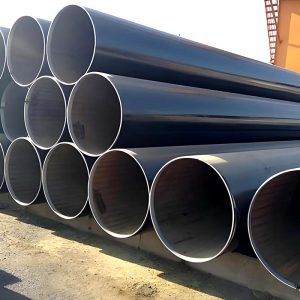
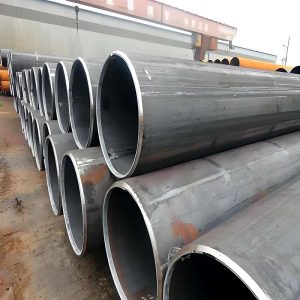
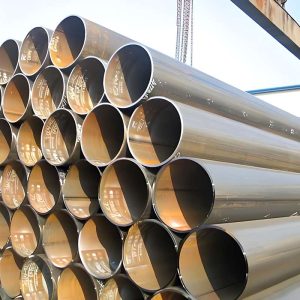
PE Coated Carbon Steel Pipe

OD Range :

60.3 mm – 1422 mm(2″ – 56″)

WT Range :

2.5 mm – 50 mm(SCH10 – SCH160)

Length :

3 m – 18 m (standard 6 m / 12 m, custom lengths available)

Tolerance :

Outer diameter ±0.75%; wall thickness –12.5% ​​/ +15%; length 0 – +50 mm

Material :

Q235、Q345、L245–L555、ASTM A53/A106 Gr.B、API 5L PSL1/PSL2

Standard :

Steel pipes: GB/T 3091, API 5L, ASTM A53, ASTM A106; Coatings: DIN 30670, ISO 21809-1, GB/T 23257

Surface :

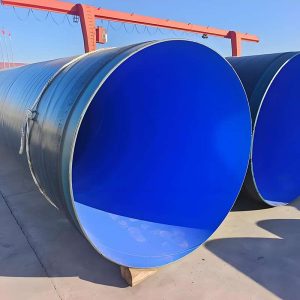
Fusion-bonded epoxy powder (FBE) ≥ 300 µm + polyethylene (PE) overlay 1.0 – 1.5 mm

Application :

Buried long-distance oil, gas, and water pipelines; urban gas pipelines; marine and municipal water supply and drainage networks.

I. Introduction to PE-Coated Carbon Steel Pipes

PE-coated carbon steel pipes are corrosion-resistant pipes made by uniformly covering the outer surface of high-density polyethylene (PE) plastic anti-corrosion layer onto high-quality carbon steel pipes.

This anti-corrosion layer is tightly bonded to the steel pipe through heat shrinkage or spraying processes, forming a dense and continuous insulating layer that effectively isolates moisture, oxygen, and corrosive media, thereby preventing the steel pipe from rusting and extending its service life.

PE coatings are characterized by strong corrosion resistance, wear resistance, high impact resistance, and convenient construction. They are particularly suitable for buried water, gas, oil, and chemical pipeline systems, and are a high-performance alternative to traditional hot-dip galvanized or epoxy-coated pipes.

II. Main parameters of PE coated carbon steel pipe

ItemSpecification
Product NamePE Coated Carbon Steel Pipe
MaterialQ195, Q235, Q345 or carbon steel according to ASTM A53 / A106
Pipe Diameter (OD)20 mm ~ 500 mm (commonly DN20~DN500)
Wall Thickness (WT)2.0 mm ~ 20 mm (customizable per project requirements)
Length (L)Standard 6 m, 12 m, customizable as required
Coating TypeHigh-density polyethylene (HDPE) external coating
Coating Thickness0.5 mm ~ 3.0 mm (commonly 2 mm)
Adhesion≥ Grade 1 (compliant with SY/T 0414 and ISO 21809 standards)
Surface ConditionSmooth and uniform, free from bubbles, delamination, or cracking
End TypePlain End, Threaded End, Flanged End
Applicable StandardsSY/T 0414, ISO 21809-1, GB/T 12771
Main ApplicationsBuried water pipelines, gas pipelines, oil and chemical pipelines, corrosion-resistant water transmission projects
Working Pressure≤ 2.5 MPa (determined by pipe diameter and wall thickness)

III. Composition, Structure, and Advantages of PE-Coated Carbon Steel Pipes

i. Composition and Structure

LayerMaterialFunction & Practical Role
Carbon Steel Base PipeHigh-quality carbon steel (Q195, Q235, Q345, etc.)Provides mechanical strength and pressure-bearing capability, ensuring safe operation in buried installations, industrial circulating water systems, and high-pressure thermal pipelines.
PE Anti-Corrosion Layer (Outer Layer)High-density polyethylene (HDPE)Forms a dense, continuous protective film that isolates soil, groundwater, and external corrosive media, preventing rust and significantly extending the service life of the pipe.
(Optional) Inner CoatingPE or epoxy resinEnhances internal corrosion resistance, ensures hygiene for water or liquid transport, and reduces flow resistance to improve energy efficiency.

ii. Advantages and Practical Applications

(1) High Corrosion Resistance
Function: The outer PE coating prevents soil corrosion, acid and alkali erosion, and groundwater corrosion, ensuring the pipeline remains intact even after long-term burial.
Application Examples: Municipal water supply mains, underground water supply and drainage pipelines.

(2) Smooth Inner Wall, Low Flow Resistance
Function: Low frictional resistance during liquid transport ensures smooth water flow and reduces pump station energy consumption.
Application Examples: Industrial circulating water systems, heat transmission pipelines.

(3) High Pressure Bearing Capacity
Function: The carbon steel base pipe can withstand high working pressure, ensuring the safe operation of underground pipelines and industrial pipe networks.
Application Examples: Main water supply pipes for large urban water plants, circulating water mains for industrial plants.

(4) Long Service Life, Low Maintenance Costs
Function: The PE coating has high durability, reducing the frequency of daily maintenance and replacement, and lowering operation and maintenance costs.
Application Examples: Underground municipal water supply projects, gas and oil pipelines. (5) Convenient Construction
Function: The pipes are relatively lightweight, with a smooth outer layer that makes them easy to handle, making them suitable for underground and long-distance pipeline construction.
Application Examples: Construction of urban underground integrated pipe corridors, industrial park water supply and heating pipe networks.

IV. Common Specifications and Applicable Scenarios Table

Outer Diameter / DNWall ThicknessStandardApplication ScenarioDescription
20–50 mm2.0–3.0 mmSY/T 0414, ISO 21809-1Indoor water supply, branch pipelines, fire-fighting pipelinesSmall diameter, easy to install
65–150 mm3.5–6.0 mmSY/T 0414, ISO 21809-1Municipal mains, industrial circulating waterMedium diameter with strong pressure resistance
200–400 mm6.0–12.0 mmSY/T 0414, ISO 21809-1Underground pipe networks, thermal transmissionLarge diameter, suitable for high flow and high pressure
>400 mm (Custom)Customized per projectSY/T 0414, ISO 21809-1Special engineering projectsCustomizable for high-flow or highly corrosive environments

Related Products

Outer Diameter (OD) / DN Wall Thickness Range (mm) PE Coating Thickness (mm) Length Material Standard Notes / Applications
DN20 (20–25 mm OD) 2.0–3.0 0.5–1.5 6 m / 12 m (customizable) Q195 / Q235 / Q345 / ASTM A53 / A106 SY/T 0414, ISO 21809 Indoor water supply, branch pipelines
DN25 (25–32 mm OD) 2.0–3.0 0.5–1.5 6 m / 12 m Same as above Same as above Fire-fighting & small flow pipelines
DN32 (32–40 mm OD) 2.0–3.0 0.5–1.5 6 m / 12 m Same as above Same as above Building pipelines
DN40 (40–50 mm OD) 2.0–3.0 0.5–1.5 6 m / 12 m Same as above Same as above Indoor/outdoor water supply
DN50 (50–60 mm OD) 2.5–3.5 0.5–1.5 6 m / 12 m Same as above Same as above Small municipal lines
DN65 (76 mm OD) 3.5–5.0 1.5–2.5 6 m / 12 m Same as above Same as above Municipal branch mains
DN80 (89 mm OD) 3.5–6.0 1.5–2.5 6 m / 12 m Same as above Same as above Industrial water supply
DN100 (108–114 mm OD) 4.0–6.0 1.5–2.5 6 m / 12 m Same as above Same as above Urban water supply mains
DN125 (133–140 mm OD) 4.5–6.5 1.5–2.5 6 m / 12 m Same as above Same as above Water transmission
DN150 (159–168 mm OD) 5.0–7.0 1.5–2.5 6 m / 12 m Same as above Same as above Industrial circulating water
DN200 (219 mm OD) 6.0–9.0 2.0–3.0 6 m / 12 m Same as above Same as above Underground pipeline networks
DN250 (273 mm OD) 6.0–10.0 2.0–3.0 6 m / 12 m Same as above Same as above High-flow water transport
DN300 (325 mm OD) 6.0–12.0 2.0–3.0 6 m / 12 m Same as above Same as above Thermal transmission
DN350 (377 mm OD) 6.0–12.0 2.0–3.0 6 m / 12 m Same as above Same as above Municipal pipeline networks
DN400 (406–426 mm OD) 6.0–12.0 2.0–3.0 6 m / 12 m Same as above Same as above Large-diameter buried pipelines
DN450–DN600 8.0–14.0 2.0–3.0 6 m / 12 m Same as above Same as above High-pressure & long-distance transport
DN600+ (Custom Size) Per project design Per project design 6–18 m Same as above SY/T 0414, ISO 21809 For special high-corrosion or high-flow systems


Standards for PE-coated carbon steel pipes:

SY/T 0414 — Technical Standard for External Anti-corrosion Coating of Steel Pipes for Water Supply
ISO 21809-1 — External Anti-corrosion Steel Pipes: Polyethylene (PE) Coated Steel Pipes
GB/T 12771 — Technical Conditions for Polyethylene (PE) Coated Steel Pipes for Corrosion Protection
ASTM A252 / ASTM A53 (for export projects) — International standards for carbon steel pipes, compatible with PE coatings.

Coating Thickness Standards for PE-coated carbon steel pipes

Outer Diameter (OD) / DN Coating Thickness (Outer PE) Applicable Standards Application Description
DN20–DN50 0.5–1.5 mm SY/T 0414, ISO 21809-1 Small-diameter indoor water supply, branch pipelines, and fire-fighting pipelines
DN65–DN150 1.5–2.5 mm SY/T 0414, ISO 21809-1 Municipal water supply mains and industrial circulating water pipelines
DN200–DN400 2.0–3.0 mm SY/T 0414, ISO 21809-1 Underground pipeline networks, industrial water transmission, and thermal transport pipelines
Custom Diameter > DN400 Customized according to design requirements SY/T 0414, ISO 21809-1 Projects requiring high flow rate or high corrosion resistance

Explanation and Selection Guide:

Thicker coatings provide stronger corrosion resistance, but also increase cost.
Small-diameter pipes, mostly used for indoor branch pipes or low-pressure systems, can use a thickness of 0.5–1.5 mm.
Medium and large-diameter pipes, used for municipal or industrial main pipelines, are recommended to have a thickness of 1.5–3 mm to ensure long-term underground corrosion resistance.
In special environments (acidic or alkaline soils, high groundwater salinity, etc.), the coating thickness can be increased, or cathodic protection measures can be added.


PE Coated Carbon Steel Pipe – Production Process Flow

Raw Material Inspection

Steel Pipe Forming (ERW/Seamless/LSAW)

Pipe End Beveling or Threading

Surface Pretreatment (Shot Blasting / Sand Blasting)

Rust Removal to Sa 2.5 Grade

Heating the Pipe Surface

Extrusion / Wrapping of PE Coating (HDPE Layer)

Cooling & Solidification

Coating Thickness Measurement

Adhesion & Holiday (Pinholes) Testing

Hydrostatic / Pressure Testing (if required)

Final Inspection (Appearance + Dimensions)

Pipe Marking & Packaging

Storage & Delivery


Inspection Item Acceptance Criteria Test Method Reference Standard
Coating Thickness 0.5–3.0 mm (depending on pipe diameter) Magnetic thickness gauge SY/T 0414, ISO 21809-1
Adhesion ≥ Grade 1 Pull-off adhesion tester SY/T 0414, ISO 21809-1
Holiday / Pinholes 0 defects High-voltage holiday detector ISO 21809-1
Impact Resistance No cracking at 1.5–3 J (depends on pipe diameter) Drop-weight impact tester ISO 21809-1
Bending / Flexibility No cracking at specified bending angle Cold bending test ISO 21809-1
Salt Spray / Corrosion Resistance No red rust after 720 h Neutral salt spray test ASTM B117
Dimensional Accuracy OD ±0.5%; WT ±10%; Length 0–+50 mm Caliper / Micrometer SY/T 0414, ISO 21809-1
Surface Quality Smooth, uniform, no bubbles, delamination, or cracks Visual inspection SY/T 0414, ISO 21809-1
Hydrostatic Test No leakage at working pressure ≤2.5 MPa Hydrostatic pressure testing SY/T 0414, ISO 21809-1
Hygienic / Potable Water Safety Compliant with drinking water requirements Immersion water test GB/T 17219


Common FAQs about PE-coated carbon steel pipes in corrosive environments

Q1. How strong of corrosive environment can PE-coated carbon steel pipe withstand?

Answer:
The anti-corrosion layer of PE-coated carbon steel pipe effectively isolates it from soil, moisture, and chemical media, making it suitable for moderately corrosive soils, groundwater, or mildly corrosive chemical liquid environments. A standard coating thickness (1.5–3 mm) can typically last for over 30 years in conventional underground pipeline environments.

Recommendation:
In highly corrosive environments (such as acidic or alkaline soils, saline-alkali lands, and industrial wastewater pipelines), the coating thickness can be increased or cathodic protection measures can be added.
Soil corrosivity testing should be conducted before construction to determine whether a thicker coating or double-layer protection is necessary.


Q2. How to prevent corrosion at pipe joints?

Answer:
Pipe joints (welded, threaded, or flanged) are corrosion-sensitive areas. The PE coating is easily damaged during welding and connection, and if not treated promptly, it can become a corrosion initiation point.

Solution:
Repair the coating immediately after welding with a specialized epoxy or PE repair agent.
For threaded joints, use an anti-corrosion thread protectant; for flanges, add anti-corrosion gaskets.
Ensure the joint is continuously covered with a protective layer, avoiding exposed steel.


Q3. Does underground soil or groundwater affect the PE coating?

Answer:
Under normal soil and freshwater environments, the PE coating effectively blocks corrosive media, maintaining the safety of the steel pipe. Problems mainly occur in the following situations: Strong acid, strong alkali, or high-salt soil; Long-term immersion in groundwater.

Solutions:
For highly corrosive environments, use a thicker PE coating or double-layer anti-corrosion.
A cathodic protection (CP) system can be used to extend the pipeline’s lifespan.


Q4. How to choose the coating thickness for PE-coated carbon steel pipes?

Answer:
Coating thickness is a key indicator of corrosion resistance:
Small diameter pipes (DN20–DN50) → 0.5–1.5 mm, suitable for indoor or low-corrosion environments
Medium diameter pipes (DN65–DN150) → 1.5–2.5 mm, suitable for municipal water supply mains or general industrial circulating water
Large diameter pipes (DN200–DN400) → 2.0–3.0 mm, suitable for underground pipe networks, heat transmission, or highly corrosive environments

Recommendation:
In particularly corrosive environments, the coating thickness can be increased depending on the corrosivity of the soil or medium.


Q5. Are PE-coated carbon steel pipes easily damaged during construction? How can they be protected?

Answer:
Although the PE coating is wear-resistant and impact-resistant, it can still be scratched or damaged during handling, welding, or backfilling. Damaged areas are prone to becoming corrosion starting points.
Solutions:
Use soft supports and corner protectors during transportation and handling to avoid bumps and knocks.
Repair the coating promptly after welding or cutting.
Lay sand or a soft bedding layer before backfilling to prevent friction damage to the pipes.


Q6. How long is the service life of PE-coated carbon steel pipes in corrosive environments?

Answer:
In ordinary soil and groundwater environments, PE-coated carbon steel pipes can be used for more than 30 years.
In highly corrosive environments (acidic or alkaline soils, saline-alkali lands, industrial wastewater), with thickened coatings, joint protection, and cathodic protection, the service life can still reach 20–30 years.
Recommendation:
Regularly inspect key nodes (welding, joints, elbows) and repair damage promptly to ensure long-term safe use.