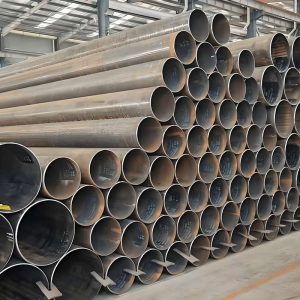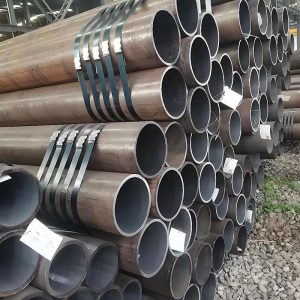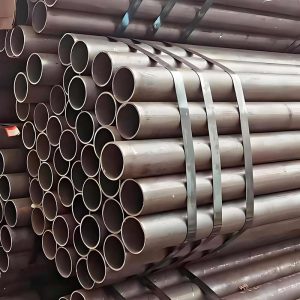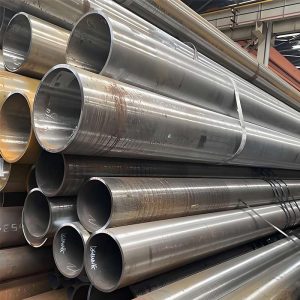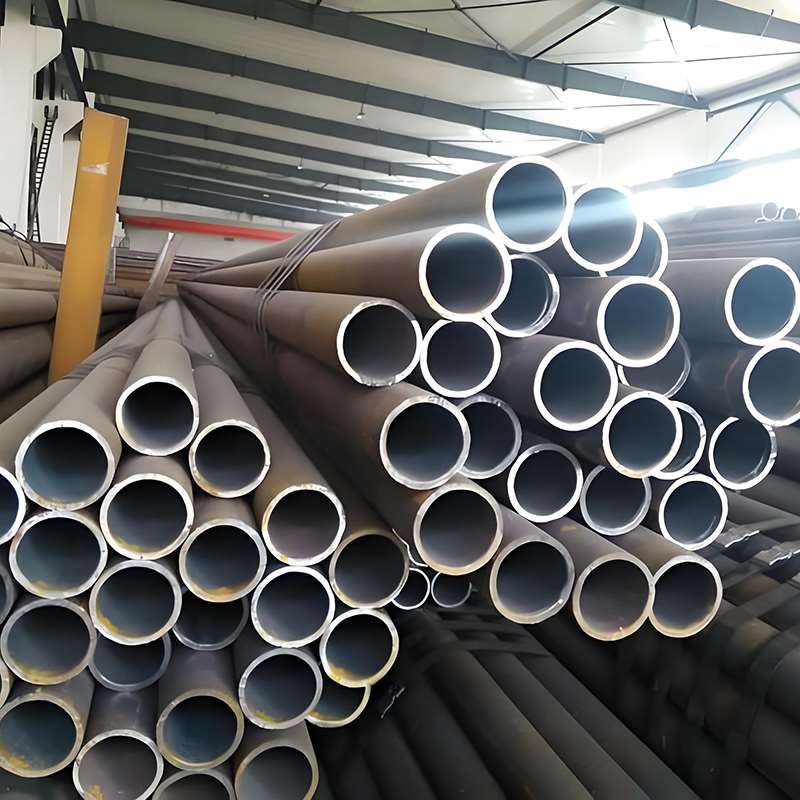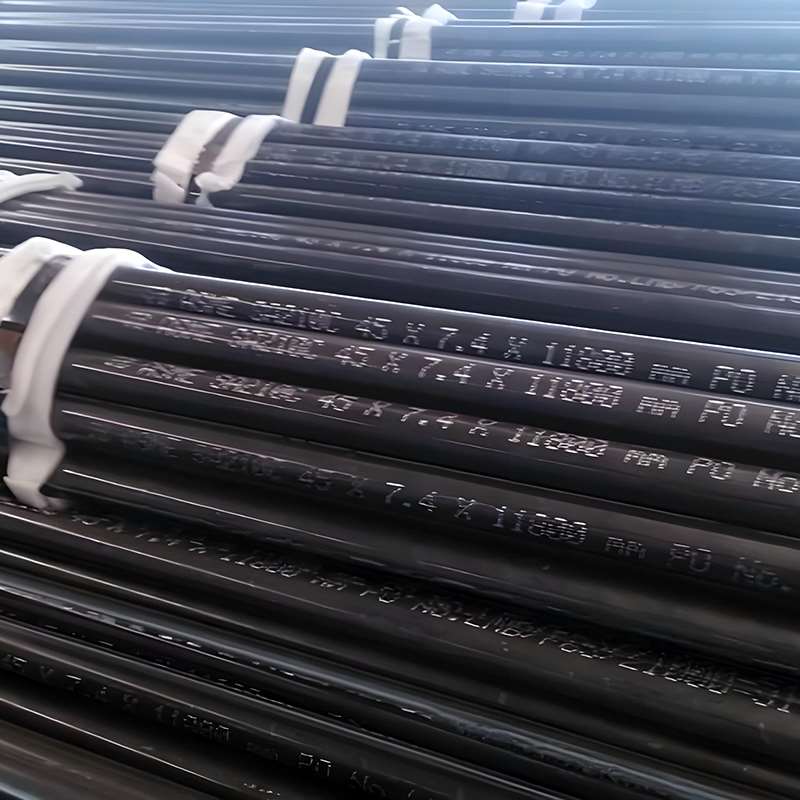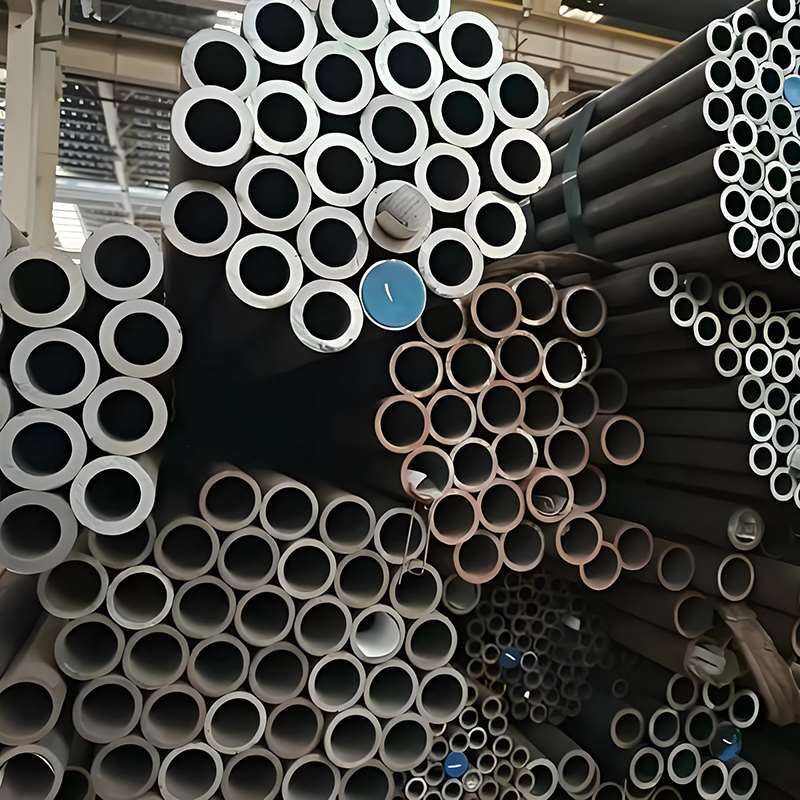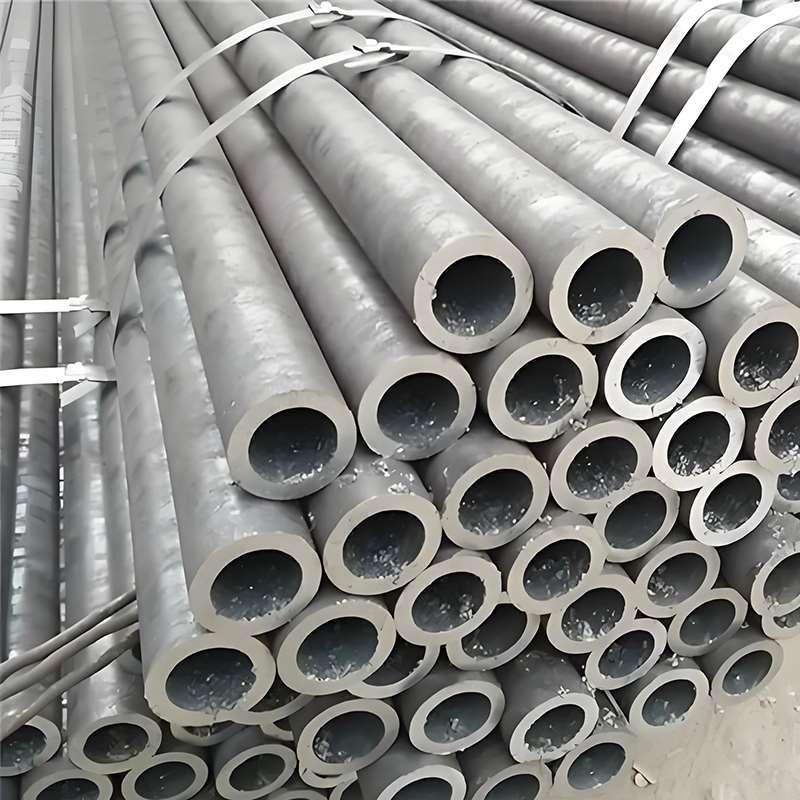
I. Introduction to ASME SA210 Grade A1 Carbon Steel Boiler Tubes
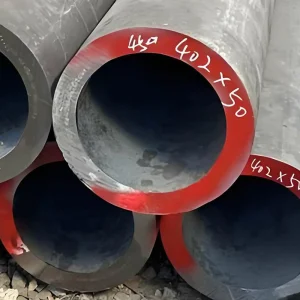
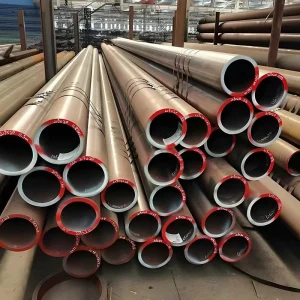
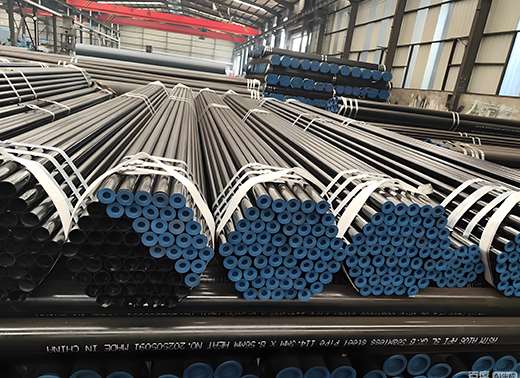
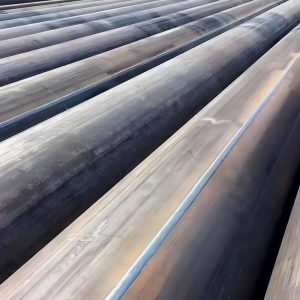
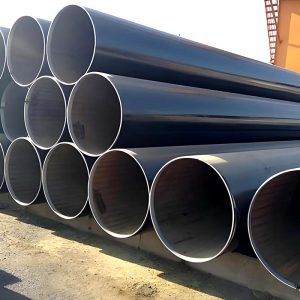
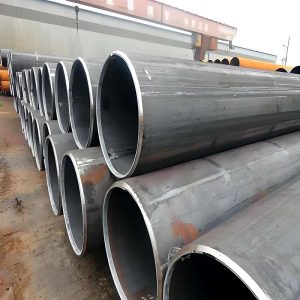
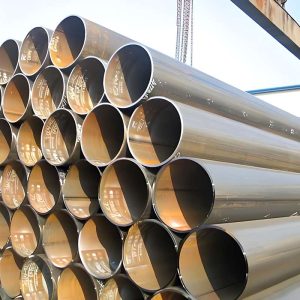
ASME SA210 Grade A1 is a low-alloy carbon steel seamless or welded boiler tube primarily used in boilers, heat exchangers, and high-temperature steam piping. This grade offers excellent high-temperature strength, pressure resistance, and weldability, making it suitable for medium-temperature, medium-pressure boiler systems and industrial steam piping.
Material Characteristics: Moderate carbon content ensures sufficient yield strength and tensile strength at elevated temperatures while maintaining good toughness.
Application Environment: Commonly used for boiler heat transfer tubes, steam piping, and heat exchanger tubes. Typically operates below 400°C (752°F) under moderate pressure conditions.
Processing Properties: Suitable for bending, welding, and heat treatment, facilitating design-specific installation within boiler systems.
Due to its cost-effectiveness and reliability, ASME SA210 A1 tubing is widely adopted in industrial boilers, thermal energy equipment, and medium-temperature steam transportation systems.
II. ASME SA210 Grade A1 Carbon Steel Boiler Tube Common Parameters Table
i. Chemical Composition (%)
| Element | Content Range | Description |
|---|---|---|
| Carbon C | 0.30% max | Ensures weldability and high-temperature strength |
| Manganese Mn | 0.29–1.06% | Increases strength and toughness |
| Silicon Si | 0.10–0.30% | Improves high-temperature strength |
| Phosphorus P | 0.035% max | Reduces brittleness |
| Sulfur S | 0.035% max | Ensures good machinability |
ii. Mechanical Properties
| Performance Indicator | Value | Description |
|---|---|---|
| Yield Strength ReH | ≥ 205 MPa | Ensures the pipe can withstand internal pressure |
| Tensile Strength Rm | 330–440 MPa | Ability to resist tension or internal pressure |
| Elongation A | ≥ 30% | Ensures toughness and good machinability |
| Impact Toughness Charpy V-notch | 27 J | Impact resistance to ensure safe use at high temperatures |
iii. Common Size Specifications
| Outer Diameter OD (mm) | Wall Thickness WT (mm) | Theoretical Weight (kg/m) | Remarks |
|---|---|---|---|
| 21.3 | 2.8 | 1.55 | Small-diameter boiler tube |
| 26.9 | 3.2 | 2.26 | Small to medium-diameter tube |
| 33.7 | 3.6 | 3.18 | Common boiler tube |
| 42.4 | 4.0 | 4.12 | Medium-diameter main pipe |
| 48.3 | 4.5 | 5.25 | Medium-diameter steam pipe |
| 60.3 | 5.0 | 7.43 | Industrial boiler pipe |
| 76.1 | 5.5 | 10.50 | Heat exchanger tube |
| 88.9 | 6.0 | 13.10 | Medium-diameter high-temperature tube |
| 114.3 | 6.5 | 18.50 | Large-diameter boiler main pipe |
| 139.7 | 7.0 | 25.00 | Heat exchanger or steam main pipe |
| 168.3 | 7.5 | 32.50 | High-temperature, high-pressure pipe |
| 219.1 | 8.0 | 47.45 | Extra-large-diameter steam main pipe |
III. Comparison of ASME SA210 Carbon Steel Boiler Tube Grades
ASME SA210 carbon steel boiler tubes are primarily divided into two grades: SA210A-1 and SA210C. These grades exhibit significant differences in chemical composition, mechanical properties, application scenarios, and cost-effectiveness. The specific distinctions are as follows:
(1) Differences in Chemical Composition
SA210A-1:
Carbon (C) content: ≤0.27%
Manganese (Mn) content: ≤0.93%
Silicon (Si) content: ≥0.10%
Phosphorus (P) and sulfur (S) content: both ≤0.035%
Characteristics: Lower carbon content enhances weldability, but strength improvement relies on manganese content adjustment.
SA210C:
Carbon (C) content: ≤0.35%
Manganese (Mn) content: 0.29%–1.06%
Silicon (Si) content: ≥0.10%
Phosphorus (P) and sulfur (S) content: ≤0.035% each
Characteristics: Higher carbon content with a broader manganese range; strength enhanced through carbon-manganese synergistic strengthening.
(2) Mechanical Properties Comparison
| Performance Indicator | SA210A-1 | SA210C |
|---|---|---|
| Tensile Strength (MPa) | ≥415 | ≥485 |
| Yield Strength (MPa) | ≥255 | ≥275 |
| Elongation (%) | ≥30 | ≥30 |
| Key Difference | Lower strength with better toughness | Strength increased by ~10–20%, similar toughness |
(3) Application Scenario Adaptability
SA210A-1:
Typical Applications: Low-temperature superheaters, low-temperature reheaters, water-cooled walls, economizers, and other components.
Temperature Range: Design temperatures typically range from 350°C to 425°C, suitable for subcritical and below parameters in boilers.
Advantages: Excellent weldability reduces the risk of welding cracks and lowers construction difficulty.
SA210C:
Typical Applications: Core pressure components such as water walls, economizers, and low-temperature superheaters.
Temperature Range: Long-term operating temperature below 500°C, with short-term exposure tolerable up to 580°C.
Advantages: Higher strength enables wall thickness reduction by 10%–20%. A single 300MW boiler can save approximately 100 tons of steel, significantly lowering material costs.
IV. Manufacturing Methods for ASME SA210 Grade A1 Carbon Steel Boiler Tubes
(1) Hot-Rolled Seamless Tubes
Process Characteristics: Billet heated to high temperature → Piercing → Hot rolling to final diameter → Annealing or normalizing.
Advantages: Uniform wall thickness, excellent dimensional accuracy, suitable for high-pressure and medium-to-high-temperature boilers.
Applications: Boiler main pipelines, heat exchanger tubes, steam pipelines.
(2) Cold Drawn/Cold Finished Seamless Tubes
Process Characteristics: Hot-rolled seamless tubes undergo cold drawing or cold rolling finishing to reduce outer diameter, enhance surface finish, and improve dimensional accuracy.
Advantages: Smooth surface, high dimensional accuracy, stable mechanical properties.
Applications: Boiler tubes and heat exchanger tubes requiring high precision or smaller diameters.
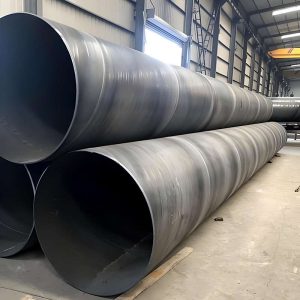
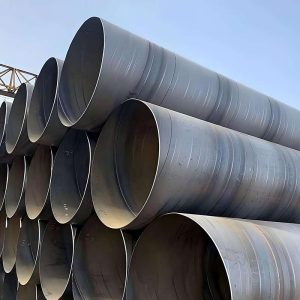
(3) Electric Resistance Welded or Submerged Arc Welded Tubes (ERW/SSAW) (Rarely used for boiler tubes)
Process Characteristics: Steel strip or plate rolled into tube → Resistance welding or submerged arc welding → Sizing.
Advantages: Low cost, suitable for large-diameter low-pressure pipelines.
Limitations: Welded tubes are typically not used for high-temperature, high-pressure boiler tubes due to susceptibility to high-temperature creep at welds.
V. ASME SA210 A1 Carbon Steel Boiler Tube Inspection Standard
| Test Item | Test Method / Standard | Acceptance Criteria | Practical Notes |
|---|---|---|---|
| Chemical Composition | Spectroscopy / ASTM A210 | Element contents (C, Mn, Si, P, S, etc.) meet Grade A1 specifications | Ensures high-temperature strength, weldability, and toughness |
| Yield Strength ReH | Tensile Test / ASTM E8 | ≥ 205 MPa | Ensures the pipe can withstand internal pressure |
| Tensile Strength Rm | Tensile Test / ASTM E8 | 330–440 MPa | Verifies tensile and load-bearing performance |
| Elongation A | Tensile Test / ASTM E8 | ≥ 30% | Ensures toughness and machinability |
| Impact Toughness | Charpy V-notch / ASTM E23 | ≥ 27 J | Impact resistance ensures safe use at high temperatures |
| Dimensional Tolerance | OD ±0.5%, WT ±10% / ASTM A210 | Meets design requirements | Smooth installation and reduces on-site rework |
| Nondestructive Testing | Ultrasonic Testing (UT) or Hydrostatic Test / ASTM A376 | No cracks, porosity, or other defects | Ensures pipe integrity and reduces operational risk |
| Surface Quality | Visual Inspection | Smooth surface, free from obvious scratches, dents, or cracks | Ensures weldability and safe long-term high-temperature use |