Products

Related News

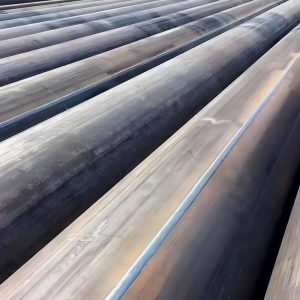
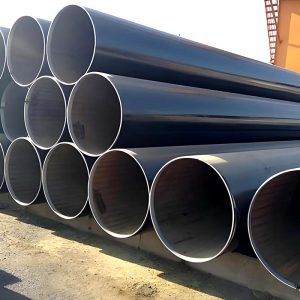
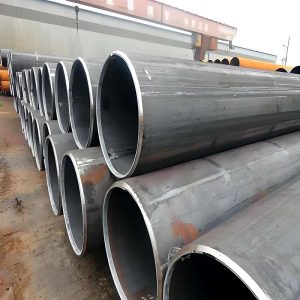
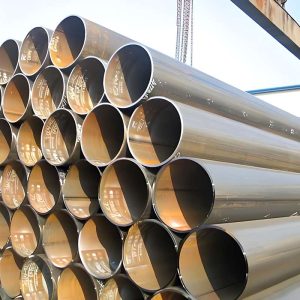
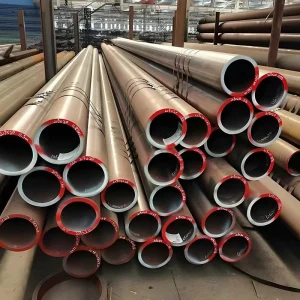
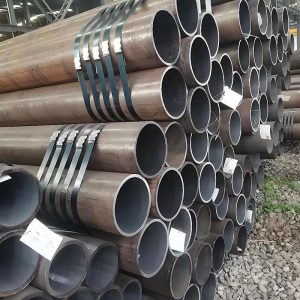
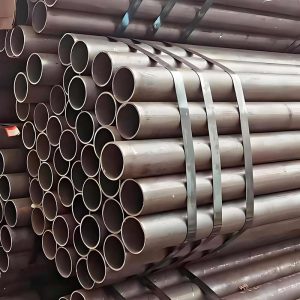
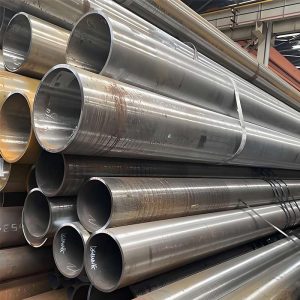
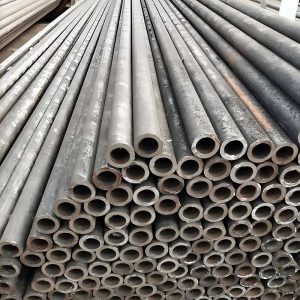
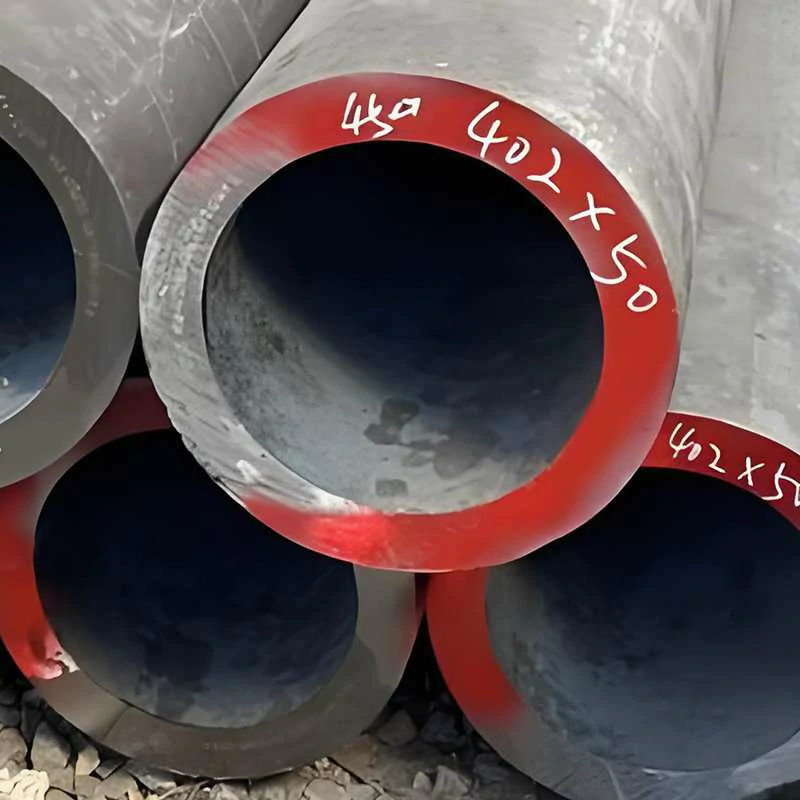
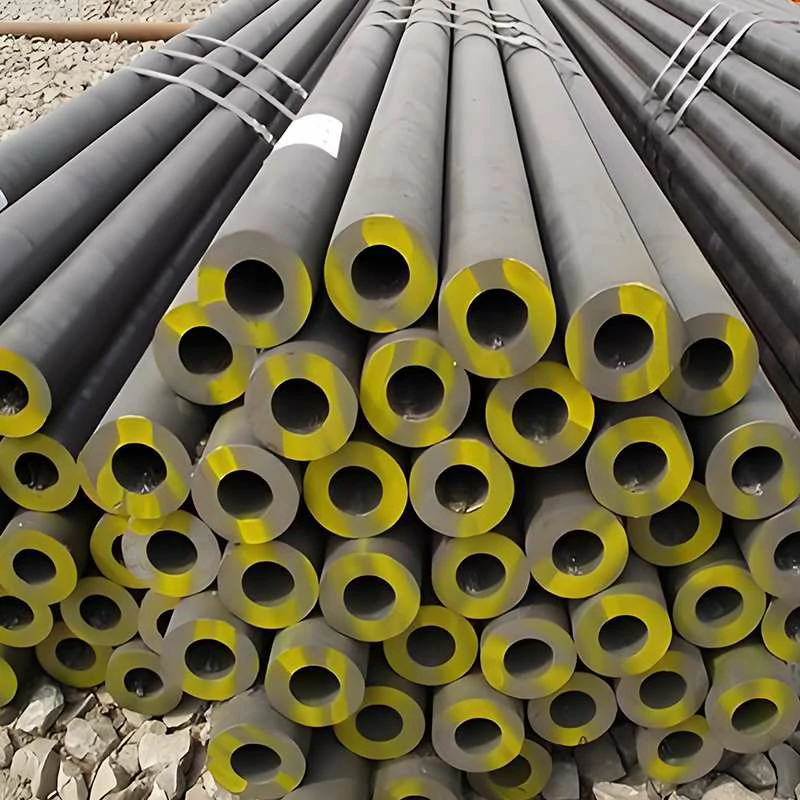
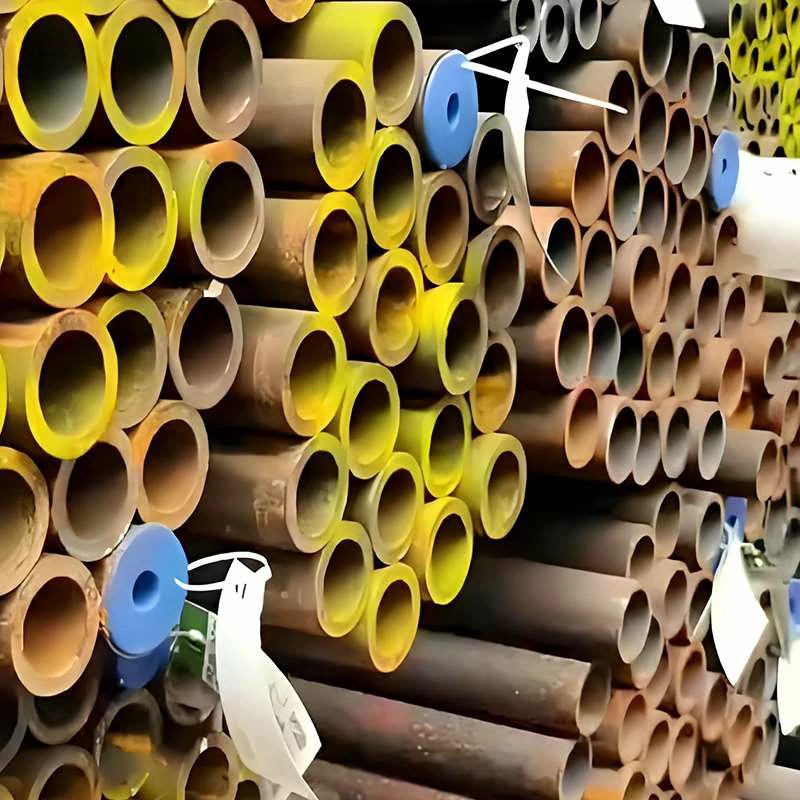
High-Temperature Alloy Boiler Pipes P91 / P92

OD Range :

25 – 508 mm

WT Range :

3 – 40 mm

Length :

5.8–6 m / 11–12 m

Tolerance :

Small diameter ±0.79 mm; Large diameter ±0.4–2 mm

Material :

P91 / P92

Standard :

ASTM A335 / ASME SA335

Surface :

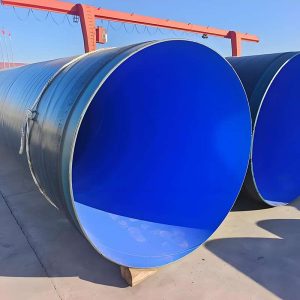
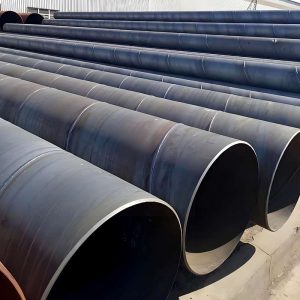
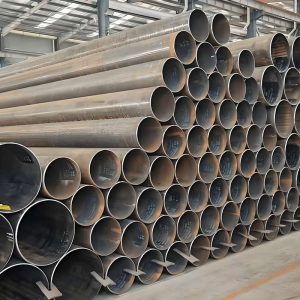
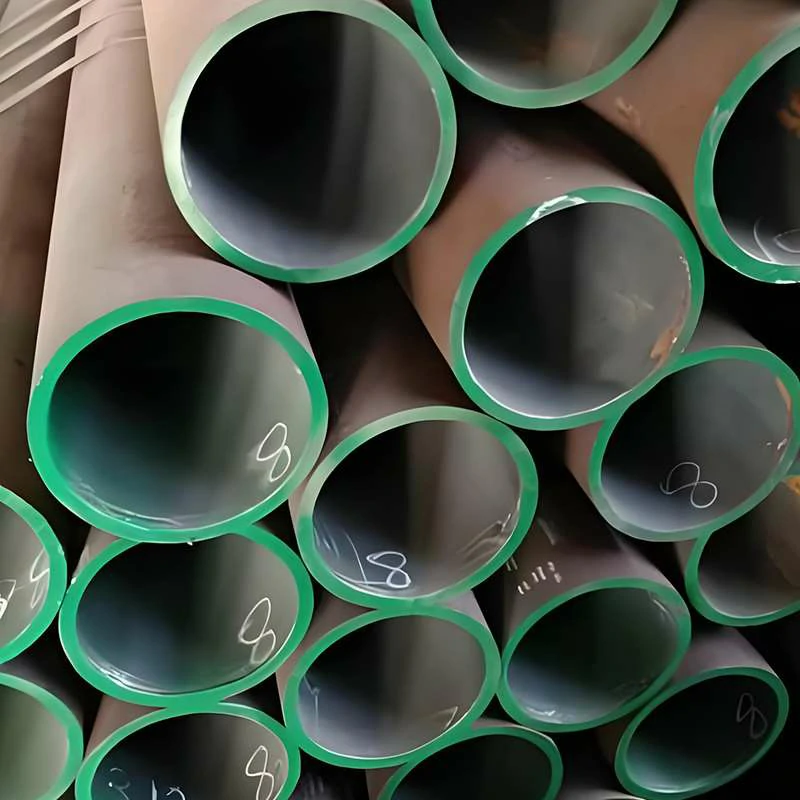
Black paint, anti-rust paint, shot blasting, phosphating, or PE/PP coating

Application :

Main steam pipes and reheat pipes of power plant boilers, high-temperature and high-pressure industrial steam pipelines, and high-temperature and high-pressure chemical pipelines.

I. Introduction to High-Temperature Alloy Boiler Tubes P91/P92

P91/P92 high-temperature alloy boiler tubes are alloy steel pipes specifically designed for high-temperature and high-pressure operating conditions, primarily used in power plant and industrial boiler systems.

  • Superior Performance: Possesses excellent creep resistance, high strength, and good toughness, enabling long-term operation under high temperature and high pressure.
  • Wide Applications: Suitable for main steam pipes, reheat pipes, and critical high-temperature and high-pressure pipelines.
  • Strict Manufacturing: Precision machining, heat treatment, and comprehensive quality inspection ensure the stability and reliability of the pipes.
  • High Durability: Reasonable material composition and processing techniques guarantee long-term safe use and reduce maintenance costs.

II. Chemical Composition and Mechanical Properties of High-Temperature Alloy Boiler Tubes

i. Chemical Composition Table

Steel GradeCMnSiPSCrMoVNb
P910.08–0.120.3–0.60.2–0.5≤0.02≤0.018.5–9.50.85–1.050.18–0.250.06–0.12
P920.08–0.120.3–0.60.2–0.5≤0.02≤0.018.5–9.50.85–1.050.18–0.250.06–0.15

ii. Mechanical Properties Table

Steel GradeTensile Strength Rm (MPa)Yield Strength ReH (MPa)Elongation A (%)Impact Toughness KV (J)Hardness HB
P91585–750≥415≥20≥47200–230
P92620–780≥450≥20≥47210–240

III. Specifications, Dimensions, and Standards

Parameter NameParameter Value
Outer Diameter (OD)25 – 508 mm (Common sizes: 25, 32, 38, 50, 65, 76, 89, 114, 168, 219, 273, 325, 355 mm)
Wall Thickness (WT)3 – 40 mm (Customizable according to Schedule or customer requirements)
LengthStandard 5.8–6 m, customizable 11–12 m or longer
ToleranceSmall diameter ±0.79 mm; Large diameter ±0.4–2 mm
StandardsASTM A335 / ASME SA335; GB/T 5310-2017
Material / GradeHigh-temperature alloy steel P91 / P92
Surface TreatmentOuter surface: Black paint, anti-rust paint, shot blasting, phosphating, or PE/PP coating; Inner surface: Epoxy or ceramic lining (optional)
Application FieldsMain steam pipes, reheating pipes, industrial boilers, and chemical high-temperature, high-pressure pipelines in power plants

IV. High-Temperature Creep and Fatigue Properties

  • Creep Properties: P91/P92 can withstand long-term pressure at 600–620℃, with a lifespan exceeding 100,000 hours.
  • Thermal Cycling Fatigue: Suitable for environments with large temperature fluctuations; proper design of wall thickness and supports can reduce thermal stress.
  • Life Prediction: Long-term life assessment can be performed using the Larson-Miller or Norton creep formulas.

V. Welding and Heat Treatment

  • Welding Processes: TIG, MIG, and SAW are all acceptable.
  • Post-Weld Heat Treatment (PWHT): Eliminates residual welding stress and ensures weld strength is consistent with the base metal.
  • Weld Material: Requires chemical composition matching to ensure long-term high-temperature performance.

VI. Application Areas and Selection/Corrosion Protection Recommendations for High-Temperature Alloy Boiler Tubes P91/P92

  1. Power Plant Main Steam Pipes
    Selection Recommendation: P92 is preferred for critical high-temperature and high-pressure pipelines to ensure long-term creep resistance and high strength.
    Corrosion Protection Recommendation: Epoxy or ceramic lining, black paint or PE/PP coating on the outside to prevent outdoor corrosion.
  2. Power Plant Reheat Pipes
    Selection Recommendation: P92 is recommended to adapt to high-temperature reheat steam conditions.
    Corrosion Protection Recommendation: Anti-corrosion coating on the inside, rust-proof paint or PE/PP coating on the outside, and regular maintenance.
  3. Industrial Boiler High-Temperature and High-Pressure Steam Pipes
    Selection Recommendation: P91 can be selected for medium-high temperature and medium pressure; P92 is selected for critical high-temperature and high-pressure pipelines; select appropriate wall thickness according to pressure.
    Corrosion Protection Recommendation: Apply rust-proof paint indoors, and add PE/PP coating outdoors; add epoxy or ceramic lining when the medium is severely corrosive.
  4. High-Temperature and High-Pressure Chemical Pipelines
    Selection Recommendation: For pipelines handling corrosive media or operating at high temperatures, select P92 to ensure safety and stability.
    Corrosion Protection Recommendation: Lin with epoxy or ceramic coating, and apply anti-corrosion paint to the exterior; regularly inspect for corrosion.
  5. High-Temperature Pipelines under Special Operating Conditions (Large Temperature Fluctuations or Highly Corrosive Steam)
    Selection Recommendation: P92 is preferred; if necessary, increase the wall thickness to enhance safety margins.
    Corrosion Protection Recommendation: Lin with a high-temperature resistant anti-corrosion coating, and apply PE/PP coating or anti-corrosion paint to the exterior; conduct regular inspections.

VII. Use, Maintenance, and Lifespan Management

  • Online Monitoring: Temperature, Pressure, Flow Rate, Vibration
  • Regular Inspection: Ultrasonic Thickness Measurement, Corrosion Inspection, Non-destructive Testing of Welds
  • Lifespan Management: Assess remaining lifespan based on actual operating conditions and develop replacement plans
  • Safety Management: Ensure long-term stable operation of pipelines under high temperature and high pressure conditions

VIII. Economic Analysis

  • Material Cost: P92 > P91, but offers higher long-term reliability.
  • Corrosion Protection and Maintenance Costs: Proper corrosion protection extends pipeline life by 10–15 years.
  • Overall Cost-Effectiveness: Selecting P91/P92 and wall thickness based on operating conditions and budget reduces overall cost.

Related Products

Outer Diameter (OD) (mm) Wall Thickness (WT) (mm) Standard Length (m) Reference Weight (kg/m) Tolerance ±mm
25 3–5 5.8–6 2.0–3.5 ±0.79
32 3–6 5.8–6 2.8–4.8 ±0.79
38 3–7 5.8–6 3.5–6.0 ±0.79
50 3–8 5.8–6 4.5–8.0 ±0.79
65 4–10 5.8–6 7.0–12.0 ±1.0
76 4–12 5.8–6 9.0–15.5 ±1.0
89 4–14 5.8–6 11.0–20.0 ±1.2
114 5–16 5.8–6 18.0–28.0 ±1.5
168 6–20 5.8–6 33.0–55.0 ±1.5
219 8–25 5.8–6 55.0–90.0 ±2.0
273 10–30 5.8–6 90.0–130.0 ±2.0
325 12–35 5.8–6 125.0–180.0 ±2.0
355 14–40 5.8–6 160.0–220.0 ±2.0
406 16–40 5.8–6 200.0–270.0 ±2.0
508 20–40 5.8–6 320.0–420.0 ±2.5
610 20–50 5.8–6 450–600 ±3.0
720 25–55 5.8–6 600–800 ±3.5
820 30–60 5.8–6 750–1000 ±4.0
1020 35–70 5.8–6 1200–1600 ±5.0

Specifications

  • Wall Thickness: Lists common ranges; customizable based on pressure rating and operating conditions; large-diameter pipes can reach 70 mm wall thickness.
  • Length: Standard 5.8–6 m, customizable 11–12 m or longer.
  • Reference Weight: Calculated based on standard steel density according to pipe diameter and wall thickness; for selection reference only.
  • Tolerances: According to ASTM A335 / ASME SA335 / GB/T 5310 standards; customizable.
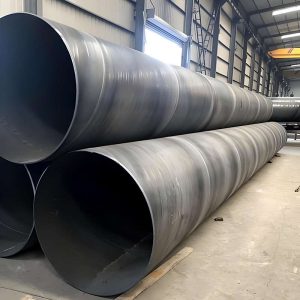
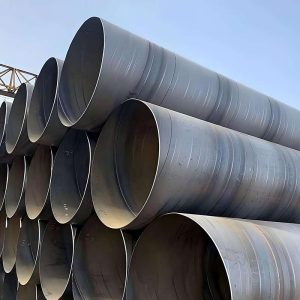
  • Large Diameter Pipes: Suitable for large industrial boilers, high-temperature and high-pressure pipelines, and main steam pipes in power plants.

High-temperature alloy boiler tubes P91 / P92 standard

Content Category Detailed Description
Standard Name / Number International Standard: ASTM A335 / ASME SA335 Domestic Standard: GB/T 5310-2017 European Standard: EN 10216-2 (optional) Japanese Standard: JIS G4105 (optional for export)
Scope of Application High-temperature, high-pressure steam pipelines, main steam pipes, reheating pipes, and critical pipelines in industrial boilers for power plants. Suitable for P91 / P92 material, temperature range 550–620°C, pressure rating determined by wall thickness and pipe diameter.
Chemical Composition Requirements P91 / P92 Element Content Range: C: 0.08–0.12%, Cr: 8.5–9.5%, Mo: 0.85–1.05%, V: 0.18–0.25%, Nb: 0.06–0.15%, Mn: 0.3–0.6%, Si: 0.2–0.5%, P ≤0.02%, S ≤0.01%
Mechanical Properties Requirements P91: Tensile Strength 585–750 MPa, Yield Strength ≥415 MPa, Elongation ≥20%, Impact Toughness KV ≥47 J, Hardness 200–230 HB P92: Tensile Strength 620–780 MPa, Yield Strength ≥450 MPa, Elongation ≥20%, Impact Toughness KV ≥47 J, Hardness 210–240 HB
Size Specifications and Tolerances Outer Diameter (OD): 25–1020 mm Wall Thickness (WT): 3–70 mm (customized based on pipe diameter and working conditions) Length: Standard 5.8–6 m, customizable to 11–12 m or longer Tolerance: Small diameter ±0.79 mm, large diameter ±2–5 mm
Inspection and Acceptance Factory Inspection Requirements: Chemical Composition Analysis Mechanical Property Testing (Tensile, Impact, Hardness) Non-destructive Testing (UT / RT / MT) Dimensional and Visual Inspection Provide Material Test Certificate (MTC)
Standard Differences Comparison Different standards have slight differences in chemical composition and mechanical properties, such as: ASTM/ASME has slightly wider thickness tolerance requirements GB/T 5310 has stricter impact toughness requirements Choose the appropriate standard based on project requirements
Practical Application Tips P92 is preferred for main steam and reheating pipes in power plants P91 can be used for medium to high-temperature auxiliary steam pipelines Export projects can choose EN or JIS standards The standards specify pipe material performance and acceptance requirements, making selection and procurement easier

Simplified Process: Raw Materials → Forging/Hot Rolling → Seamless Tube Forming → Heat Treatment → Dimensioning → Surface Treatment → Inspection → Packaging and Shipping

Detailed Step-by-Step Instructions

Step Name Description
1 Raw Material Preparation Select high-quality chromium-molybdenum alloy steel ingots to ensure the chemical composition meets standard requirements.
2 Chemical Analysis Perform spectral or chemical analysis to confirm the elemental content.
3 Forging / Hot Rolling Heat the steel ingot and roll it into a pipe billet, ensuring grain refinement and uniformity.
4 Seamless Pipe Forming Use extrusion, hot rolling, or continuous rolling to form the blank, controlling internal stress.
5 Heat Treatment Normalize or normalize + temper to improve mechanical properties and toughness, eliminating internal stress.
6 Size Processing Cold drawing or grinding to the design size, cutting to length.
7 Surface Treatment External corrosion protection (anti-rust paint / PE / PP coating), internal lining (epoxy / ceramic).
8 Inspection Chemical composition, mechanical properties, and non-destructive testing (UT / RT / MT).
9 Packaging and Shipping Rust-proof packaging, shipped according to customer requirements.


Inspection Item Inspection Method Purpose / Description
Chemical Composition Analysis Spectral Analysis, Chemical Analysis Confirm the content of elements such as C, Cr, Mo, V, Nb, Mn, Si, etc., to ensure high-temperature mechanical properties and creep life.
Tensile Strength Tensile Test Measure the maximum load-bearing capacity of the material to ensure its safety and reliability under high temperature and pressure conditions.
Yield Strength Tensile Test Measure the material’s load-bearing capacity in the elastic stage, providing guidance for pipeline design and installation.
Elongation Tensile Test Measure the material’s plasticity to ensure the pipe will not easily fracture under thermal expansion or load changes.
Impact Toughness Charpy Impact Test (KV) Measure the pipe’s ability to absorb energy under impact or vibration, enhancing safety.
Hardness Brinell Hardness Test (HB) Check the material’s strength and wear resistance, assessing its durability.
Dimensions and Tolerances Outer Diameter Measurement, Wall Thickness Measurement, Length Measurement Ensure the pipe specifications meet design requirements, facilitating installation.
Appearance Inspection Visual Inspection, Magnetic Particle Testing (MT) Check for surface defects such as cracks, dents, scratches, etc.
Weld / Non-destructive Testing Ultrasonic Testing (UT), Radiographic Testing (RT), Magnetic Particle Testing (MT) Check the quality of welds and heat-affected zones to ensure welding reliability.
Hardness and Microstructure Inspection Microstructural Analysis Check grain structure and carbide distribution to ensure high-temperature strength and creep resistance.
Packaging Inspection Appearance, Coating, Protective Measures Ensure corrosion protection and rust prevention during transportation, and ensure the pipe arrives intact at the site.

Q1: What’s the difference between P91 and P92, and which one should I choose?

A1:
Both P91 and P92 are suitable for high-temperature, high-pressure steam pipelines, but P92 has higher strength and better creep resistance, making it suitable for main steam pipes and reheat pipes; P91 is suitable for medium- and high-temperature auxiliary steam pipes or non-critical pipelines. The selection should be based on the pipeline pressure, temperature, and criticality.

Q2: How to choose the pipe wall thickness?

A2:
The wall thickness selection is mainly determined by the pipeline’s design pressure, temperature, and service life. Generally, engineering designs will refer to standard formulas or pressure rating tables for calculation. Too thin a wall affects safety, while too thick a wall increases cost. It is recommended to select the appropriate thickness based on the operating conditions and standard wall thickness tables.

Q3: How to choose the standard ASTM / GB / EN / JIS?

A3:
For domestic projects, GB/T 5310-2017 is a good choice.
For international or export projects, ASTM A335 / ASME SA335 or EN 10216-2 are good choices.
For special projects exported to Japan, JIS G4105 is a good choice.
The main considerations for standard selection are engineering specifications, project acceptance, and contract requirements.

Q4: Do high-temperature pipelines require corrosion protection? How to choose a corrosion protection solution?

A4:
High-temperature alloy boiler tubes are generally resistant to high-temperature oxidation, but corrosion protection is still necessary in outdoor or humid environments. Common solutions:
Outdoor pipelines: PE/PP coating or black paint for corrosion protection
Indoor pipelines: Rust-proof paint is sufficient
Internal steam pipes: Epoxy or ceramic coating is optional
The selection should be based on the operating temperature, humidity, and corrosiveness of the medium.

Q5: What are the differences between long and short pipe selection?

A5:
Long pipes (≥11 m) reduce the number of welds, but are more difficult to transport and install.
Short pipes (standard 5.8–6 m) are easier to transport and more flexible to install, but have more welds, increasing welding costs and maintenance difficulty.
Selection should consider factory transportation capacity, on-site installation conditions, and economic factors.

Q6: How to verify the reliability of purchased pipe materials?

A6:
Request the supplier to provide a Certificate of Quality (MTC), including chemical composition, mechanical properties, dimensions, and non-destructive testing report.
Check whether the pipe materials have undergone heat treatment, non-destructive testing (UT/RT/MT), and surface anti-corrosion treatment.
For critical pipelines, third-party testing or witnessed inspection can be requested.
This ensures the long-term safe use of the pipe materials under high temperature and high pressure conditions.