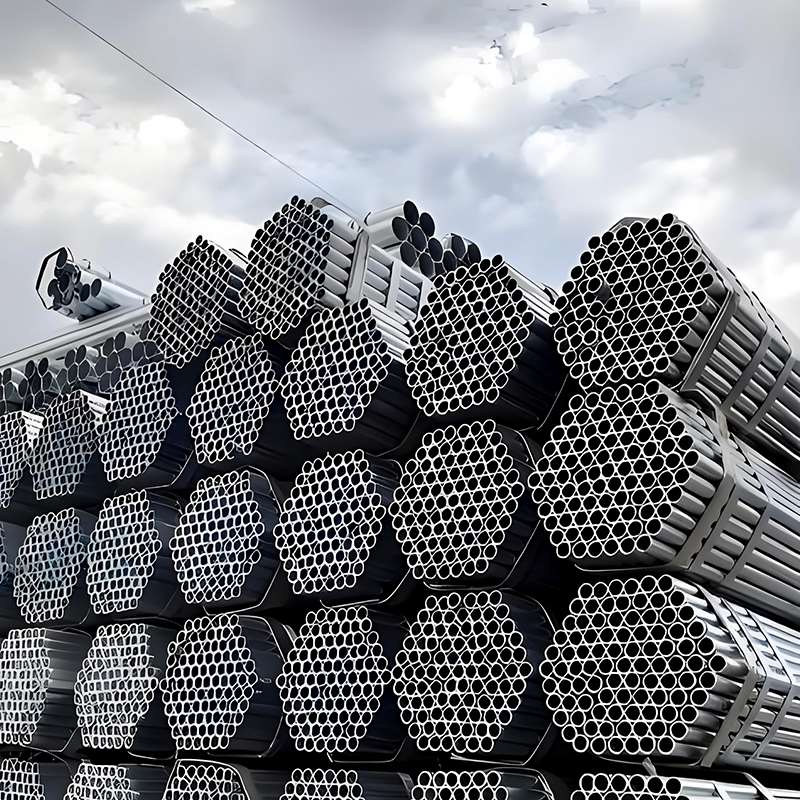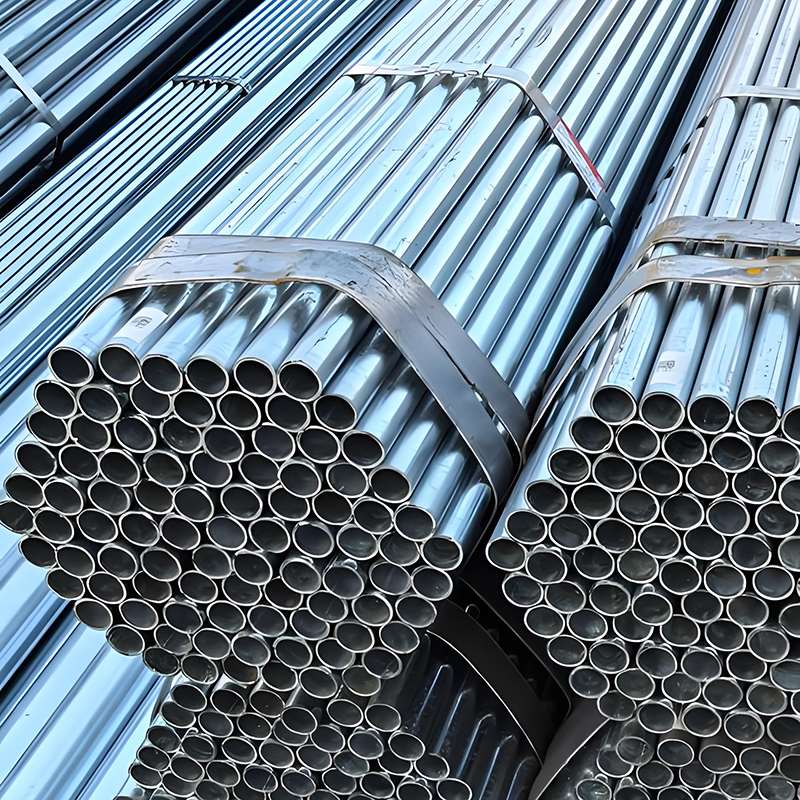
I. Overview of Galvanized Carbon Steel Pipes
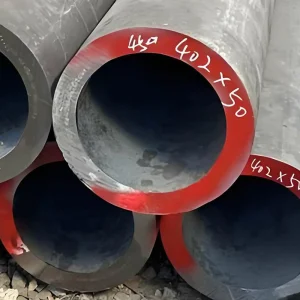
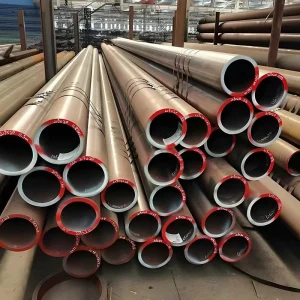
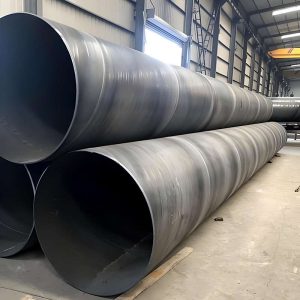
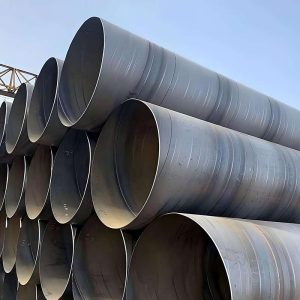
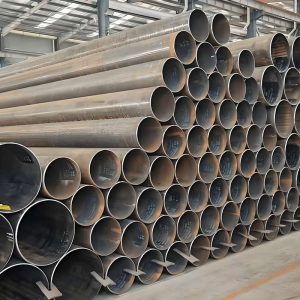
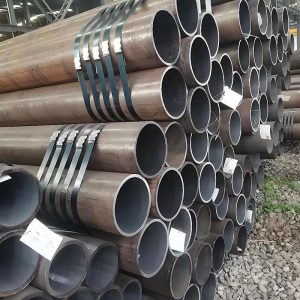
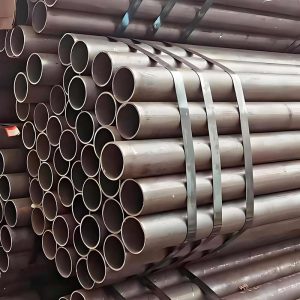
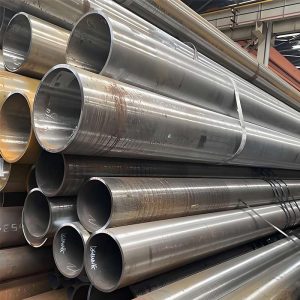
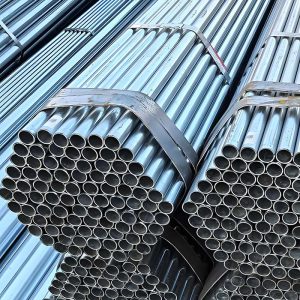
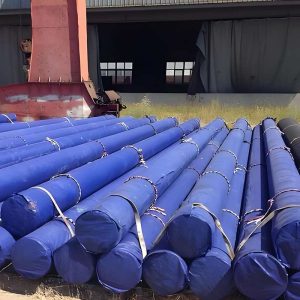
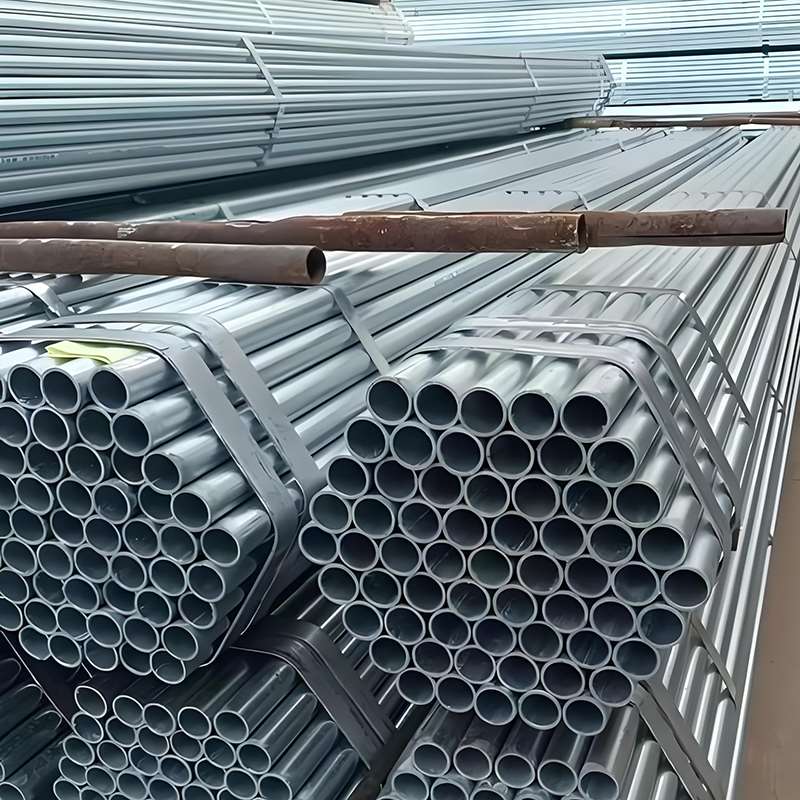
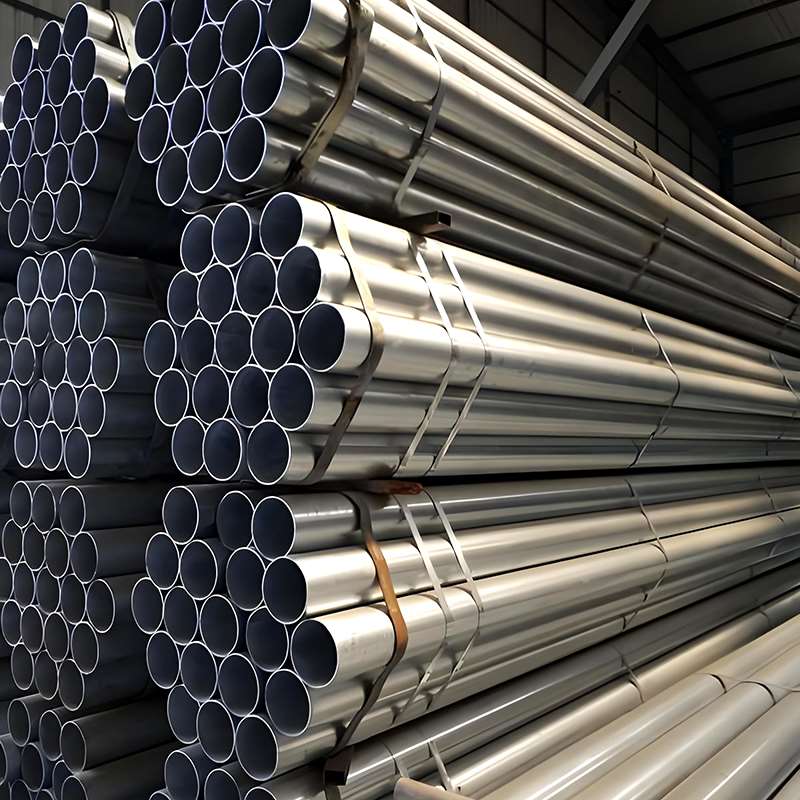
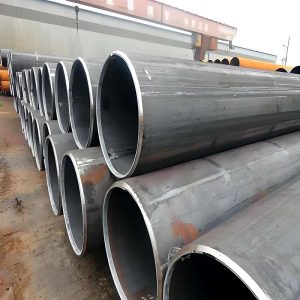
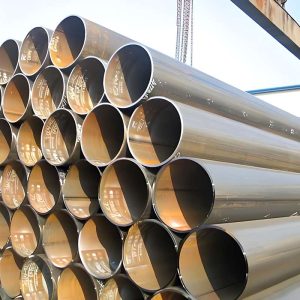
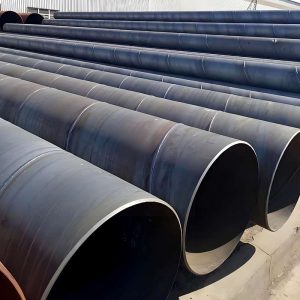
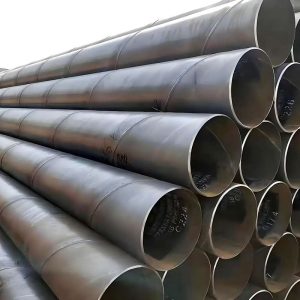
Galvanized carbon steel pipe is a type of steel pipe with a protective layer of zinc coating on the surface of the carbon steel. It combines the high strength of carbon steel with the corrosion resistance of the zinc layer. Through hot-dip galvanizing or cold galvanizing treatment, the pipe effectively prevents rust and extends its service life.
Galvanized carbon steel pipes have the following characteristics:
- Strong corrosion resistance: The galvanized layer protects the carbon steel pipe from oxidation and rust.
- High strength: Maintains the original mechanical properties of carbon steel, suitable for pressure-bearing and structural applications.
- Long service life and low maintenance costs: Reduces long-term pipeline maintenance and replacement costs.
- Convenient construction: Can be welded, threaded, or flanged, adapting to different engineering needs.
Typical application areas:
- Building water supply and drainage pipelines
- Gas pipelines and HVAC systems
- Industrial production pipelines and mechanical equipment
- Agricultural irrigation, municipal drainage, and other applications
II. Commonly Used Grades of Galvanized Carbon Steel Pipes
| Grade / Material | Chemical Composition Features | Mechanical Properties | Typical Applications |
|---|---|---|---|
| Q195 | Low carbon content, easy to process | Yield strength ~195 MPa, tensile strength 270–410 MPa, elongation ≥25% | Construction, light industrial piping, water supply and drainage |
| Q215 | Low carbon steel with good weldability | Yield strength ~215 MPa, tensile strength 300–430 MPa, elongation ≥23% | Water supply and drainage, gas pipelines, HVAC systems |
| Q235 | Common low carbon steel with relatively high strength | Yield strength ~235 MPa, tensile strength 375–500 MPa, elongation ≥20% | Industrial piping, structural pipes, construction engineering |
| ASTM A53 Gr. A/B | International standard grade for carbon steel pipes | Yield strength 205–295 MPa, tensile strength 330–440 MPa | Water supply, gas pipelines, structural use, international engineering projects |
| ASTM A106 Gr. B | Carbon steel pipe for high-temperature pressure service | Yield strength ≥205 MPa, tensile strength 415–540 MPa | Industrial boilers, high-temperature pipelines, process piping |
III. Chemical Composition and Mechanical Properties of Different Grades of Galvanized Carbon Steel Pipes
1. Domestic Grades
| Grade | Chemical Composition (%) | Mechanical Properties |
|---|---|---|
| Q195 | C: 0.12–0.20Mn: 0.30–0.60Si: 0.10–0.30S: ≤0.050P: ≤0.050 | Yield Strength: ≥195 MPaTensile Strength: 270–410 MPaElongation: ≥25% |
| Q215 | C: 0.12–0.20Mn: 0.30–0.70Si: 0.10–0.30S: ≤0.050P: ≤0.050 | Yield Strength: ≥215 MPaTensile Strength: 300–430 MPaElongation: ≥23% |
| Q235 | C: 0.14–0.22Mn: 0.30–0.70Si: 0.10–0.30S: ≤0.050P: ≤0.050 | Yield Strength: ≥235 MPaTensile Strength: 375–500 MPaElongation: ≥20% |
2. International level
| Grade | Chemical Composition (%) | Mechanical Properties |
|---|---|---|
| ASTM A53 Gr.A | C: ≤0.25Mn: 0.27–0.93P: ≤0.06S: ≤0.05 | Yield Strength: ≥205 MPaTensile Strength: 330–440 MPaElongation: ≥25% |
| ASTM A53 Gr.B | C: ≤0.30Mn: 0.29–1.06P: ≤0.06S: ≤0.05 | Yield Strength: ≥245 MPaTensile Strength: 415–540 MPaElongation: ≥25% |
| ASTM A106 Gr.B | C: 0.25–0.30Mn: 0.29–1.06P: ≤0.035S: ≤0.035 | Yield Strength: ≥205 MPaTensile Strength: 415–540 MPaElongation: ≥30% |
IV. Service Life of Galvanized Carbon Steel Pipes
- Indoor Dry Environment
The service life can reach 30–50 years, with the galvanized layer being virtually unaffected by corrosion. - Outdoor Non-Marine Environment
The service life is approximately 20–30 years; attention should be paid to the chronic corrosion of the galvanized layer caused by rainwater and acid rain. - Coastal or High-Corrosion Environment
The service life is approximately 10–20 years; due to faster chloride corrosion, a thicker galvanized layer or stainless steel pipes should be considered. - Underground Burial
The service life is approximately 15–25 years; it is necessary to ensure good soil drainage and avoid acidic soil or environments with prolonged water accumulation.
V. Maintenance Suggestions for Galvanized Carbon Steel Pipes
- Regular Inspection
Inspect the integrity of the galvanized layer annually for peeling, rust spots, or scratches.
For gas or drinking water pipelines, regularly monitor water quality and the condition of the pipe’s inner wall. - Cleaning and Corrosion Protection
The outer surface of the pipe can be cleaned to remove dust and dirt, avoiding prolonged contact with acidic substances.
In severely corroded areas, anti-corrosion paint can be applied locally or the galvanized layer can be replenished. - Installation Precautions
Avoid overheating during welding to prevent damage to the galvanized layer; threaded or flanged connections can be used.
After bending or cutting the pipe, the exposed parts should be protected with an anti-corrosion coating. - Avoid Prolonged Water Immersion or Water Accumulation
Underground pipelines should ensure proper drainage to avoid immersion in acidic soil or saline water. - Timely Replacement at the End of Service Life
Pipes with significant corrosion and thickness reduction exceeding standards should be replaced promptly to prevent leaks or safety accidents.