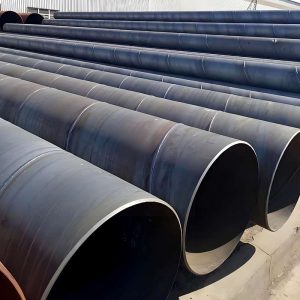
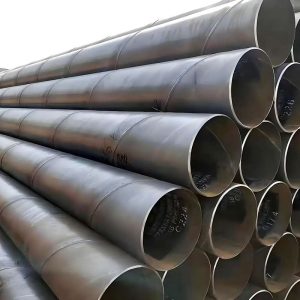
I. Overview of Welded Alloy Steel Pipes
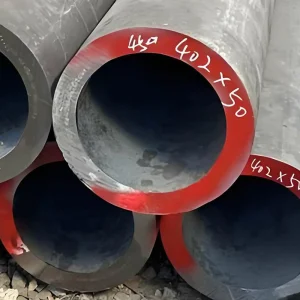
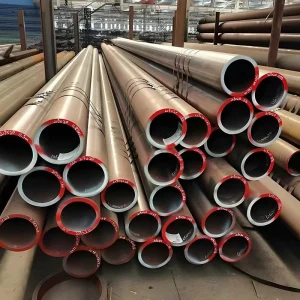
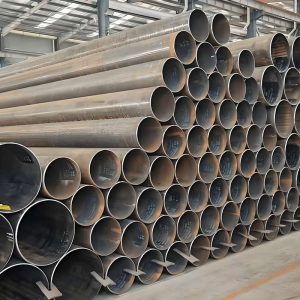
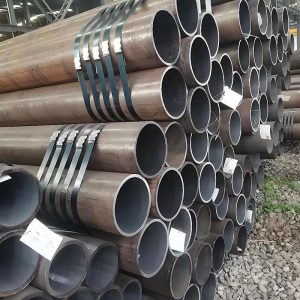
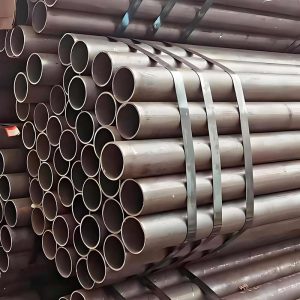
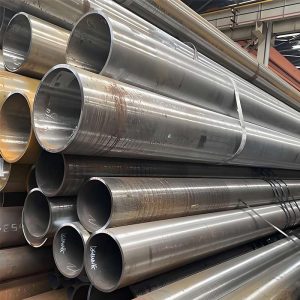
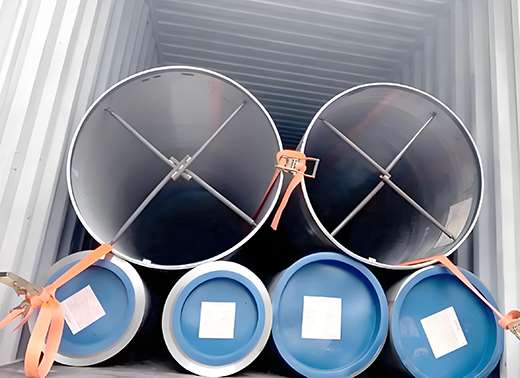
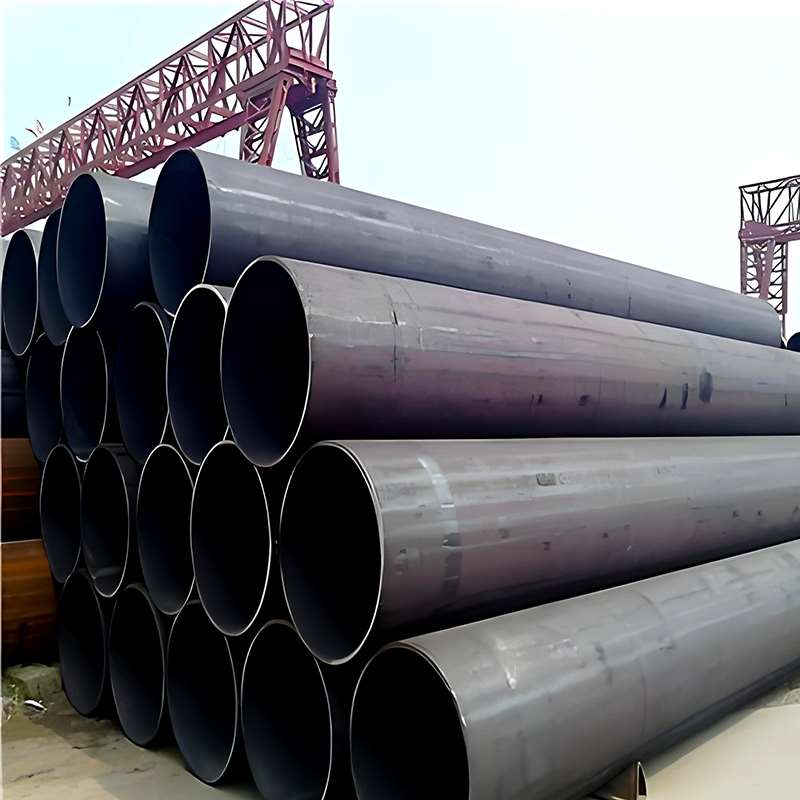
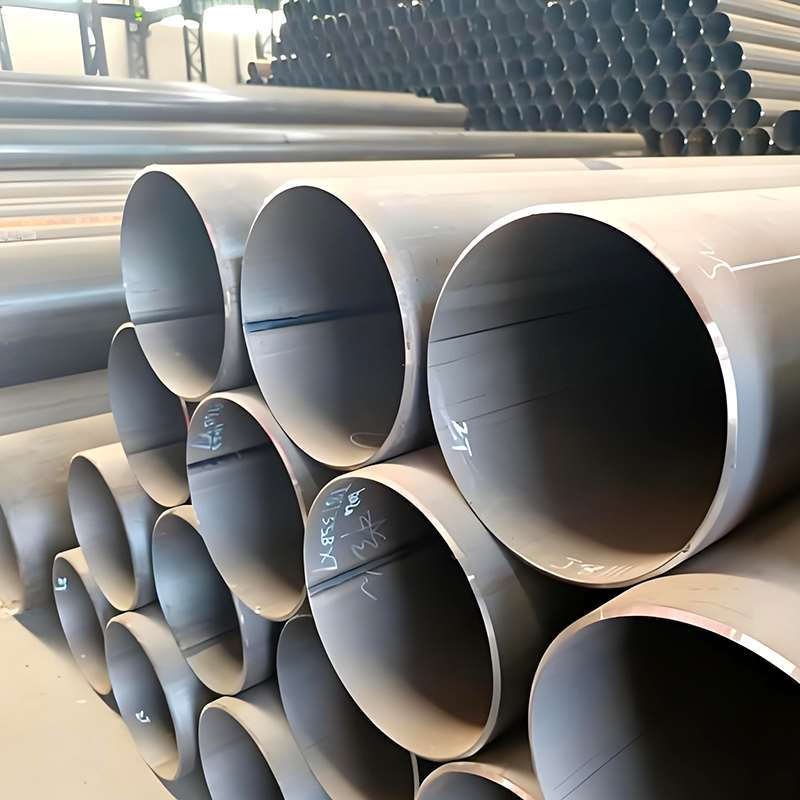
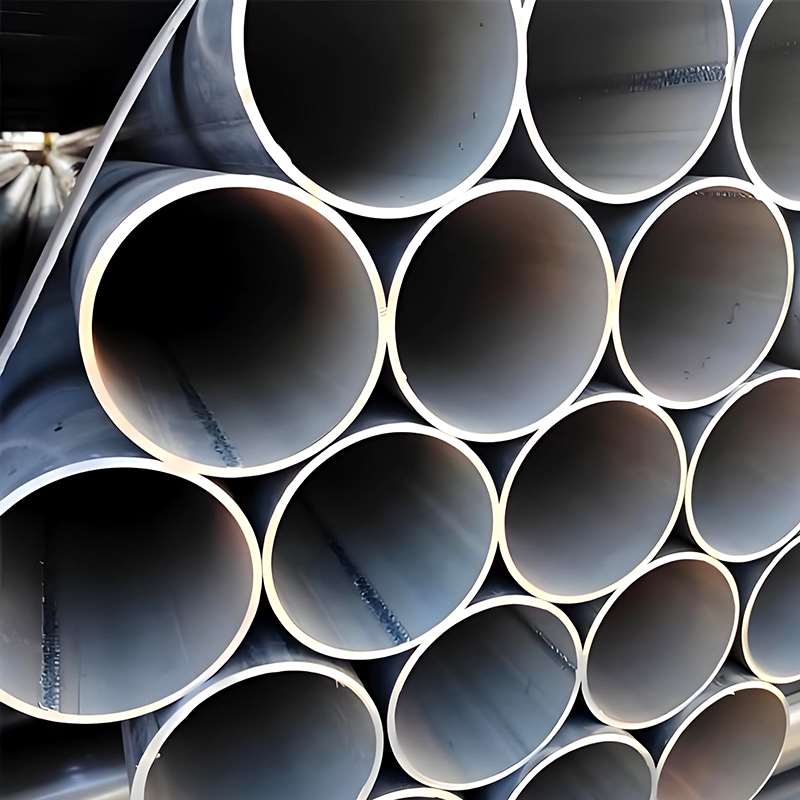
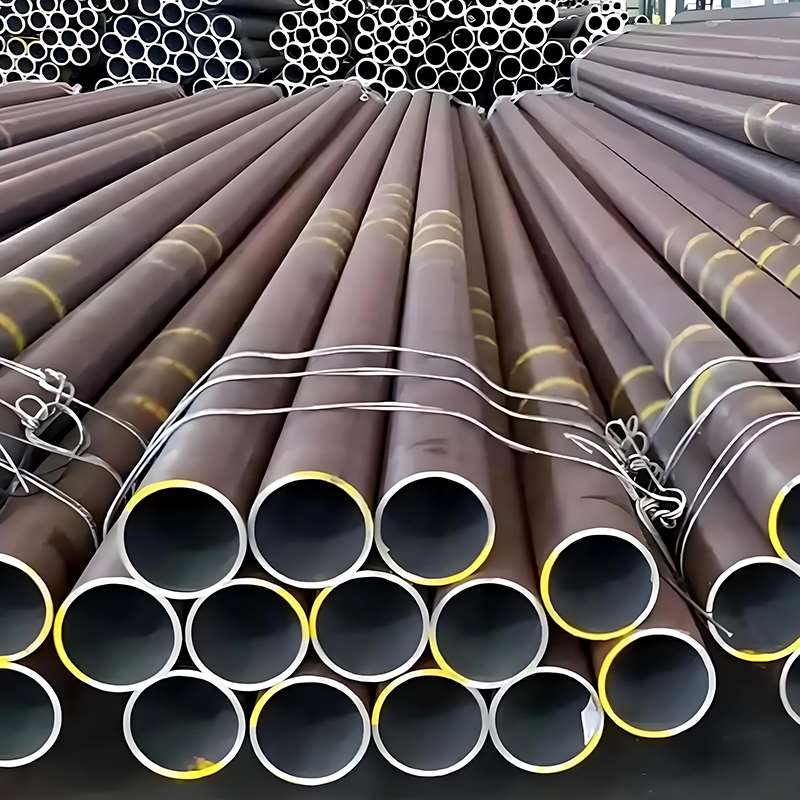
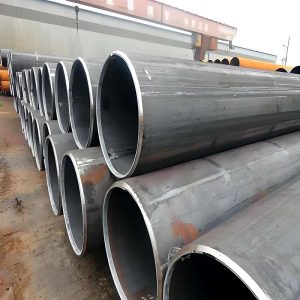
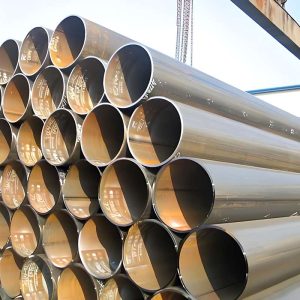
Welded alloy steel pipes refer to alloy steel pipes formed by rolling steel plates or strips through a forming unit and then welding the seams using different welding methods.
In the past, due to limitations in weld performance, the alloy pipe market was dominated by seamless pipes. However, with the advancement of modern non-destructive testing technologies (RT/UT) and heat treatment processes, welded alloy pipes are becoming increasingly widely used in large-diameter, medium-to-low pressure, and specific corrosion-resistant applications, becoming a cost-effective alternative.
II. Manufacturing Processes of Welded Alloy Steel Pipes
Based on pipe diameter and wall thickness requirements, the main processes are as follows:
- ERW (Electric Resistance Welding): Suitable for medium-axis small-diameter thin-walled pipes, with high production efficiency and low cost.
- LSAW (Longitudinal Submerged Arc Welding): Suitable for large-diameter, thick-walled alloy pipes. Produced from single medium-thick plates, ensuring reliable quality.
- EFW (Electric Fusion Welding): Commonly found in ASTM A691 standard, welded by arc heating, often used in high-temperature and high-pressure environments.
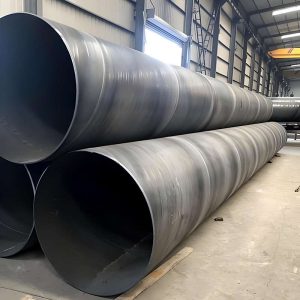
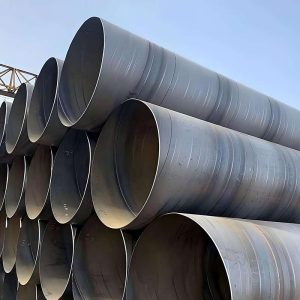
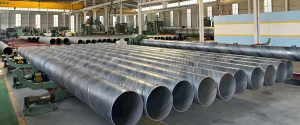
- SSAW (Spiral Submerged Arc Welding): Primarily used for large-diameter low-pressure transportation or structural purposes, offering highly competitive pricing.
III. List of Common Steel Grades for Welded Alloy Steel Pipes
| Standard System | Standard No. | Steel Grade / Material | Alloy Type | Main Alloying Elements | Typical Application |
|---|---|---|---|---|---|
| ASTM / ASME | A691 | 1Cr | Low Alloy Steel | Cr | Medium-temperature pressure piping |
| ASTM / ASME | A691 | 1.25Cr | Cr-Mo Alloy Steel | Cr, Mo | Boiler piping, heat exchangers |
| ASTM / ASME | A691 | 2.25Cr | Cr-Mo Alloy Steel | Cr, Mo | High-temperature steam pipelines |
| ASTM / ASME | A691 | P11 | 1.25Cr-0.5Mo | Cr, Mo | Power plant boilers |
| ASTM / ASME | A691 | P22 | 2.25Cr-1Mo | Cr, Mo | Refinery high-temperature piping |
| ASTM / ASME | A691 | P91 | 9Cr-1Mo-V | Cr, Mo, V, Nb | Ultra-high temperature, high-pressure applications |
| ASTM / ASME | A691 | P92 | 9Cr-0.5Mo | Cr, Mo, W, V | Ultra-supercritical power units |
| ASTM | A335 | P11 / P22 | Cr-Mo Alloy Steel | Cr, Mo | High-temperature pressure piping |
| ASTM | A387 | Gr.11 / Gr.22 | Cr-Mo Alloy Steel | Cr, Mo | Pressure vessels |
| EN | 10216-2 | 13CrMo4-5 | Cr-Mo Alloy Steel | Cr, Mo | Boilers and pressure equipment |
| EN | 10216-2 | 10CrMo9-10 | Cr-Mo Alloy Steel | Cr, Mo | High-temperature piping |
| EN | 10219 | S355J2H | Low Alloy Structural Steel | Mn | Welded structural pipes |
| EN | 10210 | S355J2H | Low Alloy Structural Steel | Mn | Pressure-bearing structures |
| GB | GB/T 5310 | 12Cr1MoVG | Cr-Mo Alloy Steel | Cr, Mo, V | High-pressure boilers |
| GB | GB/T 5310 | 15CrMo | Cr-Mo Alloy Steel | Cr, Mo | Medium-to-high temperature boilers |
| GB | GB/T 1591 | Q345B / Q355B | Low Alloy Structural Steel | Mn | Engineering structures |
| GB | GB/T 6479 | 12Cr2Mo | Cr-Mo Alloy Steel | Cr, Mo | High-pressure chemical pipelines |
| ASTM | A519 | 4130 | Alloy Structural Steel | Cr, Mo | Mechanical structures |
| ASTM | A519 | 4140 | Alloy Structural Steel | Cr, Mo | Mechanical and hydraulic systems |
| EN | 10297 | E470 | Alloy Structural Steel | Mn | Mechanical manufacturing |
V. Mechanical Properties of Commonly Used Steel Grades for Welded Alloy Steel Pipes
| Grade | Tensile Strength Rm (MPa) | Yield Strength Rp0.2 (MPa) | Elongation (%) | Hardness (HB) |
|---|---|---|---|---|
| P11 | ≥415 | ≥205 | ≥30 | ≤170 |
| P22 | ≥415 | ≥205 | ≥30 | ≤163 |
| P91 | 585–760 | ≥415 | ≥20 | ≤250 |
| 12Cr1MoVG | 440–640 | ≥295 | ≥20 | ≤220 |
| 15CrMo | 440–640 | ≥295 | ≥22 | ≤220 |
| 13CrMo4-5 | 450–600 | ≥290 | ≥22 | ≤220 |
| 42CrMo | 850–1000 | ≥650 | ≥14 | ≤241 |
| Q355B | 470–630 | ≥355 | ≥20 | — |
VI. Application Fields of Welded Alloy Steel Pipes
- Boiler and Power Plant Industry
Superheater and reheater pipes
Main steam lines, feedwater lines
High-temperature and high-pressure steam systems
Common steel grades: P11, P22, P91, P92, 12Cr1MoVG
Features: Creep resistance, high-temperature oxidation resistance, stable long-term operation - Petroleum Refining and Chemical Plants
Heating furnace pipes
High-temperature reactor connecting pipelines
Cracking, hydrogenation, and desulfurization system pipelines
Common steel grades: P22, P91, 15CrMo, 13CrMo4-5
Features: High-temperature resistance, hydrogen corrosion resistance, thermal fatigue resistance - Pressure Pipelines and Pressure Vessels
High-pressure transmission pipelines
Container inlet and outlet connecting pipes
Process media transportation systems
Common steel grades: P11, P22, 12Cr1MoVG, A387 Gr.11/22
Features: Strong pressure bearing capacity, stable welding performance - Industrial Pipelines and Energy Engineering
Hot oil pipelines
Industrial steam pipe networks
Thermal energy transmission systems
Common steel grades: P11, P22, 15CrMo
Features: Balance of cost and performance, suitable for large-diameter welded pipes - Mechanical Structures and Engineering Structures
Heavy equipment structural pipes
Bridge and factory steel structures
Engineering support systems
Common steel grades: Q355B, 42CrMo, S355J2H
Features: High strength, wide size range, good machinability
VII. Recommendations for Selecting Welded Alloy Steel Pipes
1. Selection based on operating temperature
| Temperature Range | Recommended Steel Grade |
|---|---|
| ≤ 450 ℃ | Q355B, 15CrMo |
| 450–550 ℃ | P11, 12Cr1MoVG |
| 550–600 ℃ | P22, 13CrMo4-5 |
| ≥ 600 ℃ | P91, P92 |
2. Selection based on design pressure
- Medium and low-pressure systems: P11, 15CrMo
- High-pressure systems: P22, 12Cr1MoVG
- Ultra-high pressure systems: P91 / P92
- Note: For large diameter and high-pressure applications, welded pipes are more economically advantageous.
3. Selection based on media environment
- Steam / hot oil: P11, P22
- Hydrogen-containing media: P22, P91
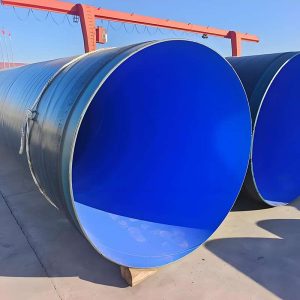
- Corrosive media: Increase Cr content or use internal corrosion protection
4. Based on welding and heat treatment requirements
Cr-Mo alloy steel usually requires PWHT (post-weld heat treatment) after welding.
High-chromium steel (P91/P92) welding materials:
- Preheating temperature
- Interpass temperature
require stricter control.
5. Based on cost and delivery time
- Conventional projects: P11/P22 (high cost-effectiveness, fast delivery)
- High-end projects: P91/P92 (performance is prioritized, higher cost)