Products

Related News

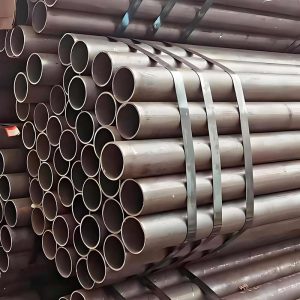
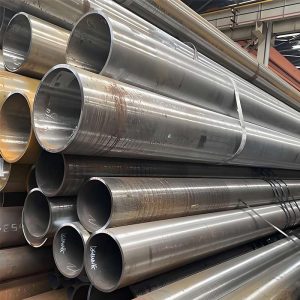
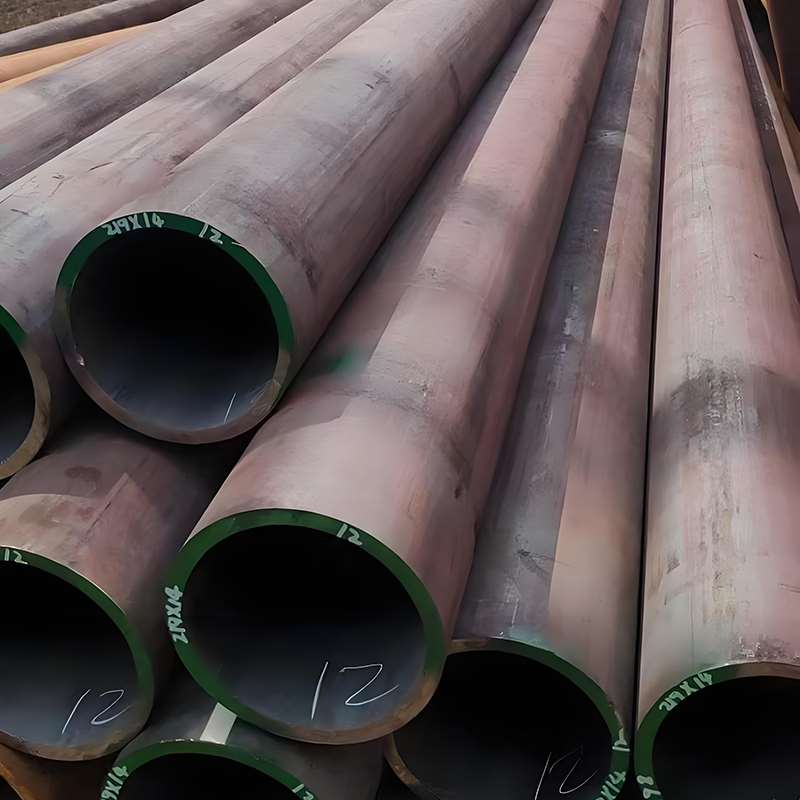
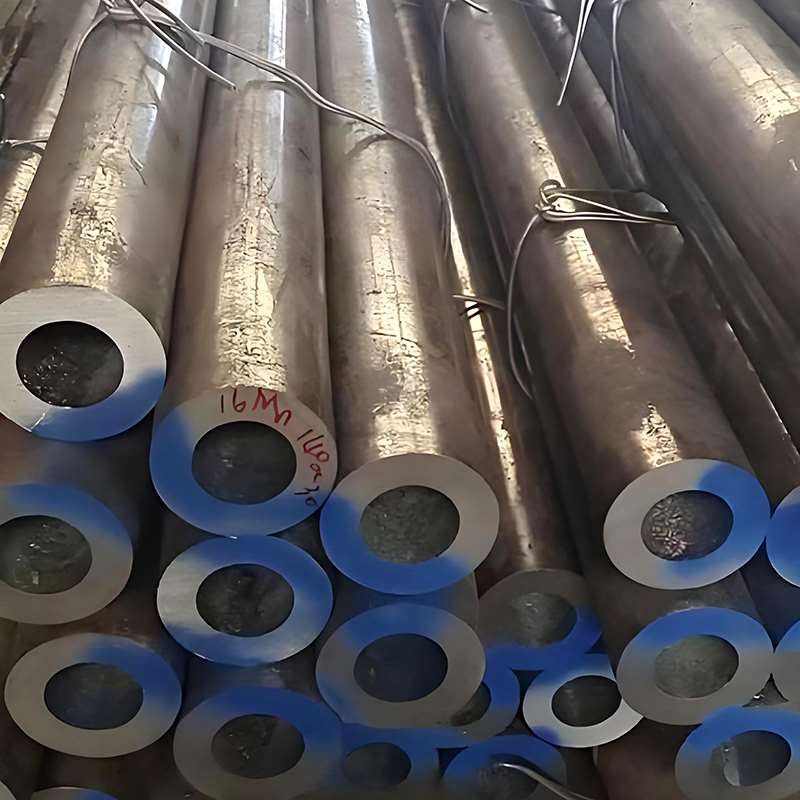
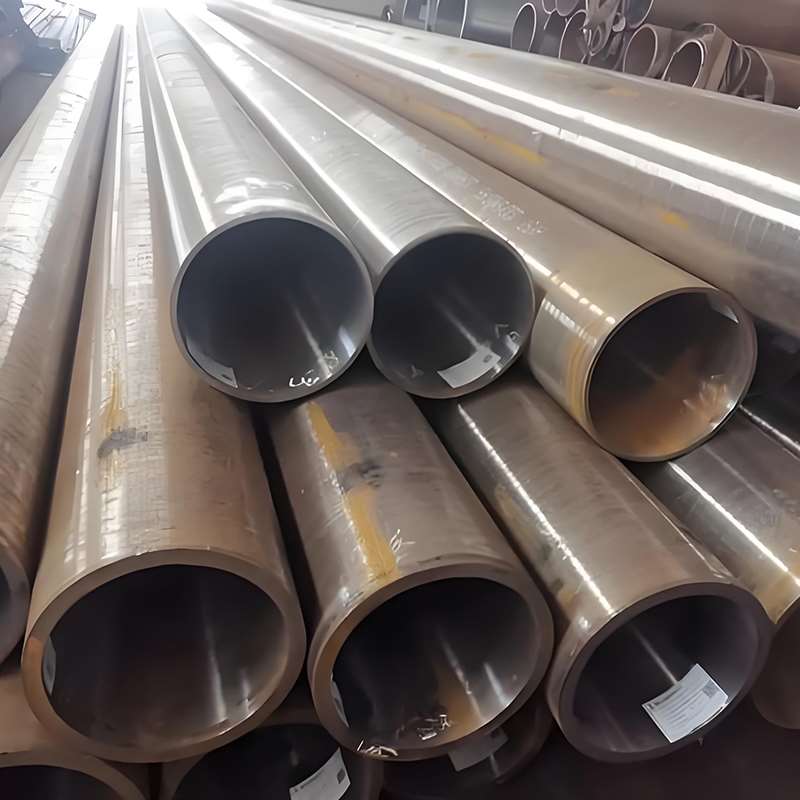
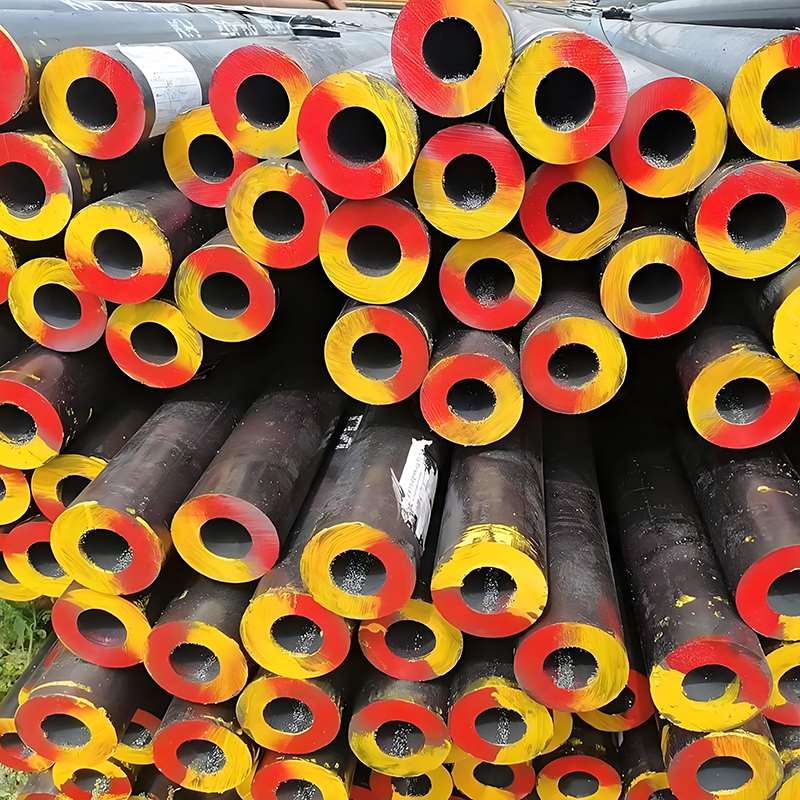
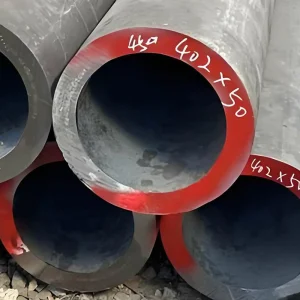
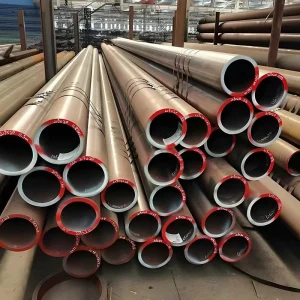
ASTM A335 P22 Alloy Steel Pipe

OD Range :

21.3 – 508 mm

WT Range :

3.0 – 40 mm

Length :

6 – 12 m

Tolerance :

Outer diameter ±1%, wall thickness +15% / −12.5%, length ±5 mm

Material :

P22 alloy steel (2.25Cr–1Mo)

Standard :

ASTM A335 / ASME SA335 P22

Surface :

Bright polishing / Scale removal / Application of rust-preventive oil

Application :

Main steam pipes, superheater tubes, reheater tubes, heat exchanger pipes, and industrial high-temperature and high-pressure pipelines in thermal power plants.

Introduction :

ASTM A335 P22 alloy steel pipe possesses excellent high-temperature strength, creep resistance, and long-term stability.

I. Introduction to ASTM A335 P22 Alloy Steel Pipe

ASTM A335 is a standard for seamless alloy steel pipes established by the American Society for Testing and Materials (ASTM), applicable to boilers, pressure vessels, and heat exchanger piping for high-temperature service.
This standard primarily targets medium-to-high temperature pressure pipelines, ensuring that the pipe material maintains good strength and durability under prolonged high temperatures.
P22 is a typical alloy steel grade under the ASTM A335 standard, belonging to the 2.25Cr–1Mo alloy steel, suitable for medium-to-high temperature and high-pressure environments.

II. Chemical Composition and Mechanical Properties of ASTM A335 P22 Alloy Steel Pipe

i. Chemical Composition

ElementContent Range (%)
Carbon (C)0.05–0.15
Manganese (Mn)0.30–0.60
Silicon (Si)0.10–0.50
Sulfur (S)≤0.025
Phosphorus (P)≤0.025
Chromium (Cr)2.00–2.50
Molybdenum (Mo)0.85–1.05
Nickel (Ni)≤0.40
Copper (Cu)≤0.40

Note: The chemical composition may vary slightly depending on the manufacturer and heat treatment process.

ii. Mechanical properties

PropertyValue
Yield Strength≥ 205 MPa
Tensile Strength415–585 MPa
Elongation≥ 20%
Impact Toughness (Charpy V-notch)≥ 27 J @ 0°C (room temperature)

P22 piping can be optimized for strength and toughness through normalizing or normalizing + tempering heat treatment, making it suitable for long-term operation at temperatures below 540°C.

III. Application Scenarios for ASTM A335 P22 Alloy Steel Pipes

1. Boiler Main Steam Pipelines

  • Selection Recommendation: Use P22 seamless pipes, with wall thickness selected based on design pressure and temperature, and length customized to specifications.
  • Reasoning: P22 steel has a 2.25Cr–1Mo alloy composition, which can withstand high-temperature and high-pressure steam, has good creep resistance, and will not undergo excessive deformation during long-term use. Compared to P11, it is more suitable for medium-to-high temperature environments, while costing less than P91/P92.

2. Boiler Reheat Steam Pipes

  • Selection Recommendation: Use P22 seamless steel pipes, paying attention to preheating during welding and post-weld heat treatment to ensure consistent mechanical properties between the weld and the base metal.
  • Reasoning: Reheat steam temperatures are high, and P22’s temperature resistance can meet operating requirements below 540°C. It has good welding performance, is easy to construct, and can extend the service life of the pipeline.

3. Heat Exchanger Piping

  • Selection Recommendation: Wall thickness should be selected based on medium pressure and flow rate, and the surface can be treated for corrosion resistance or wear resistance.
  • Reasoning: The medium in heat exchangers is often high-temperature steam or hot oil. P22 has high high-temperature strength and good toughness, and can resist thermal stress changes and corrosion. It has low construction and maintenance costs and is suitable for long-term operation.

4. High-Temperature Chemical Pipelines

  • Selection Recommendations: Choose whether to use internal lining or surface treatment based on the corrosiveness of the medium, while ensuring a safety factor under the design pressure.
  • Reasoning: High-temperature chemical pipelines require both temperature resistance and a certain degree of corrosion resistance. P22 is suitable for general acid and alkaline media, can withstand temperature and pressure changes, and is cost-effective, making it suitable for medium-to-high temperature conditions.

5. Auxiliary Steam System Piping (e.g., feedwater, exhaust steam pipes)

  • Selection Recommendations: P22 or P11 can be selected, depending on temperature, pressure, and cost-effectiveness. Wall thickness can be appropriately reduced for non-critical pipelines.
  • Reasoning: Auxiliary steam pipelines have lower pressure. P22 ensures long-term heat resistance, while offering reasonable processing and installation costs and ease of maintenance.

6. Medium-Temperature, High-Pressure Pipelines in Power Plants

  • Selection Recommendations: P22 seamless pipes are preferably normalized or normalized + tempered to ensure long-term creep resistance.
  • Reasoning: When operating at around 500°C for extended periods, P22 maintains pipeline structural strength, reduces maintenance frequency, and offers a better cost-performance ratio than P91/P92, making it suitable for non-critical high-temperature pipelines.
Related Products

ASTM A335 P22 Alloy Steel Pipe Specifications Table

Outside diameter (in / mm) Wall thickness (mm) Theoretical weight (kg/m)
1″ / 21.3 3.2 – 6.3 3.4 – 6.7
1 1/4″ / 33.7 3.2 – 6.3 5.3 – 10.4
1 1/2″ / 42.4 3.5 – 7.1 7.0 – 13.9
2″ / 48.3 3.5 – 7.1 8.0 – 15.8
2 1/2″ / 60.3 4.0 – 7.1 11.0 – 19.5
3″ / 76.1 4.0 – 9.0 14.0 – 28.0
3 1/2″ / 89.0 4.0 – 9.0 16.5 – 32.8
4″ / 114.3 5.0 – 12.7 25.0 – 60.0
5″ / 139.7 5.0 – 12.7 30.0 – 75.0
6″ / 168.3 6.0 – 15.0 42.0 – 105.0
8″ / 219.1 6.0 – 20.0 55.0 – 145.0
10″ / 273.0 7.0 – 22.0 75.0 – 190.0
12″ / 323.9 8.0 – 25.0 100.0 – 250.0
14″ / 355.6 8.0 – 28.0 110.0 – 280.0
16″ / 406.4 10.0 – 32.0 145.0 – 360.0
20″ / 508.0 12.0 – 40.0 210.0 – 500.0


ASTM A335 P22 Alloy Steel Pipe Standard

1. Standard Name

ASTM A335 / A335M – Standard Specification for Seamless Ferritic Alloy-Steel Pipe for High-Temperature Service

2. Scope of Application

Applicable to high-temperature piping systems for boilers, pressure vessels, and heat exchangers.
The pipe material must be seamless steel pipe, used for long-term service under high temperature and high pressure conditions.
P22 steel grade is a 2.25Cr–1Mo alloy steel specified in the standard, suitable for medium-to-high temperature and medium-to-high pressure applications.

3. Technical Requirements

Chemical Composition
C: 0.05–0.15%
Mn: 0.30–0.60%
Si: 0.10–0.50%
Cr: 2.00–2.50%
Mo: 0.85–1.05%
Other elements such as S, P, Ni, and Cu have strict limits.

Mechanical Properties
Yield Strength ≥ 205 MPa
Tensile Strength 415–585 MPa
Elongation ≥ 20%
Impact Toughness ≥ 27 J @ 0°C (optional)

4. Dimensions and Tolerances

Outer diameter, wall thickness, and length shall conform to ASTM A335 / ASME B36.10M or customer requirements.
The tubing shall maintain roundness, straightness, and uniform wall thickness.

5. Heat Treatment

Normalizing or Normalizing and Tempering
Post-weld heat treatment (PWHT) is required after welding to ensure that the weld properties are consistent with the base material.

6. Inspection Requirements

Chemical composition testing
Mechanical properties testing
Non-destructive testing (UT/RT) is optional, depending on design and service conditions.


ASTM A335 P22 Alloy Steel Pipe Manufacturing Process Flow

Raw Material Preparation → Heating → Piercing/Hot Rolling → Dimensional Correction → Heat Treatment → Non-Destructive Testing → Surface Treatment → Finished Product Inspection → Warehousing

Process Description:

1. Raw Material Preparation: Select alloy steel billets conforming to the P22 chemical composition requirements, ensuring low sulfur and phosphorus content.
2. Heating: Uniformly heat the steel billets to 1150–1250°C to prepare for hot working.
3. Piercing/Hot Rolling: Form the pipe blank through piercing or hot drawing, then hot roll to the target outer diameter and wall thickness.
4. Dimensional Correction: Correct the straightness, roundness, and wall thickness uniformity of the pipe.
5. Heat Treatment: Normalizing or normalizing + tempering to improve mechanical properties and toughness; tempering can be performed after welding.
6. Non-Destructive Testing (NDT): Ultrasonic testing (UT) or radiographic testing (RT) to check for internal defects.
7. Surface Treatment: Pickling, degreasing, anti-corrosion coating, or galvanizing to ensure quality during transportation and use.
8. Finished Product Inspection: Inspect dimensions, appearance, mechanical properties, and chemical composition.
9. Warehousing: Qualified products are marked, packaged, and stored in the warehouse, awaiting shipment or further processing.


ASTM A335 P22 Alloy Steel Pipe Testing Standards Table

Test Item Purpose Method / Description
Chemical Composition (C, Mn, Si, Cr, Mo, S, P, Ni, Cu) Ensure the steel composition meets P22 standard and guarantees mechanical properties at high temperature and pressure Optical Emission Spectroscopy (OES), Chemical Analysis
Yield Strength (YS) Ensure the pipe does not undergo permanent deformation under working pressure Tensile Test, according to ASTM A370
Tensile Strength (UTS) Ensure the pipe has sufficient load-bearing capacity Tensile Test, according to ASTM A370
Elongation Ensure the pipe has adequate toughness and plasticity Tensile Test, according to ASTM A370
Impact Toughness (Charpy V-notch, 0°C) Ensure the pipe does not brittle fracture at low temperature or under impact Impact Test, according to ASTM A370 (optional)
Outer Diameter & Wall Thickness Ensure the pipe dimensions meet design requirements and fit correctly during installation Dimensional Measurement (Vernier caliper, Thickness gauge, etc.)
Pipe Straightness Ensure the pipeline is straight and free of bends during installation Straightedge measurement or Laser measurement
Roundness Ensure uniform pipe cross-section and smooth welding Gauge measurement or Laser measurement
Internal & External Surface Quality Prevent defects such as cracks, slag inclusions, porosity, or shrinkage Visual Inspection, Magnetic Particle Testing (MT), Liquid Penetrant Testing (PT)
Non-Destructive Testing (UT/RT) Detect internal defects and ensure pipe integrity Ultrasonic Testing (UT) or Radiographic Testing (RT)
Hardness Assist in evaluating heat treatment effectiveness and material consistency Rockwell or Brinell Hardness Test
Magnetic Particle or Liquid Penetrant Testing (optional) Detect surface microcracks or defects MT/PT testing, per customer requirements or design specifications


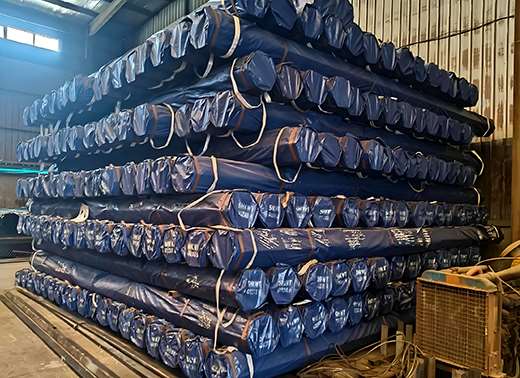
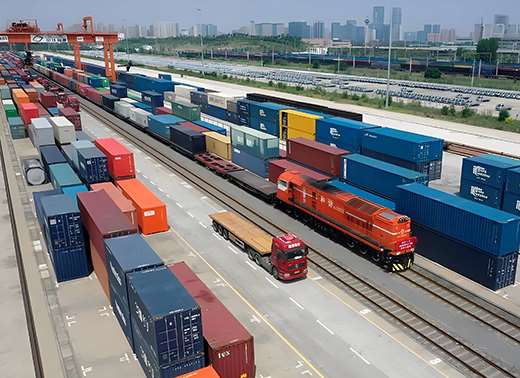
Seamless Carbon Steel Pipe Packaging and Shipping Seamless Carbon Steel Pipe Sea Freight

ASTM A335 P22 Alloy Steel Pipe – Frequently Asked Questions

Q1. What temperature and pressure conditions are suitable for P22 alloy steel pipes?

Answer:
P22 (2.25Cr–1Mo) is suitable for medium to high temperature and pressure conditions, generally with a design temperature ≤ 540°C and medium to high working pressure. It is suitable for boiler main steam pipes, reheat steam pipes, heat exchanger tubes, and high-temperature petrochemical pipelines. For temperatures or pressures exceeding the design limits, higher grades such as P91 or P92 should be considered.

Q2. Can P22 pipes be welded directly?

Answer:
Yes, they can be welded, but preheating is required before welding, and post-weld heat treatment (PWHT) is mandatory to relieve welding stress and ensure consistent mechanical properties between the weld and the base metal. Common welding methods include SMAW, GTAW, or FCAW.

Q3. What are the common size specifications for P22 pipes?

Answer:
Common outer diameters range from 1″ (21.3 mm) to 20″ (508 mm), and wall thicknesses range from 3.2 mm to 40 mm, which can be selected according to the design pressure and flow rate. Pipe lengths can be specified (generally 6–12 m), or shorter lengths can be processed or joined together.

Q4. How to ensure that P22 pipes do not fail during long-term high-temperature use?

Answer:
The key lies in the material and heat treatment. P22 pipes should undergo normalizing or normalizing + tempering treatment, and tempering after welding, to ensure creep resistance and high-temperature strength; at the same time, the pipeline design should meet the fluid, support, and expansion requirements to avoid local stress concentration.

Q5. How to test the quality of P22 pipes?

Answer:
The main testing items include chemical composition (C, Cr, Mo, etc.), mechanical properties (yield strength, tensile strength, elongation, impact toughness), dimensional accuracy (outer diameter, wall thickness, straightness, roundness), and non-destructive testing (UT/RT testing for internal defects). Surface defects can be detected using magnetic particle or liquid penetrant testing.

Q6. What are the differences between P22, P11, and P91, and how to choose between them?

Answer:
P11 (1Cr–0.5Mo): Suitable for medium-temperature and medium-pressure conditions, low cost, suitable for auxiliary steam or medium-temperature pipelines.
P22 (2.25Cr–1Mo): Suitable for medium-high temperature and medium-high pressure conditions, high cost-effectiveness, commonly used for main steam and reheat steam pipes.
P91 (9Cr–1Mo–VNb): Suitable for high-temperature and high-pressure critical pipelines, better creep resistance, but higher cost.