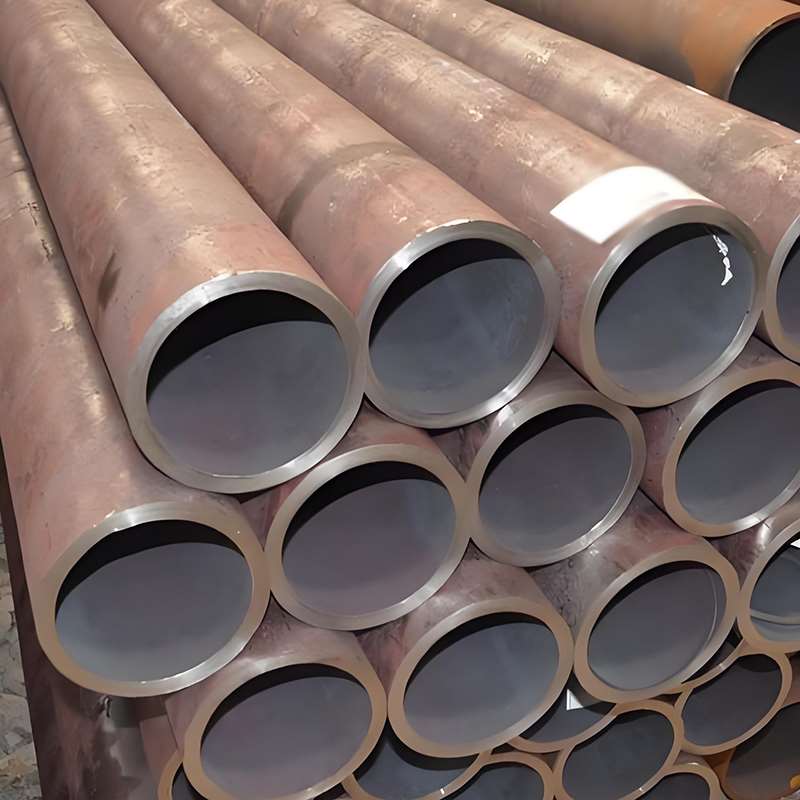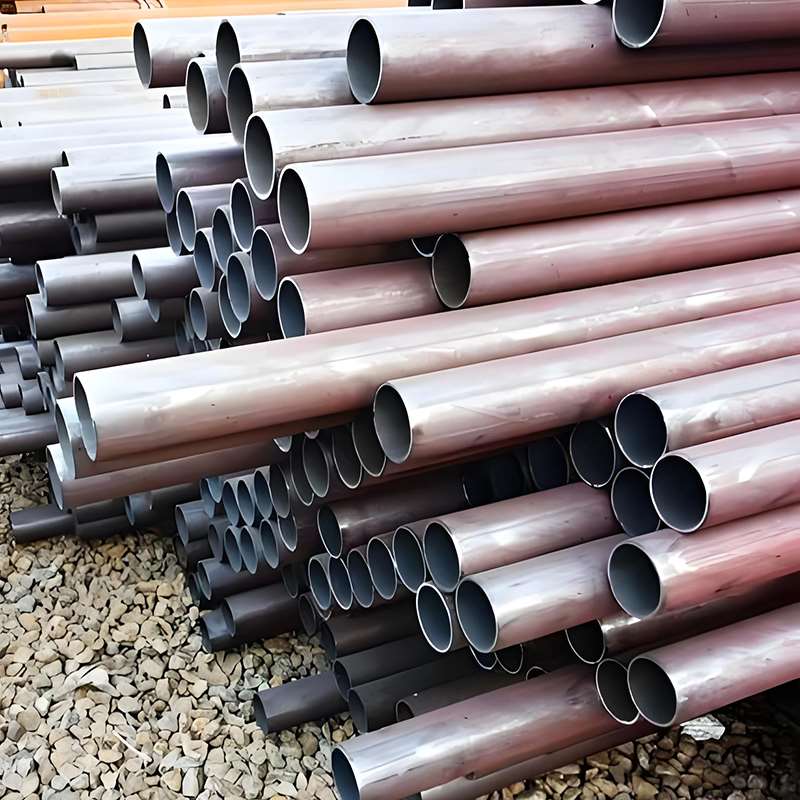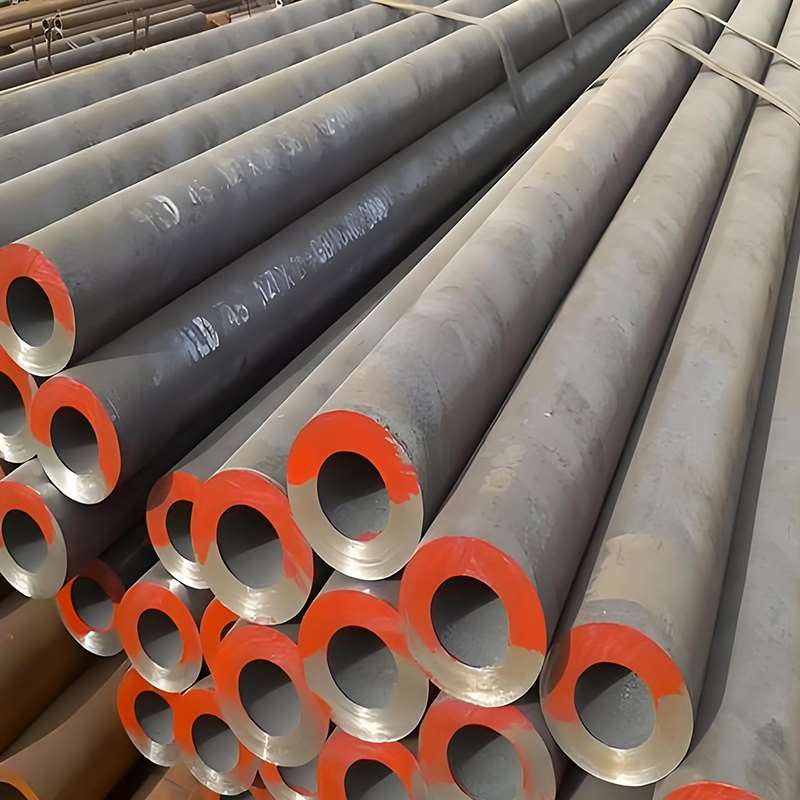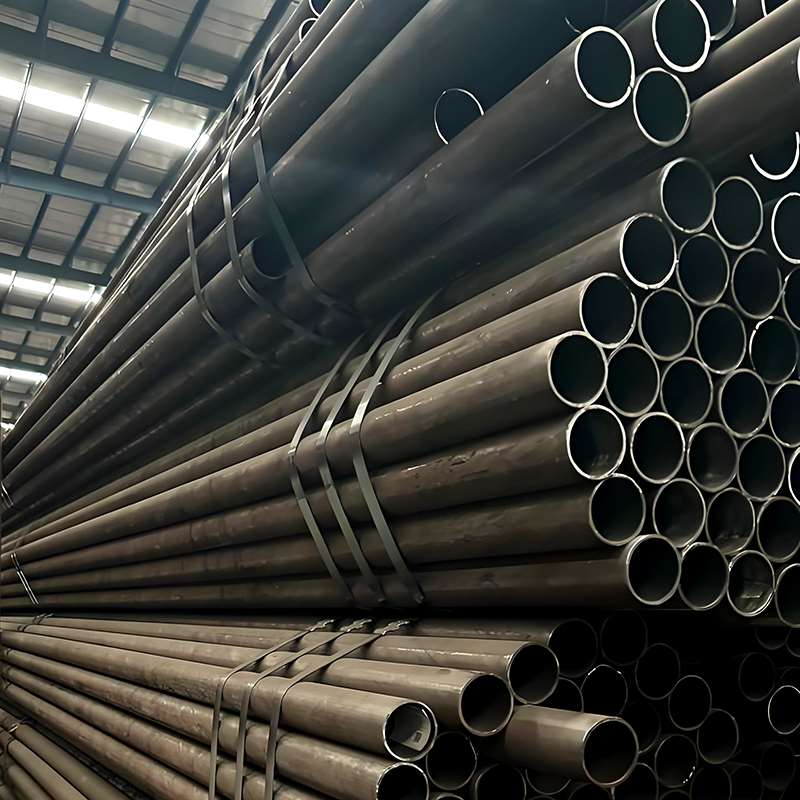
I. Overview of Low-Pressure Seamless Boiler Tubes
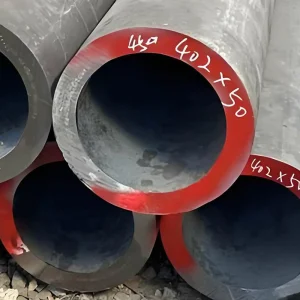
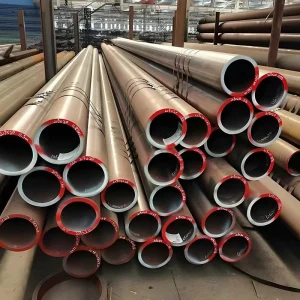
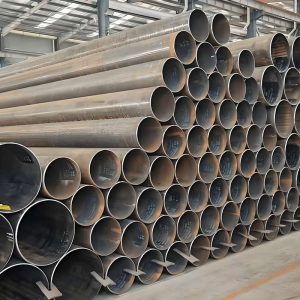
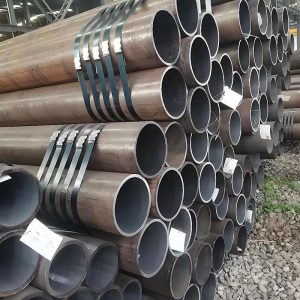
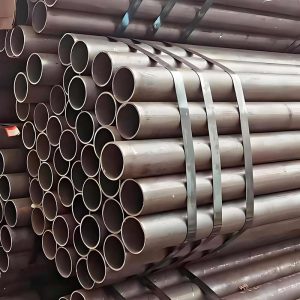
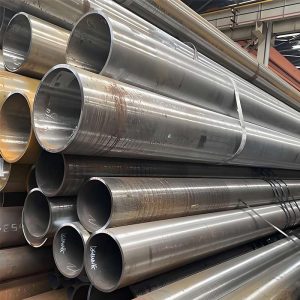
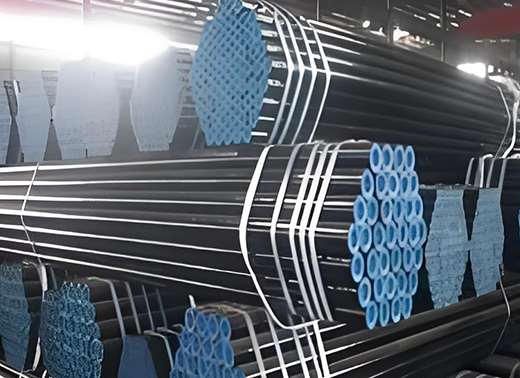
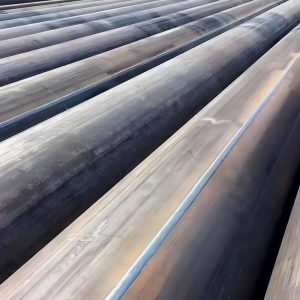
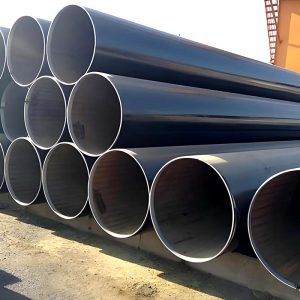
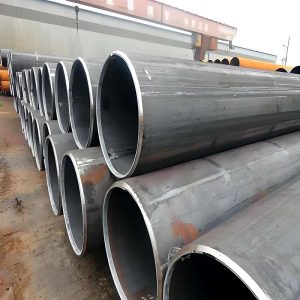
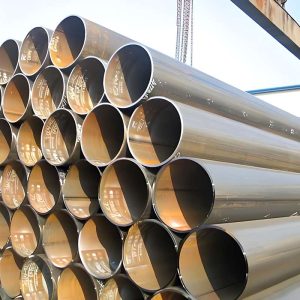
Low-pressure seamless boiler tubes are a type of carbon steel or low-alloy steel pipe specifically designed for low-pressure boilers and thermal piping systems. They are manufactured using advanced seamless manufacturing processes, resulting in uniform pipe bodies, high strength, and reliable pressure resistance, making them suitable for long-term operation under medium and low-pressure conditions.
These boiler tubes are widely used in industrial boilers, hot water boilers, low-pressure steam systems, and heating pipelines, effectively withstanding steam and water media in low-pressure environments and ensuring system safety and stability.
Low-pressure seamless boiler tubes comply with domestic standards (such as GB/T 5310, GB/T 3087) and international standards (such as ASME SA106, ASTM A179), with strict control over material, dimensions, and mechanical properties to ensure the reliability of each pipe.
II. Chemical Composition and Mechanical Properties of Low-Pressure Seamless Boiler Tubes
i. Chemical Composition Table
| Standard / Steel Grade | C (%) | Mn (%) | P (%) | S (%) | Si (%) |
| ASTM A106 Gr. B | ≤0.30 | 0.29–1.06 | ≤0.035 | ≤0.035 | 0.10–0.35 |
| ASTM A179 | ≤0.25 | 0.27–0.60 | ≤0.035 | ≤0.035 | 0.10–0.35 |
| ASME SA106 Gr. B | ≤0.30 | 0.29–1.06 | ≤0.035 | ≤0.035 | 0.10–0.35 |
| ASME SA179 | ≤0.25 | 0.27–0.60 | ≤0.035 | ≤0.035 | 0.10–0.35 |
ii. Mechanical Properties Table
| Standard / Grade | Tensile Strength (MPa) | Yield Strength (MPa) | Elongation (%) |
|---|---|---|---|
| ASTM A106 Gr. B | 415–540 | ≥205 | ≥30 |
| ASTM A179 | 380–480 | ≥205 | ≥30 |
| ASME SA106 Gr. B | 415–540 | ≥205 | ≥30 |
| ASME SA179 | 380–480 | ≥205 | ≥30 |
Description
- Chemical Composition
- C (Carbon): Affects strength and hardness
- Mn (Manganese): Improves toughness and machinability
- P, S (Phosphorus, Sulfur): Lower content is better to avoid brittleness
- Si (Silicon): Improves strength and heat resistance
- Mechanical Properties
- Tensile strength: Overall tensile capacity of the pipe
- Yield strength: Ensures the pipe will not permanently deform under low pressure
- Elongation: Toughness indicator, ensuring no cracking during bending or welding during construction
- Applications
- ASTM A106 / ASME SA106: Low and medium pressure boiler tubes
- ASTM A179 / ASME SA179: Low pressure boiler hot water thin-walled tubes
III. Highlights of Low-Pressure Seamless Boiler Tube Manufacturing Process
- Advanced Seamless Forming
Utilizing hot rolling or cold drawing seamless processes
Eliminates weld defects, improving pressure resistance and strength of the tubes - High-Temperature Uniform Heating
Steel billets heated to 1050–1200℃
Ensures uniform tube structure, preventing cracking and stress concentration - Precision Rolling and Expanding
Multiple rolling passes ensure uniform wall thickness and precise dimensions
Smooth inner and outer surfaces improve pressure resistance and service life - Strict Straightening and Cutting
Straightening machine ensures tube straightness
Precise cutting to standard lengths or customized lengths as per customer requirements - Comprehensive Quality Inspection
Hydrostatic testing, tensile testing, visual and dimensional inspection
Optional non-destructive testing such as ultrasonic and magnetic particle testing - Diversified Surface Treatment
Pickling, enameling, galvanizing, or polishing available
Improves corrosion resistance and aesthetics - Customizable Production
Outer diameter, wall thickness, and length can be customized according to customer requirements
Meeting the design needs of various low-pressure boilers and thermal systems
IV. Typical Application Fields of Low-Pressure Seamless Boiler Tubes
- Industrial Low-Pressure Steam Boilers
Suitable for small steam systems in factories and process equipment
Steam pressure is generally ≤1.6 MPa - Hot Water Boiler Systems
Heating or hot water circulation systems
Suitable for residential, commercial, and industrial hot water piping - Low-Pressure Thermal Pipelines
Heat transfer pipelines for factories, buildings, and heating systems
Used for conveying hot water or low-pressure steam - Small Chemical or Power Plant Auxiliary Boilers
Low-pressure steam auxiliary system piping
Process-related thermal pipelines - Other Low-Pressure Thermal Applications
Various low-pressure steam and hot water piping systems
Auxiliary equipment and secondary heating systems
V. Selection Recommendations
| Item | Recommendation |
|---|---|
| Pipe Diameter Selection | Choose the outer diameter based on boiler capacity, pipeline flow, and allowable pressure drop. Common low-pressure boiler pipes have outer diameters ≤168.3 mm. |
| Wall Thickness Selection | Select wall thickness according to working pressure. For low-pressure boilers, typically 2.77–16 mm, balancing pressure resistance and cost-effectiveness. |
| Material Selection | Use carbon steel or low-alloy steel, such as ASTM A106 Gr.B, ASTM A179, or GB/T 5310 20G/Q235B, to ensure pressure resistance and toughness. |
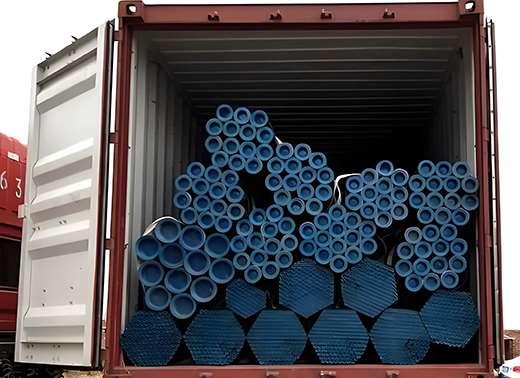
| Length Selection | Standard lengths are 5–12 m; can be cut to size according to construction requirements. |
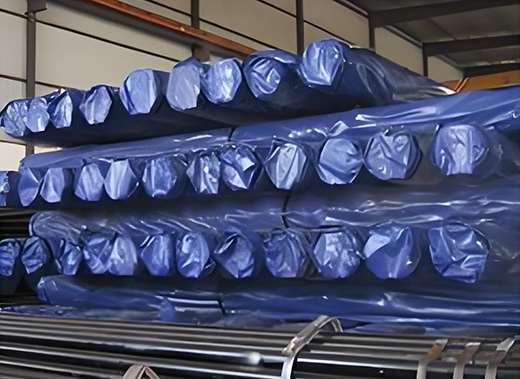
| Surface Treatment | For outdoor or humid environments, consider pickling, galvanizing, or painting for corrosion resistance and durability. |
| Standard Compliance | Use pipes that meet standards such as GB/T 5310, ASME SA106, ASTM A106 / A179 to ensure material quality, mechanical performance, and safety. |