Products

Related News

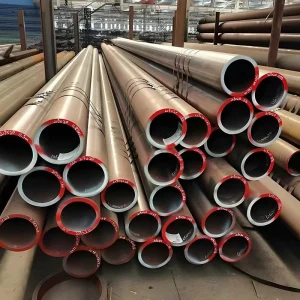
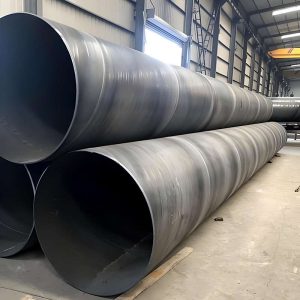
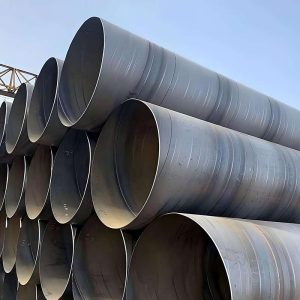
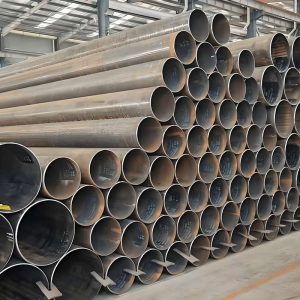
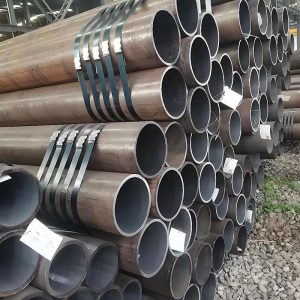
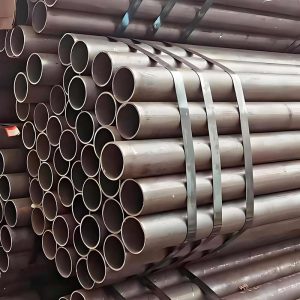
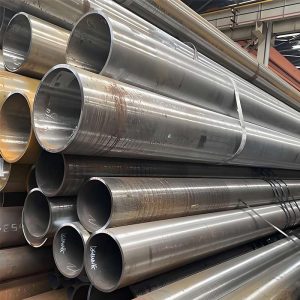
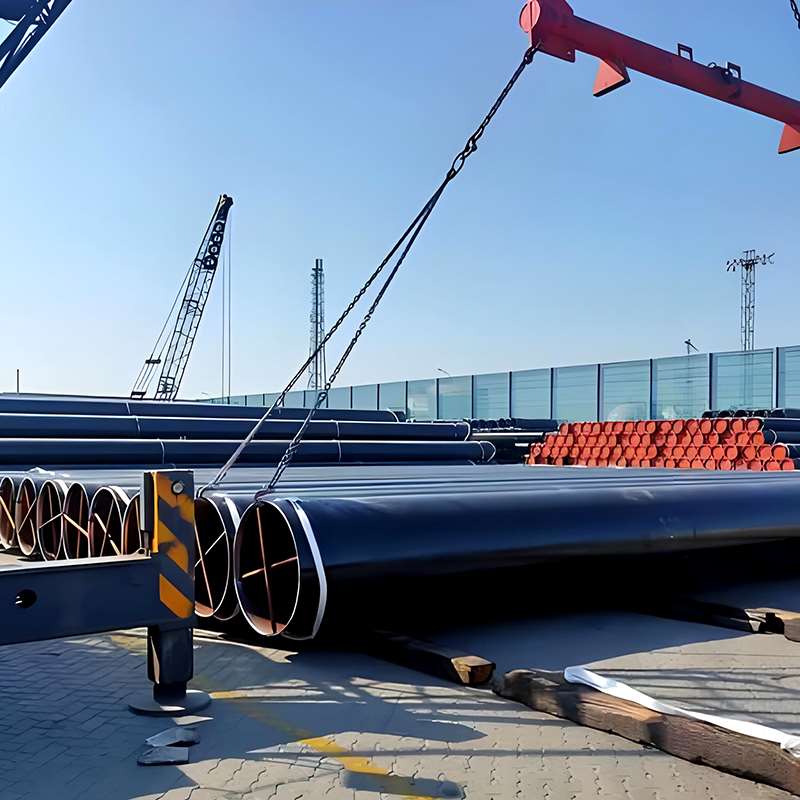
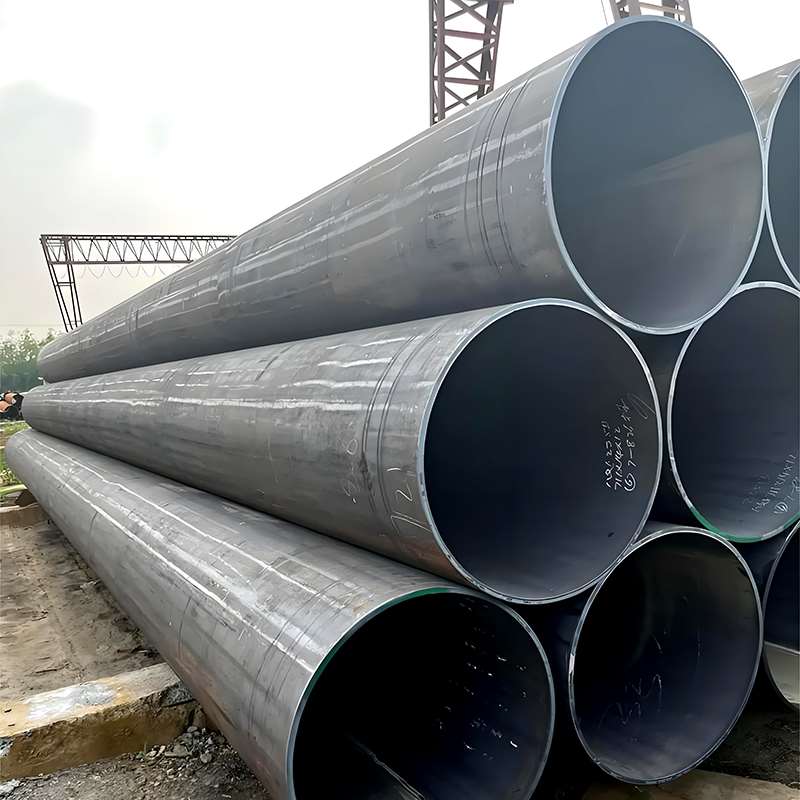
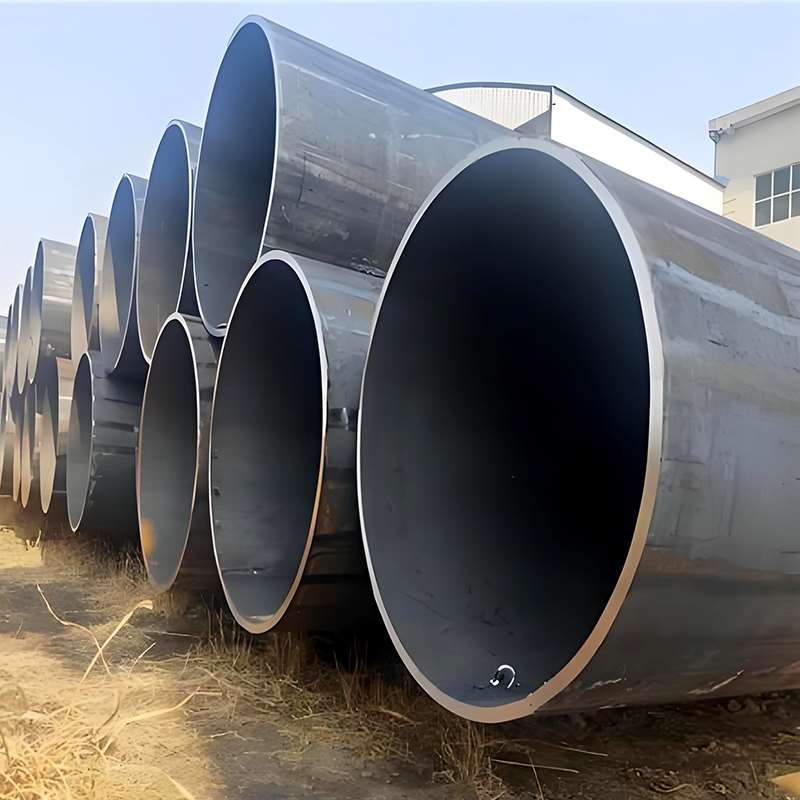
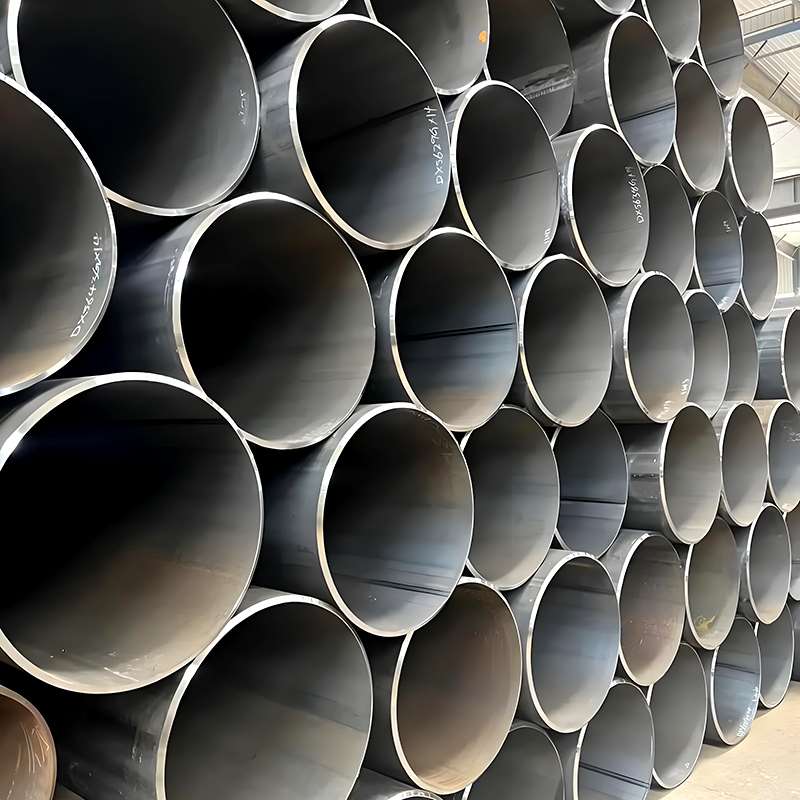
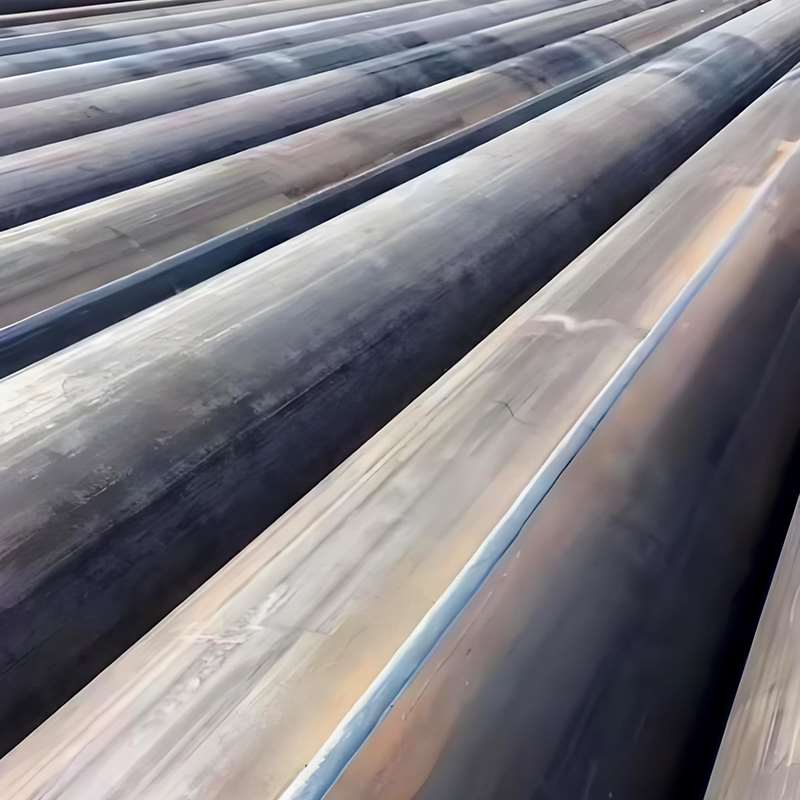
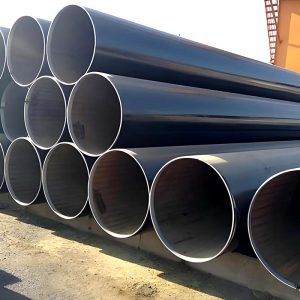
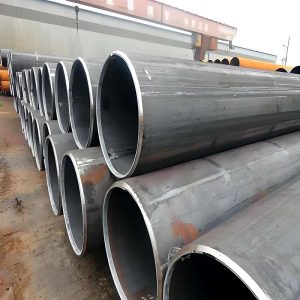
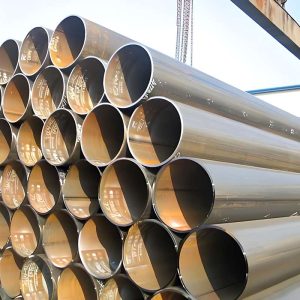
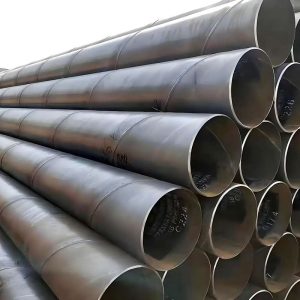
LSAW (Longitudinal Submerged Arc Welding) steel pipe

OD Range :

Φ406 mm – Φ1626 mm(16″ – 64″)

WT Range :

6.0 mm – 60.0 mm

Length :

6 m – 12.5 m

Tolerance :

Outside diameter tolerance: ±0.5% (and not exceeding ±5 mm), wall thickness tolerance: -10% to +15%

Material :

API 5L:Gr.B、X42、X46、X52、X56、X60、X65、X70ASTM:Gr.42、Gr.46、Gr.52、Gr.60、Gr.65、Gr.70

Standard :

API 5L(PSL1 / PSL2)ASTM A252ASTM A671 / A672EN 10219 / EN 10217

Surface :

3LPE / 3PP / FBE

Application :

Oil and gas long-distance pipelines, offshore engineering and subsea pipelines, power plants and energy projects, bridge structures and large-scale foundation engineering, piling and heavy structural engineering.

I. Definition of LSAW Steel Pipe:

LSAW steel pipe (Longitudinal Submerged Arc Welding Steel Pipe), also known as straight seam submerged arc welded steel pipe, is a type of welded steel pipe made from medium-thick steel plates. The steel plates are formed into pipe blanks using the JCOE or UOE forming process, and then welded using a longitudinal submerged arc welding process. The weld seam is distributed in a straight line along the axis of the steel pipe.

II. The fundamental differences between LSAW steel pipes and common welded pipes (ERW, SSAW)

Comparison ItemLSAW Pipe (Longitudinal Submerged Arc Welded)ERW Pipe (High Frequency Electric Resistance Welded)SSAW Pipe (Spiral Submerged Arc Welded)
Raw MaterialMedium & heavy steel plateHot-rolled / cold-rolled steel stripSteel strip
Forming MethodJCOE / UOE press formingContinuous roll formingSpiral forming
Welding MethodLongitudinal SAW (inside + outside welding)High-frequency resistance welding, no filler metalSubmerged arc welding
Weld Seam TypeSingle longitudinal seamLongitudinal seamSpiral seam
Weld Seam LengthShort, concentrated seamRelatively shortLong, running through the pipe body
NDT InspectionUT / RT, easy to perform full inspectionUT applicableUT / RT more difficult
Outside Diameter RangeLarge diameter (≥ 406 mm)Mainly small to medium diameterExtra-large diameter available
Wall Thickness CapabilityThick wall (up to 60 mm)Limited wall thicknessMedium wall thickness
Pressure CapacityHighMediumLow to medium
Dimensional AccuracyHighHighModerate
Typical StandardsAPI 5L, ASTM A671 / A672ASTM A53, ASTM A500API 5L, SY/T 5037
Typical ApplicationsOil & gas transmission pipelines, energy projectsStructural pipes, low to medium pressure fluid serviceWater transmission, piling projects
Cost LevelHighLowMedium
Application SummaryHigh-specification, high-safety requirement projectsStandardized, cost-sensitive projectsLarge-diameter, low to medium pressure projects

III. LSAW Steel Pipe Anti-Corrosion Solutions

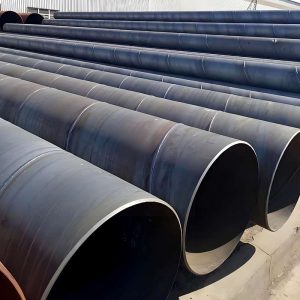
  1. Black Pipe / Rust Inhibitor Oil
    Application: Short-term storage or transportation of pipes
    Method: Applying rust inhibitor oil to the pipe surface or maintaining its original color
    Features: Economical and practical, but only suitable for short-term rust prevention
  1. External Surface Painting
    Application: Indoor pipes or mildly corrosive environments
    Method: Spraying epoxy or ordinary anti-rust paint on the outer wall of the pipe
    Features: Better rust prevention effect than black pipes, moderate cost
  1. FBE (Fusion Bonded Epoxy Coating)
    Application: Buried or outdoor moderately corrosive environments
    Method: Hot spraying or electrostatic powder coating of an epoxy layer
    Features: Strong adhesion, long anti-corrosion life, suitable for most pipelines
  1. 3PE / 3PP Three-Layer Anti-Corrosion Coating
    Application: Highly corrosive environments, long-distance oil and gas pipelines
    Method: Three-layer structure on the pipe’s outer wall: epoxy primer + adhesive + polyethylene topcoat
    Features: Strong corrosion resistance, long protection period, preferred choice for critical projects
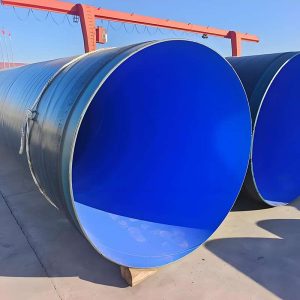
  1. Internal Anti-Corrosion Coating
    Application: Transporting acidic or corrosive media
    Method: Epoxy coating or epoxy glass flake coating sprayed on the inner wall of the pipe
    Features: Prevents media corrosion, extends pipeline service life
  1. PE / FBE Lining
    Application: Water, acid/alkaline fluids, or applications requiring high friction resistance
    Method: PE or FBE lining on the inner wall of the pipe
    Features: Reduces friction loss, high corrosion resistance, suitable for special fluid transportation.

IV. Typical Application Fields of LSAW Steel Pipes

  1. Oil and Gas Long-Distance Pipelines
    Uses: Transporting crude oil, natural gas, and petrochemical products
    Features: Preferred material for large-diameter, high-pressure, and long-distance pipelines
  2. Offshore Engineering and Subsea Pipelines
    Uses: Offshore oil and gas platforms and subsea pipelines
    Features: High pressure resistance, corrosion resistance, high weld stability, suitable for complex environments
  3. Power Plants and Energy Projects
    Uses: High-temperature and high-pressure steam pipelines in thermal power plants, nuclear power plants, and combined heat and power plants
    Features: Strong pressure bearing capacity, suitable for high-temperature and high-pressure fluid transportation
  4. Bridge Structures and Large-Scale Foundation Engineering
    Uses: Bridge piles, foundation supports, heavy structure pipelines
    Features: High strength, good pressure resistance, ensuring engineering safety and stability
  5. Piling and Heavy Foundation Engineering
    Uses: Large building pile foundations, port terminals, foundation load-bearing
    Features: Thick-walled pipes, high load-bearing capacity, impact and pressure resistance
Related Products

LSAW Steel Pipe Specifications

Outer Diameter (mm / inch) Wall Thickness (mm / inch) Weight (kg/m / lb/ft) Length (m / ft)
406 / 16″ 6 – 20 / 0.24 – 0.79″ 39 – 130 / 26 – 87 6 – 12 / 19.7 – 39.4
508 / 20″ 6 – 22 / 0.24 – 0.87″ 61 – 160 / 41 – 107 6 – 12 / 19.7 – 39.4
610 / 24″ 8 – 24 / 0.31 – 0.94″ 87 – 210 / 59 – 140 6 – 12 / 19.7 – 39.4
711 / 28″ 10 – 26 / 0.39 – 1.02″ 138 – 260 / 93 – 173 6 – 12 / 19.7 – 39.4
813 / 32″ 12 – 28 / 0.47 – 1.10″ 158 – 312 / 107 – 208 6 – 12 / 19.7 – 39.4
914 / 36″ 14 – 30 / 0.55 – 1.18″ 222 – 378 / 150 – 252 6 – 12 / 19.7 – 39.4
1016 / 40″ 16 – 32 / 0.63 – 1.26″ 274 – 450 / 185 – 300 6 – 12 / 19.7 – 39.4
1219 / 48″ 18 – 34 / 0.71 – 1.34″ 395 – 520 / 267 – 347 6 – 12 / 19.7 – 39.4
1422 / 56″ 20 – 36 / 0.79 – 1.42″ 475 – 655 / 321 – 443 6 – 12 / 19.7 – 39.4
1626 / 64″ 22 – 40 / 0.87 – 1.57″ 710 – 970 / 480 – 656 6 – 12 / 19.7 – 39.4

Notes:

Outer diameter: 406 – 1626 mm (16″ – 64″)

Wall thickness: 6 – 40 mm (0.24″ – 1.57″), depending on diameter

Length: 6–12 m (19.7 – 39.4 ft), customizable

Weight: Calculated based on steel density 7.85 t/m³

LSAW steel pipe international standards

Standard Applicable Region / Organization Application Scope Description
API 5L (PSL1 / PSL2) USA / Global Oil and gas transmission pipelines Common standard for high-pressure transmission pipelines, covering both longitudinal and spiral welded pipes
ASTM A671 / A672 USA / Global Large-diameter steel pipes for transmission and structural use High-strength, thick-wall steel pipes suitable for energy and high-pressure engineering
ASTM A252 USA / Global Piling pipes and structural support Steel pipes for pipe piles and foundation support projects
EN 10219 / EN 10217 Europe / Global Structural and pressure pipes Covers production, dimensions, tolerances, and performance requirements for welded steel pipes
ISO 3183 International Standard Oil and gas pipelines International standard similar to API 5L, widely used in global engineering projects
GB/T 9711 China Oil and gas pipelines Chinese national standard applicable to large-diameter longitudinal and spiral welded pipelines
JIS G3454 / G3455 Japan Transmission pipelines Japanese Industrial Standards for steel pipes used in oil and gas transmission


LSAW Steel Pipe Production Process Flow

Medium-thick steel plate → Forming → Longitudinal submerged arc welding → Expanding → Non-destructive testing → Hydrostatic testing → Size correction → Surface treatment → Finished product warehousing

Detailed breakdown as follows:

Medium-thick steel plate preparation → Selecting high-quality medium-thick steel plates as raw materials
Forming → JCOE or UOE press forming to create the pipe blank
Longitudinal submerged arc welding (SAW) → Welding the inner and outer seams
Expanding → Correcting the inner and outer diameters of the pipe blank to ensure roundness and dimensional accuracy
Non-destructive testing (UT/RT) → Inspecting weld quality to ensure no cracks or pores
Hydrostatic testing → Verifying the pipe’s pressure bearing capacity to ensure safety and reliability
Dimensional correction → Final precision correction of length, outer diameter, and wall thickness
Surface treatment → Black pipe, anti-rust oil, painting, or anti-corrosion coating treatment
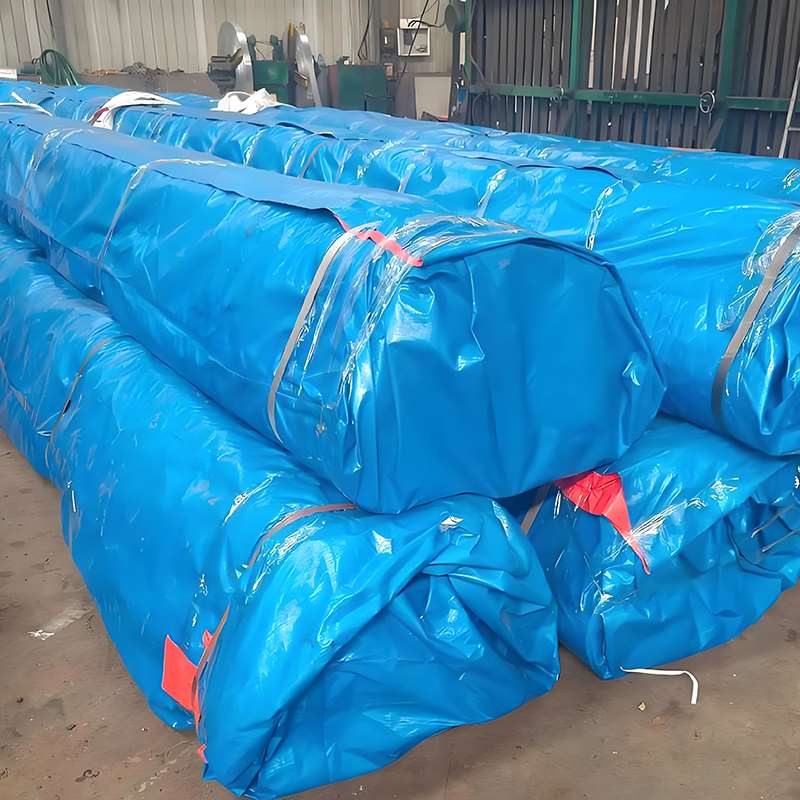
Finished product warehousing/shipping → Packaging and warehousing or shipping according to customer specifications


LSAW steel pipe testing items and acceptance parameters

Inspection Item Test Method Acceptance Criteria / Requirements
Visual Inspection Visual check / dimensional observation Smooth surface, free from cracks, dents, pores, or other visible defects
Dimensional Inspection OD, wall thickness, and length measurement OD ±1% or ±2 mm; wall thickness ±10%; length ±50 mm
Weld Seam NDT Ultrasonic Testing (UT), Radiographic Testing (RT) Weld seam free from cracks, lack of fusion, porosity, etc.; compliant with API 5L or ASTM standards
Hydrostatic Test Water pressure / hydraulic test Test pressure typically 1.5 × design pressure; no leakage in the pipe body
Mechanical Properties Test Tensile test, yield strength, tensile strength Yield strength ≥ standard requirement (e.g., API 5L Gr.B ≥ 241 MPa); tensile strength ≥ standard requirement (e.g., ≥ 415 MPa)
Chemical Composition Analysis Spectrometric analysis Chemical composition complies with standards, including limits for C, Mn, P, S, etc.
Bending / Impact Test Bend test / Charpy impact test No cracks after bending; impact energy ≥ standard requirement (depending on steel grade)
Mechanical Properties Re-test Random sampling inspection Ensures consistency and reliability of batch production
Third-Party Inspection SGS / BV / TUV, etc. Complete inspection reports meeting export or project requirements


Common Questions Regarding LSAW Steel Pipe Selection

Q1: How to choose the appropriate outer diameter and wall thickness?

A: The selection of outer diameter and wall thickness mainly depends on the type, pressure, and distance of the conveyed medium. High-pressure oil and gas pipelines usually use large-diameter, thick-walled pipes; low-pressure water or structural pipes can use small to medium-diameter, thin-walled pipes. The wall thickness should also be calculated based on relevant standards (such as API 5L or ASTM) and design pressure to ensure safety and reliability.

Q2: What types of media are suitable for LSAW steel pipes?

A: LSAW steel pipes are suitable for conveying oil, natural gas, water, steam, and some chemical media. If conveying acidic or alkaline liquids or highly corrosive media, it is recommended to choose internal and external anti-corrosion treatment, such as internal epoxy or PE lining, and an external 3PE/3PP anti-corrosion coating.

Q3: How to decide whether to use LSAW, ERW, or SSAW steel pipes?

A: If the project requires high pressure, large diameter, and long-distance transportation, LSAW is the preferred choice; for small to medium diameters, low pressure, or cost-sensitive projects, ERW can be selected; for extra-large diameters and low to medium pressure scenarios, SSAW can be chosen. Consider pressure, diameter, and weld reliability comprehensively.

Q4: How to choose a pipe corrosion protection scheme?

A: The choice of corrosion protection scheme depends on the operating environment and the medium:
Short-term storage or transportation → Black pipe / Rust-inhibiting oil
Indoor or mild corrosion → External paint / FBE
Buried or highly corrosive environments → 3PE / 3PP
Corrosive media → Internal anti-corrosion or PE lining

Q5: Do length and transportation method affect the selection?

A: Yes, the standard length of LSAW steel pipes is 6–12 m, and can be customized according to the project. Excessive length may increase transportation difficulty and cost. When choosing the length, consider both construction and installation convenience and transportation ease, as well as the number of welding joints.

Q6: How to choose the material and grade?

A: The material grade should be selected based on the project pressure, temperature, and corrosiveness of the medium:
Common grades: API 5L Gr.B / X42–X70
High-strength steel such as X65 / X70 can be selected for high-temperature and high-pressure projects.
For special media or corrosive environments, low-sulfur, low-phosphorus, and corrosion-resistant materials can be selected.