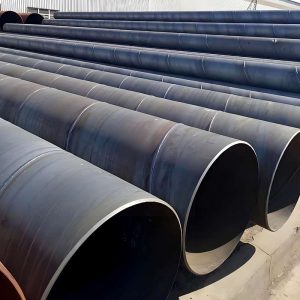
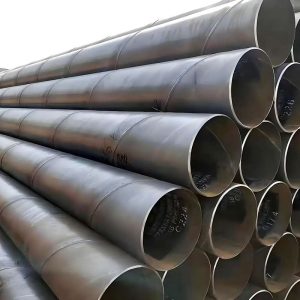
I. Introduction to ASTM A53 Grade B Seamless Carbon Steel Pipe
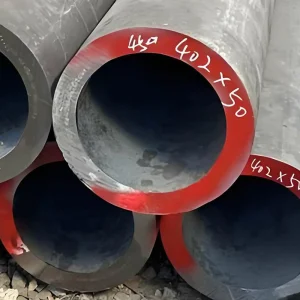
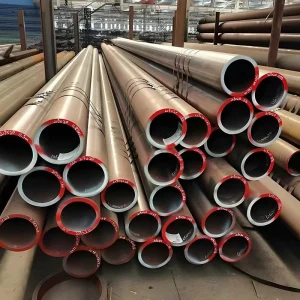
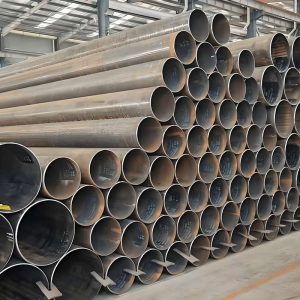
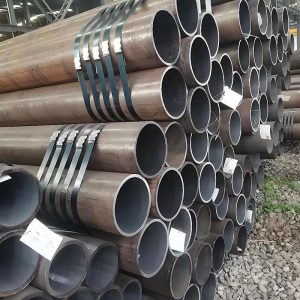
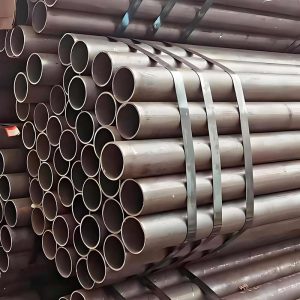
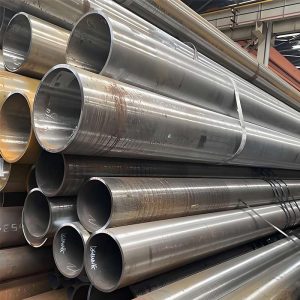
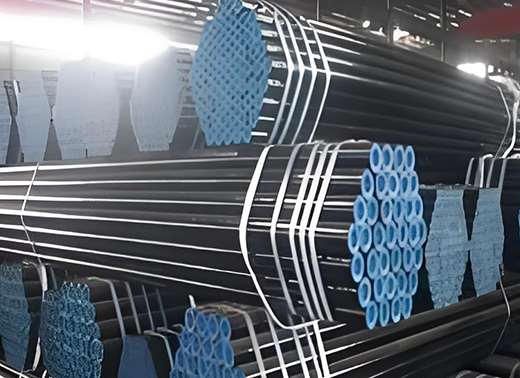
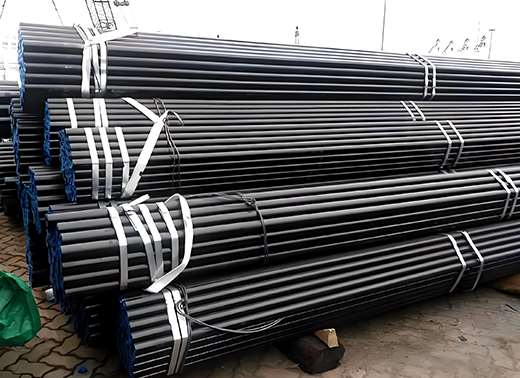
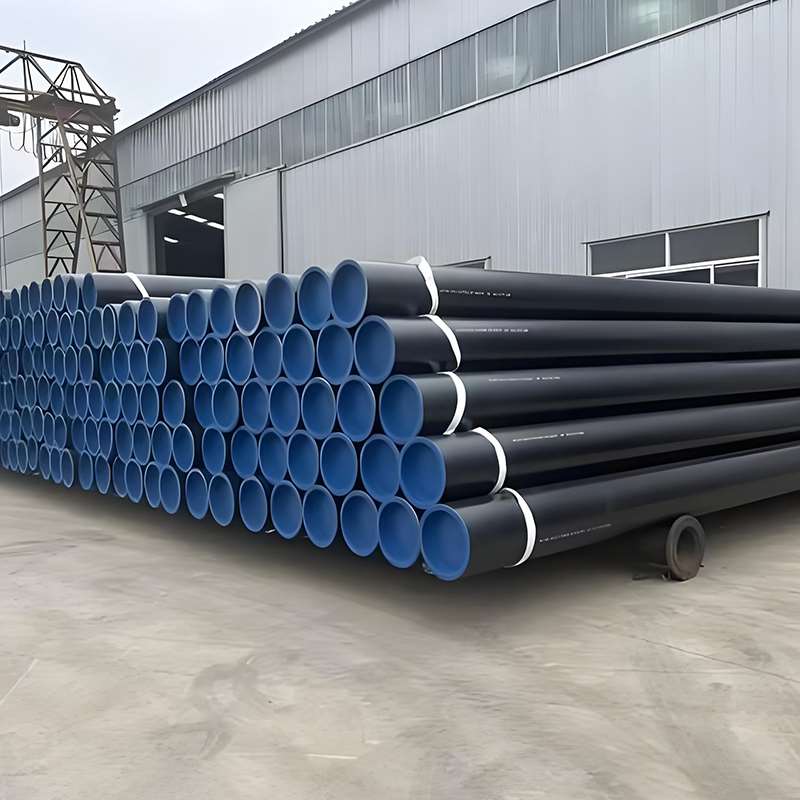
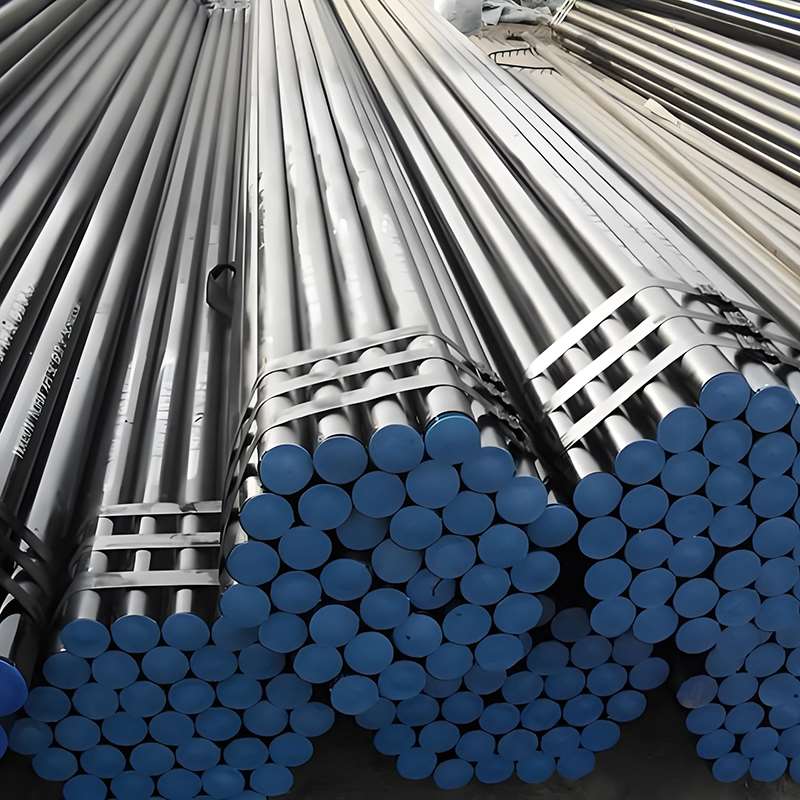
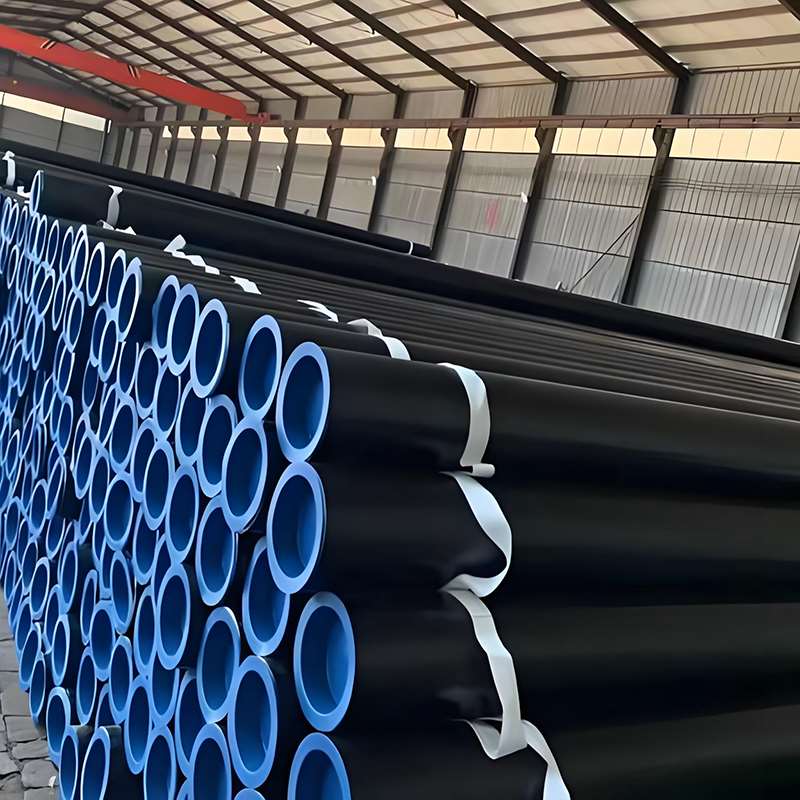
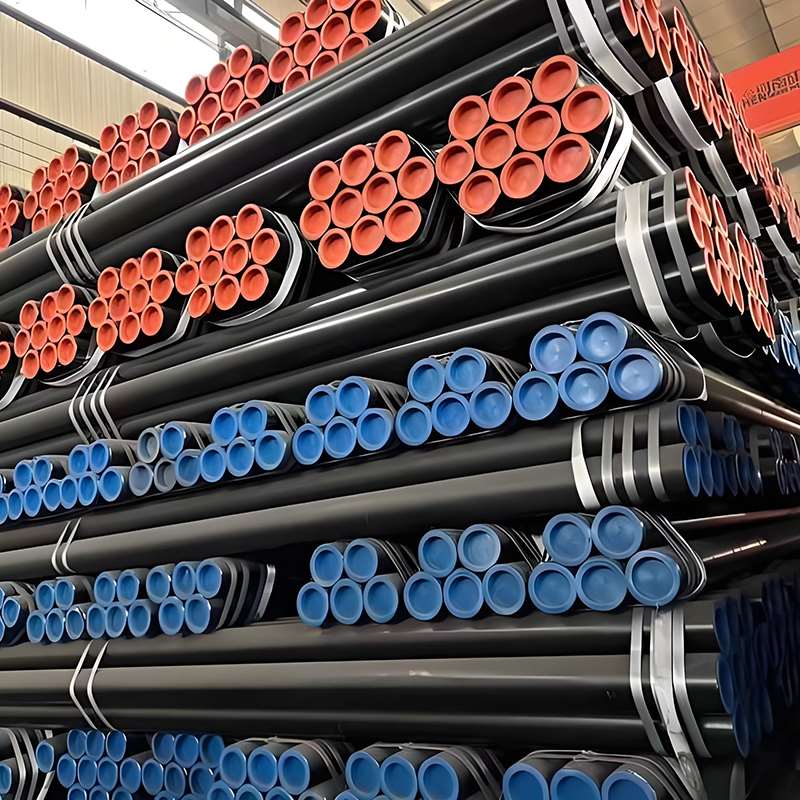
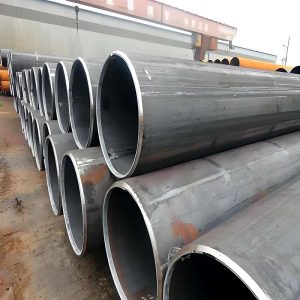
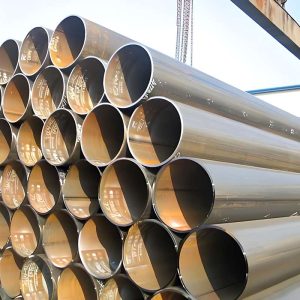
ASTM A53 Grade B seamless carbon steel pipe is a high-performance seamless steel pipe manufactured according to the ASTM A53 standard. Its weld-free structure makes the pipe more reliable when transporting high-pressure fluids, while also possessing good machinability and weldability.
ASTM A53 Grade B pipe is widely used in pipelines transporting steam, gas, water, and petrochemicals, as well as in industrial machinery and building structural support systems.
Due to its pressure resistance, corrosion resistance, and ease of installation, this product is widely used in industrial and construction fields, and is particularly suitable for medium- and high-pressure fluid transportation and mechanical structural support applications.
II. Standards and Classifications
The ASTM A53 standard classifies pipes according to their manufacturing process into the following types:
| Type | Manufacturing Method | Material Grade | Typical Applications |
|---|---|---|---|
| Type S | Seamless | A / B | High-pressure fluid transportation, industrial pipelines |
| Type E | Electric Resistance Welded (ERW) | A / B | Medium- and low-pressure pipelines, structural supports |
| Type F | Furnace Butt-Welded | A | Low-pressure fluid transportation |
III. Chemical Composition and Mechanical Properties
The chemical composition and mechanical properties of ASTM A53 Grade B pipes ensure their stability and reliability in medium- and high-pressure fluid and mechanical applications.
Chemical Composition:
| Element | Grade B (%) | Performance Analysis |
|---|---|---|
| C (Carbon) | ≤ 0.30 | Increases pipe strength while ensuring weldability and toughness |
| Mn (Manganese) | 0.29–1.06 | Improves tensile strength and high-temperature toughness |
| P (Phosphorus) | ≤ 0.05 | Controls brittleness and ensures pipe stability |
| S (Sulfur) | ≤ 0.045 | Reduces stress concentration risk and improves machinability |
Mechanical properties:
| Performance Indicator | Grade B | Analysis |
|---|---|---|
| Yield Strength | ≥ 240 MPa | Ensures pressure-bearing capacity and high-temperature strength |
| Tensile Strength | 415–550 MPa | Maintains stability under pressure and mechanical load |
| Elongation | ≥ 20% | Provides good toughness and prevents brittle fracture |
IV. ASTM A53 Grade B Seamless Carbon Steel Pipe Procurement Guide
| No. | Procurement Stage | Key Considerations | Purpose / Function |
|---|---|---|---|
| 1 | Standard & Grade | Confirm the pipe meets ASTM A53/A53M, Type Seamless, Grade B; verify the Mill Test Certificate (MTC). | Ensure chemical composition and mechanical properties meet design requirements and prevent mixing with other grades. |
| 2 | Size & Wall Thickness | Confirm outside diameter, wall thickness, and length; select the proper Schedule (SCH 40/80/160). | Ensure pressure-bearing capacity meets system design and provides safety margin. |
| 3 | Supplier Qualification | Choose suppliers with UT/ECT capability, hydrostatic test ability, and full traceability (heat number, heat-treatment records, inspection reports). | Ensure reliable pipe quality, traceability, and reduce project risks. |
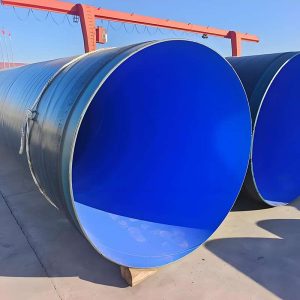
| 4 | Surface Protection | Select rust-preventive oil, hot-dip galvanizing, epoxy coating, or internal lining according to service environment. | Prevent corrosion and extend pipeline service life. |
| 5 | Inspection & Acceptance | Require size, chemical composition, mechanical properties, NDT, and hydrostatic test reports prior to purchase; random inspection on site if needed. | Ensure the pipes meet standards and safety requirements, preventing quality issues. |
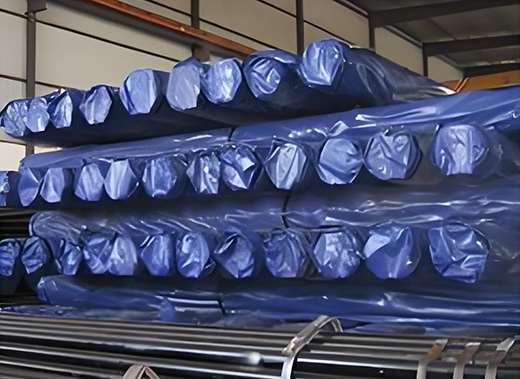
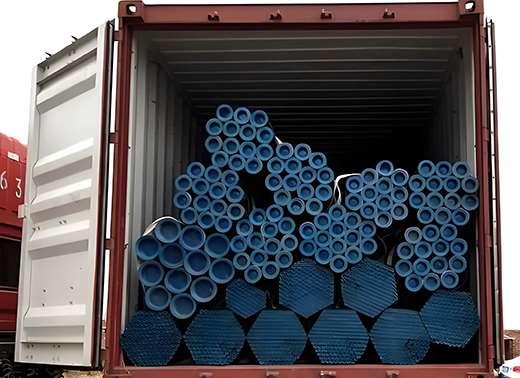
| 6 | Transportation & Storage | Avoid impact, scratches, and moisture; use wooden supports for large diameters; apply anti-rust oil or waterproof cover for long-term storage. | Prevent deformation, physical damage, or corrosion, ensuring pipes arrive in good condition. |
| 7 | Overall Selection Logic | Confirm Standard/Grade → Size/Wall Thickness → Supplier Qualification → Coating/Storage → Acceptance | A systematic procurement workflow that reduces risks and ensures safety and reliability. |